
Side-by-Side IQ Profile: Unpacking Identical Scores
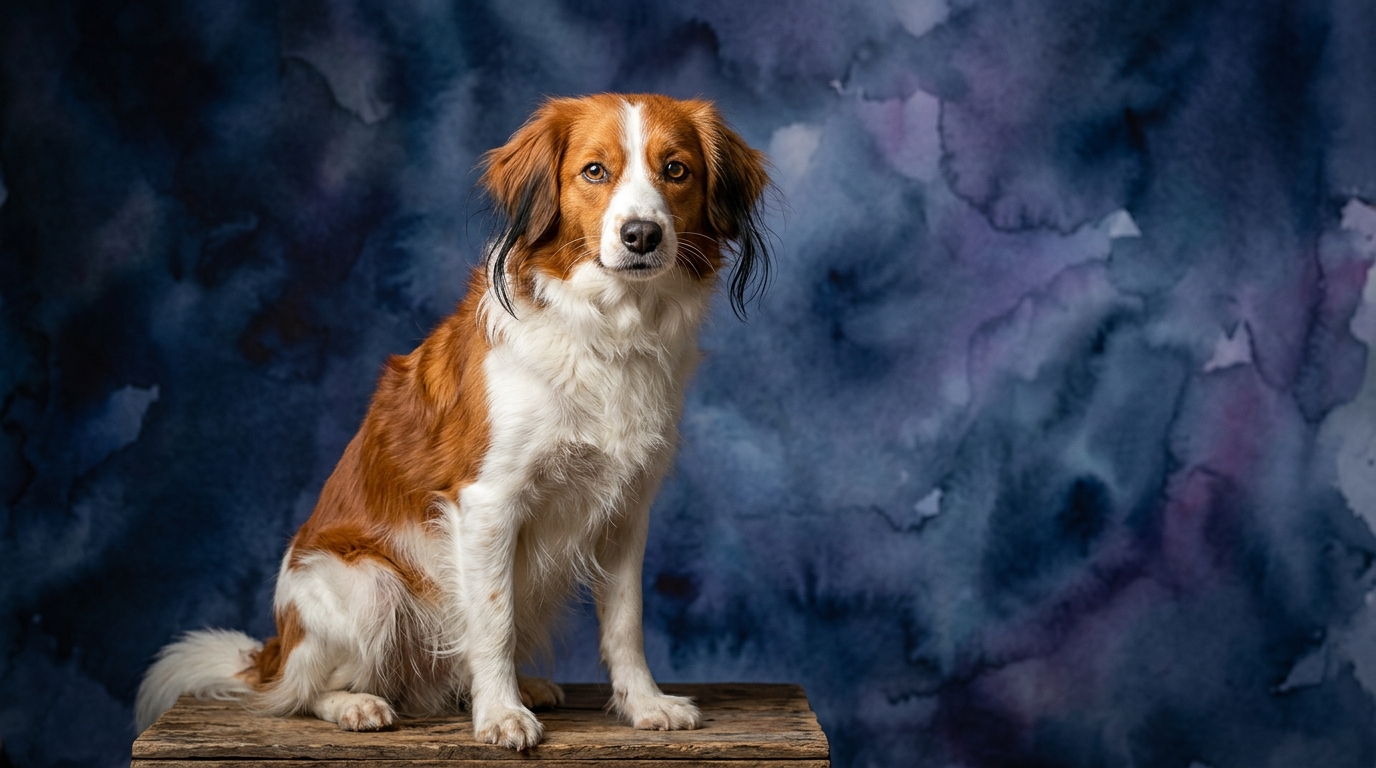
Both the Kooikerhondje and the Pointer register a consistent 3 out of 5 across problem-solving, training speed, social intelligence, instinctive drive, and memory. For the Kooikerhondje, a '3' in problem-solving often manifests as a clever, strategic approach to tasks, reflecting their historical role in luring ducks into traps. This isn't brute force, but rather a subtle understanding of cause and effect, often observed in their ability to manipulate objects or navigate complex environments to achieve a goal. Their training speed at 3/5 indicates a willingness to learn but requires consistent, positive reinforcement, as they are sensitive and can shut down with harsh methods. Social intelligence at 3/5 means they form deep bonds with their family, often reserved with strangers, reading human emotions keenly within their inner circle. Their instinctive drive (3/5) is rooted in their luring and retrieving heritage, exhibiting a focused yet controllable prey drive. Memory at 3/5 ensures they retain learned behaviors and routines, contributing to their reliability once a skill is mastered.
The Pointer, with its matching 3/5 scores, expresses these cognitive traits through a different lens, primarily that of a dedicated hunting companion. Their problem-solving (3/5) is geared towards efficiency in the field: how to quarter ground effectively, how to pinpoint scent, or how to navigate challenging terrain to find game. This isn't about trickery but about practical, goal-oriented strategy. A training speed of 3/5 suggests they are eager to please and can grasp commands, but their strong drive can sometimes make them appear distracted, requiring patient, consistent work to channel their focus. Social intelligence at 3/5 typically means they are generally friendly and outgoing, though their primary social bond is often tied to their handler's direction in the field. Their instinctive drive (3/5) is powerfully expressed in their pointing and searching behaviors, a potent, almost singular focus that defines their breed. Memory at 3/5 allows them to recall vast areas of territory, remember scent locations, and retain complex sequences of commands essential for successful hunting.
Where Kooikerhondje Wins Cognitively
The Kooikerhondje's cognitive strengths often lean towards nuanced strategic thinking and environmental manipulation. Their historical role as 'decoy dogs' required not just luring ducks, but understanding the subtle movements and patience needed to do so without alarming the fowl. This translates into a capacity for intricate problem-solving, where they might excel at puzzle toys requiring multiple steps or figuring out how to open a gate with a latch rather than simply pushing through it. They often demonstrate a more refined ability to 'read' their immediate environment and act upon it in a thoughtful, almost deliberate manner, making them particularly adept at tasks requiring fine motor skills or sequential actions. Their social intelligence, while reserved, allows for a deep attunement to their family's moods and routines, enabling them to anticipate needs or respond to subtle cues that a less sensitive breed might miss.
Where Pointer Wins Cognitively
The Pointer's cognitive edge lies in its unparalleled focus, endurance, and practical field intelligence. Their 'problem-solving' on a 3/5 scale is less about intricate manipulation and more about expansive, persistent application of their senses and physical prowess. A Pointer's mind is a vast map of scent and terrain, and their memory for these details is formidable. They can cover immense distances, remembering where they've been, where potential scent might lie, and how to return to their handler, all while maintaining an unwavering concentration on their primary task: finding game. This single-minded dedication, combined with their athletic ability, allows them to process and act upon sensory information with remarkable efficiency and stamina, making them exceptionally skilled at tasks requiring sustained attention and physical exertion over large areas.
Which Is Easier to Train and Why
While both breeds score 3/5 in training speed, the *approach* to training differs significantly. The Kooikerhondje, with its sensitive nature and desire for connection, often responds best to positive reinforcement, gentle guidance, and engaging, varied training sessions. They can be prone to 'softness,' meaning harsh corrections or repetitive drills can quickly lead to disengagement or anxiety. Their training success often hinges on building a strong, trusting relationship and making learning feel like a collaborative game. They are keen observers and can learn quickly once they understand the 'why' behind a command, but they require patience and a light touch.
The Pointer, conversely, often presents a different set of training considerations. Their powerful instinctive drive to hunt can be both a blessing and a challenge. While eager to please and highly motivated by a task, their intense focus on scent and prey can make recall or staying on task in a distracting environment more demanding. Training a Pointer often involves channeling their innate drive into desired behaviors, requiring consistent, firm (but fair) leadership and plenty of opportunities to express their natural instincts in controlled ways. They thrive on purpose and physical outlets, and training that incorporates these elements will be more successful than purely obedience-focused drills.
Which Suits Active Owners vs Relaxed Owners
Neither the Kooikerhondje nor the Pointer is ideally suited for a truly relaxed, sedentary owner, as both are sporting breeds requiring significant engagement. However, the *type* of activity they thrive on differs. The Kooikerhondje suits an active owner who enjoys varied activities, mental challenges, and consistent companionship. They need daily walks, playtime, and structured mental stimulation like puzzle toys, trick training, or dog sports such as agility or obedience. While they appreciate vigorous exercise, they are equally content with cuddling on the couch after their needs are met, making them suitable for owners who can provide both physical and intellectual outlets, but also value a close bond indoors. They need an owner who understands their sensitivity and provides a secure, predictable environment.
The Pointer is undoubtedly a breed for the highly active, outdoors-oriented owner. Their immense stamina and powerful prey drive demand extensive physical exercise, ideally in open spaces where they can run, sniff, and explore. Daily long runs, hikes, or dedicated field work are essential to their well-being. A Pointer needs an owner who can commit to providing a significant outlet for their boundless energy and strong hunting instincts. While affectionate, their primary satisfaction often comes from fulfilling their physical and instinctual needs. They are less suited to owners seeking a primarily indoor companion or those unable to provide consistent, high-intensity outdoor activity.
The Verdict
Choose the Kooikerhondje if you seek a sensitive, clever companion who thrives on varied mental challenges and close family bonds, and you can provide consistent, positive training and a mix of physical and intellectual engagement.
Opt for the Pointer if you are a highly active, outdoors-loving individual or family prepared to channel immense stamina and a powerful hunting drive into extensive physical exercise and purposeful activities.
🧠 Find Your Pet's IQ Score
Our Pet IQ Lab assessment covers 25+ tests across 5 cognitive dimensions — personalized to your breed.
Take the Full IQ Test →Frequently Asked Questions
Are Kooikerhondjes good with children?
Kooikerhondjes can be wonderful with respectful children, especially if raised with them. Their sensitive nature means they thrive in calm environments and may be reserved with boisterous play, requiring supervision to ensure positive interactions.
Do Pointers make good family pets?
Pointers can be excellent family pets, known for their generally even temper and affectionate nature. However, their high energy levels and strong prey drive mean they require a family committed to providing substantial exercise and mental stimulation to prevent boredom and destructive behaviors.
Which breed is better for apartment living?
Neither breed is ideal for small apartment living without significant commitment to outdoor activity. If forced to choose, a Kooikerhondje might adapt slightly better with dedicated daily outings and mental games, whereas a Pointer's sheer energy volume makes apartment life much more challenging.