Side-by-Side Cognitive Profile
The Cosmic Pet Pet IQ Lab assesses five key dimensions of canine intelligence, and interestingly, both the Kooikerhondje and the Sealyham Terrier receive a consistent 3/5 across the board. However, the *expression* of these scores varies significantly due to their distinct breed histories and temperaments.
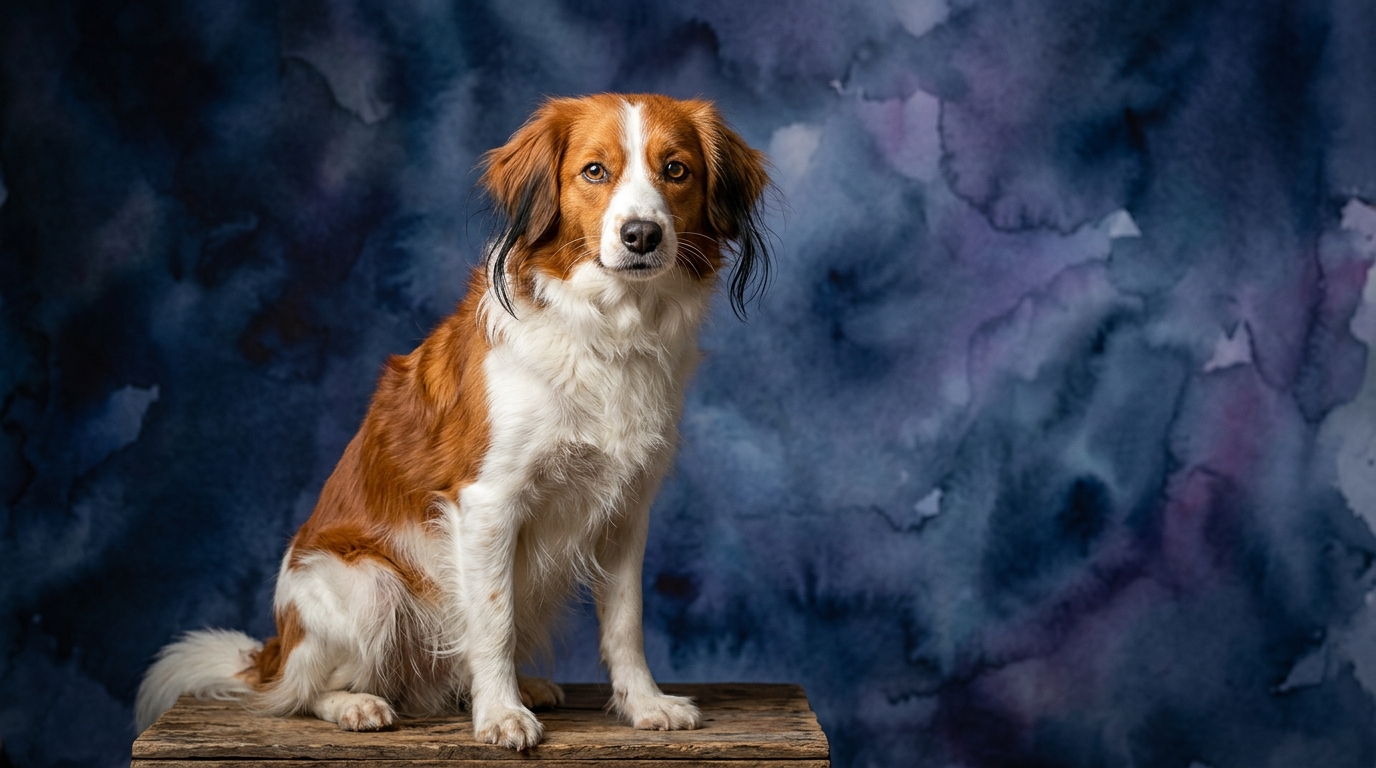
For the **Kooikerhondje (Sporting Group)**:
Problem Solving (3/5): These dogs exhibit a practical, observant approach to challenges. Their historical role in luring ducks required them to understand and execute complex, often repetitive, patterns and to adapt slightly based on environmental cues. They can figure out how to navigate obstacles or work through puzzle toys, but might not be the quickest to devise novel solutions to entirely unfamiliar, abstract problems, preferring methodical observation.
Training Speed (3/5): The Kooikerhondje learns new commands and routines at a moderate pace. They are generally cooperative and eager to please their handlers, which aids in learning, but their independent streak means they require consistent, engaging training methods to maintain focus and motivation. Repetition with positive reinforcement is effective.
Social Intelligence (3/5): They are attuned to human emotions and social cues within their familiar circle, allowing them to form strong bonds and understand household dynamics. However, their reserved nature with strangers suggests a selective application of their social understanding, focusing primarily on their core family unit. They can read intentions but might not always engage readily with new acquaintances.
Instinctive Drive (3/5): Their sporting heritage manifests as a moderate but present drive for chasing and retrieving. This isn't an overwhelming, single-minded focus, but a clear inclination towards activities that simulate their original purpose, like fetch or scent work. They can be engaged in these activities but are also capable of relaxing.
Memory (3/5): Kooikerhondjes possess a reliable memory for routines, learned commands, and familiar environments. They recall training cues consistently and remember previous interactions, contributing to their overall trainability and ability to navigate their world effectively. They don't forget easily, which helps reinforce positive habits.
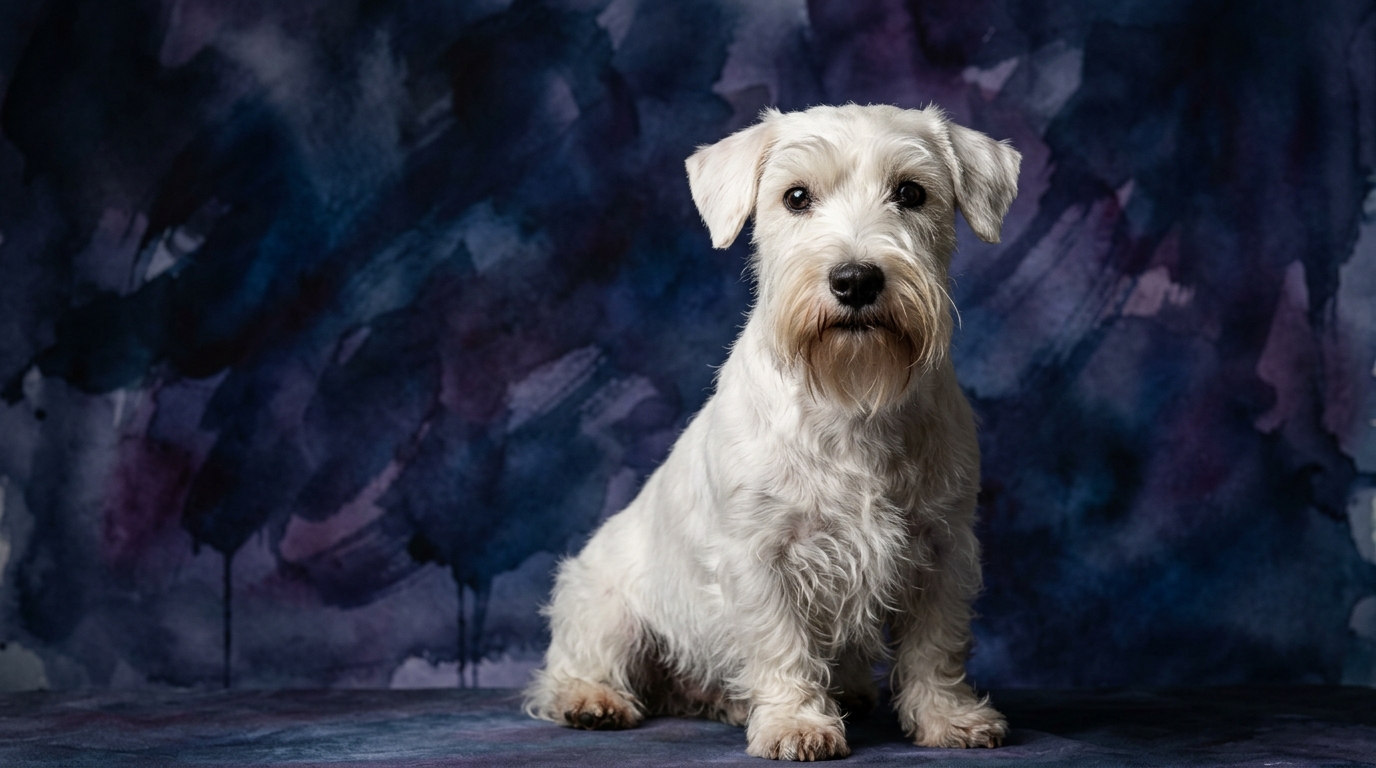
For the **Sealyham Terrier (Terrier Group)**:
Problem Solving (3/5): Sealyhams approach problems with a tenacious, independent spirit. Their history as tenacious hunters of vermin required them to think on their paws, often in confined, unpredictable spaces, making quick decisions to overcome obstacles or corner prey. They excel at physical puzzles or tasks requiring perseverance, though they might sometimes rely on brute force or trial-and-error rather than nuanced strategy.
Training Speed (3/5): These terriers learn commands at a moderate pace, similar to the Kooikerhondje. However, their strong-willed and independent nature means that while they *can* learn quickly, their willingness to *comply* can vary. Training requires firm consistency, patience, and making the learning process engaging and rewarding from their perspective, often tapping into their prey drive.
Social Intelligence (3/5): Sealyhams are known for their lively and affectionate nature with their families, demonstrating a clear understanding of pack dynamics and human moods within their inner circle. With strangers or other animals, their social intelligence is filtered through a terrier's cautious and sometimes assertive lens, assessing potential threats or playmates with discernment.
Instinctive Drive (3/5): The Sealyham possesses a pronounced instinctive drive, particularly a strong prey drive rooted in their vermin-hunting past. This translates into a keen interest in chasing, digging, and exploring scents. While a 3/5 indicates it's manageable, it's a fundamental part of their being and needs appropriate outlets.
Memory (3/5): Sealyhams have a good memory for places, people, and learned behaviors. They remember past training, positive and negative experiences, and the layout of their territory. This reliable recall contributes to their ability to navigate their environment and maintain routines, though their independent streak can sometimes override simple recall if they're particularly motivated by something else.
Where the Kooikerhondje Wins Cognitively
Despite identical numerical scores, the Kooikerhondje's cognitive strengths lean towards observational learning and cooperative problem-solving within a structured environment. Their heritage as decoy dogs means they excel in tasks requiring sustained, focused attention to environmental cues and subtle handler signals over extended periods. For instance, in a scenario involving a complex retrieve where the handler guides them through several steps, the Kooikerhondje might demonstrate slightly better sustained focus on the human's direction, interpreting body language and vocal tones more readily to complete the task collaboratively. Their problem-solving, while not always inventing novel solutions, is often more methodical and less prone to impulsive decisions than a terrier's. This breed may also show a nuanced understanding of routine changes, adapting with less stress due to their observant nature and capacity for understanding patterns.
Where the Sealyham Terrier Wins Cognitively
The Sealyham Terrier, with its terrier grit, shines in cognitive tasks demanding independence, persistence, and a certain amount of physical ingenuity. While their problem-solving score is 3/5, their unique application of this is in situations requiring them to overcome physical obstacles or pursue a goal relentlessly, often without direct human intervention. Imagine a Sealyham tasked with retrieving a toy from under a complicated piece of furniture; they are likely to try various angles, dig, push, and maneuver with unwavering determination until the toy is freed. Their instinctive drive, while also a 3/5, manifests as an unyielding focus on a target, making them exceptional at scent-based puzzles or tasks that simulate a 'hunt.' This tenacity, combined with their memory, makes them highly effective at navigating complex environments they've explored before, remembering the best routes or potential hiding spots.
Which Is Easier to Train and Why
Both the Kooikerhondje and Sealyham Terrier hold a 3/5 training speed, indicating they learn at a moderate pace. However, the *ease* of training can differ significantly due to their inherent behavioral tendencies. The Kooikerhondje, stemming from a sporting background, generally exhibits a stronger desire to work *with* their handler. Their reserved social intelligence and moderate instinctive drive mean they are often more sensitive to their owner's feedback and more inclined to seek cooperation. This translates to training that might feel more collaborative; they respond well to positive reinforcement and clear, consistent communication, often eager to please and less likely to challenge authority directly.
Conversely, the Sealyham Terrier's independent problem-solving and pronounced instinctive drive mean training them often requires more patience and a creative approach. While they learn commands, their strong will means they might choose not to perform if they don't see the immediate benefit or if something more interesting captures their attention. Training a Sealyham often involves making the process feel like a game or a challenge they initiate, tapping into their tenacity and prey drive to motivate compliance rather than relying solely on a desire to please. They can be more resilient to corrections, requiring handlers to be consistent and persistent without being overly harsh, lest they become stubborn.
Suited for Active vs. Relaxed Owners
When considering activity levels, both breeds require regular engagement, but their preferred modes of activity diverge based on their cognitive and physical makeup. The Kooikerhondje, with its moderate instinctive drive and cooperative nature, suits active owners who enjoy structured outdoor activities like long walks, hiking, or dog sports such as agility or obedience. Their problem-solving and memory, combined with their desire to work collaboratively, make them excellent partners for owners who appreciate consistent training and shared experiences. They are adaptable enough to settle down with a relaxed owner who can still commit to daily walks and mental stimulation through puzzle toys or training sessions, but they do best when their mind and body are regularly challenged in a cooperative setting.
The Sealyham Terrier, however, despite a similar instinctive drive score, thrives with owners who can channel their tenacious energy and independent spirit. They are ideal for active owners who appreciate a dog with grit and a strong desire to explore, dig, and chase. Their problem-solving shines in environments where they can investigate and overcome challenges, making them suitable for owners interested in earthdog trials, scent work, or vigorous play sessions. A relaxed owner might find the Sealyham's independent streak and persistent energy challenging if not properly managed, as their drive for engagement will find its own outlets, potentially through less desirable behaviors like excessive digging or barking if under-stimulated. Both breeds need mental work, but the Kooikerhondje leans towards cooperative tasks, while the Sealyham excels in self-directed exploration and pursuit.
The Verdict
Choose a Kooikerhondje if you seek a cooperative companion for structured activities, valuing a dog that observes closely and works harmoniously with you in a consistent environment. They thrive with owners who appreciate their sensitive nature and methodical approach to learning.
Opt for a Sealyham Terrier if you desire a tenacious, independent partner for adventurous pursuits, valuing a dog that approaches challenges with unwavering determination and a strong will. They suit owners who can channel their grit into engaging, stimulating activities.
🧠 Find Your Pet's IQ Score
Our Pet IQ Lab assessment covers 25+ tests across 5 cognitive dimensions — personalized to your breed.
Take the Full IQ Test →Frequently Asked Questions
Are Kooikerhondjes good for first-time dog owners?
Kooikerhondjes can be suitable for first-time owners who are committed to consistent positive reinforcement training and socialization. Their cooperative nature and moderate drives make them manageable, but their reserved personality requires understanding and patience.
Do Sealyham Terriers get along with other pets?
Sealyham Terriers can coexist with other pets, especially if introduced early and socialized well. However, their strong prey drive means small, fast-moving animals might trigger their hunting instincts, requiring careful supervision and training.
Which breed is more vocal, the Kooikerhondje or Sealyham Terrier?
Sealyham Terriers tend to be more vocal, often using barks to express excitement, alert to perceived threats, or demand attention, reflecting their terrier nature. Kooikerhondjes are generally less prone to excessive barking, typically vocalizing more selectively.