Side-by-Side IQ Profile: Kuvasz vs American Foxhound
The Cosmic Pet Pet IQ Lab provides a structured way to assess canine cognition across five crucial dimensions, offering insights into each breed's unique mental architecture. Let's delve into how the Kuvasz and American Foxhound stack up.
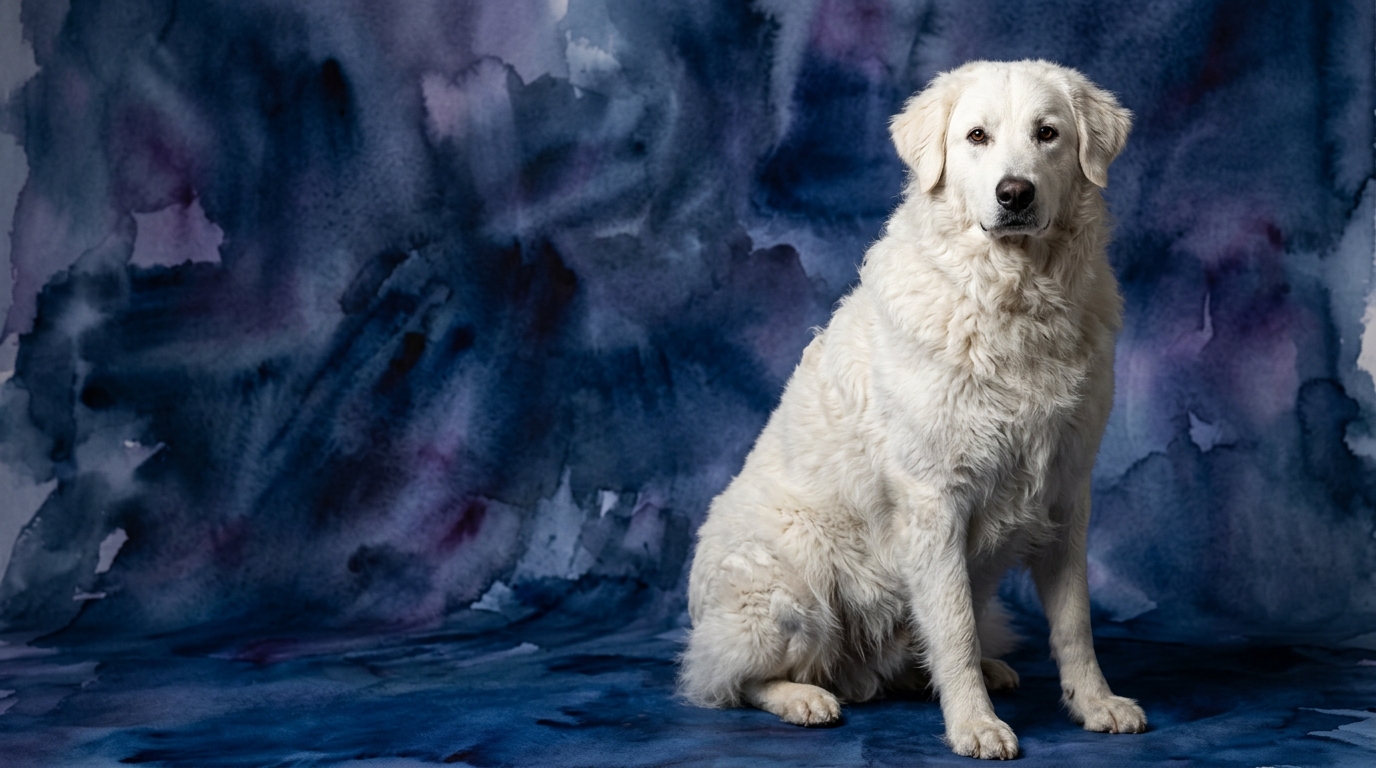
For the **Kuvasz (Working Breed, Coren Rank #42)**:
**Problem Solving (3/5):** The Kuvasz demonstrates an autonomous problem-solving approach, essential for a guardian breed. They are adept at evaluating threats and devising solutions on their own, often without direct human instruction, such as determining the best way to deter a predator from livestock. This isn't about solving abstract puzzles, but practical, real-world challenges within their domain, requiring independent judgment.
**Training Speed (3/5):** While capable of learning, the Kuvasz's training speed is influenced by their independent nature. They absorb commands and routines, but their compliance often stems from their assessment of the task's utility rather than an inherent desire to please. Consistency, clear purpose, and building a relationship based on respect are key to effective training, as they will question commands that seem illogical to their guarding instincts.
**Social Intelligence (3/5):** The social intelligence of a Kuvasz is primarily focused on their “flock” – be it livestock or their human family. They form deep, protective bonds and are astute at reading the nuances of their chosen group, understanding social hierarchies and potential vulnerabilities. Their interactions with strangers, however, are often reserved and watchful, a manifestation of their guardian role, requiring careful socialization.
**Instinctive Drive (3/5):** The dominant instinctive drive for the Kuvasz is protection. This manifests as a strong territoriality and an inherent vigilance against perceived threats. They possess a persistent drive to patrol, observe, and intervene when they believe their charges are in danger, a drive that is both powerful and deeply ingrained, demanding appropriate outlets.
**Memory (4/5):** The Kuvasz exhibits a remarkable capacity for memory. They recall individuals, past events, and territorial boundaries with precision, which is vital for effective guardianship. This strong memory allows them to recognize recurring patterns in their environment, distinguishing regular visitors from potential intruders, and remembering past successful defensive strategies over extended periods.
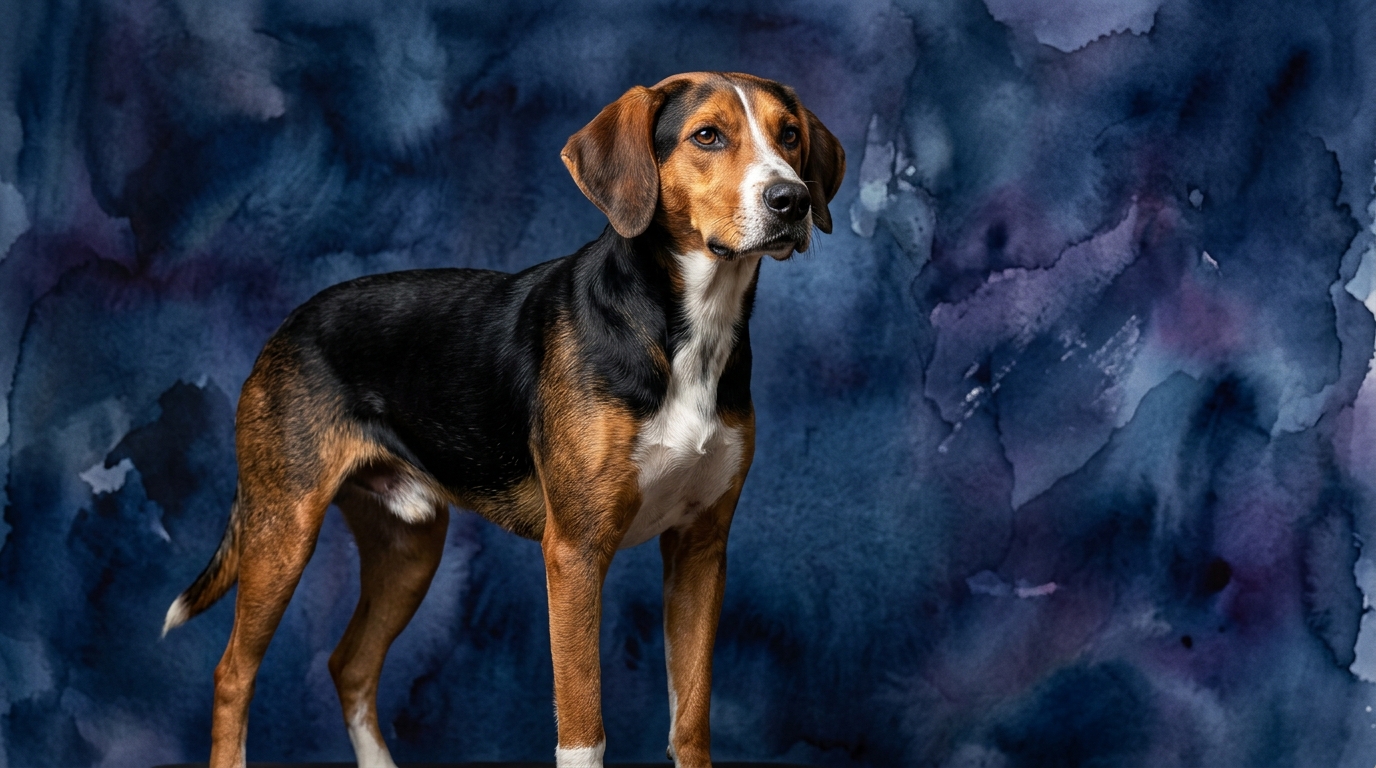
For the **American Foxhound (Hound Breed, Not Coren-Ranked)**:
**Problem Solving (3/5):** The American Foxhound's problem-solving skills are acutely specialized for their hunting heritage. They excel at deciphering complex scent trails, navigating varied terrain, and collaborating with a pack to track quarry. This involves intricate decision-making in real-time, such as choosing the freshest scent line or bypassing obstacles efficiently, all driven by their powerful olfactory sense.
**Training Speed (3/5):** Like the Kuvasz, the American Foxhound scores 3/5 in training speed, but for different reasons. While they can learn, their immense drive for scent work often overrides other considerations. They may grasp commands quickly in a low-distraction environment, but maintaining focus when a compelling scent is present can be a significant challenge, making consistent response rates variable and requiring persistent effort.
**Social Intelligence (3/5):** The American Foxhound's social intelligence is deeply rooted in pack dynamics. They are adept at communicating and cooperating with other hounds during a hunt, understanding subtle cues and working as a cohesive unit. With humans, they are generally amicable and tolerant, but their primary social focus during activity often remains on their working partners or the pursuit itself, rather than complex human-centric interactions.
**Instinctive Drive (3/5):** The predominant instinctive drive for the American Foxhound is their relentless prey drive, fueled by their extraordinary sense of smell. This manifests as an unwavering desire to track and chase, often to the exclusion of all else. Once they pick up a scent, their focus becomes singular, driving them to pursue with remarkable endurance and determination, making off-leash control a significant consideration.
**Memory (3/5):** The American Foxhound possesses a functional memory, particularly for scent patterns and familiar hunting grounds. They can recall established trails and the scent signatures of specific animals. However, their memory is generally geared towards immediate, task-specific recall necessary for tracking rather than the long-term, complex pattern recognition that a guardian breed like the Kuvasz might display.
Where the Kuvasz Wins Cognitively
The Kuvasz’s cognitive strengths shine particularly brightly in areas crucial for an autonomous guardian. Their memory, rated at 4/5, stands out as a key advantage. This superior recall allows them to retain intricate details about their territory, the individuals within it, and past experiences, enabling them to make informed, proactive decisions in their protective role. This isn't just about remembering commands; it's about building a comprehensive mental map of their world and its inhabitants, distinguishing normal patterns from anomalies. Furthermore, while both breeds score 3/5 in problem-solving, the Kuvasz's approach is distinctly self-directed. They demonstrate a capacity for independent judgment, assessing situations and formulating solutions without constant human input, a trait that makes them exceptionally reliable in their specific guarding duties. This self-reliance in decision-making is a hallmark of their working intelligence, further reflected by their Coren rank of 42.
Where the American Foxhound Wins Cognitively
Conversely, the American Foxhound's cognitive prowess is deeply specialized, optimized for the intricate demands of scent hunting. Their problem-solving, while also rated 3/5, is unparalleled in its specific application to tracking. They possess an extraordinary ability to interpret complex olfactory information, following faint, broken trails over diverse terrains, making real-time adjustments based on wind, age of scent, and environmental factors. This is a highly sophisticated form of cognitive processing that few breeds can replicate. Their instinctive drive, also 3/5, combined with this scenting ability, provides an incredible capacity for sustained focus. Once on a trail, their cognitive resources are almost entirely dedicated to the pursuit, demonstrating an endurance of mental effort that allows them to overcome significant environmental and physical challenges to achieve their goal, undeterred by distractions.
Which Is Easier to Train and Why?
Determining which breed is 'easier' to train depends heavily on the owner's goals and understanding of breed-specific motivations. The Kuvasz, with a Coren ranking of 42, generally exhibits a higher capacity for traditional obedience training. Their stronger memory (4/5) aids in command retention, and their desire to protect their 'flock' can be leveraged in training, as they often see compliance as contributing to the safety and order of their domain. However, their independent nature means they will evaluate commands and might resist if they perceive them as illogical or unnecessary to their primary function. Training a Kuvasz requires fairness, consistency, and building a relationship based on mutual respect, rather than expecting unquestioning obedience.
The American Foxhound, lacking a Coren rank and possessing an equally moderate training speed (3/5), presents different challenges. Their overwhelming instinctive drive for scenting can make recall and off-leash reliability particularly difficult. When a compelling scent is present, their focus shifts entirely to the chase, overriding human commands. Training an American Foxhound demands immense patience, creative methods to make training more rewarding than a scent trail, and a deep understanding of their innate drive. While both breeds require experienced handlers, the Kuvasz typically adapts better to structured obedience due to their memory and inherent desire for order, whereas the Foxhound's single-minded pursuit of scent requires a more specialized and persistent training approach to manage its powerful instincts effectively.
Which Suits Active Owners vs. Relaxed Owners?
Neither the Kuvasz nor the American Foxhound are suitable companions for truly relaxed owners, as both breeds demand significant engagement, albeit in different forms. The Kuvasz, despite its formidable presence, requires thoughtful activity. Their cognitive need for purpose and mental stimulation is as important as physical exercise. They thrive when given a 'job,' even if it's patrolling a secure yard or participating in protection sports, which satisfies their instinctive drive. Owners must be prepared to engage their minds, providing consistency and structure to prevent boredom or the development of undesirable guarding behaviors. A casual approach will not suffice for this discerning breed.
The American Foxhound, by contrast, demands robust physical activity above all else. Bred for endurance over long distances, they need extensive opportunities to run and engage their powerful sense of smell. Owners must provide daily, vigorous exercise, ideally in a secure area where they can safely explore scents or participate in activities like cani-cross or tracking. A relaxed owner simply cannot meet the physical exertion requirements of an American Foxhound, which can lead to frustration, destructive behaviors, and a generally unhappy dog. Therefore, both breeds necessitate active, committed owners, but the nature of that activity differs significantly: purposeful mental engagement for the Kuvasz, and intense physical exertion combined with scent work for the American Foxhound.
The Verdict
If you seek a discerning, independent guardian with a remarkable memory and a need for purpose, and are prepared to engage their thoughtful nature with consistent, respectful training, the Kuvasz could be your match. They thrive with owners who understand their self-reliant decision-making and provide a clear role within the family's structure.
Opt for the American Foxhound if you are an owner who embraces extensive physical activity and revels in scent-driven pursuits, prepared to manage a powerful prey drive. They excel with those who can provide ample opportunities for running and tracking, understanding that their cognitive strengths lie in tireless, focused pursuit of a trail.
🧠 Find Your Pet's IQ Score
Our Pet IQ Lab assessment covers 25+ tests across 5 cognitive dimensions — personalized to your breed.
Take the Full IQ Test →Frequently Asked Questions
Do Kuvasz learn new commands quickly?
The Kuvasz has a training speed rating of 3/5, meaning they are capable of learning new commands at a moderate pace. Their independent nature often leads them to evaluate the necessity of a command, so consistency and clear purpose in training are more effective than rote repetition.
Is the American Foxhound easily distracted during training?
Yes, the American Foxhound can be easily distracted, especially by compelling scents. Their strong instinctive drive for tracking means that once a scent is detected, their focus can become singularly directed towards it, making it challenging to maintain their attention on human commands.
Which breed is better for a family with children?
Both breeds can be good with children with proper socialization and supervision, but their approach differs. Kuvasz are naturally protective of their 'flock' (family) and can be gentle but watchful. American Foxhounds are generally amiable and tolerant, often seeing children as part of their pack, but their high energy and strong prey drive require careful management around very young children.