Side-by-Side Cognitive Profile: Kuvasz vs. Anatolian Shepherd Dog
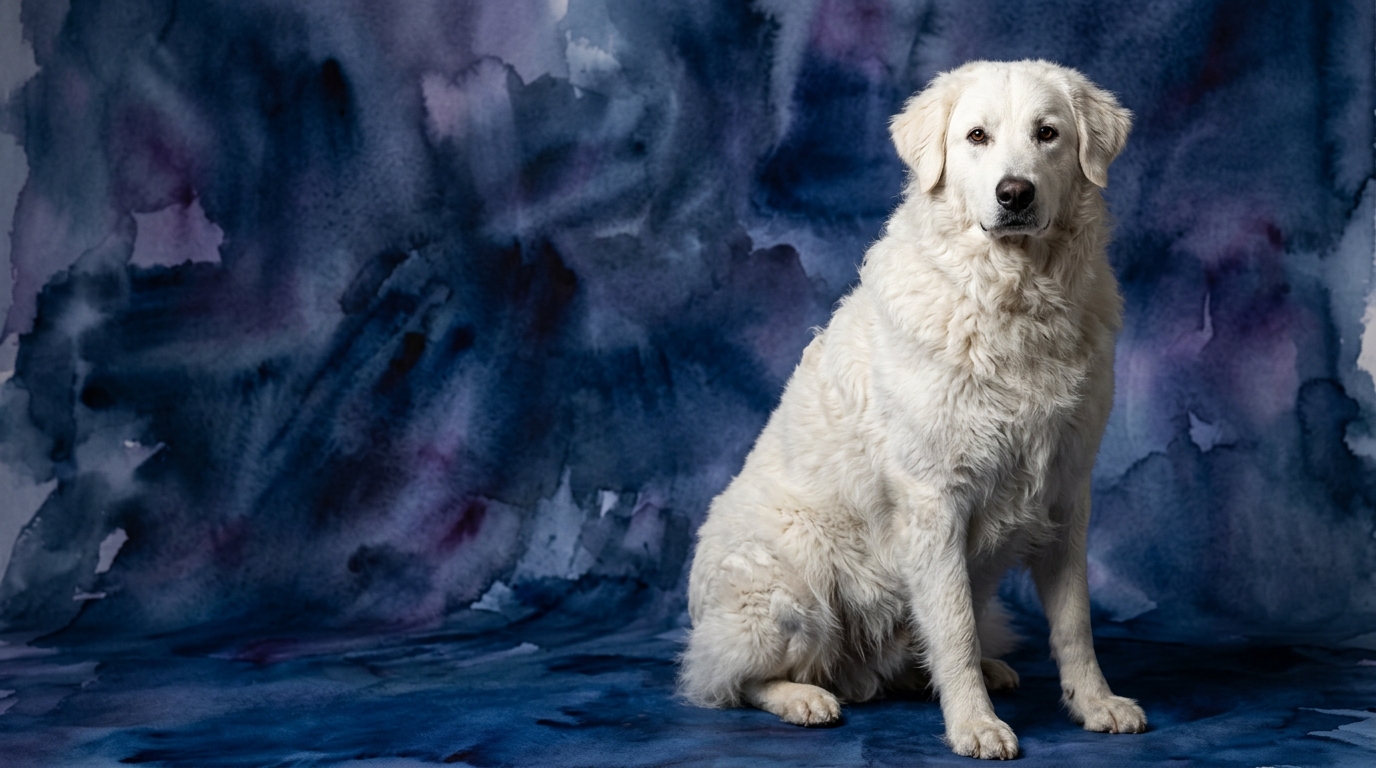
The Cosmic Pet Pet IQ Lab employs a five-dimensional framework to assess canine cognition. For the Kuvasz, its profile reveals practical capabilities tailored to its ancient role. Its Problem Solving is rated 3/5, indicating an ability to assess threats and strategize protection within its domain, focusing on applying learned behaviors to real-world guardian scenarios. Training Speed, also 3/5, reflects a deliberate nature, where the Kuvasz is capable of learning but often requires consistent, patient repetition to integrate new instructions. Social Intelligence scores 3/5, demonstrating a measured understanding, adept at discerning intentions within its family unit and livestock, while being selective with its social circle. The Kuvasz's Instinctive Drive is 3/5, powerfully channeled towards protection and guardianship, manifesting as vigilance and a strong sense of responsibility for its charges. A standout trait is its Memory at 4/5, allowing for robust retention of training, past interactions, and comprehensive environmental understanding.
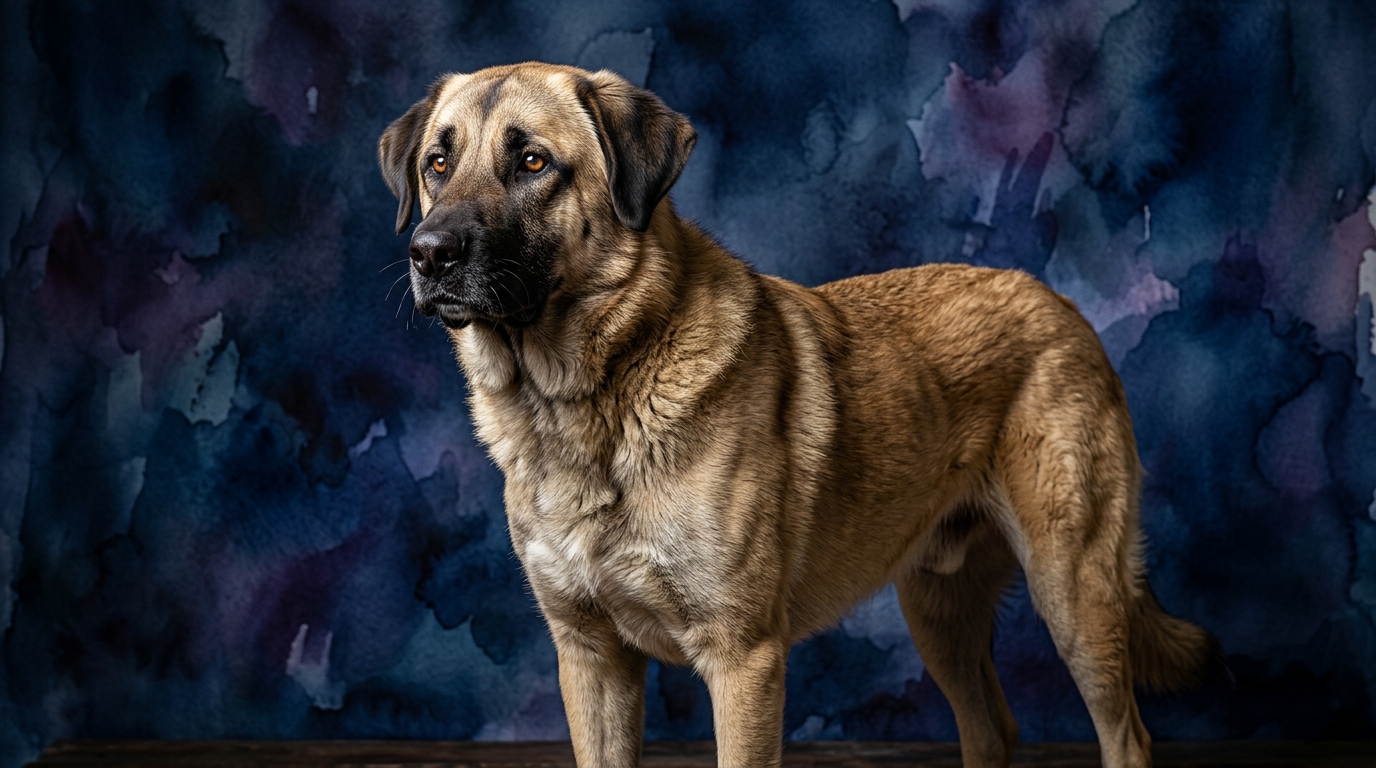
The Anatolian Shepherd Dog's cognitive profile, while sharing similarities, emphasizes independent judgment within its guardian duties. Its Problem Solving is 3/5, involving autonomously assessing environmental changes and potential dangers to livestock, often without direct human intervention. Training Speed is 3/5, suggesting it can acquire commands effectively, but its independent nature means it values purpose and logic in its training, responding best to methods that respect its inherent working drive. Social Intelligence also scores 3/5, primarily focused on its assigned roles and family, acting as an astute observer of its environment and charges, reserved towards strangers. The Anatolian's Instinctive Drive is 3/5, profoundly rooted in its ancient role as a livestock guardian, exhibiting unwavering commitment to territorial defense. Its Memory is 3/5, solid and capable of recalling important lessons and routines, aiding in consistent guardian performance by focusing on practical, relevant information.
Where the Kuvasz Shines Cognitively
The Kuvasz holds a distinct edge in memory, scoring 4/5 compared to the Anatolian Shepherd Dog's 3/5. This superior recall means a Kuvasz is likely to retain training commands, past experiences, and learned associations for extended periods with greater fidelity. For an owner, this translates to lessons needing fewer refreshers over time and a more consistent application of complex sequences once mastered. A Kuvasz that learns a specific perimeter patrol or a nuanced signaling system for different threats will likely execute it reliably months or even years later, demonstrating a strong cognitive anchor in its past learning.
Furthermore, while both breeds show similar problem-solving abilities, the Kuvasz’s Coren ranking of #42 suggests a historically more documented aptitude for understanding and executing human-directed tasks within a structured environment. This doesn't imply one is inherently superior, but rather that the Kuvasz might exhibit a more adaptable form of practical intelligence when presented with novel situations within its working context, drawing on its robust memory to apply prior solutions or adapt learned concepts. This can make them more amenable to varied training scenarios beyond their core guardian duties, provided the motivation is present and consistent.
Where the Anatolian Shepherd Dog Excels Cognitively
While the raw IQ scores show the Anatolian Shepherd Dog as generally comparable or slightly lower than the Kuvasz, its cognitive strengths lie in the *application* of its 3/5 scores, particularly in independent judgment and contextual awareness tailored for vast, autonomous guardian roles. Its problem-solving, though rated 3/5, is often honed by centuries of making critical decisions without direct human oversight, particularly concerning territorial boundaries and livestock safety. This translates to an ability to assess threats and react appropriately in an expansive, dynamic environment where human input might be delayed or absent.
The Anatolian's instinctive drive, also 3/5, is deeply integrated with its social intelligence, allowing it to interpret subtle cues from livestock and the environment to anticipate potential dangers. This isn't just a generic drive to protect; it's a finely tuned sensory and cognitive system designed for vigilance across large areas, recognizing specific patterns of animal behavior or environmental changes that signal a threat. Its cognitive profile supports an unwavering dedication to its charges, acting as a proactive, self-reliant guardian whose decision-making process is rooted in a deep understanding of its role and territory.
Training Dynamics: Which Breed Learns More Readily?
Neither the Kuvasz nor the Anatolian Shepherd Dog are considered "easy" to train in the conventional sense, as both possess the independent, self-thinking nature characteristic of livestock guardian breeds. However, the Kuvasz might present a slightly more straightforward training journey due to its superior memory (4/5 compared to Anatolian's 3/5). While both share a 3/5 training speed, meaning they learn at a steady pace, the Kuvasz's enhanced ability to retain information means that once a concept or command is understood, it is less likely to be forgotten or require as frequent reinforcement.
This difference in memory can make a significant impact on long-term training consistency. A Kuvasz, having committed a command to memory, will likely execute it reliably even after a period of non-practice, whereas an Anatolian might need more consistent reminders to keep less frequently used commands sharp. Both breeds require patience, positive reinforcement, and a trainer who understands their innate guardian instincts and independence. They are not breeds that blindly obey; they question, they assess, and they perform tasks they deem logical and beneficial to their role, but the Kuvasz's stronger memory can make the *sticking* of those lessons more robust.
Matching Canine Cognition to Owner Lifestyles
Both the Kuvasz and the Anatolian Shepherd Dog are working breeds with substantial physical and mental needs, making them generally unsuitable for truly "relaxed" owners who prefer minimal engagement. However, the *type* of activity and engagement they require differs, guiding suitability. The Kuvasz, with its slightly more adaptable cognitive profile and stronger memory, often thrives with active owners who enjoy structured training, varied mental challenges, and consistent companionship. While they need space and a clear job, a Kuvasz can be more engaged in activities like obedience or advanced guardian tasks if introduced early and consistently. They appreciate an owner who provides leadership and channels their protective instincts into well-defined roles, making them suitable for active owners who enjoy a collaborative training partnership and can integrate their dog into a bustling family life.
The Anatolian Shepherd Dog, on the other hand, is best suited for owners who are active in providing a secure, expansive territory and who understand and respect its profound independence. Their activity is often self-directed patrolling and observation within their domain, rather than requiring constant human-led exercises. Owners of Anatolians need to be "active" in managing their environment and understanding their breed's deep-seated guardian drive, which can be less about physical exertion *with* the owner and more about providing the context for their natural working behavior. They are ideal for owners with large properties, livestock, or a need for dedicated territorial protection, who can provide a quiet, observant presence rather than demanding constant interaction or complex obedience routines.
The Verdict
When seeking a formidable guardian, choose the Kuvasz if you value a companion with a superior memory, making long-term training more consistent, and you are prepared for an active role in structured mental engagement and leadership.
Opt for the Anatolian Shepherd Dog if your primary need is for an independent, highly self-reliant guardian for expansive territories or livestock, and you can provide a large, secure environment where its innate protective instincts can flourish with minimal direct human intervention.
🧠 Find Your Pet's IQ Score
Our Pet IQ Lab assessment covers 25+ tests across 5 cognitive dimensions — personalized to your breed.
Take the Full IQ Test →Frequently Asked Questions
Do Kuvasz and Anatolian Shepherd Dogs bark excessively due to their guardian instincts?
Both breeds are vocal guardians, using barks as part of their deterrent strategy. Their barking is typically purposeful, alerting to perceived threats or unusual activity within their territory, rather than being aimless. Effective training and proper socialization from a young age can help owners manage this natural tendency, teaching them appropriate times and levels of alert.
How do these breeds typically interact with children or other pets?
Both Kuvasz and Anatolian Shepherd Dogs can be excellent with children and other pets within their immediate family, often displaying a gentle, protective demeanor towards their "flock." However, due to their strong guardian instincts, early and consistent socialization is crucial, and supervision is always recommended, especially with unfamiliar children or animals. Their protective nature means they may not tolerate rough play or perceived threats to their charges.
What kind of mental stimulation do Kuvasz and Anatolian Shepherd Dogs need to thrive?
Both breeds thrive on having a clear purpose, which often involves guarding. For Kuvasz, mental stimulation can include regular training sessions that reinforce commands and problem-solving tasks, while for Anatolian Shepherd Dogs, simply having a territory to patrol and livestock to oversee provides significant mental engagement. Both benefit from environmental enrichment and opportunities to observe their surroundings, fulfilling their innate vigilance.