Side-by-Side Cognitive Profile
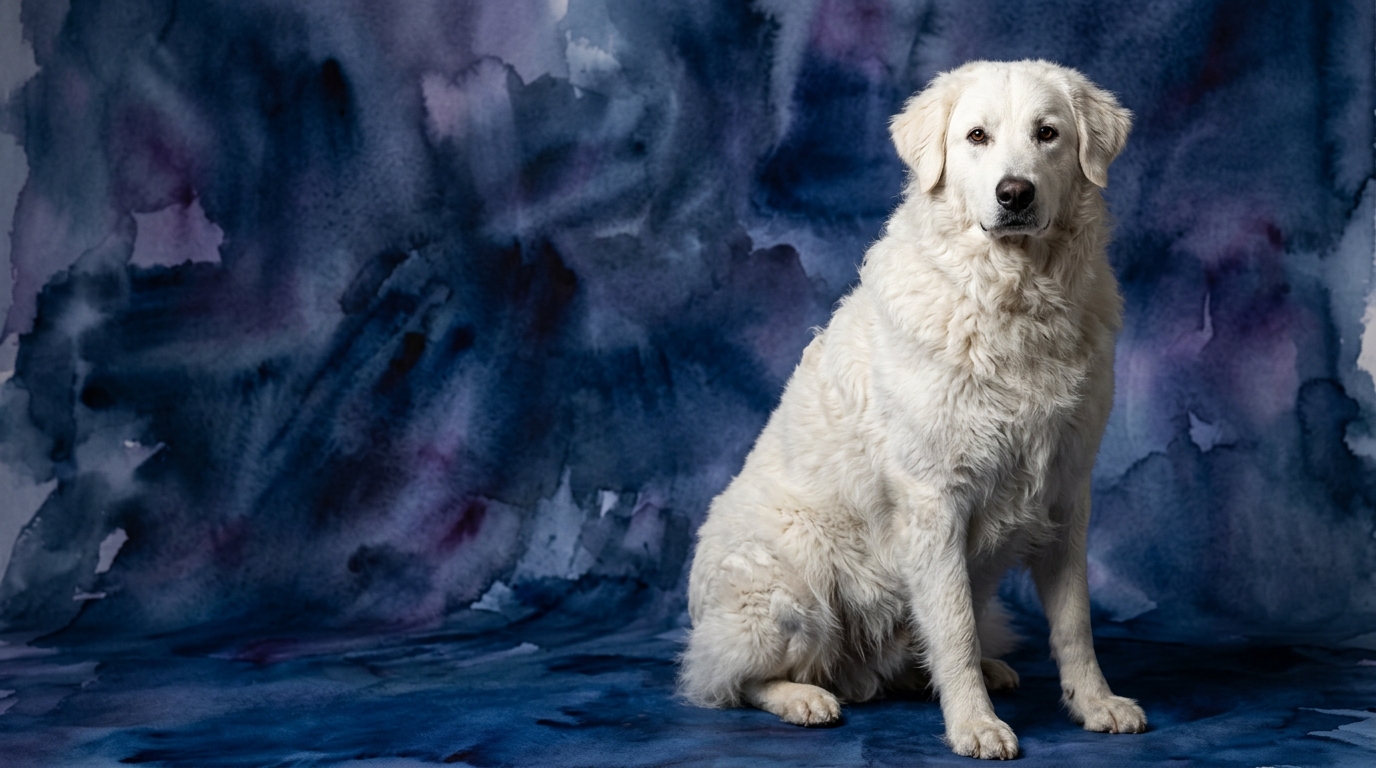
The Kuvasz, a venerable livestock guardian, registers a Coren rank of #42, placing it squarely in the 'Above Average Working/Obedience Intelligence' category. Our Pet IQ Lab assessment scores for the Kuvasz include Problem Solving 3/5, Training Speed 3/5, Social Intelligence 3/5, Instinctive Drive 3/5, and a notable Memory of 4/5. This profile suggests a dog capable of complex thought, learning at a steady pace, understanding social cues, possessing inherent working drives, and retaining information exceptionally well over time.
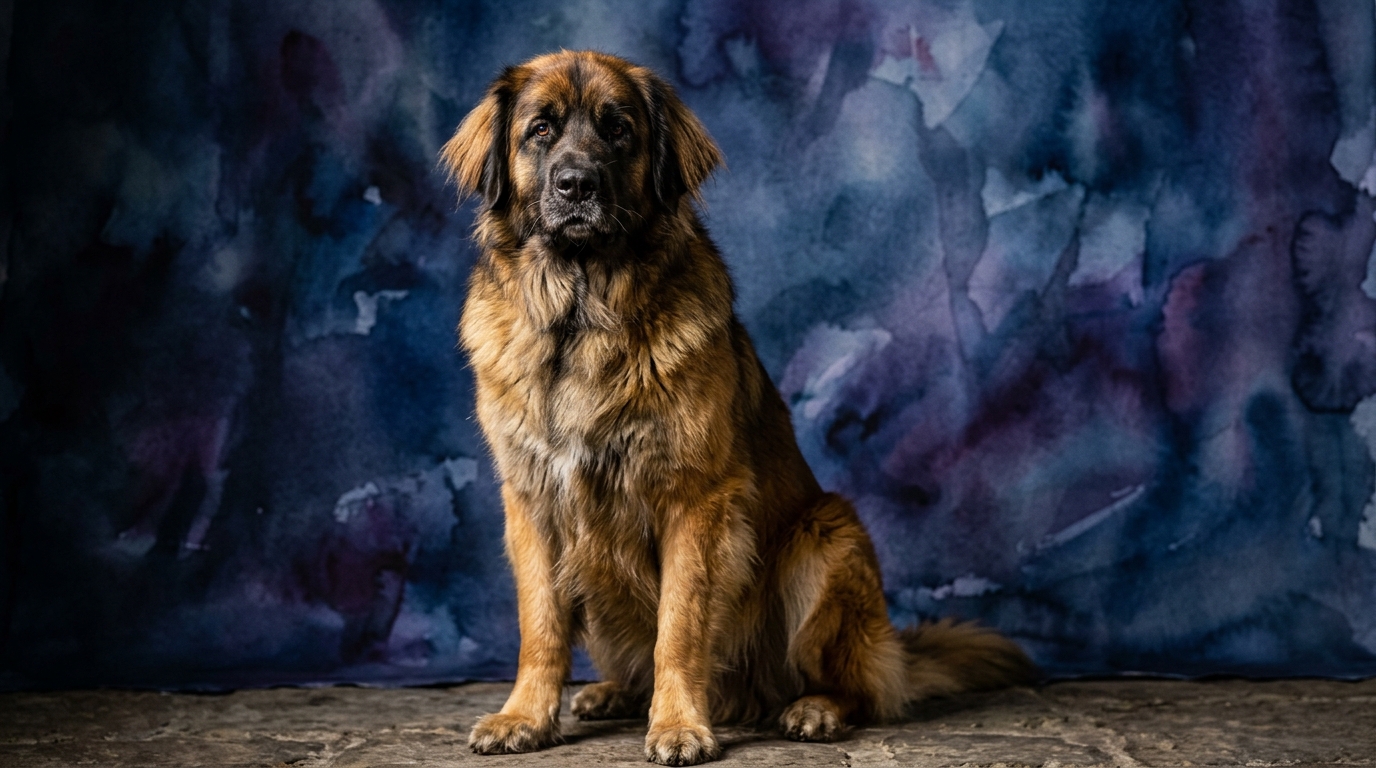
The Leonberger, while not Coren-ranked, presents a consistent cognitive profile across our Pet IQ Lab metrics: Problem Solving 3/5, Training Speed 3/5, Social Intelligence 3/5, Instinctive Drive 3/5, and Memory 3/5. These scores indicate a dog with a balanced and robust cognitive foundation, capable of moderate problem-solving, steady learning, good social understanding, and a manageable level of innate drives. The slight difference in memory score between the two breeds is a key point of distinction in this comparison.
Where the Kuvasz's Cognition Excels
The most significant cognitive advantage for the Kuvasz lies in its superior Memory, scoring 4/5 compared to the Leonberger's 3/5. This translates to a profound ability to retain learned commands, routines, and experiences over extended periods. A Kuvasz is likely to require fewer refreshers for commands mastered months ago and can remember complex sequences or specific individuals with remarkable clarity, an invaluable trait for its historical role as a vigilant guardian. This enhanced memory contributes to its reliability in remembering threats or safe boundaries within its territory.
Furthermore, the Kuvasz's Coren rank of #42 signifies an established capacity for understanding new commands with fewer repetitions (typically 25-40) and obeying them consistently. While its Training Speed is 3/5, its higher memory score ensures that once a command is learned, it is deeply ingrained. This combination supports a dog that, despite its independent nature, can become a highly reliable worker when properly motivated and consistently trained, leveraging its cognitive strengths for long-term retention of its duties and boundaries.
Where the Leonberger's Cognitive Profile Shines
While the Leonberger does not boast a higher score in any specific cognitive dimension than the Kuvasz, its strength lies in the consistent and balanced nature of its 3/5 scores across Problem Solving, Training Speed, Social Intelligence, Instinctive Drive, and Memory. This balanced profile suggests a dog with remarkable adaptability and a generally even-keeled temperament, making it well-suited for a variety of roles beyond its traditional working capacity, including family companionship and therapy work. Its consistent social intelligence allows for nuanced interactions.
The Leonberger's lack of a Coren rank should not be misinterpreted as a cognitive deficit; rather, it highlights a different emphasis in its development and utility. Its 3/5 in Social Intelligence, combined with its historical role as a versatile farm dog and companion, suggests a cognitive makeup geared towards cooperation and empathy. This balanced intelligence enables it to navigate social situations with grace and respond well to human companionship, often displaying a biddable nature that can make training feel more straightforward, even with a similar training speed score.
Ease of Training: Nuances Beyond Speed
When considering ease of training, both breeds score 3/5 for Training Speed, meaning they grasp new concepts at a moderate pace. However, their divergent memory scores and inherent temperaments create distinct training experiences. The Kuvasz, with its 4/5 memory, will retain commands and routines more effectively over the long term, reducing the need for constant re-teaching. Its independent nature, typical of a livestock guardian, means it often processes commands through the lens of its own judgment and protective instincts. Training a Kuvasz requires immense patience, consistency, and a deep understanding of its self-reliant mindset; while it learns, it may not always comply if it deems a command unnecessary or conflicting with its perceived duties.
The Leonberger, with its 3/5 memory, requires more consistent reinforcement to ensure long-term retention. However, its 3/5 Social Intelligence and generally more cooperative disposition often make it a more willing participant in training sessions. Leonbergers are typically eager to please their human companions, which can make them *feel* easier to train initially, as they are more inclined to follow direction. Their less intense instinctive drive compared to the guardian Kuvasz means fewer battles against ingrained protective behaviors, resulting in a more straightforward and often more rewarding training journey for many owners seeking a compliant companion.
Matching Canine Cognition to Owner Lifestyles
For active owners seeking a canine partner with a strong sense of purpose and independent thought, the Kuvasz is a compelling choice. While not necessarily requiring miles of running, it thrives on mental engagement, consistent structure, and a clear understanding of its 'job,' whether that's guarding property or being a vigilant family protector. Owners must be actively involved in managing its formidable intelligence and independent decision-making, providing consistent boundaries and early, thorough socialization. Its exceptional memory makes it a reliable partner for complex routines, but its independent spirit means it's not a dog for passive ownership.
The Leonberger, with its balanced cognitive profile and cooperative nature, suits owners who can provide consistent, moderate activity and value a large, companionable dog deeply integrated into family life. Its balanced social intelligence and instinctive drive make it adaptable to various family dynamics and activities, from leisurely walks to participating in dog sports or water rescue. Relaxed owners, who are consistent with training and provide ample positive reinforcement, will find the Leonberger's eagerness to please and steady cognitive abilities a rewarding match, offering a robust and affectionate presence without the intense independent drive of a pure guardian.
The Verdict
Choose the Kuvasz for an owner seeking a vigilant guardian with exceptional long-term memory for patterns and routines, willing to invest in consistent, patient training for an independent thinker.
Choose the Leonberger for an owner desiring a large, cooperative companion capable of various tasks, who values consistent, positive reinforcement for a dog with balanced cognitive abilities.
🧠 Find Your Pet's IQ Score
Our Pet IQ Lab assessment covers 25+ tests across 5 cognitive dimensions — personalized to your breed.
Take the Full IQ Test →Frequently Asked Questions
Do Kuvasz and Leonbergers make good family pets?
Both breeds can thrive in family environments with proper socialization and training, but their guardian instincts (Kuvasz) and gentle giant nature (Leonberger) mean different considerations for interactions with children and strangers. The Kuvasz requires more management due to its protective drive, while the Leonberger is generally more openly social and adaptable to family life.
What kind of mental stimulation do these breeds need?
Both benefit from regular mental challenges. Kuvasz appreciate tasks that engage their problem-solving and memory, like 'find it' games or scent work, alongside their natural guarding duties. Leonbergers thrive on obedience training, puzzle toys, and activities that involve cooperation and social interaction, often enjoying activities like drafting or water rescue.
How do their Coren rankings (or lack thereof) impact daily life?
The Kuvasz's Coren rank suggests a capacity for learning basic obedience commands relatively quickly, meaning fewer repetitions for initial mastery and strong retention. For the Leonberger, the absence of a Coren rank doesn't imply a lack of intelligence, but rather that its cognitive strengths might be expressed differently, perhaps in more nuanced social understanding or adaptability, requiring owners to focus on consistent, positive reinforcement rather than expecting rapid formal obedience.