Side-by-Side IQ Profile
To truly understand the cognitive landscape of the Kuvasz and Norwich Terrier, we must delve into their individual IQ dimensions, recognizing how similar scores can translate into vastly different applications. The Cosmic Pet Pet IQ Lab employs a five-dimensional framework to assess canine intelligence, offering a nuanced perspective beyond simple obedience.
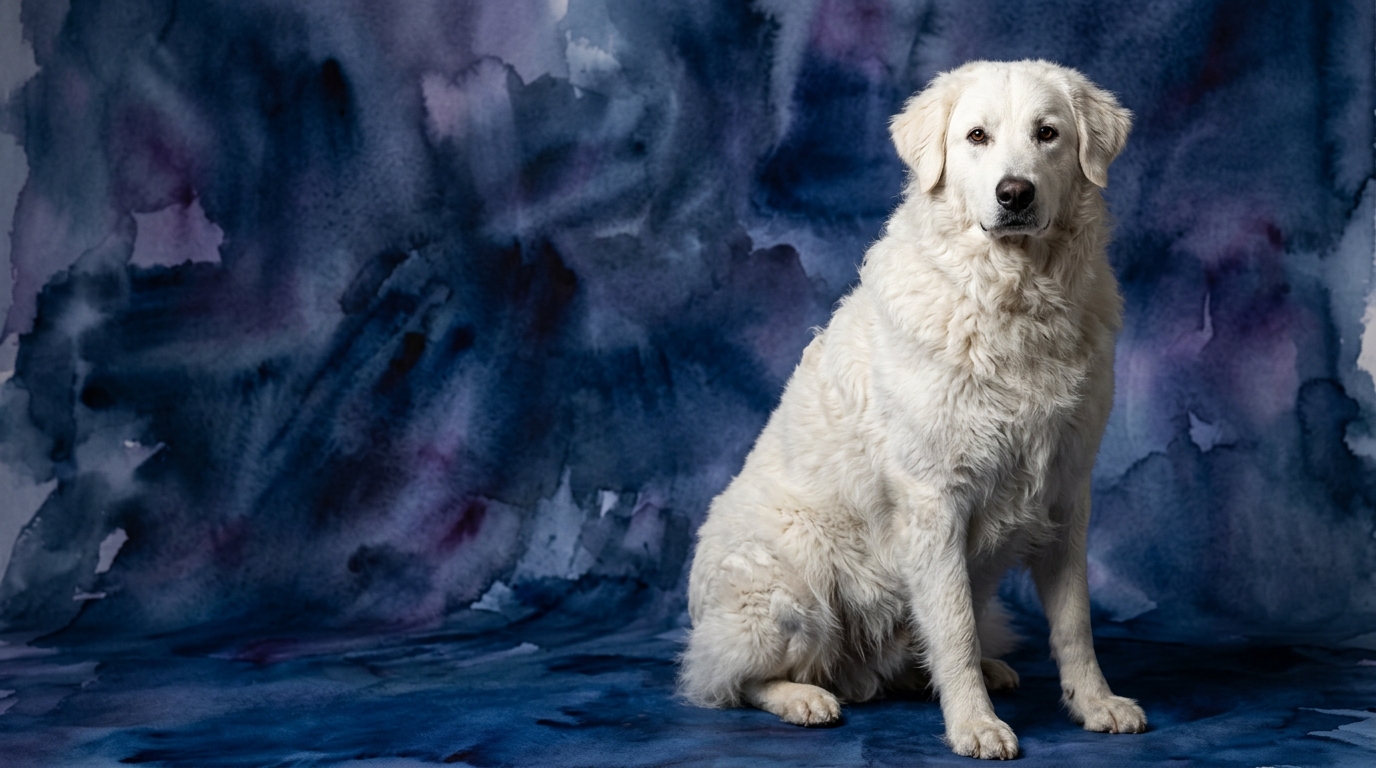
For the Kuvasz, an ancient livestock guardian ranked #42 by Coren, its profile speaks of thoughtful independence and robust memory. Its Problem Solving score of 3/5 indicates a moderate capacity for navigating novel situations and devising solutions, essential for assessing threats and finding optimal strategies to deter intruders autonomously. Its Training Speed, also 3/5, suggests it learns new commands at a moderate pace, often weighing directives against its own judgment or perceived duty, thus requiring consistent, patient guidance. In Social Intelligence, scoring 3/5, the Kuvasz exhibits an average ability to interpret human cues, crucial for discerning trusted individuals from strangers in its protective role. Its Instinctive Drive, at 3/5, primarily underpins its profound protective instincts, driving unwavering territorial patrolling and vigilance. The standout feature is its Memory, rated at 4/5. This superior recall enables it to retain complex information over long periods, remembering commands, routines, and past interactions with remarkable accuracy, invaluable for long-term oversight of property and livestock.
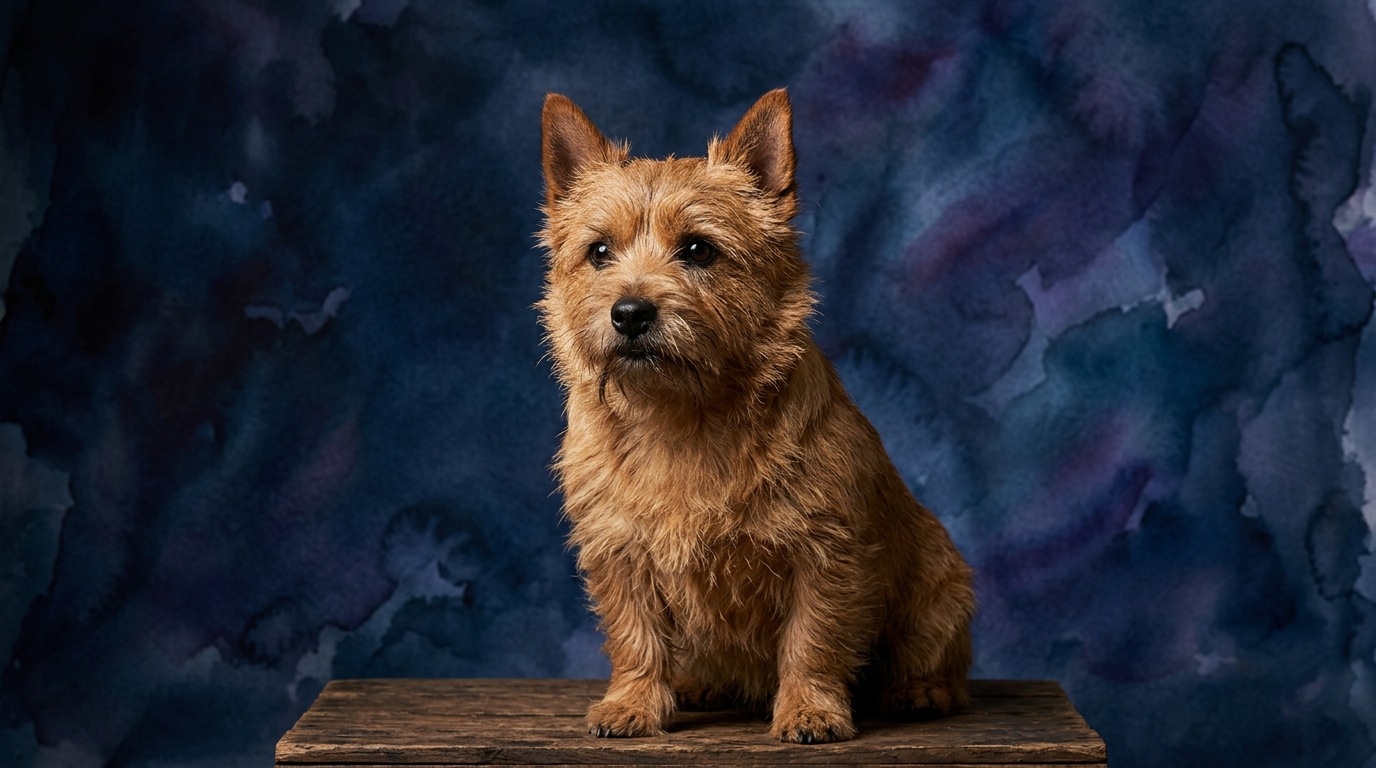
Turning to the Norwich Terrier, a plucky breed not included in Coren’s ranking, we see a profile that, while numerically similar, reflects a distinctly different application of intelligence. Its Problem Solving score of 3/5 signifies a moderate ability to overcome obstacles, often applied with terrier tenacity to tasks like accessing tight spaces or outsmarting burrowing animals. Its Training Speed, also 3/5, indicates similar learning pace to the Kuvasz, but influenced by its spirited, sometimes stubborn, terrier nature, requiring engaging and varied methods. In Social Intelligence, scoring 3/5, the Norwich displays an average capacity for understanding social cues, integrating well into family dynamics with its assertive personality. Its Instinctive Drive, at 3/5, is strongly geared towards its historical role as a vermin hunter, fueling enthusiasm for digging, chasing, and exploring. Finally, its Memory, rated at 3/5, indicates an average capacity for retaining information, effective for daily commands but benefiting from consistent reinforcement.
Where Kuvasz Wins Cognitively
The Kuvasz’s cognitive edge is most apparent in its superior memory, scoring 4/5 compared to the Norwich Terrier’s 3/5. This enhanced recall is not merely an academic advantage; it is fundamental to their historical role as livestock guardians. A Kuvasz can retain a vast mental map of its territory, remembering specific boundaries, safe individuals, and potential threats encountered over extended periods. This enduring memory allows them to consistently apply learned rules and past experiences to new situations, ensuring reliable protection without constant human supervision. For instance, they remember which animals belong to their flock, which humans are trusted visitors, and the times of day certain activities occur, building a sophisticated understanding of their environment crucial for autonomous decision-making in a guardian capacity. This deep memory contributes to their steadfastness and predictability in their protective duties, making them a formidable and consistent presence.
Where Norwich Terrier Wins Cognitively
While the Norwich Terrier generally matches the Kuvasz in most cognitive dimensions, its 'win' lies in the focused application of its abilities, particularly in areas related to its terrier instincts. Their 3/5 in Problem Solving and Instinctive Drive, combined with their compact size and relentless determination, allows them to excel in tasks requiring focused persistence. For instance, a Norwich Terrier might demonstrate superior effectiveness in navigating complex burrow systems or in sustained pursuit of small prey, where their tenacity and physical agility amplify their problem-solving skills in a specific context. Their ability to maintain intense focus on a task, even if it requires repeated attempts or intricate maneuvers in confined spaces, is a testament to how their cognitive scores are perfectly suited for their historical vermin control duties. This specific, goal-oriented application of their intelligence, driven by their powerful instinctive drive, gives them an edge in scenarios demanding relentless, targeted action rather than broad, overarching vigilance.
Which Is Easier to Train and Why
Assessing which breed is 'easier' to train requires understanding their motivations and inherent drives, as both the Kuvasz and Norwich Terrier score an identical 3/5 in Training Speed. This suggests neither is inherently quick to pick up commands without consistent effort. The Kuvasz, with its independent and often self-reliant guardian nature, approaches training with a thoughtful, sometimes questioning demeanor. They are capable of learning, but their primary loyalty is to their perceived duty, not always immediate human directives. Training a Kuvasz demands immense patience, clear communication, and establishing a relationship built on mutual respect. Their independence means they might process a command and then decide if it aligns with their assessment of the situation, especially in protective scenarios. In contrast, the Norwich Terrier’s moderate training speed is often tempered by its strong-willed terrier personality and intense prey drive. They can be highly motivated by engaging training methods, especially those that tap into their natural instincts, but their focus can be easily diverted by environmental stimuli. Their tenacity, while valuable in their working role, can translate into stubbornness during training sessions if not properly channeled. Therefore, while both require dedication, training the Kuvasz often involves managing their independent judgment, whereas training the Norwich involves harnessing and redirecting their intense, sometimes impulsive, terrier energy.
Which Suits Active Owners vs. Relaxed Owners
The suitability of each breed for active versus relaxed owners hinges significantly on their inherent needs and temperament. The Kuvasz, despite its moderate scores in activity-related dimensions, is unequivocally better suited for active owners who can provide ample space, consistent mental stimulation, and clear leadership. As a large working breed with strong protective instincts, they require daily exercise, not just for physical health but also to satisfy their need for patrolling and monitoring. Their independent problem-solving (3/5) means they thrive when given 'jobs' or opportunities to engage their minds, even if it's just supervising their property. A relaxed owner unable to meet these needs might find a Kuvasz becoming bored, destructive, or overly assertive in their guardianship. Conversely, the Norwich Terrier, while possessing comparable Instinctive Drive (3/5) and Problem Solving (3/5), aligns better with moderately active owners. They are energetic and require daily walks and opportunities for off-leash exploration in secure areas to satisfy their terrier instincts, but their smaller size means their exercise requirements are less demanding than a Kuvasz. Their strong prey drive means they enjoy activities like fetch or earthdog trials, which engage their natural hunting instincts. They can adapt well to apartment living with sufficient daily outings, making them more versatile for owners who enjoy activity but don't live on a sprawling estate.
The Verdict
Choose the Kuvasz if you are an experienced, active owner with a large, secure property, ready to commit to consistent training and respect their independent, protective nature. Their exceptional memory makes them reliable guardians for those seeking a steadfast, autonomous protector.
Choose the Norwich Terrier if you are a moderately active owner looking for a tenacious, spirited companion that thrives on engagement and purposeful activity, even in smaller living spaces. Their focused problem-solving and instinctive drive make them excellent partners for those who appreciate a spirited, task-oriented dog.
🧠 Find Your Pet's IQ Score
Our Pet IQ Lab assessment covers 25+ tests across 5 cognitive dimensions — personalized to your breed.
Take the Full IQ Test →Frequently Asked Questions
Are Kuvasz dogs difficult to train?
With a Training Speed of 3/5, Kuvasz dogs are not inherently difficult but require consistent, patient training due to their independent nature. They often weigh commands against their own judgment, especially in their guardian role, demanding a relationship built on trust and clear communication rather than strict obedience.
Do Norwich Terriers bark a lot?
Norwich Terriers, like many terriers, can be prone to barking due to their strong instinctive drive (3/5) and vigilant nature. They often bark to alert their owners to new sights or sounds, or when their prey drive is stimulated, so consistent training is key to managing this behavior.
Which breed is better with children?
Both breeds can be good with children, but require proper socialization and supervision. A Kuvasz's protective instincts mean they can be gentle guardians but need to learn appropriate boundaries, while a Norwich Terrier's robust, playful nature needs to be guided to ensure respectful interactions, especially with very young children.