Side-by-Side Cognitive Profiles
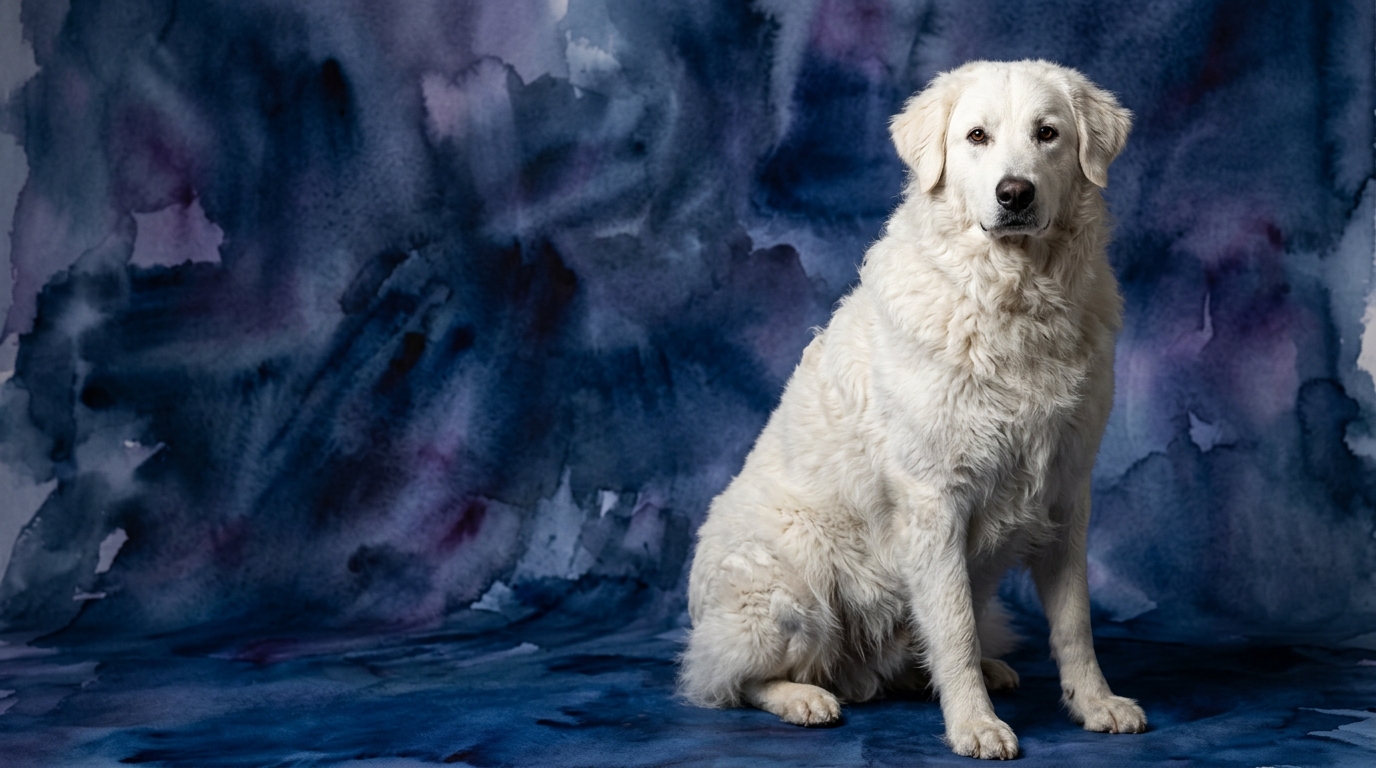
The Cosmic Pet IQ Lab assesses canine intelligence across five key dimensions, providing a granular view of each breed's cognitive architecture. For the Kuvasz, a majestic Working dog with a Coren ranking of #42, its profile reflects a dedicated guardian. Its Problem Solving is rated 3/5, indicating a moderate capacity for independent thought in practical, situational contexts, often tied to its protective duties. Training Speed also stands at 3/5, suggesting a reliable but not instantaneous learning pace, requiring consistent and purposeful methods. Social Intelligence is 3/5, manifesting as a discerning nature, particularly within its family unit, with a cautious approach to unfamiliar individuals. The Kuvasz's Instinctive Drive is 3/5, centered heavily on its innate need to protect its perceived flock or family. Where it truly shines is in Memory, earning a robust 4/5, indicating a strong ability to retain lessons, boundaries, and routines over time.
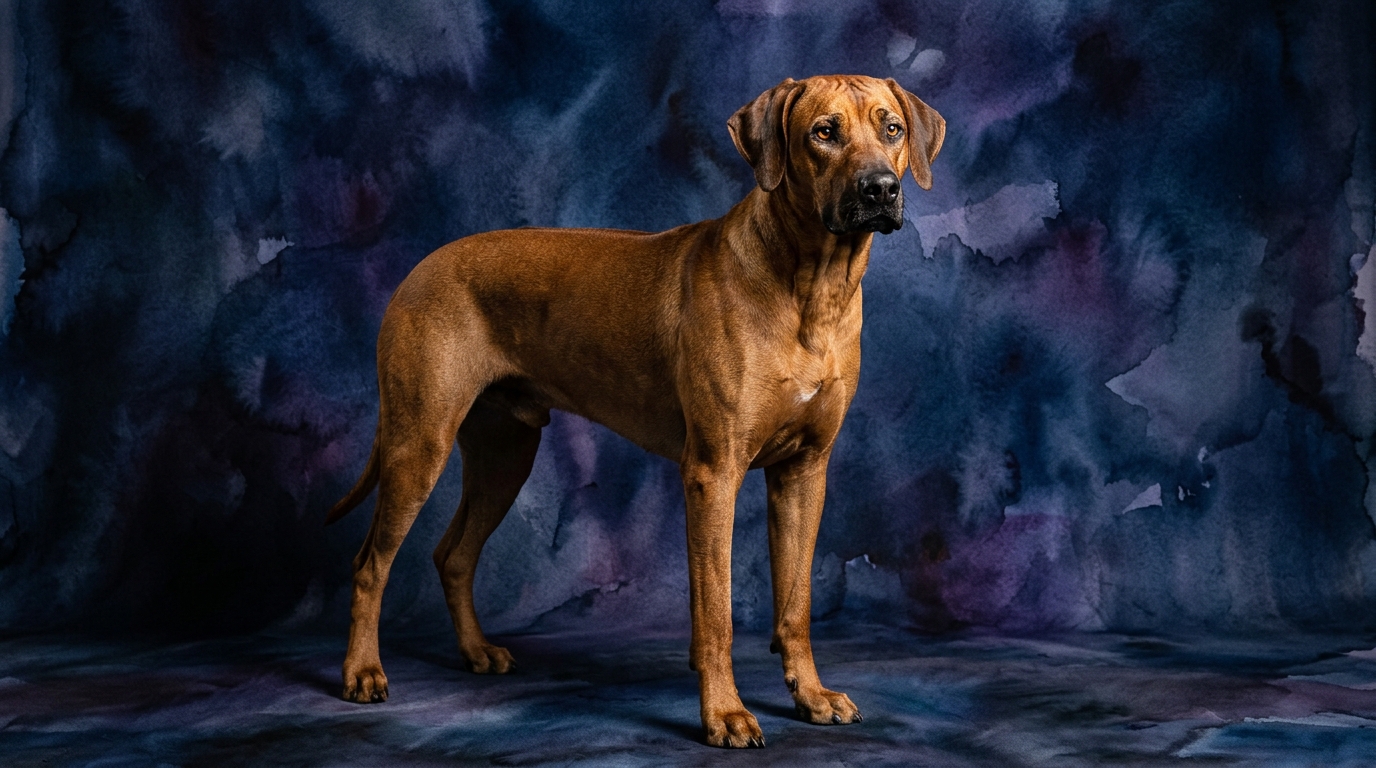
In contrast, the Rhodesian Ridgeback, a dignified Hound breed ranked #52 by Coren, presents a subtly different cognitive blueprint. Its Problem Solving is rated 3/5, reflecting a moderate ability to navigate challenges, often with an independent streak aimed at achieving its own desires or overcoming physical obstacles. Training Speed is also 3/5, meaning it learns steadily with engaging methods, though its independent spirit can sometimes lead to selective responsiveness. Social Intelligence registers at 3/5, where it forms deep bonds with its family while maintaining a reserved, observant demeanor towards strangers. The Ridgeback's Instinctive Drive is 3/5, rooted in its historical role as a hunting companion, manifesting as a strong desire to track, chase, and explore. Its Memory is rated 3/5, indicating a solid capacity for retaining information when consistently reinforced, though perhaps not with the same enduring recall as the Kuvasz.
Where the Kuvasz Wins Cognitively
The Kuvasz holds a distinct cognitive edge primarily in its superior memory, scoring 4/5 compared to the Rhodesian Ridgeback's 3/5. This enhanced recall capability is not merely academic; it translates directly into practical advantages for owners. A Kuvasz is more adept at retaining complex sequences of commands, established household rules, and the identities of accepted family members versus perceived outsiders over extended periods. For a breed whose historical role relies on independent decision-making within a defined territory, remembering who belongs and what the boundaries are is paramount. This robust memory means that once a Kuvasz has learned a behavior or rule, it is less likely to 'forget' it, requiring fewer refresher sessions for core concepts. This isn't about raw processing speed, but about the durability and consistency of their learned knowledge, making them exceptionally reliable in maintaining established routines and protocols within their environment.
Where the Rhodesian Ridgeback Wins Cognitively
While both breeds share similar ratings across most cognitive dimensions, the Rhodesian Ridgeback's Instinctive Drive, rated 3/5, manifests with a unique intensity and direction that can be considered a cognitive strength for specific types of engagement. Derived from its history as a pursuit breed, this drive is often channeled into sustained tracking, exploration, and problem-solving related to scent work or navigating varied, challenging environments. This means a Ridgeback often exhibits a deeper and more persistent engagement with sensory challenges and a remarkable focus when following a trail or investigating novel stimuli. Unlike the Kuvasz's protective drive, the Ridgeback's drive is geared towards active discovery and pursuit, making them excel in activities that appeal to their natural inclination for exploration. This focused, persistent drive, when properly channeled, allows them to demonstrate remarkable endurance and determination in tasks that might not appeal as strongly to a guardian breed, offering a different kind of cognitive prowess centered on engagement with the physical world.
Which Is Easier to Train and Why?
Neither the Kuvasz nor the Rhodesian Ridgeback can be categorized as 'easy' to train in the conventional sense, as both possess a moderate Training Speed (3/5) and a strong sense of independence. However, their distinct cognitive profiles lead to different training approaches and perceived 'ease.' The Kuvasz's superior Memory (4/5) provides a subtle advantage in long-term retention. Once a Kuvasz grasps a command or a boundary, it is more likely to recall it consistently over time, making learned behaviors more durable. Their independence, while sometimes posing a challenge during initial instruction, is rooted in their expectation to make decisions in their guardian role. Effective Kuvasz training requires clear communication, consistency, and demonstrating the logical purpose behind a command to appeal to their discerning nature.
Conversely, the Rhodesian Ridgeback, with its powerful Instinctive Drive (3/5) for tracking and pursuit, can be more easily distracted by environmental stimuli during training sessions. Their independent hound nature means they might prioritize an interesting scent or visual over an owner's command, even if they understand it. Training a Ridgeback demands high-value rewards, dynamic engagement, and making the training experience more compelling than external distractions, often by incorporating elements of their natural exploratory drive. Therefore, while both require committed effort, the Kuvasz’s robust memory can lead to more reliable, long-term adherence to learned behaviors, whereas the Ridgeback’s training often involves continuous creativity and motivation to harness their independent, exploratory impulses effectively.
Suitability for Active vs. Relaxed Owners
For truly active owners seeking a canine partner for endurance and exploration, the Rhodesian Ridgeback often presents a more natural fit. Their hound heritage and Instinctive Drive (3/5) for pursuit mean they flourish with long runs, extensive hikes, and activities that engage their keen senses and provide a substantial physical and mental outlet. They possess a stamina that can readily match an owner's desire for consistent, vigorous exercise, making them excellent companions for varied outdoor adventures where discovery is a key component.
Relaxed owners, or those whose activity is more structured and less intensely physical, might find the Kuvasz a more suitable, though still demanding, choice, provided they understand the breed's specific needs. While the Kuvasz also requires regular exercise, their nature as a guardian breed means their activity is often more about patrolling, observing, and maintaining their territory rather than continuous, high-intensity exertion. Their Instinctive Drive (3/5) is primarily protective, making them content with structured walks and opportunities to survey their domain from a vantage point. However, 'relaxed' for a Kuvasz owner still entails being highly attentive to their mental stimulation needs and consistent socialization to manage their protective instincts, ensuring they remain discerning and calm rather than overly suspicious. Neither breed is appropriate for a truly sedentary lifestyle, but the *type* of activity they thrive on differs significantly.
The Verdict
Choose a Kuvasz if you value a steadfast guardian with an exceptional memory for boundaries and routines, and are prepared for an independent thinker whose loyalty is earned through consistent, purposeful interaction.
Opt for a Rhodesian Ridgeback if you seek an adventurous companion for active pursuits, appreciating their independent problem-solving and persistent drive, and are ready to engage their exploratory spirit with varied activities.
🧠 Find Your Pet's IQ Score
Our Pet IQ Lab assessment covers 25+ tests across 5 cognitive dimensions — personalized to your breed.
Take the Full IQ Test →Frequently Asked Questions
Do Kuvasz or Rhodesian Ridgebacks learn complex tasks more readily?
Neither breed is noted for exceptional speed in learning complex tasks, both rated 3/5 for training speed. The Kuvasz's strong memory helps retain complex sequences once mastered, while the Ridgeback's independent nature means they might weigh the value of the task against their own inclinations, requiring high motivation.
How does social intelligence differ between these two guardian breeds?
Both breeds rate 3/5 in social intelligence, but their expression differs. The Kuvasz's social intelligence is often geared towards discerning threats within its territory, leading to a reserved nature. The Ridgeback forms deep family bonds and reads familiar cues well, but also maintains a dignified aloofness towards strangers, a nuanced distinction.
Which breed is more prone to independent decision-making?
Both breeds exhibit significant independence, rated 3/5 for problem-solving. The Kuvasz's independence stems from its historical role of making protection decisions without human input, while the Rhodesian Ridgeback's independence is often linked to its hound heritage, where tracking and pursuit required self-reliance.