
Side-by-Side IQ Profile: Guardian vs. Companion Cognition
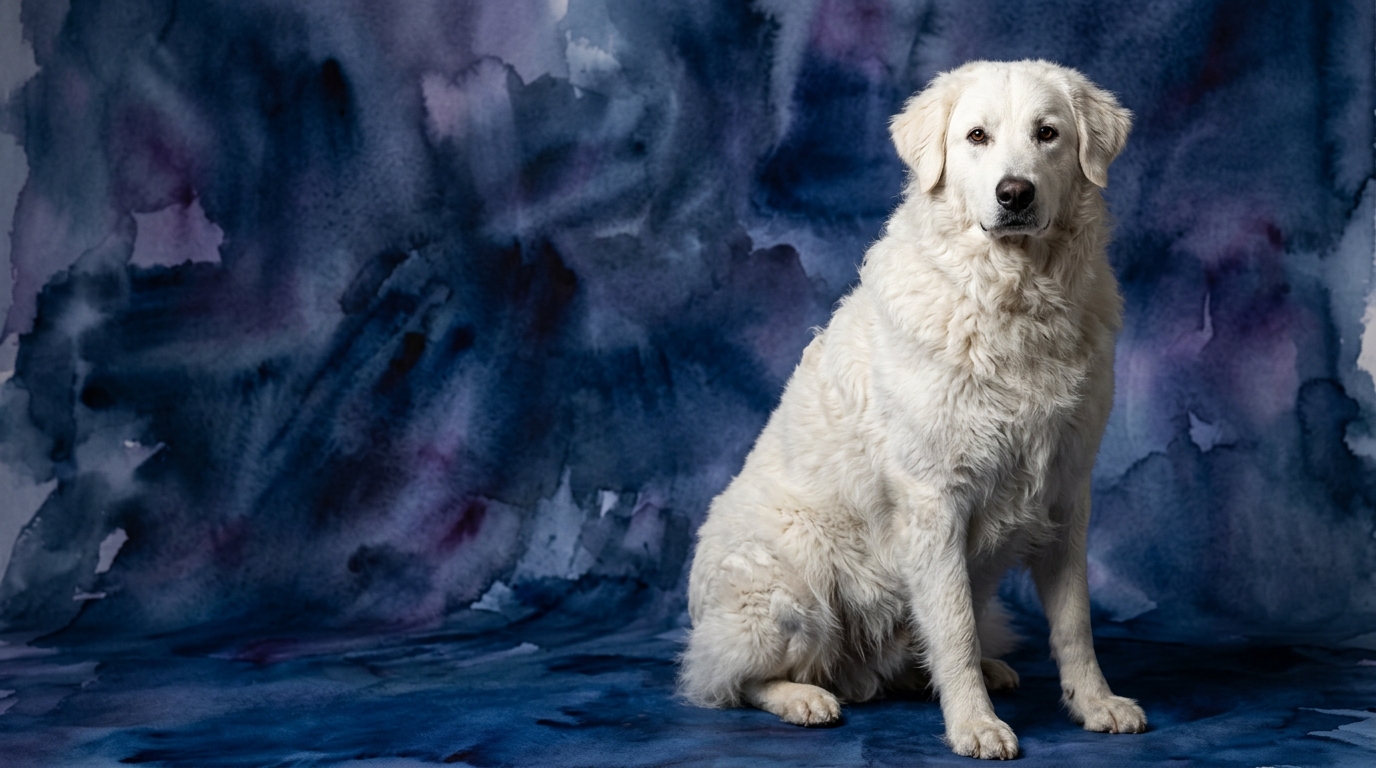
The Kuvasz, a majestic Working breed, historically tasked with livestock guarding, exhibits a cognitive makeup tailored for independence and vigilance. Their Problem Solving is rated 3/5, indicating a capacity for navigating complex environmental challenges without constant human direction, crucial for their historical role. Training Speed also sits at 3/5, reflecting a dog that learns but might require consistent, patient guidance due to their self-reliant nature. Social Intelligence, at 3/5, suggests they are capable of understanding human cues but often prioritize their own assessment of a situation. Instinctive Drive, also 3/5, points to their inherent motivation for protection and vigilance, a core aspect of their being. A standout trait for the Kuvasz is their Memory, scoring 4/5, which enables them to retain complex patterns, remember individuals, and recall threats over long periods, vital for effective guardianship. They hold a Coren rank of #42, placing them in the average working intelligence category.
In stark contrast, the Russian Toy, a delicate Toy breed, was developed primarily for companionship, influencing a different set of cognitive priorities. Their Problem Solving is rated 3/5, demonstrating an ability to figure out common household puzzles or desired behaviors, albeit perhaps on a smaller scale than their Working counterparts. Training Speed matches the Kuvasz at 3/5, suggesting they are equally capable of learning commands and routines, often motivated by positive interaction. Their Social Intelligence also scores 3/5, indicating a strong capacity for bonding and understanding the emotional states of their human family members, essential for a companion breed. Instinctive Drive, at 3/5, is geared more towards interaction and play rather than protective tasks, reflecting their companion heritage. The Russian Toy's Memory is rated 3/5, allowing them to recall learned behaviors and familiar people, though perhaps not with the same depth or duration as the Kuvasz. Notably, the Russian Toy is not specifically Coren-ranked, which is common for many toy breeds whose primary function isn't complex task performance.
Where Kuvasz Wins Cognitively: The Power of Recall and Purpose
The Kuvasz clearly holds an edge in Memory, scoring 4/5 compared to the Russian Toy's 3/5. This enhanced memory is not merely about recalling a 'sit' command; for the Kuvasz, it translates into a profound ability to map their territory, remember the faces and scents of trusted individuals, and retain knowledge of potential threats or changes in their environment. A Kuvasz can likely remember a specific person who visited months ago and their interaction, or recall the exact location of a perceived anomaly on their patrol route with greater fidelity. This superior recall allows them to build a comprehensive mental database of their world, which is crucial for their role as an independent guardian, enabling them to make informed decisions based on past experiences without constant human intervention. Their strong instinctive drive, while rated equally, is channeled into specific, complex behaviors like assessing threats and independent decision-making, which requires a higher cognitive load to manage effectively in real-world scenarios.
Where Russian Toy Wins Cognitively: Adaptability and Focused Social Acuity
While the Russian Toy's raw scores are largely on par with or slightly lower than the Kuvasz, their cognitive strengths shine in their specific context. The Russian Toy's 3/5 in Problem Solving and Training Speed, when combined with their strong desire for human interaction, makes them exceptionally adept at navigating the social intricacies of a domestic environment. Unlike the Kuvasz, whose problem-solving is often applied to complex, large-scale outdoor scenarios, the Russian Toy's intellect is honed for understanding household routines, learning numerous tricks for attention, and deciphering subtle human emotional cues. Their 3/5 Social Intelligence, for a breed designed solely for companionship, means they are often highly attuned to their owners' moods and can adapt their behavior to maintain harmony and closeness, a form of cognitive flexibility essential for their role. This focused application of their cognitive abilities allows them to excel in areas crucial for a beloved house pet, where intense independence is less valued than charming compliance and emotional responsiveness.
Which is Easier to Train and Why: Independence vs. Eagerness to Please
Determining which breed is 'easier' to train involves understanding their core motivations and inherent behavioral differences. The Kuvasz, with their 3/5 Training Speed and strong independent streak, can present a challenge. Their historical role demanded critical thinking and decision-making separate from human input. This means they often assess commands, not necessarily out of defiance, but from a deeply ingrained need to determine if the instruction aligns with their own perceived purpose or safety. Training a Kuvasz requires immense patience, consistency, and a deep understanding of their guardian mentality, often focusing on building trust and demonstrating the 'why' behind a command rather than simple repetition. While their 4/5 Memory aids in retaining learned behaviors, their initial willingness to comply might be slower due to their independent problem-solving approach.
The Russian Toy, conversely, with their matching 3/5 Training Speed but strong social intelligence, is often perceived as more eager to please their human companions. Their instinctive drive is oriented towards interaction and forming close bonds, making them highly receptive to positive reinforcement and praise. While their memory is 3/5, which means they might require a bit more repetition than a Kuvasz for long-term retention of complex sequences, their innate desire to be near and interact with their owner often translates into a more enthusiastic and cooperative training partner. Their smaller stature also means that their 'willful' moments are far easier to manage physically, contributing to a smoother training experience for many novice owners, focusing on consistency and rewards to build good habits.
Suited Owners: Active Engagement vs. Focused Companionship
The Kuvasz is best suited for active, experienced owners who appreciate and can manage a dog with a profound sense of independence and purpose. These owners must be prepared to provide extensive mental stimulation that taps into the Kuvasz's instinctive drive for guardianship, perhaps through advanced obedience, scent work, or even real-world 'patrol' duties around a large property. Physical activity is also crucial, demanding owners who can provide daily opportunities for vigorous exercise in a secure environment. Owners of a Kuvasz must be committed to consistent, positive, and firm training from an early age, understanding that their dog will often think for itself and might not always comply immediately. They thrive with owners who can integrate them into a family while respecting their inherent need for a 'job' and personal space, making them ideal for those seeking a dedicated, watchful protector with a discerning mind.
The Russian Toy, on the other hand, thrives with owners who seek focused companionship and enjoy engaging in interactive play and trick training. While they are energetic and enjoy walks, their physical exercise needs can often be met in smaller spaces, making them suitable for urban living or less active households. What they truly crave is mental engagement through interaction with their humans – learning new tricks, puzzle toys, and being an integral part of daily family life. Their social intelligence makes them excellent emotional barometers, responding well to owners who are attentive and consistent with positive reinforcement. They are ideal for individuals or families who desire a portable, affectionate, and responsive companion who can be easily involved in daily activities, and who enjoy the mental stimulation that comes from teaching a clever, small dog a variety of behaviors and routines.
The Verdict
Choose a Kuvasz if you are an experienced owner seeking an independent, watchful protector with exceptional memory and a strong sense of purpose, prepared for extensive training and mental engagement.
Opt for a Russian Toy if you desire a highly interactive, adaptable companion who excels in domestic social settings and thrives on close human connection and engaging, positive reinforcement training.
🧠 Find Your Pet's IQ Score
Our Pet IQ Lab assessment covers 25+ tests across 5 cognitive dimensions — personalized to your breed.
Take the Full IQ Test →Frequently Asked Questions
Does the Kuvasz's higher memory score make them easier to train?
While the Kuvasz's 4/5 memory helps with long-term retention of commands, their independent nature and 3/5 training speed mean initial training can be challenging. They often require a handler who understands their need to assess situations rather than blindly obey, making consistency and trust-building paramount.
Are Russian Toys less capable cognitively because they are not Coren-ranked?
Not at all; the absence of a Coren ranking for the Russian Toy simply reflects that their primary historical role wasn't focused on complex working tasks, which Coren's ranking primarily assesses. Their cognitive strengths are geared towards companionship, where their problem-solving and social intelligence are highly effective in a domestic context.
How does 'Instinctive Drive' differ between these two breeds with the same score?
Though both score 3/5, their instinctive drives are channeled differently: the Kuvasz's drive is for independent guardianship and protection, demanding complex decision-making in often solitary situations. The Russian Toy's drive focuses on social interaction, play, and close bonding, requiring a different kind of cognitive processing for nuanced social cues and engagement within a family unit.