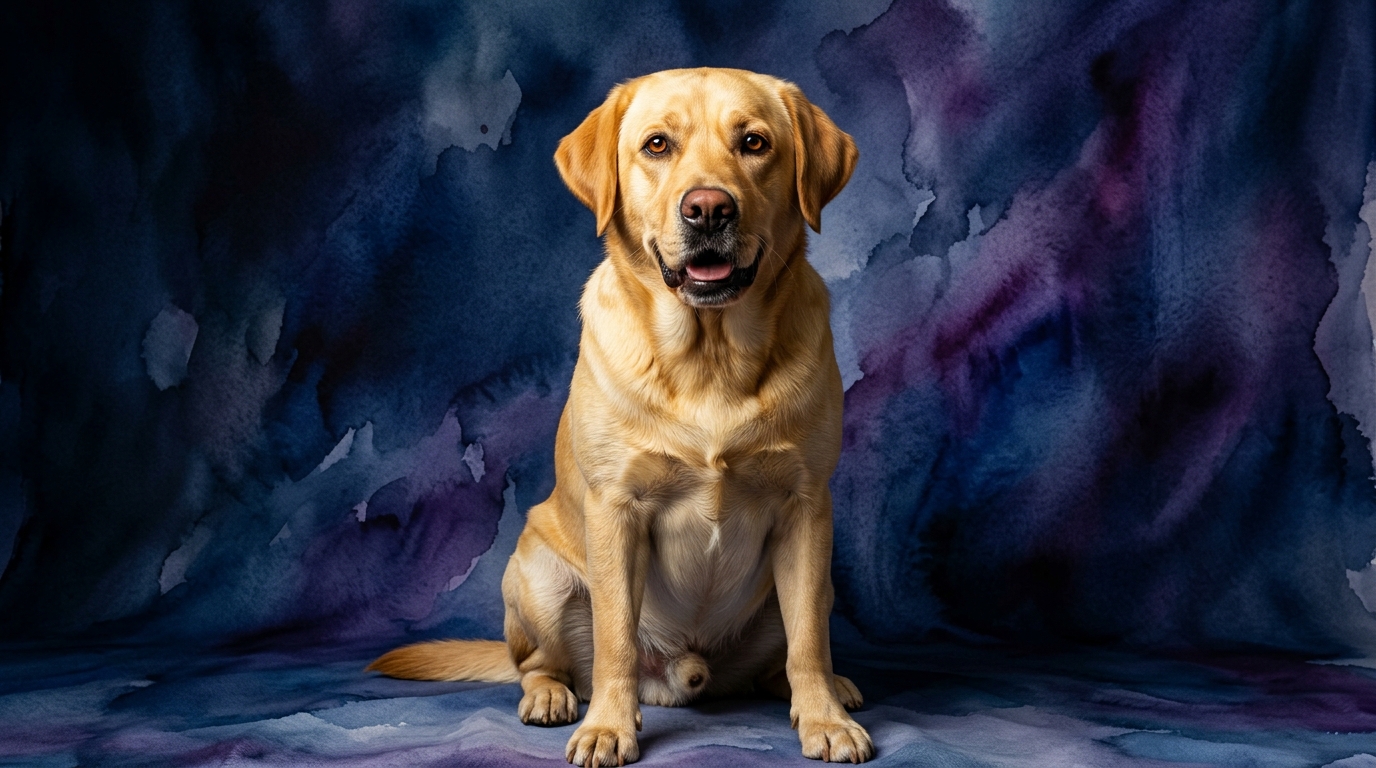
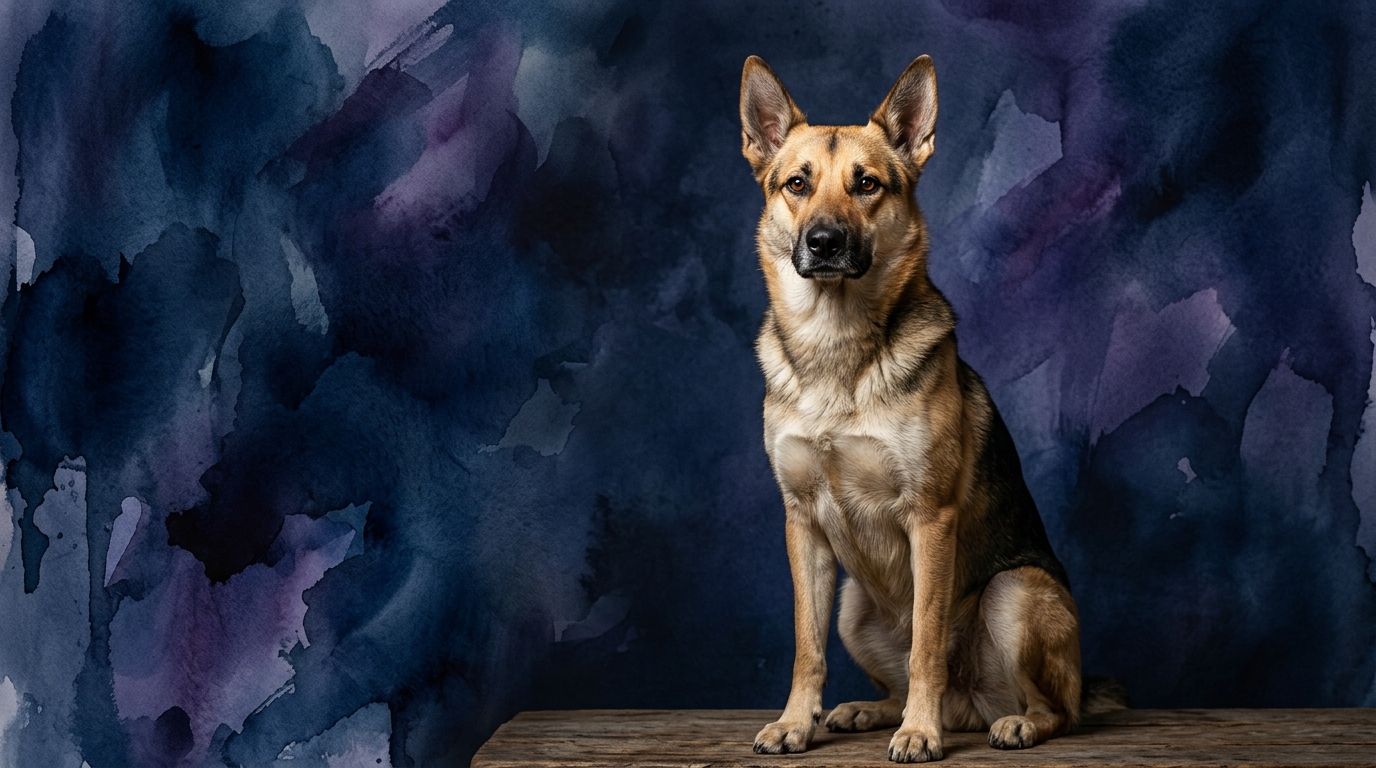
Side-by-Side Cognitive Profiles
The Labrador Retriever's cognitive profile paints a picture of a highly adaptable and cooperative canine. Their problem-solving scores 4/5, indicating a strong capacity to analyze novel situations and devise effective solutions, often involving human interaction. Training speed is an exceptional 5/5, meaning they grasp new commands and routines with remarkable swiftness, eager to engage and perform. Social intelligence also stands at a pinnacle 5/5, reflecting their profound ability to understand and respond to human cues, intentions, and emotional states, making them intuitive companions. Their instinctive drive, rated 4/5, is robust, manifesting as a strong retrieve drive and a desire to work alongside people. Finally, their memory is a solid 4/5, ensuring they retain learned behaviors and experiences over time.
In contrast, the Canaan Dog presents a cognitive architecture shaped by its heritage as a desert pariah and guardian. Their problem-solving ability is 3/5, suggesting they can navigate challenges independently, often relying on their own judgment rather than seeking human direction immediately. Training speed is 3/5; while capable of learning, they require more consistent and patient methods, as their motivation is often intrinsic rather than purely people-pleasing. Social intelligence scores 3/5, indicating an awareness of their human companions but with a more reserved and discerning approach to interaction compared to the effusive Labrador. Their instinctive drive is 3/5, focusing on guarding, territoriality, and self-preservation, distinct from the Lab's retrieving passion. Notably, their memory is 4/5, matching the Labrador, highlighting their capacity to remember experiences, people, and boundaries effectively.
Where the Labrador Retriever Excels Cognitively
The Labrador Retriever's cognitive strengths primarily lie in their exceptional social engagement and rapid learning. Their 5/5 social intelligence means they are acutely attuned to human emotions and desires, often anticipating needs or responding proactively to subtle cues. This profound connection underpins their success in roles requiring close partnership, such as assistance work or therapy, where understanding human nuance is paramount. Their 5/5 training speed is a direct consequence of this social acumen combined with an inherent desire to collaborate; they process information quickly and are highly motivated by positive reinforcement from their human counterparts. This allows them to master complex command sequences and adapt to varied environments with impressive efficiency.
Furthermore, the Labrador’s 4/5 problem-solving ability is frequently exercised in collaborative contexts. They excel at tasks that require understanding a goal set by a human and then working through steps to achieve it, whether it’s finding a hidden object on command or navigating an agility course. Their instinctive drive, at 4/5, fuels this engagement, providing the persistent energy and focus needed for prolonged training sessions or demanding tasks. This blend of social attunement, quick learning, and cooperative problem-solving makes the Labrador a remarkably versatile and responsive partner in a wide array of activities.
Where the Canaan Dog Shines Cognitively
The Canaan Dog's cognitive profile, while different from the Labrador, reveals strengths rooted in independence and environmental awareness. Their 4/5 memory score, matching the Labrador, indicates a strong capacity for retention, particularly regarding their territory, routines, and the people within their trusted circle. This robust memory contributes to their reliability as guardians, as they remember who belongs and who doesn't. Their 3/5 problem-solving, though lower than the Lab's, should be understood in the context of their historical role; they were required to make independent decisions to survive and protect, often without direct human instruction. This manifests as a resourceful approach to challenges, relying on their own judgment to assess situations and find solutions.
The Canaan Dog's 3/5 instinctive drive is primarily focused on vigilance and territorial protection, traits that demand keen observational skills and a discerning cognitive process. They are adept at scanning their environment, identifying potential threats, and reacting appropriately, which is a form of complex cognitive processing. While their social intelligence is 3/5, it signifies a deep, albeit selective, bond with their chosen family, demonstrating an understanding of their pack dynamics and individual roles. This breed's intelligence is less about eager cooperation and more about self-sufficiency and astute situational assessment, making them highly capable of navigating the world on their own terms.
Training: Eagerness to Please vs. Independent Thought
When it comes to training, the core difference between these two breeds stems from their contrasting social intelligence and training speed. The Labrador Retriever, with a 5/5 in both categories, is often described as inherently biddable. Their high social intelligence means they actively seek to understand and comply with human directives, finding satisfaction in pleasing their owners. This makes them incredibly receptive to training, absorbing commands rapidly and consistently. A Labrador often views training as a cooperative game, motivated by praise, treats, and the joy of working alongside their person. Their desire for interaction reduces the need for constant, intense motivation, as their engagement is largely intrinsic to their nature.
The Canaan Dog, however, with 3/5 in both social intelligence and training speed, presents a different training landscape. Their independent nature, honed over centuries of self-reliance, means they are not inherently driven by a desire to please. They learn, but often evaluate the utility of a command from their own perspective. Training a Canaan Dog requires patience, consistency, and a deep understanding of their motivations. They respond best to positive reinforcement, clear boundaries, and trainers who respect their independent spirit rather than trying to overpower it. While they can achieve high levels of obedience, their learning curve may be longer, and their performance more nuanced, as they might question the necessity of a task if it doesn't align with their innate drives or perceived self-interest. Behavioral differences manifest as the Lab's immediate enthusiasm versus the Canaan Dog's thoughtful consideration before action.
Matching Canine Cognition to Owner Lifestyles
The cognitive profiles of the Labrador Retriever and Canaan Dog clearly delineate which might thrive in different home environments. For active owners who enjoy structured activities, sports, and a constant canine companion, the Labrador Retriever is an ideal match. Their 4/5 instinctive drive, coupled with 5/5 social intelligence and training speed, means they are always ready for engagement, whether it’s retrieving, hiking, or participating in dog sports. They flourish with consistent interaction, mental challenges, and physical exertion that channel their cooperative energy. Owners who appreciate a dog that is eager to learn new tricks, perform tasks, and be an ever-present, joyful participant in family life will find the Labrador’s cognitive makeup perfectly suited.
Conversely, the Canaan Dog appeals to owners who appreciate a more independent, discerning, and watchful companion, even if they are active themselves. While they require significant physical and mental exercise to prevent boredom, their 3/5 problem-solving and instinctive drive mean they often prefer to engage on their own terms or in activities that tap into their natural guarding and patrolling instincts. Relaxed owners might find their independent streak challenging without proper management, as their cognitive makeup doesn't lend itself to constant people-pleasing. However, owners who understand and respect their self-reliant nature, providing ample space, consistent training that builds trust, and opportunities for them to observe and protect, will find a deeply loyal, albeit less overtly effusive, partner. They suit those who value a dog with a strong sense of self and a watchful eye, capable of making their own decisions.
The Verdict
Choose the Labrador Retriever if you seek a highly cooperative, eager-to-please companion who excels in structured training, thrives on social interaction, and is ready for consistent engagement in various activities.
Opt for the Canaan Dog if you appreciate an independent, discerning companion with strong territorial instincts, willing to engage on their own terms, and capable of self-sufficient problem-solving, provided you offer patient, consistent guidance.
🧠 Find Your Pet's IQ Score
Our Pet IQ Lab assessment covers 25+ tests across 5 cognitive dimensions — personalized to your breed.
Take the Full IQ Test →Frequently Asked Questions
Do Labrador Retrievers truly learn faster than Canaan Dogs?
Yes, Labrador Retrievers are rated 5/5 for training speed compared to the Canaan Dog's 3/5. This indicates Labs typically grasp new commands and routines with greater rapidity and require fewer repetitions due to their strong desire to cooperate and high social intelligence.
How does social intelligence impact the daily life of these breeds?
A Labrador Retriever's 5/5 social intelligence means they are highly attuned to human emotions and cues, often seeking interaction and adapting seamlessly to family dynamics. A Canaan Dog's 3/5 social intelligence suggests they are more reserved, forming deep bonds with their immediate family but often remaining aloof with strangers, valuing their independence.
Are Canaan Dogs difficult to train because of their independence?
Canaan Dogs are not difficult to train in the sense of being unable to learn, but their 3/5 training speed and independent problem-solving (3/5) mean they require a more patient, consistent, and reward-based approach. They often need to understand the 'why' behind a command and are less driven by an innate desire to simply please a human.