
Side-by-Side IQ Profile: A Cosmic Pet Deep Dive
The Cosmic Pet Pet IQ Lab employs five key dimensions to evaluate canine cognitive profiles, offering a granular view of mental aptitudes. Understanding these specific metrics for the German Shepherd and Labrador Retriever illuminates their distinct intellectual architectures, shaped by centuries of selective breeding for particular roles.
**German Shepherd (Coren Rank #3):** This breed demonstrates a full spectrum of cognitive excellence according to our Pet IQ Lab metrics, reflecting their heritage as versatile working dogs.
**Problem Solving (5/5):** German Shepherds excel at analyzing complex situations, devising strategies, and executing multi-step solutions. Their capacity for independent thought allows them to navigate novel challenges with remarkable ingenuity, often anticipating outcomes and adapting plans dynamically.
**Training Speed (5/5):** Their rapid comprehension and eagerness to engage make them exceptionally quick learners. They absorb new commands and routines with minimal repetition, forming strong associations efficiently and consistently.
**Social Intelligence (5/5):** German Shepherds exhibit profound understanding of human cues, intentions, and emotional states. They are adept at interpreting subtle body language and vocalizations, fostering deep, responsive partnerships built on mutual understanding.
**Instinctive Drive (5/5):** Their inherent drives for protection, herding, and work are exceptionally strong and channelable. This deep-seated motivation fuels their focus and persistence in task-oriented activities, making them tireless and dedicated partners in demanding roles.
**Memory (5/5):** German Shepherds possess an impressive memory for commands, routines, locations, and experiences. They retain learned behaviors over long periods and can recall past events or trained sequences with precision, crucial for complex, multi-stage tasks.
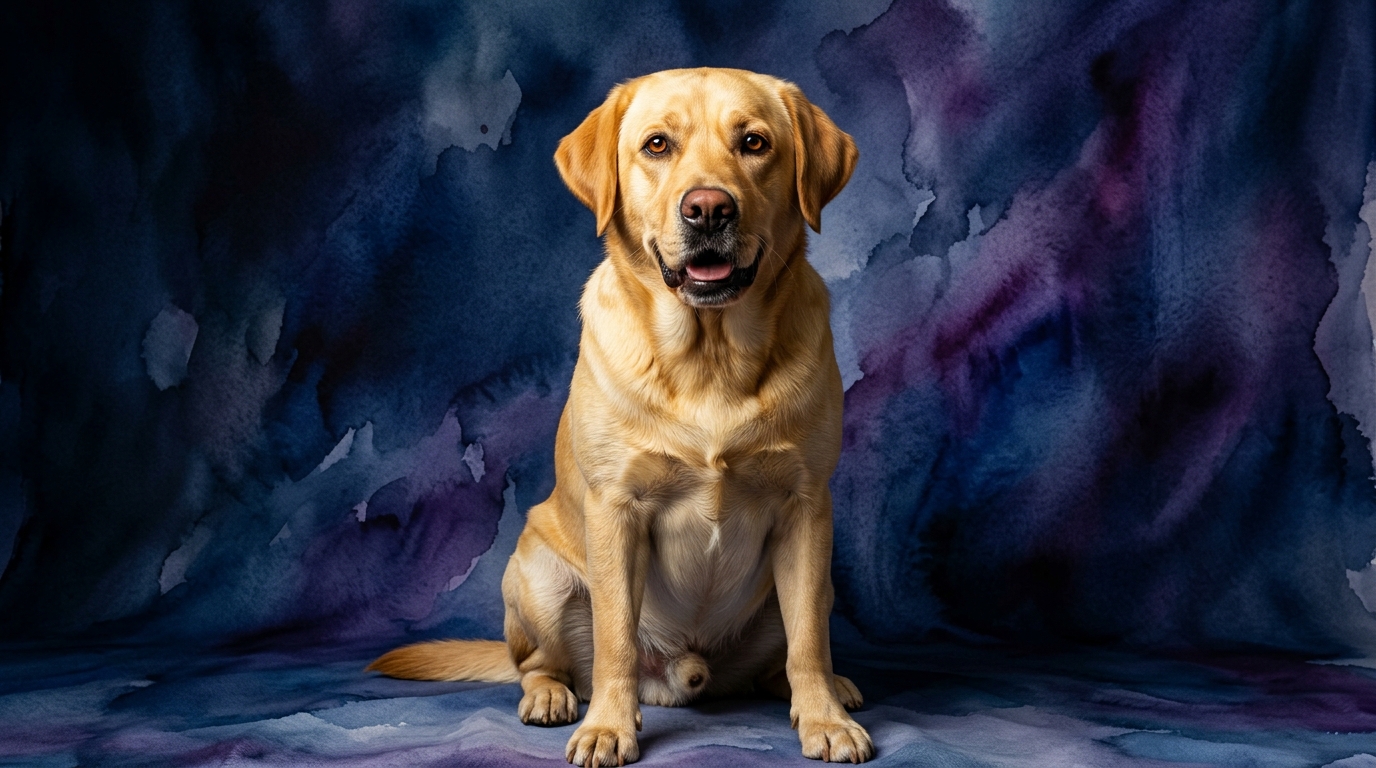
**Labrador Retriever (Coren Rank #7):** While perhaps not reaching the peak across every metric, the Labrador Retriever presents a formidable cognitive profile tailored to its working heritage as a retrieving gun dog and companion.
**Problem Solving (4/5):** Labradors are capable problem-solvers, particularly when tasks involve retrieving or navigating environmental challenges. They employ practical, often trial-and-error approaches, demonstrating persistence in achieving their goals, though perhaps less abstractly than a German Shepherd.
**Training Speed (5/5):** Like German Shepherds, Labradors learn with remarkable speed. Their eagerness to please and strong motivation for positive reinforcement, often food or play, makes them highly receptive to instruction and quick to pick up new skills.
**Social Intelligence (5/5):** Labradors shine in social contexts, displaying a keen ability to connect with humans and other animals. Their affable nature is underpinned by a strong understanding of social dynamics and a desire for harmonious, engaging interaction.
**Instinctive Drive (4/5):** The Labrador's instinctive drive is primarily focused on retrieving, exploration, and companionship. While powerful within their sphere, it is generally less multifaceted in its application compared to the German Shepherd's broad working drives, yet still potent for focused tasks.
**Memory (4/5):** Labradors possess a good memory, retaining commands and routines effectively. They remember people, places, and learned behaviors, contributing to their reliability, though perhaps with slightly less detailed recall than the German Shepherd.
Where the German Shepherd Excels Cognitively
The Cosmic Pet Pet IQ Lab data clearly positions the German Shepherd with a cognitive edge in several key areas. Their 5/5 scores across Problem Solving, Instinctive Drive, and Memory, where the Labrador scores 4/5, highlight these distinctions. A German Shepherd’s superior problem-solving manifests in their ability to independently assess and resolve novel situations, such as figuring out how to open a complex latch or navigating an unfamiliar obstacle course without prior instruction. This isn't just about brute force; it's about analytical thought and strategic planning.
Their deeper instinctive drive isn't merely about energy, but a profound, channelable motivation for diverse tasks, from complex scent work to intricate protection drills, demanding sustained mental engagement. This powerful internal engine allows them to maintain focus and drive over extended periods. Furthermore, their perfect memory score indicates a capacity for retaining vast amounts of information, from a wide array of commands to detailed spatial layouts, making them exceptional candidates for roles requiring precision and recall over extended periods. This comprehensive cognitive strength allows them to operate with a higher degree of autonomy and adaptiveness in demanding, unstructured environments.
Where the Labrador Retriever Shines Cognitively
While the Labrador Retriever may not match the German Shepherd in every IQ dimension, its cognitive profile boasts unique strengths, particularly in the realm of social application and specific task focus. Their 5/5 Social Intelligence, mirroring the German Shepherd, is often expressed with a more overt and universally welcoming disposition, making them extraordinarily adept at forming immediate, positive connections with a wide range of individuals.
This particular social acumen makes them unparalleled in roles requiring extensive public interaction, such as therapy work or guide dog duties, where their warm, empathetic understanding fosters trust and comfort. Their problem-solving, though rated 4/5, is exceptionally practical and goal-oriented when it comes to retrieving and navigating their environment for a specific purpose, demonstrating a persistent ingenuity in overcoming physical barriers to reach a target. The Labrador’s instinctive drive, a 4/5, is profoundly focused on retrieving and human interaction, leading to an unwavering enthusiasm for games and tasks that involve bringing items back or engaging joyfully with their handler. This singular focus, combined with their training speed, makes them exceptionally reliable in repetitive, purpose-driven tasks where their enthusiasm and social connection are paramount.
Ease of Training: A Nuanced Discussion
Both breeds earn a perfect 5/5 in Training Speed, suggesting they are equally quick to grasp new concepts. However, 'ease of training' encompasses more than just learning speed; it involves motivation, consistency, and managing inherent behavioral tendencies. The German Shepherd's robust instinctive drive (5/5) and profound memory (5/5) mean they not only learn quickly but retain complex sequences and commands with exceptional precision and for longer durations. Their natural inclination towards work and structure means they often thrive on consistent, challenging training, viewing it as a fulfilling partnership. However, their strong protective instincts and independent problem-solving can, if not properly channeled, lead to behaviors that require experienced handling and clear boundaries.
Conversely, the Labrador Retriever’s equally impressive training speed (5/5) is often fueled by a strong desire to please and a high food/play drive, making them highly biddable and responsive to positive reinforcement. Their generally less intense protective instincts and more overtly social nature can make them seem "easier" for novice owners, as their focus is often on cooperation rather than independent decision-making in complex situations. While they may not retain every minute detail with the same precision as a German Shepherd (Memory 4/5), their consistent eagerness and adaptable temperament often translate into a smoother training journey for many families, especially those seeking a companion focused on interaction and fun.
Which Suits Active Owners vs. Relaxed Owners
The distinct cognitive profiles and drives of these two breeds naturally align with different owner lifestyles. The German Shepherd, with its 5/5 instinctive drive and problem-solving, demands an owner who is not just active physically but also mentally engaged. These dogs thrive on purpose and require consistent mental stimulation through advanced training, puzzle toys, and engaging work like obedience, agility, or scent detection. An owner who enjoys structured activities, has experience with dog behavior, and can provide a clear leadership role will find the German Shepherd an unparalleled partner. Their need for a "job" means a relaxed owner might find themselves with a dog exhibiting boredom-driven behaviors.
The Labrador Retriever, while also an active breed, possesses a 4/5 instinctive drive that is more broadly focused on play, companionship, and retrieving. They are excellent companions for active families who enjoy regular walks, runs, swimming, and games of fetch. While they also benefit from training and mental engagement, their fulfillment often comes from shared activities and social interaction rather than a constant need for a "task" or "guarding" role. A relaxed owner who can still provide daily exercise and consistent positive interaction will likely find a Labrador more adaptable to a less structured routine, as long as their core needs for exercise and affection are met. They are generally more forgiving of minor inconsistencies in training or routine, making them a more accessible choice for many first-time dog owners.
The Verdict
Select a German Shepherd if you are an experienced, dedicated owner prepared to provide extensive mental and physical engagement, valuing a partner with exceptional problem-solving abilities, a deep drive for purpose, and comprehensive memory for complex tasks like protection, advanced obedience, or competitive dog sports.
Opt for a Labrador Retriever if you seek a highly adaptable, socially intelligent companion for an active family lifestyle, valuing their consistent eagerness to please, robust retrieving drive, and amiable nature for activities like hiking, swimming, and joyful interaction.
🧠 Find Your Pet's IQ Score
Our Pet IQ Lab assessment covers 25+ tests across 5 cognitive dimensions — personalized to your breed.
Take the Full IQ Test →Frequently Asked Questions
Is a German Shepherd better for protection than a Labrador Retriever?
Yes, the German Shepherd's 5/5 instinctive drive strongly includes protective instincts and territorial awareness, which, when properly trained, make them exceptional guardians. Labradors, with a 4/5 instinctive drive focused more on retrieving and social interaction, generally lack these inherent protective tendencies.
Which breed is easier to integrate into a family with children?
The Labrador Retriever, with its 5/5 social intelligence and generally more universally friendly disposition, is often considered easier to integrate into families with children, particularly for first-time owners. German Shepherds also possess high social intelligence, but their protective instincts require careful socialization and management in a family setting.
Do German Shepherds and Labradors both require a lot of exercise?
Both breeds are active and require substantial daily exercise. German Shepherds need both vigorous physical activity and significant mental stimulation due to their high problem-solving and instinctive drive scores. Labradors also need regular physical activity but are often fulfilled by more play-based exercise and social interaction, making their exercise needs slightly more flexible in nature.