Side-by-Side IQ Profile: Poodle (Standard) vs Labrador Retriever
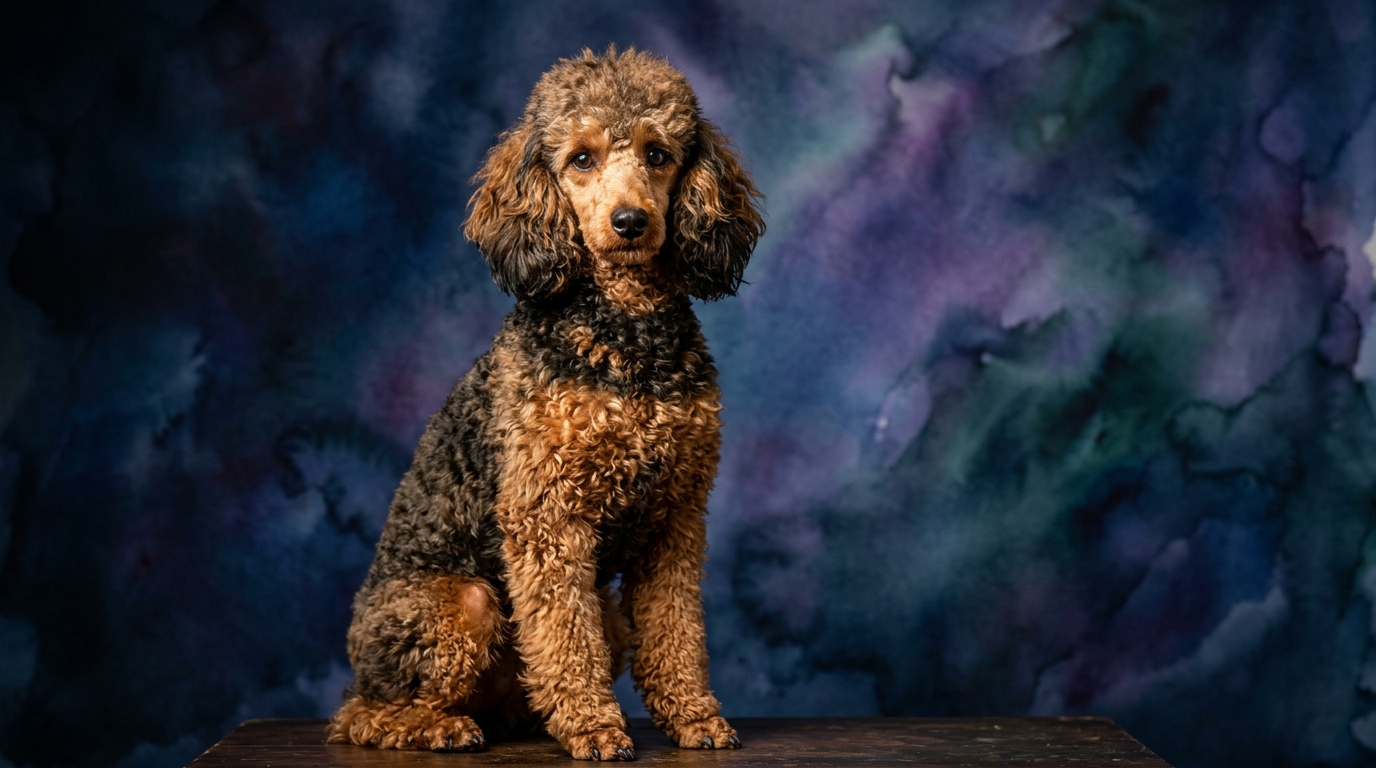
At The Cosmic Pet Pet IQ Lab, we assess canine intelligence across five key dimensions, providing a granular view beyond mere obedience. The Standard Poodle, a distinguished member of the Non-Sporting group, holds an impressive Coren rank of #2, indicating its exceptional capacity for understanding and compliance. Its cognitive blueprint features a top-tier 5/5 in Problem Solving, denoting a superior ability to navigate novel situations and figure out solutions independently. Training Speed also registers a perfect 5/5, meaning Poodles grasp new commands and routines with remarkable swiftness. Social Intelligence is another peak at 5/5, highlighting their acute awareness of human emotions and social cues, fostering deep bonds and cooperative interactions. Instinctive Drive is strong at 4/5, reflecting a purposeful, though not overwhelming, urge for specific breed-typical activities. Finally, Memory stands at an outstanding 5/5, suggesting a robust capacity for retaining learned behaviors and past experiences over extended periods.
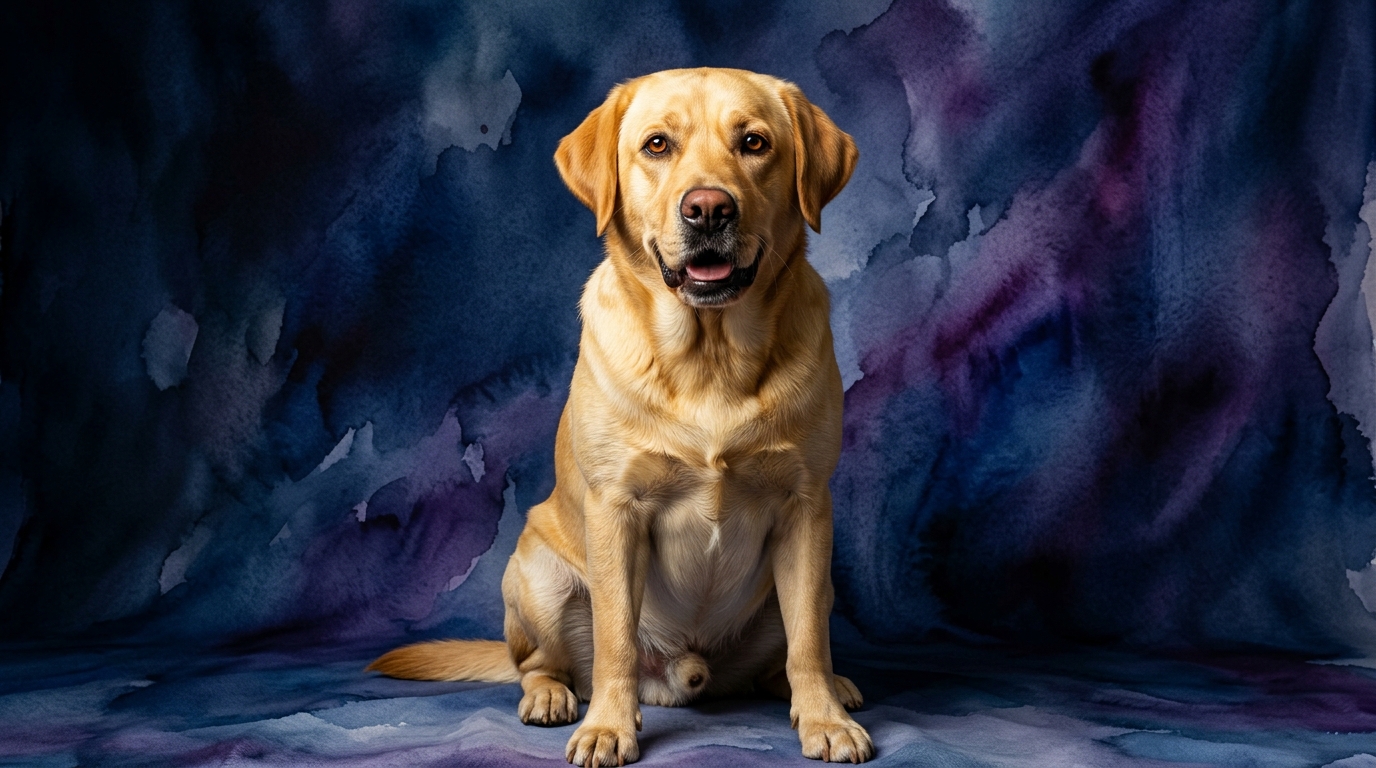
The Labrador Retriever, a stalwart of the Sporting group, occupies a respectable Coren rank of #7, underscoring its general aptitude and trainability. In Problem Solving, the Labrador scores a solid 4/5, indicating a competent ability to tackle challenges, often with persistence. Its Training Speed matches the Poodle’s at a perfect 5/5, demonstrating an equal eagerness and readiness to learn new tasks. Social Intelligence is also a stellar 5/5, reflecting their renowned friendliness and adeptness at forming strong, communicative relationships with humans. Instinctive Drive is rated 4/5, characteristic of their strong urge to retrieve, explore, and engage in physical activities, aligning with their working heritage. For Memory, the Labrador Retriever registers a strong 4/5, showing a consistent ability to recall commands and lessons, though perhaps with a slightly less encyclopedic recall than their Poodle counterparts.
Where the Standard Poodle Wins Cognitively
The Standard Poodle's cognitive profile reveals distinct advantages, particularly in areas demanding abstract thought and retention. Its 5/5 rating in Problem Solving, a point higher than the Labrador’s 4/5, translates to a greater aptitude for intricate mental challenges. Poodles are often observed to independently devise strategies for accessing desired items, opening latches, or navigating complex obstacle courses without explicit instruction. This superior problem-solving capacity makes them adept at advanced trick training, dog sports like agility, or even service work that requires adapting to varied situations and making independent judgments. They excel at understanding cause-and-effect relationships and generalizing learned concepts to new contexts more readily.
Furthermore, the Poodle's perfect 5/5 in Memory, surpassing the Labrador’s 4/5, signifies a remarkable capacity for recall and retention of information over time. This extends beyond basic commands to remembering sequences of actions, names of objects, or specific routines. This robust memory contributes to their consistency in performance and allows for the learning of extensive repertoires of behaviors. For an owner looking to engage in complex, multi-stage tasks or expecting long-term retention of a wide array of commands and social protocols, the Standard Poodle’s cognitive strengths in problem-solving and memory offer a notable advantage, fostering a more nuanced and intellectually engaged partnership.
Where the Labrador Retriever Wins Cognitively
While the Standard Poodle holds a slight edge in raw problem-solving capacity and memory scores, the Labrador Retriever demonstrates compelling cognitive strengths that allow it to 'win' in specific practical applications, leveraging its unique blend of attributes. The Labrador’s 4/5 in Problem Solving is highly effective when coupled with its 4/5 Instinctive Drive and 5/5 Social Intelligence. This combination fosters a tenacious and cooperative approach to problem-solving, particularly in scenarios requiring persistent effort and handler collaboration, such as tracking a scent through varied terrain or complex retrieving tasks in challenging environments. Their cognitive blueprint makes them exceptionally good at applying their mental faculties to achieve specific, tangible goals, often with unwavering focus.
The Labrador’s cognitive prowess truly shines in roles demanding consistent, reliable performance under pressure, often integrating physical exertion with mental engagement. They excel at tasks where a slight decrease in raw problem-solving is compensated by an exceptional commitment to the task and handler feedback, making them highly successful as assistance dogs, search and rescue partners, or detection dogs. Their 5/5 Social Intelligence, combined with their instinctive drive, means they are incredibly attuned to working alongside humans, interpreting subtle cues, and deriving satisfaction from cooperative efforts. This makes them 'win' in fields where their cognitive abilities are channeled into dedicated, partnership-driven work, proving them supremely effective within their specialized niches.
Which Is Easier to Train and Why
Both the Standard Poodle and the Labrador Retriever score an impressive 5/5 in Training Speed, indicating that both breeds are equally quick to grasp new commands and routines. This means neither breed is inherently 'easier' in terms of initial learning pace. However, the *type* of training or the *experience* of training can differ based on their other cognitive and behavioral traits. The Poodle’s superior Problem Solving (5/5) and Memory (5/5) can make them particularly adept at intricate, multi-step commands or abstract concepts, making them 'easier' to train for complex tricks, performance sports requiring precise sequencing, or tasks that involve independent decision-making based on learned principles. Their quick processing and retention allow them to master extensive repertoires of behaviors and adapt rapidly to new variations of familiar tasks.
Conversely, the Labrador Retriever’s equally high Training Speed (5/5), combined with its strong Instinctive Drive (4/5) and Social Intelligence (5/5), often translates to an unparalleled enthusiasm and focus during training for utility-based tasks. They are incredibly motivated by positive reinforcement and excel in cooperative training that channels their natural retrieving and scenting instincts. While the Poodle might pick up a novel trick faster due to its problem-solving edge, the Labrador might demonstrate a more unwavering dedication to perfecting a specific retrieve or scent detection task, making them 'easier' to train for roles where consistency, persistence, and a strong working relationship with the handler are paramount. Ultimately, both are highly trainable, but their strengths align with different training outcomes and methods.
Better Family Pet: Active Owners vs. Relaxed Owners
For active owners, both the Standard Poodle and the Labrador Retriever are exceptional choices, though they manifest their activity differently. The Labrador, with its 4/5 Instinctive Drive and Sporting group heritage, thrives on vigorous outdoor exercise such as long walks, running, swimming, and retrieving games. They require substantial physical exertion daily to satisfy their inherent drive and maintain mental equilibrium, making them an ideal companion for owners who lead active, outdoor-oriented lifestyles and wish to include their dog in these adventures. Their 5/5 Social Intelligence ensures they are cooperative and joyous partners in these activities.
The Standard Poodle, while equally energetic and athletic, often benefits from a balance of physical exercise and significant mental stimulation due to its 5/5 Problem Solving and Memory. They enjoy engaging in dog sports, learning complex tricks, and participating in brain games that challenge their intellect. While they appreciate physical activity, a Poodle can sometimes manage slightly less intense physical demands if compensated with ample mental enrichment indoors, making them potentially more adaptable for owners who are active but might not spend every waking hour outdoors. For truly 'relaxed' owners, neither breed is a low-maintenance option; both require considerable engagement. However, an active owner who can provide consistent training and mental challenges might find the Poodle’s adaptable energy profile marginally less demanding than the Labrador’s consistent need for robust physical outlets, especially if outdoor access is occasionally limited.
The Verdict
Choose the Standard Poodle if you seek a highly adaptable companion for complex learning, performance sports, and a partnership built on sophisticated intellectual engagement.
Opt for the Labrador Retriever if your lifestyle involves consistent outdoor activity, cooperative work, and a steadfast, driven companion focused on partnership and purpose-driven tasks.
🧠 Find Your Pet's IQ Score
Our Pet IQ Lab assessment covers 25+ tests across 5 cognitive dimensions — personalized to your breed.
Take the Full IQ Test →Frequently Asked Questions
Which breed is better for first-time dog owners based on their IQ?
Both breeds possess a 5/5 training speed and high social intelligence, making them generally excellent choices for first-time owners. The Labrador's eager-to-please nature and strong social drive might be slightly more forgiving for novice handlers, while a Poodle's independent problem-solving could require a more consistent and engaging training approach.
Do the cognitive differences between Poodles and Labradors impact their suitability as service dogs?
Both breeds excel as service dogs, but their cognitive strengths lend them to different roles. The Poodle's superior problem-solving and memory are beneficial for complex tasks requiring independent decision-making, while the Labrador’s unwavering focus, social intelligence, and strong instinctive drive make them exceptional for guidance, mobility assistance, and detection work requiring sustained cooperation and perseverance.
How does 'Instinctive Drive' differ between a Poodle and a Labrador, given both are 4/5?
While both score 4/5, the manifestation of their instinctive drive differs; a Labrador’s drive is often geared towards retrieving, water work, and scenting due to its sporting heritage. A Poodle's drive, while equally strong, may manifest in more generalized ways like a desire for companionship, agility, or performance, making their 'purpose' more adaptable to various forms of mental and physical engagement.