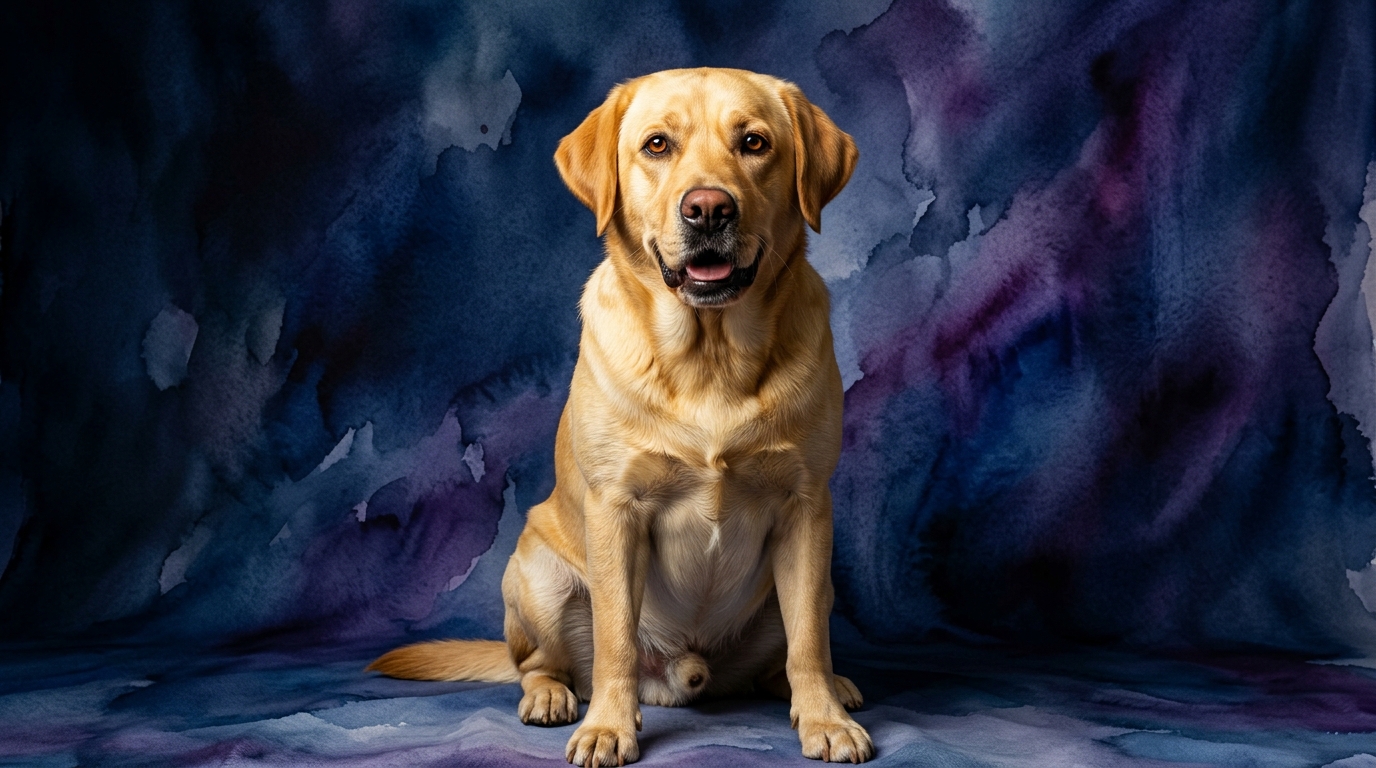
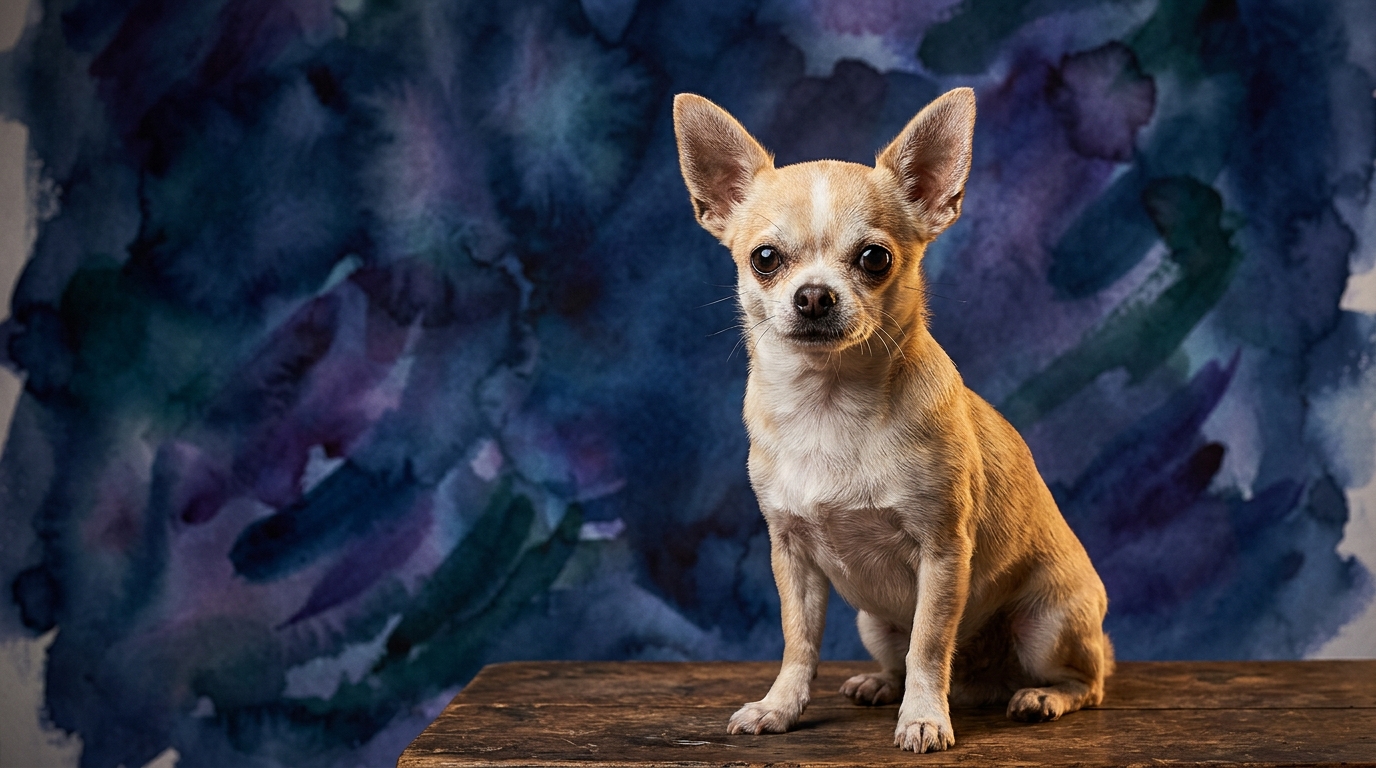
Side-by-Side IQ Profile: Labrador Retriever vs. Chihuahua
The Cosmic Pet Pet IQ Lab employs a comprehensive framework to assess canine intelligence across five critical dimensions. For the Labrador Retriever, ranked #7 by Coren for working and obedience intelligence, their profile reflects a breed engineered for complex tasks and companionship. Their Problem Solving is rated at 4/5, indicating a strong capacity to navigate novel situations and figure out solutions independently. Training Speed, at a remarkable 5/5, highlights their exceptional eagerness and ability to grasp new commands and routines quickly. Social Intelligence, also scoring 5/5, speaks to their profound understanding of human cues and their role within a family unit. Instinctive Drive, rated 4/5, showcases their inherent motivation for retrieving, swimming, and other natural behaviors. Finally, their Memory is strong at 4/5, allowing them to retain learned behaviors and social associations effectively.
In contrast, the Chihuahua, holding a Coren rank of #67, exhibits a cognitive profile tailored more for companionship and vigilance, albeit with a different emphasis on problem-solving and training. Their Problem Solving is rated 3/5, suggesting a moderate ability to tackle new challenges, often relying on learned patterns rather than independent innovation. Training Speed also stands at 3/5, meaning they require more patience and consistency in learning new commands compared to their larger counterpart. Social Intelligence is a respectable 4/5, underscoring their capacity for deep bonds and responsiveness to their chosen humans, though it may be more selectively applied. Instinctive Drive, at 3/5, points to a moderate inherent drive, often expressed through alert barking or territoriality rather than complex working behaviors. Interestingly, their Memory matches the Labrador at 4/5, indicating a good capacity for remembering people, places, and routines.
Where the Labrador Retriever Excels Cognitively
The Labrador Retriever's cognitive strengths are particularly evident in areas demanding active engagement and collaborative problem-solving. Their superior Training Speed (5/5) means they absorb new information and commands with remarkable alacrity, making them exceptionally responsive to structured learning environments. This isn't just about obedience; it translates into a dog that quickly understands boundaries, household rules, and complex multi-step tasks, such as retrieving specific items or performing intricate agility sequences. Their high Social Intelligence (5/5) further amplifies this, allowing them to finely tune into human emotions and intentions, making them intuitive partners in work or therapy settings.
Furthermore, the Labrador's robust Problem Solving (4/5) and Instinctive Drive (4/5) combine to create a dog capable of independent thought within a task-oriented framework. This is apparent when they are navigating scent trails, locating hidden objects, or adapting to unexpected changes during a retrieve. They don't just follow instructions; they often anticipate the next step or find creative ways to achieve a goal, like figuring out how to open a gate or bypass an obstacle to reach a desired toy. This blend of drive and cognitive flexibility makes them outstanding candidates for roles requiring both intellect and physical prowess.
Where the Chihuahua Shines Cognitively
While the Chihuahua's overall scores in problem-solving and training speed might be lower than the Labrador's, their cognitive profile reveals distinct advantages, particularly in areas of acute observation and memory. Their Social Intelligence at 4/5, while not as broadly applied as a Lab's, manifests as a profound, often singular, devotion to their primary caregiver. They are exceptionally attuned to the nuances of their human's mood and routine, often anticipating needs or reacting to subtle changes in environment or behavior. This makes them highly empathetic companions, forming deep, almost telepathic bonds.
The Chihuahua's strong Memory (4/5) is a significant cognitive asset, matching that of the Labrador. This means they are excellent at remembering people, other pets, specific places, and established routines, contributing to their sense of security and their ability to navigate their home environment with confidence. This strong memory, combined with their instinctive drive (3/5) for vigilance, often results in a highly alert and protective nature. They may not solve complex puzzles with the same speed, but they excel at remembering who belongs and who doesn't, making them surprisingly effective, if vociferous, watchdogs. Their intelligence is keenly focused on their immediate social circle and territorial awareness.
Which is Easier to Train and Why?
Based on The Cosmic Pet Pet IQ Lab's assessment, the Labrador Retriever is generally easier to train, primarily due to their superior Training Speed (5/5) and Social Intelligence (5/5). Labradors possess an inherent eagerness to please and a strong desire to collaborate with their human partners. This cooperative nature, coupled with their ability to quickly grasp and retain new commands, means they often require fewer repetitions and are more forgiving of handler errors during training sessions. Their high instinctive drive, often channeled into retrieving or working tasks, provides a strong motivational foundation for learning. They find joy in performing tasks and receiving positive reinforcement, making training a highly rewarding experience for both dog and owner.
The Chihuahua, with a Training Speed of 3/5, typically presents more of a challenge in formal obedience training. While capable of learning, they may require greater patience, consistency, and a more tailored approach. Their social intelligence, while strong, is often directed towards their immediate bond, and their motivation might be less about broad cooperation and more about personal comfort or reward. Behavioral differences, such as a tendency towards stubbornness or a shorter attention span, can necessitate shorter, more frequent training sessions and the use of high-value rewards. House-training, in particular, can be a longer process for Chihuahuas due to their smaller bladder size and sometimes less obvious signaling cues compared to larger breeds.
Which Suits Active Owners vs. Relaxed Owners?
For active owners, the Labrador Retriever is an ideal match. Their high instinctive drive (4/5) and problem-solving ability (4/5) mean they thrive on physical activity combined with mental engagement. They require significant daily exercise, such as long walks, runs, swimming, or vigorous games of fetch, to remain content and well-adjusted. Beyond physical exertion, their cognitive profile demands mental stimulation through training, puzzle toys, and participating in dog sports like agility, obedience, or scent work. An owner who enjoys outdoor adventures, has time for consistent training, and seeks a highly interactive companion will find the Labrador to be an incredibly rewarding partner, capable of keeping pace with a dynamic lifestyle.
Conversely, the Chihuahua often aligns better with more relaxed owners or those seeking a devoted, less physically demanding companion. While they benefit from regular, moderate exercise like short walks and indoor play, their smaller stature and lower instinctive drive (3/5) mean their energy requirements are considerably less than a Labrador's. Their social intelligence (4/5) and strong memory (4/5) make them excellent companions for individuals who can offer consistent affection, a stable routine, and plenty of lap time. They are content to be close to their human, observing the world from a secure perch. Owners who appreciate a sensitive, alert, and deeply bonded companion without the need for extensive outdoor excursions or complex training regimens will find the Chihuahua a delightful fit.
The Verdict
Choose a Labrador Retriever if you seek a highly trainable, enthusiastic partner for an active lifestyle, eager to engage in complex tasks and social interaction.
Opt for a Chihuahua if you desire a devoted, alert companion for a more relaxed home environment, valuing deep bonds and a keen memory over high-intensity activities.
🧠 Find Your Pet's IQ Score
Our Pet IQ Lab assessment covers 25+ tests across 5 cognitive dimensions — personalized to your breed.
Take the Full IQ Test →Frequently Asked Questions
Do Chihuahuas really have good memories?
Yes, our Pet IQ Lab assessment rates Chihuahua memory at 4/5, matching the Labrador Retriever. This means they are highly capable of remembering people, routines, and specific locations, contributing to their strong bonds and territorial awareness.
Can a Chihuahua be trained for complex tasks like a Labrador?
While Chihuahuas can learn commands, their 3/5 training speed and problem-solving differ from a Labrador's 5/5 and 4/5 respectively. They may not excel at the same complex, multi-step tasks as a Labrador, but they can be trained effectively with patience and positive reinforcement for appropriate behaviors.
Which breed is better for first-time dog owners?
The 'better' breed depends entirely on the owner's lifestyle and expectations. Labrador Retrievers are often more forgiving in training but require significant exercise and mental stimulation. Chihuahuas are less demanding physically but can be more challenging to train for consistency and may require careful socialization to prevent timidity or excessive barking.