
Side-by-Side Cognitive Profiles
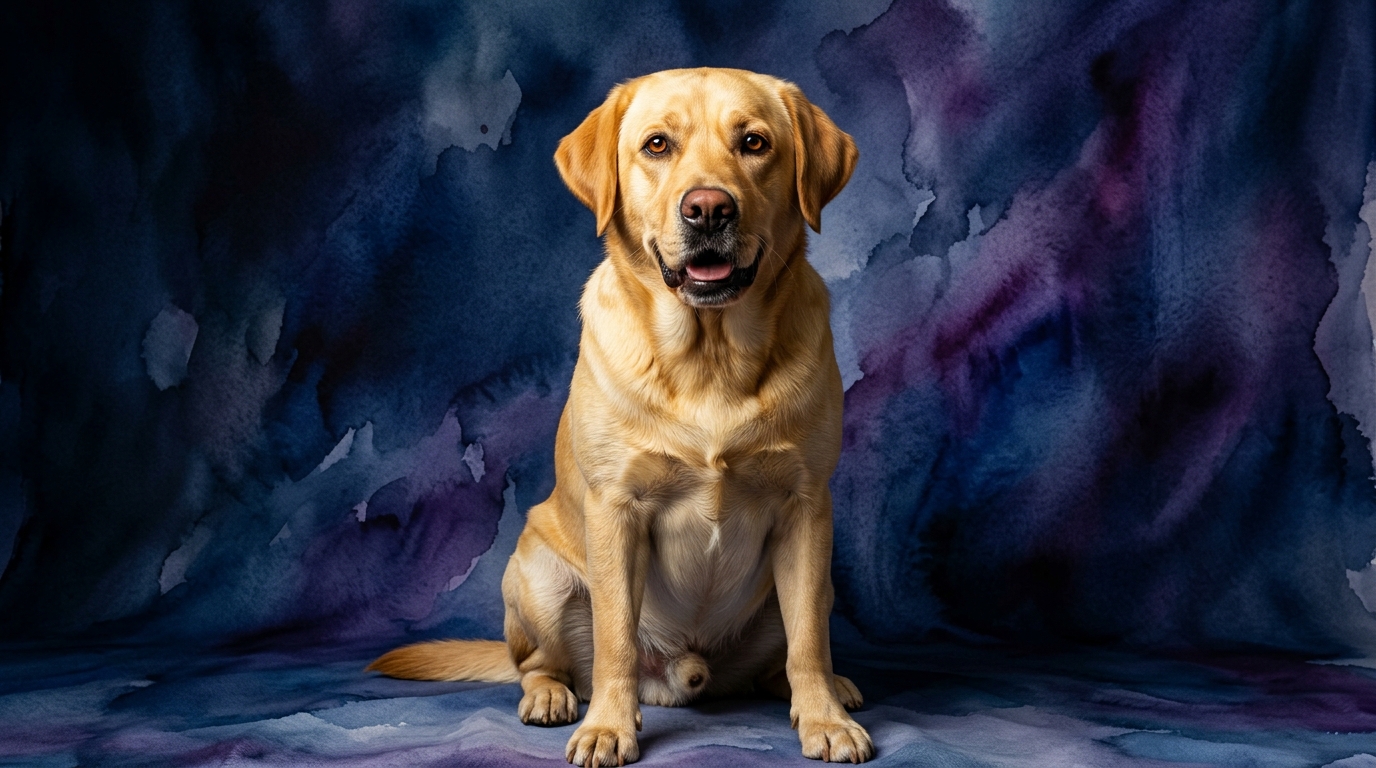
The Cosmic Pet Pet IQ Lab employs a five-dimensional framework to assess canine intelligence, offering a nuanced view beyond simple obedience. For the Labrador Retriever, a Sporting group member, we observe strong cognitive aptitudes: a Problem Solving score of 4/5 indicates their capacity to adapt and find solutions in varied scenarios, often involving retrieving or task completion. Their Training Speed, rated 5/5, highlights an exceptional eagerness to learn and respond to cues, making them highly receptive. Social Intelligence at 5/5 reflects their profound ability to interpret human intentions and emotions, fostering deep cooperative bonds. An Instinctive Drive of 4/5 points to their inherent motivation for working alongside humans, particularly in tasks like retrieving, while a Memory score of 4/5 showcases their robust retention of commands and routines.
In contrast, the Dogue de Bordeaux, a member of the Working group, presents a different cognitive landscape. While not ranked on the Coren scale, our IQ Lab scores illuminate their unique strengths. Their Problem Solving is rated 3/5, suggesting a more deliberate approach to novel situations, often relying on established patterns rather than seeking new solutions. A Training Speed of 3/5 indicates that while capable, they require more consistent and patient guidance, potentially exhibiting an independent streak. Social Intelligence at 3/5 means they are deeply loyal to their family but may be more reserved or discerning with strangers, prioritizing discernment over overt amiability. Their Instinctive Drive, also 3/5, is geared towards guarding and protection rather than active partnership in complex tasks. Lastly, a Memory score of 3/5 implies they retain essential lessons and boundaries but might not recall complex sequences with the same fluidity as some other breeds.
Where the Labrador Retriever Excels Cognitively
The Labrador Retriever's cognitive strengths are particularly evident in their capacity for rapid assimilation of information and their profound cooperative spirit. Their 5/5 Training Speed score is not merely about quick obedience; it reflects a neural predisposition to link human cues with desired actions efficiently, making them exceptional candidates for intricate tasks such as assistance work or competitive canine sports. This rapid processing is complemented by their 5/5 Social Intelligence, enabling them to finely tune into human emotional states and intentions. They don't just follow commands; they anticipate needs and respond with an understanding that transcends rote learning, often initiating helpful actions based on subtle environmental or human cues. Their 4/5 Problem Solving manifests in their adaptability, allowing them to navigate new environments or unexpected challenges with a practical, goal-oriented mindset, often focused on retrieving or assisting their human companion.
Where the Dogue de Bordeaux Shows Unique Cognitive Strengths
While the Dogue de Bordeaux's cognitive profile differs from the Labrador's, their strengths are equally vital, particularly in roles demanding discernment and independent judgment. Their 3/5 Social Intelligence, while lower than the Labrador's, signifies a profound loyalty coupled with a discerning nature. This breed possesses an innate ability to differentiate between familiar and unfamiliar, friend and potential threat, relying on a sophisticated assessment of body language and intent rather than immediate amiability. Their Problem Solving at 3/5, though not geared towards rapid task acquisition, reflects a deliberate, thoughtful approach to their environment, particularly concerning territorial boundaries and family protection. This translates to a steady, unwavering presence, making independent decisions about safety and security. Their Instinctive Drive, also 3/5, channels their cognitive energy into vigilance and guardianship, requiring a keen spatial awareness and memory for established routines and perceived threats within their domain.
Training Dynamics: Labrador's Eagerness vs. Dogue's Deliberation
When it comes to training, the behavioral differences between these two breeds become strikingly clear. The Labrador Retriever's 5/5 Training Speed and high Social Intelligence translate into a dog that genuinely enjoys the learning process, often viewing training as a collaborative game with their human. They are highly motivated by praise, play, and food, and their robust memory helps them quickly solidify learned behaviors. Their desire to please means they are typically forgiving of handler errors and maintain enthusiasm through repetitive drills, making them ideal for novice trainers or those seeking a highly responsive partner.
The Dogue de Bordeaux, with a 3/5 Training Speed, requires a different pedagogical approach. Their training journey demands immense patience, consistency, and a deep understanding of their independent and deliberate nature. They are not inherently driven by the same 'eager to please' motivation as a Labrador; instead, they often need to understand the 'why' behind a command or perceive its relevance to their established routine or comfort. Repetitive, uninspired drills can lead to disengagement, necessitating varied and engaging methods. Early, consistent socialization is crucial to channel their protective instincts appropriately, ensuring their discerning social intelligence develops into reliable judgment rather than unwarranted suspicion. Positive reinforcement is effective, but it must be paired with clear, firm leadership that they respect.
Matching Breeds to Lifestyles: Active Partners vs. Calm Guardians
The cognitive profiles of the Labrador Retriever and the Dogue de Bordeaux naturally align with different owner lifestyles. An active owner seeking a canine partner for adventures, sports, or service work will find the Labrador Retriever's cognitive makeup perfectly suited. Their high Problem Solving, rapid Training Speed, and profound Social Intelligence make them adaptable companions for hiking, swimming, agility, or even complex tasks like search and rescue. They thrive on mental stimulation and physical activity, needing consistent engagement to prevent boredom and channel their abundant energy and cooperative drive. Their cognitive satisfaction comes from working alongside their human, tackling challenges together.
Conversely, a relaxed owner who appreciates a calm, watchful presence and understands the nuances of a more independent canine mind might find the Dogue de Bordeaux a more fitting companion. While they benefit from regular, moderate exercise and mental enrichment, their cognitive fulfillment often stems from their role as a guardian and family member. They are less inclined to participate in high-octane activities and more content observing their surroundings, making their own assessments. Owners must provide clear structure and consistent socialization from a young age to harness their protective instincts positively. Their discerning social intelligence and deliberate problem-solving skills shine in a home environment where they can be a steadfast, though not always overtly effusive, protector.
The Verdict
Choose the Labrador Retriever if you seek an enthusiastic, highly trainable, and cooperative partner for active pursuits and complex tasks, valuing their keen social intuition and rapid learning. They thrive on engagement and shared activities.
Opt for the Dogue de Bordeaux if you appreciate a loyal, discerning guardian with a calm demeanor, valuing their independent judgment and steadfast protective instincts. They require patient, consistent guidance and a clear leadership structure.
🧠 Find Your Pet's IQ Score
Our Pet IQ Lab assessment covers 25+ tests across 5 cognitive dimensions — personalized to your breed.
Take the Full IQ Test →Frequently Asked Questions
Are Dogue de Bordeaux difficult to train?
Dogue de Bordeaux are not inherently difficult, but their training requires significant patience and consistency due to their deliberate nature and lower training speed score. They respond best to positive reinforcement and clear, firm leadership, often needing to understand the purpose behind commands rather than just complying.
Which breed is better with children?
Both breeds can be excellent with children when properly socialized and trained. Labradors often have a more overtly playful and tolerant nature, while Dogue de Bordeaux are typically gentle and protective with their family, though their large size always warrants supervision around very young children.
Do Labradors need more mental stimulation than Dogues?
Labradors generally require more consistent and varied mental stimulation due to their high problem-solving abilities and eagerness to work. Dogues also benefit from mental enrichment, but their cognitive needs are often met through their role as a watchful guardian and established routines, rather than constant novel tasks.