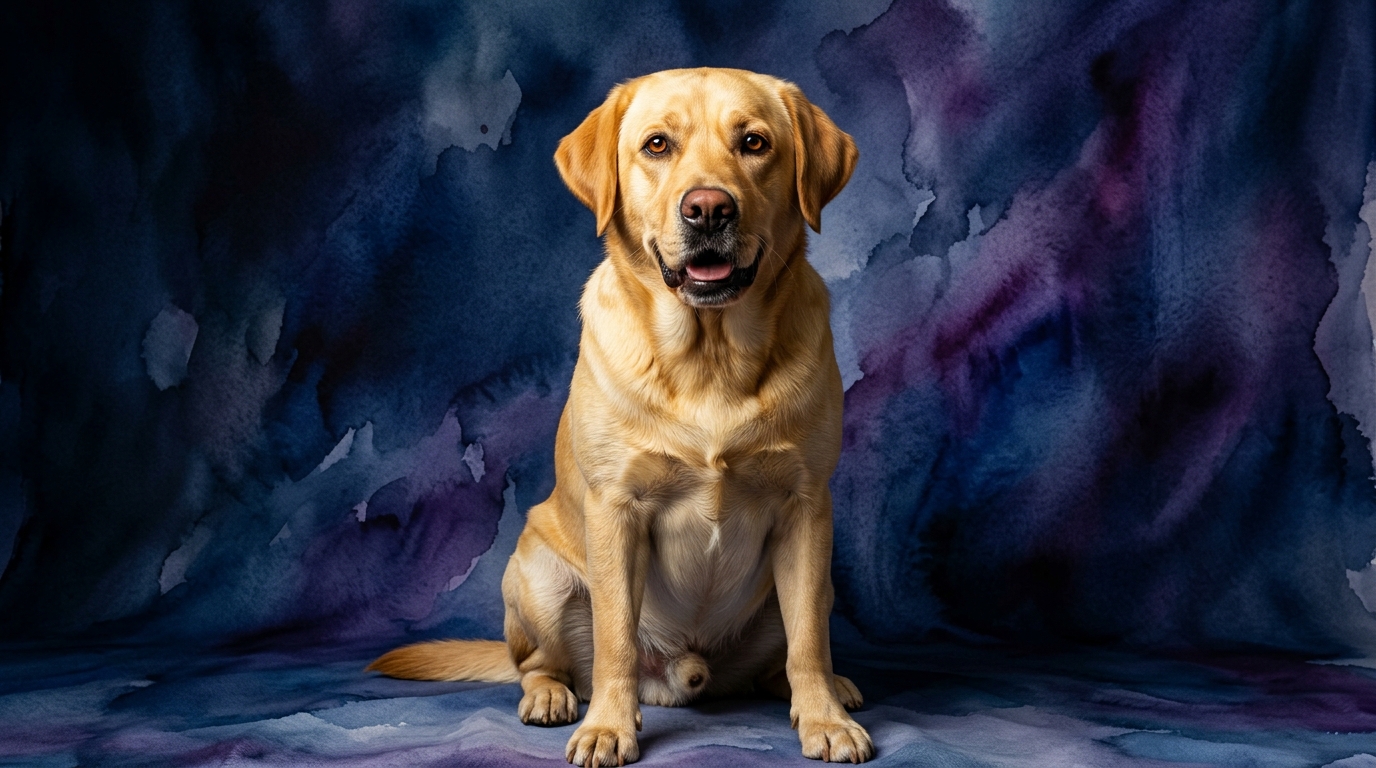
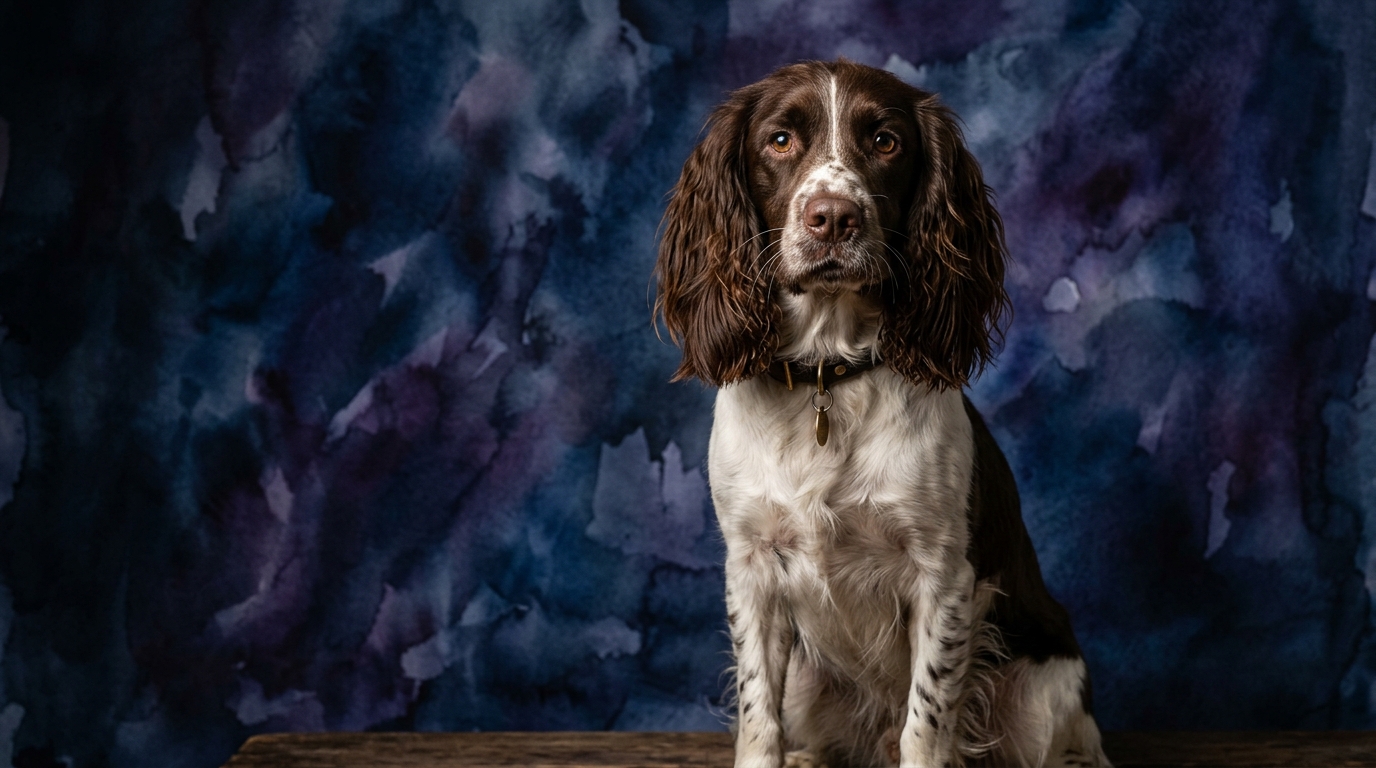
The Cosmic Pet IQ Profile: Labrador Retriever vs. English Springer Spaniel
The Cosmic Pet's IQ Lab provides a unique lens through which to compare the cognitive abilities of different breeds, moving beyond simple rankings to specific dimensions of intelligence. For the Labrador Retriever, ranked #7 by Coren, their profile reveals a balanced and robust intellect. They demonstrate a strong Problem Solving ability at 4/5, indicating an adaptive mind capable of navigating new challenges effectively. Their Training Speed is exceptional at 5/5, reflecting their eager-to-please nature and quick grasp of commands, making them highly receptive to instruction. A standout feature is their Social Intelligence at 5/5, signifying an acute sensitivity to human emotions and intentions, fostering deep connections and intuitive responses. Their Instinctive Drive sits at 4/5, a well-channeled urge for retrieving, and their Memory is solid at 4/5, ensuring learned behaviors are retained with consistency.
The English Springer Spaniel, holding Coren's #13 rank, presents a slightly different, yet equally impressive, cognitive blueprint. They match the Labrador in Problem Solving at 4/5, showcasing a resourceful and persistent approach to overcoming obstacles. Their Training Speed also rates a perfect 5/5, highlighting their rapid learning capacity and enthusiasm for engaging in directed tasks. While their Social Intelligence is a commendable 4/5, indicating strong human connection, it is perhaps a touch less pronounced than the Labrador's, with their focus often driven by the task at hand. Where the Springer truly shines is in their Instinctive Drive, reaching a powerful 5/5, reflecting an intense, unwavering focus on flushing and retrieving. Their Memory, like the Labrador's, is strong at 4/5, allowing them to recall complex sequences and commands with reliability.
Labrador Retriever: The Edge in Social Cognition and Adaptability
The Labrador Retriever's cognitive strengths distinctly shine in areas demanding nuanced social understanding and broad adaptability. Their exceptional Social Intelligence, rated 5/5 compared to the Springer's 4/5, positions them as masters of human-canine communication. This isn't merely about being friendly; it reflects an advanced capacity to read subtle human cues, anticipate desires, and respond with an almost empathetic understanding. This heightened social awareness makes them unparalleled partners in roles requiring deep interaction, such as service dogs assisting individuals with disabilities, where anticipating needs is paramount, or therapy dogs providing comfort through intuitive connection.
Furthermore, while both breeds show strong problem-solving skills, the Labrador's 4/5 problem-solving combined with their superior social intelligence often translates into a more generalized and context-aware approach. They are adept at solving problems that are directly tied to human direction or desire, quickly figuring out 'what their person wants' in various situations, from opening a specific door to fetching a particular item. Their strong memory (4/5) reinforces this, allowing them to consistently apply learned solutions across diverse, human-centric scenarios. This blend of attributes makes them incredibly versatile and amenable to a wide array of training disciplines that rely on human partnership and environmental adjustment.
English Springer Spaniel: Unrivaled Instinctive Drive and Task Focus
The English Springer Spaniel's cognitive profile reveals a formidable advantage in areas demanding intense focus, persistence, and a powerful instinctive drive. Their 5/5 rating for Instinctive Drive, surpassing the Labrador's 4/5, is a defining characteristic. This isn't just a general energy level; it's a deeply ingrained, almost relentless urge to perform specific tasks, particularly those related to their heritage as flushing and retrieving gundogs. This drive manifests as an unwavering commitment to a 'job,' whether it's methodically quartering a field for scent, retrieving a hidden object, or navigating an agility course with precision and speed.
Their problem-solving ability, also rated 4/5, is often channeled through this powerful drive. Springers excel at figuring out how to overcome physical or environmental obstacles to achieve a specific goal, such as finding the source of a scent or retrieving an item from a challenging location. This focused persistence means they are less likely to be distracted once engaged in a task, demonstrating a tenacity that can be incredibly valuable in specialized fields like search and rescue, detection work, or competitive dog sports where sustained effort and single-minded dedication are essential. Their strong memory (4/5) complements this, allowing them to retain complex sequences and strategies critical for these high-demand activities.
Training Dynamics: Social Connection vs. Instinctive Purpose
Assessing which breed is 'easier' to train requires a nuanced look beyond their identical 5/5 Training Speed ratings, delving into their intrinsic motivations. Both breeds grasp new commands with impressive rapidity, making them highly trainable. However, the *nature* of their trainability differs significantly. The Labrador Retriever's superior Social Intelligence (5/5) means they are often motivated by a strong desire to please their human companions. They are highly attuned to human feedback, making them exceptionally responsive to positive reinforcement and eager to collaborate. This social drive facilitates a smooth training process across a broad spectrum of activities, as their primary goal often aligns with human direction and approval.
Conversely, the English Springer Spaniel's training ease, while equally high, is profoundly influenced by their intense Instinctive Drive (5/5). They learn quickly because they are eager to *do* something, to engage their senses and fulfill their inherent purpose. For a Springer, training is often about channeling that powerful drive into productive outlets. If an owner can tap into this intrinsic motivation with engaging, task-oriented exercises, Springers will learn with incredible speed and enthusiasm. However, if their drive is not adequately engaged or directed, their problem-solving skills might lead them to find their own 'jobs,' which can sometimes manifest as unwanted behaviors, requiring consistent, structured engagement to maintain focus.
Matching Lifestyles: High-Energy Companions for Engaged Owners
Neither the Labrador Retriever nor the English Springer Spaniel are suited for truly 'relaxed' owners in the traditional sense; both are sporting breeds with substantial energy levels and cognitive needs. However, their specific requirements for activity and engagement vary. The Labrador Retriever, while requiring significant daily exercise and mental stimulation, often thrives on a varied routine that includes walks, runs, swimming, and interactive play. Their high social intelligence means they are wonderful companions for family outings, hiking trips, or even just long strolls around the neighborhood, deeply enjoying shared experiences and human company. They adapt well to diverse active lifestyles that prioritize companionship and shared leisure activities, making them ideal for active families or individuals who enjoy integrating their dog into many aspects of their daily life.
The English Springer Spaniel, with its exceptional Instinctive Drive (5/5), demands a more intense and often task-specific exercise regimen. These dogs are purpose-driven and excel when given a 'job' that engages their powerful scenting and retrieving instincts. Owners who enjoy activities like field trials, agility, competitive obedience, or extensive, off-leash exploration in varied terrain will find an incredibly willing and tireless partner in a Springer. A relaxed owner might quickly become overwhelmed by a Springer's boundless energy and potential for self-directed (and sometimes destructive) activities if their innate drives aren't consistently and purposefully satisfied. They are for owners who are not just active, but also dedicated to providing structured outlets for their dog's profound working instincts.
The Verdict
Choose the Labrador Retriever if you seek a highly adaptable, socially responsive companion who excels in diverse roles, from service work to family pet, and thrives on shared human interaction across various activities.
Opt for the English Springer Spaniel if you are prepared to channel a powerful, task-oriented drive into consistent, challenging activities like field trials, agility, or extensive outdoor adventures, valuing a persistent and focused working partner.
🧠 Find Your Pet's IQ Score
Our Pet IQ Lab assessment covers 25+ tests across 5 cognitive dimensions — personalized to your breed.
Take the Full IQ Test →Frequently Asked Questions
Are Labradors better family dogs than Springers due to their intelligence?
Labradors often integrate seamlessly into family life due to their high social intelligence and adaptability, making them very responsive to human dynamics and family routines. Springers are also affectionate family members but require more structured outlets for their intense drive, which can impact their perceived 'easiness' in a purely relaxed family setting, requiring consistent engagement from their human companions.
Do English Springer Spaniels learn commands faster than Labrador Retrievers?
Both breeds score 5/5 in training speed, indicating they learn new commands with impressive rapidity and efficiency. The difference lies more in *what* motivates them and *how* their drives are channeled during training; Labradors are often driven by social engagement, while Springers are primarily motivated by task fulfillment and their innate working instincts.
Which breed is better for scent work or retrieving tasks?
While both are excellent, English Springer Spaniels possess a slightly higher instinctive drive (5/5), making them incredibly persistent and focused for scent detection and flushing game, often showing remarkable tenacity. Labradors (4/5 instinctive drive) are superb retrievers, particularly in water, and can be highly effective in scent work, but the Springer's raw, unyielding drive for these specific tasks is often unparalleled and intensely focused.