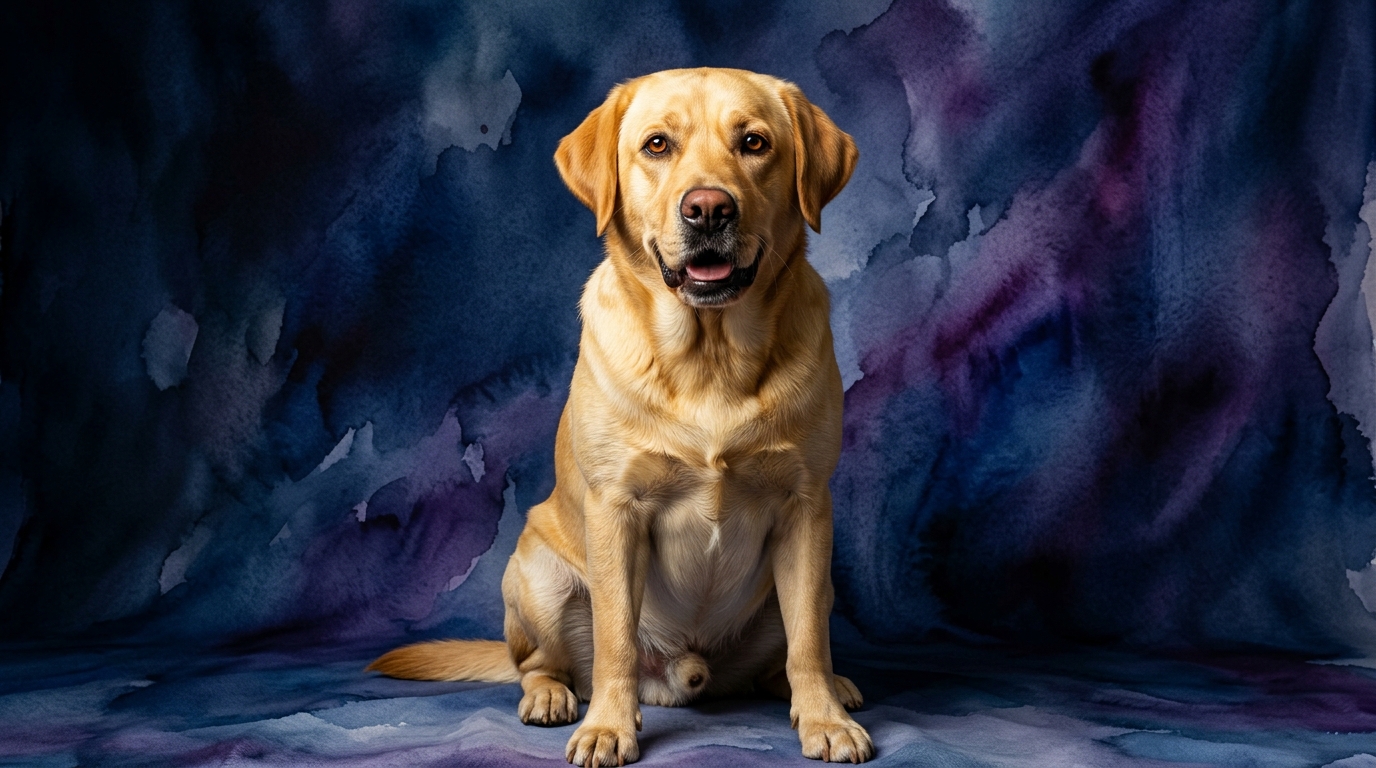

Side-by-Side Cognitive Profiles
At The Cosmic Pet Pet IQ Lab, we evaluate canine intelligence across five key dimensions, providing a nuanced understanding beyond simple rankings. The Labrador Retriever, with a Coren rank of #7, and the Irish Setter, ranked #35, showcase distinct profiles despite both belonging to the Sporting group.
For the Labrador Retriever, problem Solving is rated 4/5, indicating a strong capacity for analyzing situations and devising effective solutions, often showing resourcefulness in navigating challenges. Their training Speed is an exceptional 5/5, meaning they are remarkably quick to learn and internalize new commands and routines. Social Intelligence for the Lab is also a perfect 5/5, reflecting a profound understanding of human emotions and social cues, enabling deep connection and intuitive communication. Their instinctive Drive, at 4/5, exhibits a well-channeled and purposeful drive for tasks like retrieving, reflecting their working heritage. Finally, their memory is rated 4/5, demonstrating reliable retention of information and learned behaviors over time.
The Irish Setter presents a slightly different cognitive landscape. Their problem Solving ability matches the Lab at 4/5, showing they are capable of thoughtful resolution of obstacles, often approaching tasks with a focused, albeit sometimes independent, determination. Training Speed for the Irish Setter is 4/5, indicating efficient learning of new behaviors, though they may require more consistent engagement and motivational variety than a Labrador. Their social Intelligence is 3/5, meaning they engage with human companions, but might display a slightly more independent streak, being less overtly attuned to subtle social signals. Instincitve Drive is 3/5; they possess a natural hunting instinct, which can be enthusiastic but may also be more prone to independent expression or distraction. Like the Lab, their memory is rated 4/5, showing good retention of commands, routines, and experiences, building upon consistent learning.
Where the Labrador Retriever Excels Cognitively
The Labrador Retriever truly shines in two pivotal cognitive areas: training speed and social intelligence. With a perfect 5 out of 5 in training speed, Labs demonstrate an almost unparalleled eagerness and ability to absorb new commands and routines with remarkable rapidity, often requiring fewer repetitions to solidify a lesson. This cognitive trait makes them incredibly responsive partners, simplifying the process of teaching complex tasks or adapting to varied household rules. Their superior social intelligence, also rated at a perfect 5 out of 5, further amplifies this advantage; they possess an exceptional capacity to interpret human emotions, body language, and vocal inflections, allowing them to anticipate needs and integrate seamlessly into family dynamics. This deep understanding of social cues means a Lab often operates with an intuitive grasp of what is expected, making them proactive participants in interactions rather than just reactive learners. These combined strengths make the Labrador Retriever a highly cooperative and communicative companion, eager to engage and perform tasks in sync with their human counterparts.
Unique Cognitive Strengths of the Irish Setter
While the Labrador Retriever often garners attention for its rapid learning and social aptitude, the Irish Setter holds its own in crucial cognitive domains, particularly problem-solving and memory, both rated at 4 out of 5. These scores indicate a robust capacity for independent thought and recall that rivals the Lab in these specific areas. An Irish Setter's problem-solving skills often manifest as a keen ability to navigate their environment or figure out how to access desired objects, demonstrating a thoughtful persistence rather than immediate compliance. Their strong memory ensures they retain learned experiences and routines effectively, making them reliable in remembering commands or locations once thoroughly understood. This cognitive profile suggests a dog that thinks things through and retains information well, even if their path to learning or social interaction is less direct than a Labrador's. This independence in thought and action, while sometimes requiring a different training approach, allows the Irish Setter to engage with the world with a distinct self-assuredness, offering a companionship built on mutual respect for their spirited intelligence.
Training Dynamics: Labrador Retriever vs. Irish Setter
The Labrador Retriever generally presents as the easier breed to train, a difference rooted deeply in their distinct cognitive profiles. Their superior training speed, rated at 5 out of 5, means they pick up new commands and behaviors with remarkable alacrity, often requiring fewer repetitions to solidify a lesson. This quick uptake is significantly bolstered by their exceptional social intelligence (5/5), which enables them to finely tune into human intentions and desires. A Lab's innate drive to please and their understanding of social cues translate into a dog that actively seeks to comply and connect during training sessions, making them highly receptive to instruction. They thrive on positive reinforcement and clear communication, eager to perform for praise and rewards, which often results in rapid progress.
In contrast, while the Irish Setter's training speed is a respectable 4 out of 5, indicating good learning capacity, their social intelligence at 3 out of 5 suggests they might be less intensely focused on human approval or subtle cues. This can lead to a more independent approach to training, where an Irish Setter might require more patience, creativity, and consistent motivation to maintain engagement, sometimes appearing to "think for themselves" rather than immediately defaulting to human direction. Their spirited nature and keen instincts mean they can be easily distracted by environmental stimuli, demanding a trainer who can consistently capture and redirect their focus. Training an Irish Setter requires understanding their lively disposition and channeling it effectively, rather than expecting the immediate, eager compliance often seen in a Labrador.
Matching Cognitive Profiles to Lifestyles
Both the Labrador Retriever and Irish Setter are members of the Sporting group, signifying a foundational need for activity and mental engagement. However, their specific cognitive strengths suggest different ideal owner matches. Labrador Retrievers, with their 4/5 instinctive drive and boundless enthusiasm, align perfectly with active owners seeking a highly engaged partner for outdoor adventures, retrieving games, or even dog sports. Their robust social intelligence and eagerness to participate mean they thrive on structured activities and shared experiences, making them ideal companions for hiking, swimming, or competitive obedience. They enjoy having a job to do and excel when their energy is channeled into purposeful activities, forming a devoted and highly interactive bond with their family.
Conversely, while the Irish Setter is undeniably an active breed, their instinctive drive at 3 out of 5, combined with a slightly more independent social intelligence, suggests a different kind of energy output. They require substantial exercise to manage their spirited nature, but their activity might be less focused on human-directed tasks and more on independent exploration or bursts of playful energy. This makes them suitable for active owners who appreciate a dog with a lively, free-spirited disposition, perhaps enjoying long runs or romps in open spaces, but who might not always demand constant, structured interaction. For truly relaxed owners who prefer minimal activity, neither breed is an ideal fit, as both possess a strong need for physical and mental engagement to prevent boredom and destructive behaviors. The Irish Setter flourishes with owners who can provide outlets for their natural exuberance and appreciate their charmingly independent spirit.
The Verdict
Choose a Labrador Retriever if you prioritize a highly responsive, socially attuned companion eager to learn and participate in varied activities, especially if you value quick training progress and a strong partnership.
Opt for an Irish Setter if you appreciate a spirited, independent dog that offers robust problem-solving skills and memory, and you are prepared to engage with their lively energy and slightly more independent training approach.
🧠 Find Your Pet's IQ Score
Our Pet IQ Lab assessment covers 25+ tests across 5 cognitive dimensions — personalized to your breed.
Take the Full IQ Test →Frequently Asked Questions
Are Labrador Retrievers better for first-time owners?
Generally, yes, due to their higher training speed and social intelligence, Labradors tend to be more forgiving and easier to guide for novice owners. Their eagerness to please and clear communication style can simplify the learning curve for both dog and human, making early training stages less daunting.
Do Irish Setters require less mental stimulation than Labradors?
No, Irish Setters still require substantial mental stimulation to prevent boredom, despite a slightly lower instinctive drive score. Their problem-solving abilities and good memory mean they benefit greatly from puzzles, training games, and engaging activities to keep their minds sharp and their spirited nature content.
How does Coren rank relate to these IQ scores?
Coren's ranking broadly reflects a breed's working intelligence and obedience, aligning with aspects like training speed and problem-solving. While a higher Coren rank like the Labrador's (#7) indicates a general aptitude for learning commands quickly, the specific IQ dimensions provide a more nuanced understanding of how each breed's cognitive strengths manifest across different areas, like social interaction or instinctive behaviors, offering a deeper insight into their overall mental makeup.