
Side-by-Side IQ Profile: Unpacking Canine Cognition
The Cosmic Pet Pet IQ Lab employs a five-dimensional framework to assess canine intelligence, offering a nuanced view beyond simple comparisons. For the Labrador Retriever, a breed ranked #7 by Coren for working and obedience intelligence, their profile paints a picture of robust, adaptable cognition. Their Problem Solving is rated 4/5, indicating a strong capacity to figure out novel situations and adapt strategies, often demonstrating an intuitive grasp of how to achieve a goal. Training Speed is an exceptional 5/5, reflecting their remarkable swiftness in learning new commands, driven by an eagerness to please and high motivation. Social Intelligence also scores 5/5, showcasing their mastery of reading human cues, forming deep, empathetic connections, and adjusting behavior to suit social dynamics. Their Instinctive Drive, rated 4/5, is rooted in their strong retrieve drive, affinity for water, and scent work, translating into persistent focus on purposeful activities. Finally, their Memory is a solid 4/5, demonstrating excellent recall for learned behaviors, routines, people, and places.
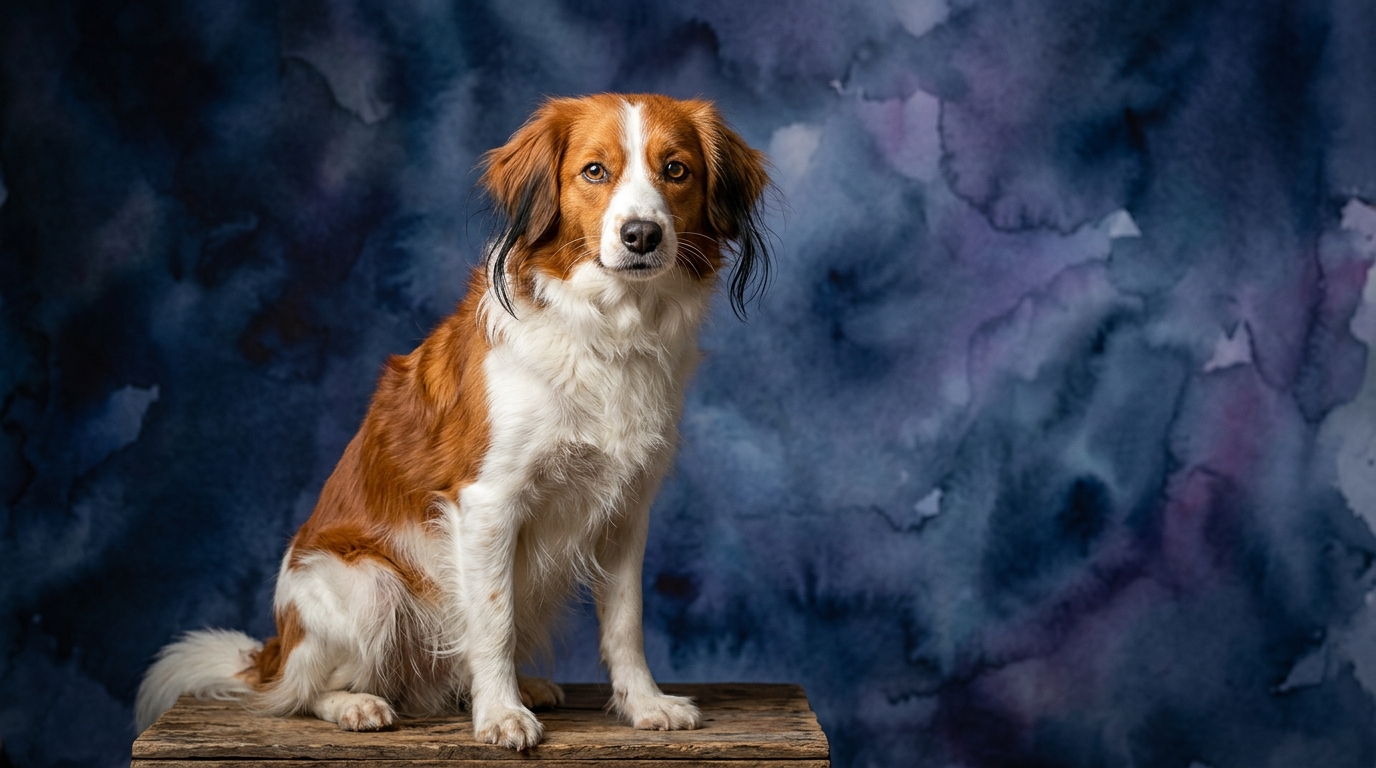
In contrast, the Kooikerhondje, while not Coren-ranked, presents a more specialized cognitive profile. Their Problem Solving is 3/5, indicating capability, particularly when tasks align with natural instincts or established routines, though they might require more repetition for novel challenges. Training Speed is 3/5; they learn at a moderate pace, necessitating patience and consistent, positive reinforcement, as they can be sensitive to harsh corrections. Social Intelligence also sits at 3/5; they form deep bonds with immediate family, demonstrating sensitivity to their owners' moods within this trusted circle, but can be reserved or wary with strangers. Their Instinctive Drive is 3/5, primarily linked to their historical role in decoying ducks, which translates into a focused drive for specific tasks rather than a broad, intense enthusiasm. Memory is rated 3/5, meaning they retain core training and familiar routines effectively, though less frequent tasks might benefit from occasional refreshers.
Where the Labrador Retriever Excels Cognitively
The Labrador Retriever's cognitive profile shines brightest in areas demanding broad adaptability and fervent cooperation. Their 5/5 training speed is a testament to their eagerness and capacity to rapidly absorb new instructions, making them highly versatile for roles ranging from assistance work to competitive obedience. This rapid learning is synergized with their 5/5 social intelligence, allowing them to keenly interpret human cues and intentions, fostering an almost telepathic working relationship. This ability to understand and anticipate human desires is a cornerstone of their success in diverse working roles.
Furthermore, their 4/5 problem-solving ability means they don't just follow commands; they actively engage with challenges, often improvising solutions when faced with unforeseen obstacles. This cognitive flexibility, combined with a robust 4/5 instinctive drive for retrieving and interaction, positions Labs as exceptional partners in dynamic environments where quick thinking and enthusiastic participation are paramount. Whether it's navigating a complex scent trail or learning a new agility course, the Lab's comprehensive cognitive toolkit enables them to excel across a wide spectrum of mental tasks with remarkable consistency.
Where the Kooikerhondje Shows Unique Cognitive Strengths
While the Kooikerhondje's cognitive scores might appear lower than the Lab's across the board, their strengths lie in a different, more nuanced application of intelligence, particularly stemming from their historical role. Their 3/5 problem-solving, though not as broadly experimental as a Lab's, is highly effective within their specialized context, such as the focused, independent work required for decoying. This suggests an intelligence that thrives on routine and precision once a task is learned, rather than constant novelty, allowing them to master specific tasks with quiet competence.
Their 3/5 social intelligence, while reserved with strangers, translates into a profound, sensitive bond with their primary family. This depth of connection allows them to read subtle shifts in their owner's mood and respond empathetically, often acting as a quiet, intuitive companion. The Kooikerhondje's 3/5 instinctive drive, though less generalized, fosters a focused perseverance in tasks they deem worthy, such as tracking or specific scent games, where their independent thought can be an asset rather than a hindrance. They might not exhibit the Lab's effusive 'can-do' attitude for every request, but when engaged in a task that resonates with their nature, their quiet determination can be remarkably effective.
Ease of Training: A Tale of Two Approaches
When it comes to ease of training, the Labrador Retriever distinctly holds an advantage, largely due to their exceptional 5/5 training speed and 5/5 social intelligence. Labs possess an inherent desire to please their human companions, combined with a strong work ethic and high motivation from food or play. This translates into a dog that eagerly soaks up new commands, responds readily to cues, and is generally forgiving of handler mistakes. Their robust memory (4/5) ensures that once a behavior is learned, it is retained effectively, making them highly reliable in diverse training scenarios, from basic obedience to complex service tasks.
The Kooikerhondje, with a 3/5 training speed, requires a more nuanced and patient approach. They are intelligent dogs, but their learning style is often described as more independent and sensitive. Harsh corrections or inconsistent methods can quickly lead to disengagement or a reluctance to participate, as they are easily discouraged by negative experiences. Positive reinforcement, clear communication, and building a strong foundation of trust are paramount. While they may not learn as rapidly as a Lab, once a Kooikerhondje understands what is expected and feels secure in the training environment, they can perform tasks accurately and reliably, showcasing their ability to master concepts with consistent, gentle guidance.
Matching Breeds to Owner Lifestyles
The cognitive and behavioral profiles of these two breeds offer clear guidance for matching them with suitable owner lifestyles. The Labrador Retriever, with its high energy, robust problem-solving, and boundless social intelligence, is an ideal fit for active owners who thrive on constant engagement. They flourish in environments where they receive ample physical exercise, such as long runs, swimming, or vigorous games of fetch, alongside significant mental stimulation through advanced training, dog sports like agility or dock diving, and regular social outings. Owners who enjoy integrating their dog into every aspect of their adventurous life will find a Lab an eager, tireless, and adaptable partner.
Conversely, the Kooikerhondje, while still needing consistent exercise, generally suits owners with a slightly more measured approach to activity. Their cognitive strengths, including focused problem-solving and deep family bonds, make them excellent companions for those who appreciate quality interaction over constant high-octane activity. A Kooikerhondje thrives on structured walks, engaging scent games, puzzle toys, and consistent, calm companionship. They are well-suited to owners who are patient, enjoy routine, and are willing to invest time in gentle, positive training methods. While they can participate in dog sports, their enjoyment often stems from the partnership and mental engagement, rather than the sheer physical intensity preferred by many Labs. They are not suited for owners seeking a purely 'relaxed' couch potato, but rather for those who appreciate a balanced, engaged, and sensitive companion who thrives on thoughtful interaction.
The Verdict
Opt for a Labrador Retriever if you seek an exceptionally adaptable, eager-to-please, and highly trainable companion for a wide array of activities, from advanced obedience to family adventures. Their robust social intelligence and problem-solving prowess make them versatile partners for active, engaged owners who can provide consistent mental and physical stimulation.
Select a Kooikerhondje if you are drawn to a sensitive, deeply loyal, and discerning companion who thrives on strong family bonds and consistent, positive interaction. Owners who appreciate a dog with independent thought, are patient with training, and can provide a structured yet stimulating environment will find a rewarding partnership.
🧠 Find Your Pet's IQ Score
Our Pet IQ Lab assessment covers 25+ tests across 5 cognitive dimensions — personalized to your breed.
Take the Full IQ Test →Frequently Asked Questions
Are Labrador Retrievers truly smarter than Kooikerhondjes?
Measuring 'smartness' in dogs is complex. Labrador Retrievers demonstrate broader adaptability, faster training speed, and more generalized social intelligence, excelling in versatile roles. Kooikerhondjes exhibit a more specialized, sensitive intelligence, thriving in focused tasks and forming deep, nuanced bonds with their core family, making them different rather than inherently 'less smart'.
Which breed requires more mental stimulation?
Both breeds benefit from mental stimulation, but the type differs. Labradors often demand varied, high-intensity mental challenges and constant engagement due to their broad problem-solving and instinctive drives. Kooikerhondjes benefit from consistent, structured mental tasks like puzzle toys or scent work, and value quality interaction over constant novelty, preferring depth in fewer activities.
Can a Kooikerhondje be a good family dog despite being reserved with strangers?
Absolutely. Kooikerhondjes form incredibly strong, loving bonds with their immediate family, often being very gentle and playful with children they know and trust. Their initial reservation with strangers means early, positive socialization is crucial to help them navigate new people and situations confidently, ensuring they are well-adjusted members of the family.