
Side-by-Side IQ Profile: Labrador Retriever vs. Redbone Coonhound
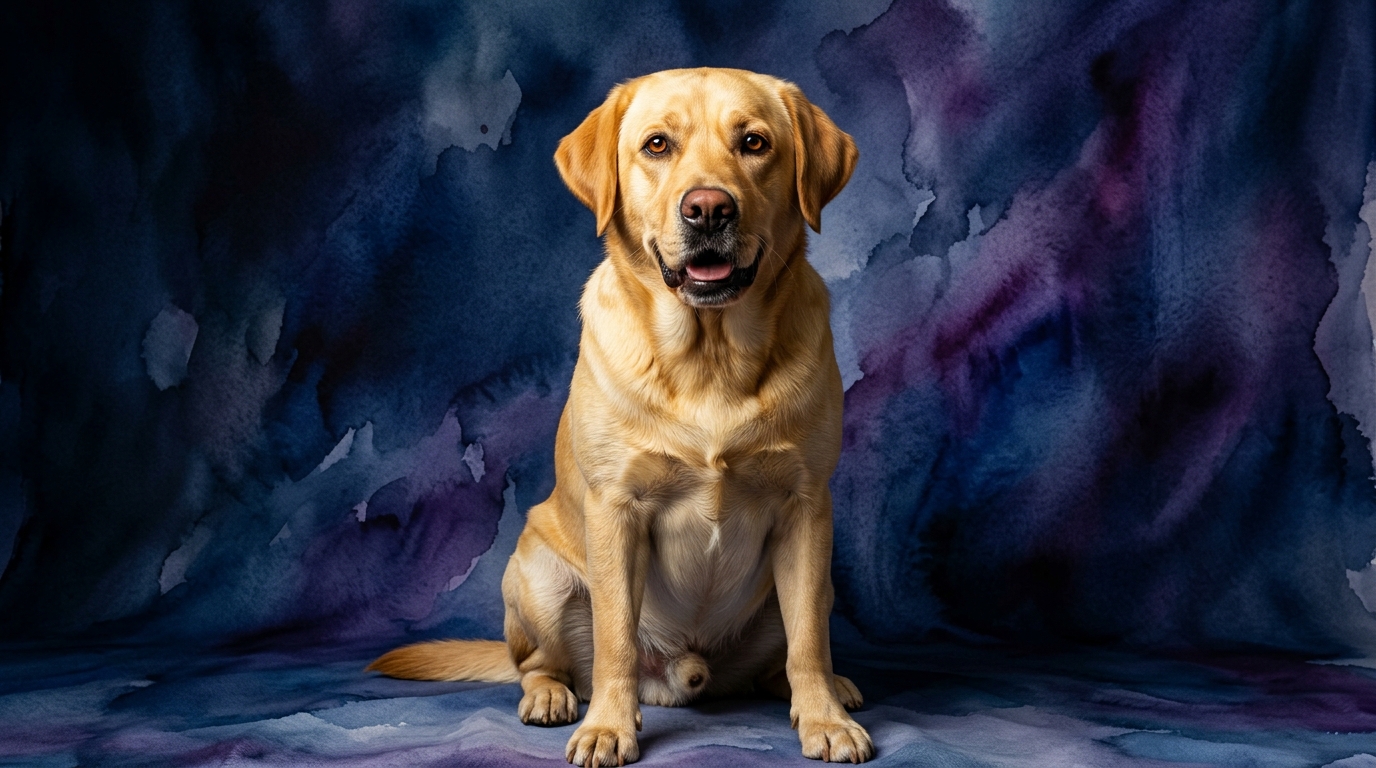
The Cosmic Pet Pet IQ Lab employs a multi-dimensional approach to assess canine cognition, moving beyond simple obedience to capture a breed's full mental landscape. For the Labrador Retriever, ranked #7 by Coren and a member of the Sporting Group, their profile highlights exceptional adaptability and partnership skills. Their Problem Solving is rated 4/5, indicating a capacity for navigating novel situations and learning complex tasks. Training Speed shines at 5/5, reflecting their eagerness to please and rapid acquisition of new commands. Social Intelligence also scores a perfect 5/5, showcasing their ability to interpret human cues and integrate seamlessly into family dynamics. Instinctive Drive, at 4/5, speaks to their strong retrieving instincts and motivation for work, while Memory, at 4/5, supports their consistent performance and retention of learned behaviors.
In contrast, the Redbone Coonhound, a member of the Hound Group and not Coren-ranked, presents a profile geared towards independent, scent-driven work. Their Problem Solving is rated 3/5, suggesting they excel at resolving challenges within their specific hunting context rather than broad, human-centric puzzles. Training Speed is 3/5, indicating they can learn but often require more patience and motivation due to their independent nature and strong olfactory focus. Social Intelligence is also 3/5; while capable of forming bonds, their primary drive isn't always human interaction but rather the pursuit of a scent. Instinctive Drive, at 3/5, is intensely focused on tracking and trailing, often overriding other impulses. Memory, also 3/5, serves their ability to recall scent trails and hunting strategies over complex terrains.
Where Labrador Retriever Wins Cognitively
The Labrador Retriever's cognitive strengths are evident in their remarkable versatility and cooperative spirit. Their 5/5 Training Speed means they absorb and respond to commands with exceptional alacrity, making them highly receptive to formal obedience, agility, and service work. This rapid learning curve is supported by their 5/5 Social Intelligence, which allows them to keenly observe and interpret human intentions, leading to more fluid communication and a greater desire to work alongside their owners. They consistently excel in tasks requiring attention to human direction and adapting to varied environments, from bustling city parks to quiet homes. Their 4/5 Problem Solving capability means they can quickly generalize learned behaviors to new scenarios, such as figuring out how to open a child-proof gate or navigating a complex obstacle course, demonstrating flexible cognitive application beyond a single specialized task.
Where Redbone Coonhound Wins Cognitively
The Redbone Coonhound's cognitive prowess is uniquely specialized, particularly within their ancestral purpose. Their 3/5 Instinctive Drive, while not the highest score, represents an incredibly focused and enduring olfactory intelligence. This drive enables them to follow complex, aged scent trails over vast and challenging terrains for hours, a cognitive feat requiring immense concentration and stamina. Their Problem Solving at 3/5, in this context, manifests as an ability to independently decipher scent puzzles, such as distinguishing between multiple trails or finding a lost scent, without constant human intervention. They possess a remarkable capacity for sustained, autonomous work where their nose is the primary guide, demonstrating a different kind of cognitive resilience and determination. This specialized problem-solving and memory (3/5) for scent information allow them to navigate and map environments based on olfactory cues, a complex cognitive skill vital for their work.
Which is Easier to Train and Why
The Labrador Retriever is generally easier to train due to their inherent eagerness to please and high social intelligence. Their 5/5 Training Speed means they quickly associate commands with actions and rewards, making basic and advanced obedience relatively straightforward. They thrive on positive reinforcement and human interaction, consistently seeking to understand and fulfill expectations. This cooperative nature, combined with their 4/5 Problem Solving, allows them to adapt rapidly to new training methods and generalize lessons effectively across different contexts.
Conversely, the Redbone Coonhound, with a 3/5 Training Speed and Social Intelligence, presents a more independent training challenge. Their powerful instinctive drive for scent work often overrides their desire to comply with human commands, especially when a compelling scent is present. Training a Redbone requires significant patience, consistency, and an understanding of their deep-seated motivation. While they can learn, their independent problem-solving skills are typically directed towards tracking, meaning they may not see the immediate relevance of human-centric obedience tasks, making them appear more stubborn or easily distracted by environmental stimuli. Their training often benefits from methods that leverage their natural instincts rather than trying to suppress them.
Which Suits Active Owners vs. Relaxed Owners
For active owners seeking a versatile partner, the Labrador Retriever is an excellent match. Their 4/5 Instinctive Drive and 5/5 Social Intelligence mean they thrive on engaging activities that involve their human companions, such as retrieving, hiking, swimming, or participating in dog sports. They possess the mental and physical stamina for sustained activity and enjoy learning new skills, making them ideal for owners who want a dog to actively participate in their adventurous lifestyle. Their adaptability also means they can settle down well after exercise, making them suitable for owners who appreciate a balanced dog.
The Redbone Coonhound, with its specialized 3/5 Instinctive Drive for scent work, is best suited for active owners who understand and can channel their unique energy. These are not dogs for casual strolls; they require extensive opportunities to use their nose, whether through scent work, long hikes, or supervised off-leash exploration in secure areas. Their endurance and focused drive mean they need an owner who is committed to providing consistent, vigorous exercise, ideally involving tracking or trailing activities. They are less suited for relaxed owners who cannot meet their substantial exercise and mental stimulation needs, as boredom can lead to destructive behaviors. Owners who appreciate a dog with a strong, independent working drive will find a fulfilling partnership with a Redbone.
The Verdict: When to Choose Each Breed
Choosing between a Labrador Retriever and a Redbone Coonhound hinges on an owner's lifestyle, experience, and what they seek in a canine companion. The Labrador Retriever is the ideal choice for families or individuals desiring a highly adaptable, eager-to-please dog that excels in cooperative learning and integrates seamlessly into a variety of social settings. Their high scores in social intelligence and training speed make them excellent candidates for first-time dog owners, those seeking a versatile family pet, or a dog for diverse activities like obedience, therapy work, or service roles.
Conversely, the Redbone Coonhound is best suited for experienced owners who appreciate an independent, scent-driven canine and are prepared to meet substantial exercise and specialized mental stimulation needs. They thrive with owners who understand hound behavior, can channel their powerful instinctive drive into appropriate outlets like scent work or hunting, and are patient with their more independent training approach. If you're looking for a dog that partners closely with you on scent-based adventures and can work autonomously, the Redbone Coonhound offers a uniquely rewarding connection.
The Verdict
Choose the Labrador Retriever if you desire a highly adaptable, cooperative, and eager-to-please companion that excels in diverse training and family environments.
Opt for the Redbone Coonhound if you are an experienced owner seeking an independent, scent-driven partner who thrives on extensive outdoor activity and specialized tracking work.
🧠 Find Your Pet's IQ Score
Our Pet IQ Lab assessment covers 25+ tests across 5 cognitive dimensions — personalized to your breed.
Take the Full IQ Test →Frequently Asked Questions
Are Redbone Coonhounds harder to train than Labradors?
Generally, yes. Redbone Coonhounds have a lower training speed and higher independent drive, meaning they may require more patience and consistent, specialized training methods compared to the highly cooperative Labrador Retriever.
Which breed is better for a first-time dog owner?
The Labrador Retriever is typically a better choice for first-time dog owners due to their higher social intelligence, eagerness to please, and faster training speed, making them more forgiving and easier to manage for novices.
Do Redbone Coonhounds need a lot of exercise?
Yes, Redbone Coonhounds require significant and consistent exercise that engages their powerful scent drive and endurance. They are not content with short walks and thrive on activities like long hikes, scent work, or hunting to satisfy their instinctive needs.