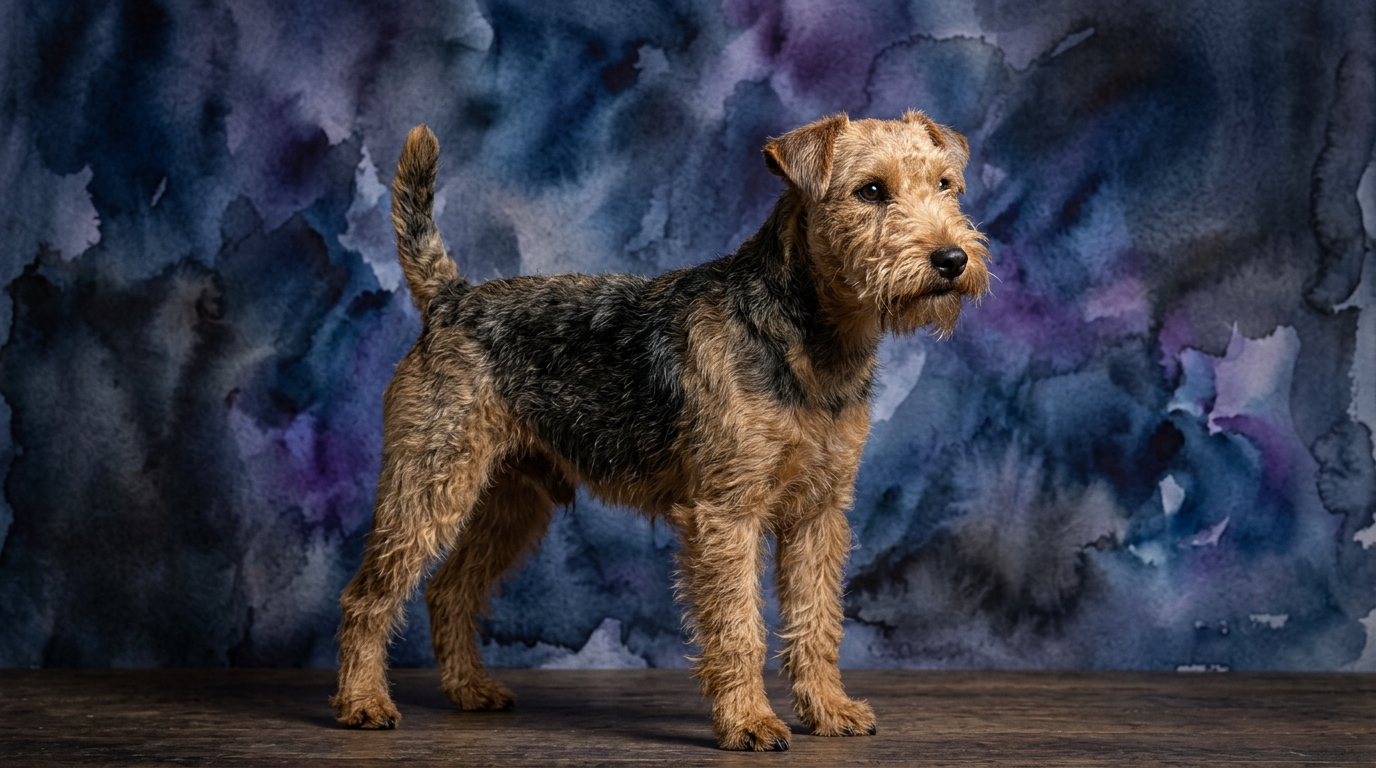

Side-by-Side IQ Profile: Unpacking the 3/5 Scores
When both the Lakeland Terrier and the Löwchen register a solid 3 out of 5 across all five intelligence dimensions, it signals competence without extremity. This shared score doesn't mean their minds operate identically; rather, it suggests a similar capacity for learning and adaptation, but applied through very different lenses. Understanding these nuances requires looking beyond the number and into the breed's historical role and inherent drives.
For the Lakeland Terrier, a 3/5 in Problem Solving reflects their heritage as a working terrier, needing to independently navigate complex underground tunnels and outsmart clever quarry. Their solutions often involve persistence, physical agility, and a certain amount of self-reliance, rather than seeking human guidance. In Training Speed, a 3/5 indicates they are certainly capable of learning commands and routines, but their independent spirit often means they choose when and how to demonstrate that knowledge. It's not a lack of understanding, but a strong will. Their Social Intelligence at 3/5 means they can read human cues and bond deeply, yet they often prioritize their own agenda or the thrill of the chase over constant human appeasement. The 3/5 in Instinctive Drive is strongly tied to their prey drive, digging, and vocalizations—instincts deeply embedded and requiring active management. Finally, a 3/5 in Memory suggests they retain learned behaviors and routines effectively, but also remember patterns of success in their own independent pursuits, which can sometimes make them appear 'stubborn' in training.
The Löwchen, or 'Little Lion Dog,' exhibits its 3/5 scores through a very different temperament. Their Problem Solving at 3/5 leans more towards social navigation and optimizing their environment for comfort and companionship. They might figure out how to get extra attention or manipulate situations for treats, rather than tackling a physical challenge with terrier tenacity. A 3/5 in Training Speed highlights their eagerness to please and quick grasp of new concepts, particularly when positive reinforcement is used. They enjoy the interaction and mental stimulation of learning, often picking up tricks rapidly. Their Social Intelligence at 3/5 is a standout trait, as they are highly attuned to human emotions and desires, thriving on companionship and interaction. They excel at adapting their behavior to fit into a family dynamic. Their Instinctive Drive, also 3/5, is less about prey and more about companionship, play, and a keen 'watchdog' alertness, often manifesting as alert barking to perceived threats. Their Memory at 3/5 is robust for remembering routines, favorite people, and pleasant interactions, making them reliable companions who recall training well.
Where Lakeland Terrier Wins Cognitively
The Lakeland Terrier's cognitive strengths truly shine in scenarios demanding independent thought and tenacious execution. Their problem-solving isn't about pleasing an owner; it's about achieving a goal, often a self-appointed one. This translates into a remarkable resourcefulness when faced with obstacles, be it a puzzle toy or a perceived barrier to exploration. They possess a unique blend of physical and mental agility, capable of devising and executing multi-step plans to reach an objective, such as figuring out how to open a gate or retrieve a toy from an awkward spot. This inherent drive for independent action means they can thrive in environments where they are encouraged to think for themselves, provided these outlets are constructive and safe.
Furthermore, their terrier tenacity, while sometimes challenging in training, is a cognitive win in itself. It’s a persistence that ensures they don't give up easily on a task they deem important. This isn't brute force; it's a cognitive loop of 'try, assess, try again' until success is achieved. For owners who appreciate a dog with strong character and the intelligence to pursue their own interests with vigor, the Lakeland Terrier's independent problem-solving and unyielding drive are compelling cognitive attributes.
Where Löwchen Wins Cognitively
The Löwchen's cognitive prowess is most evident in its profound social intelligence and adaptability within a human family structure. While the Lakeland Terrier solves problems independently, the Löwchen excels at solving social puzzles – understanding human moods, anticipating desires, and adjusting its own behavior to maintain harmony or gain affection. This breed possesses an innate ability to read subtle cues, often seeming to know what their owner wants before it's even expressed verbally. Their eagerness to engage and participate makes them exceptionally responsive to interactive games and communication.
Their cognitive strength lies in their ability to integrate seamlessly into diverse household dynamics, adapting their energy levels and playfulness to match their family. This social acumen makes them excellent therapy dogs or companions for those who value deep, intuitive connection. They remember not just commands, but also the emotional context of interactions, fostering a strong, empathetic bond. The Löwchen's intelligence is geared towards connection and shared experience, making them masters of cooperative engagement.
Which is Easier to Train and Why
When considering ease of training, the Löwchen generally presents a more straightforward path for the average owner, primarily due to their intrinsic motivation for companionship and cooperation. Their high social intelligence means they are often eager to please and quick to pick up on what is expected of them, especially when training is framed as a fun, interactive activity. They respond exceptionally well to positive reinforcement, viewing training sessions as valuable bonding time. While they can get bored with excessive repetition, their general amenability and desire to be involved make them highly receptive to learning new commands and tricks.
The Lakeland Terrier, by contrast, can be more challenging to train due to their robust independence and strong instinctive drives. Their intelligence is channeled towards self-sufficiency, meaning they may weigh whether a command is truly worth their effort, especially if it conflicts with a more pressing terrier instinct like chasing a squirrel. Training a Lakeland requires immense consistency, creativity, and a deep understanding of their terrier nature. Owners often need to make training feel like a game or a challenge they can 'win,' rather than a simple command-and-obey scenario. While they are capable learners, their compliance is often linked to their perception of the task's value or the strength of their bond with the trainer, demanding a more nuanced and patient approach.
Which Suits Active Owners vs. Relaxed Owners
The Lakeland Terrier is undoubtedly better suited for active owners who relish engaging with a spirited and mentally robust companion. Their 3/5 instinctive drive, coupled with their independent problem-solving, means they require consistent mental and physical outlets to prevent boredom and potential destructive behaviors. Owners who enjoy activities like earthdog trials, agility, extended hikes, or structured obedience work will find a willing and capable partner in the Lakeland. They thrive when given a 'job' or a challenging activity that taps into their terrier instincts, transforming their tenacity into focused energy. A relaxed owner who cannot provide these outlets might find themselves overwhelmed by the Lakeland's unchanneled vigor and ingenuity.
The Löwchen, while certainly enjoying activity, is a better fit for owners who might lean towards a more relaxed lifestyle but still desire a highly engaged and interactive companion. Their cognitive profile emphasizes social connection and adaptable engagement over intense, independent physical exertion. They are content with daily walks, indoor games, and plenty of cuddle time on the couch, as long as they are involved in family life. Their intelligence is best stimulated through companionship, puzzle toys, and interactive play that reinforces their bond with their human. They are adaptable to apartment living provided their social and moderate exercise needs are met, making them ideal for individuals or families who want a charming, intelligent dog without the intense demands of a working breed.
The Verdict
Choose the Lakeland Terrier if you are an active, experienced owner ready to channel a keen, independent intellect and strong terrier drives into engaging activities and consistent, creative training.
Opt for the Löwchen if you seek a charming, socially intelligent companion who thrives on close interaction, adapts readily to family life, and offers a more amenable training experience for a moderately active lifestyle.
🧠 Find Your Pet's IQ Score
Our Pet IQ Lab assessment covers 25+ tests across 5 cognitive dimensions — personalized to your breed.
Take the Full IQ Test →Frequently Asked Questions
Are Lakeland Terriers truly stubborn, or is it a misunderstanding of their intelligence?
Lakeland Terriers are not stubborn in the sense of lacking understanding; rather, their independence and strong self-will mean they often prioritize their own perceived objectives over immediate human commands. Their 3/5 training speed suggests they learn effectively, but their compliance is often contingent on the perceived value of the task or the strength of their bond, requiring engaging and consistent training methods.
How does a Löwchen's social intelligence manifest in daily life?
A Löwchen's 3/5 social intelligence allows them to be highly attuned to human emotions and family dynamics. They often anticipate needs, seek out interaction, and adapt their behavior to fit the mood of the household. This manifests as an eagerness to please, a desire to be involved in all activities, and a remarkable ability to offer comfort or solicit play at just the right moment.
Given their identical IQ scores, what's the primary differentiator in their cognitive profiles?
Despite identical 3/5 scores, the primary differentiator lies in the *application* and *motivation* behind their cognitive abilities. The Lakeland Terrier's intellect is geared towards independent problem-solving and tenacious pursuit of self-directed goals, rooted in its working heritage. The Löwchen's intelligence is primarily focused on social interaction, companionship, and adapting to human family life, reflecting its role as a devoted companion dog.