Side-by-Side IQ Profile: Leonberger vs. Cesky Terrier
The Cosmic Pet Pet IQ Lab assesses canine intelligence across five key dimensions, offering a granular view of how different breeds process and interact with their world. For the Leonberger and Cesky Terrier, while their numerical ratings are identical across the board, the manifestation of these cognitive traits varies significantly due to their distinct breed histories and physical attributes.
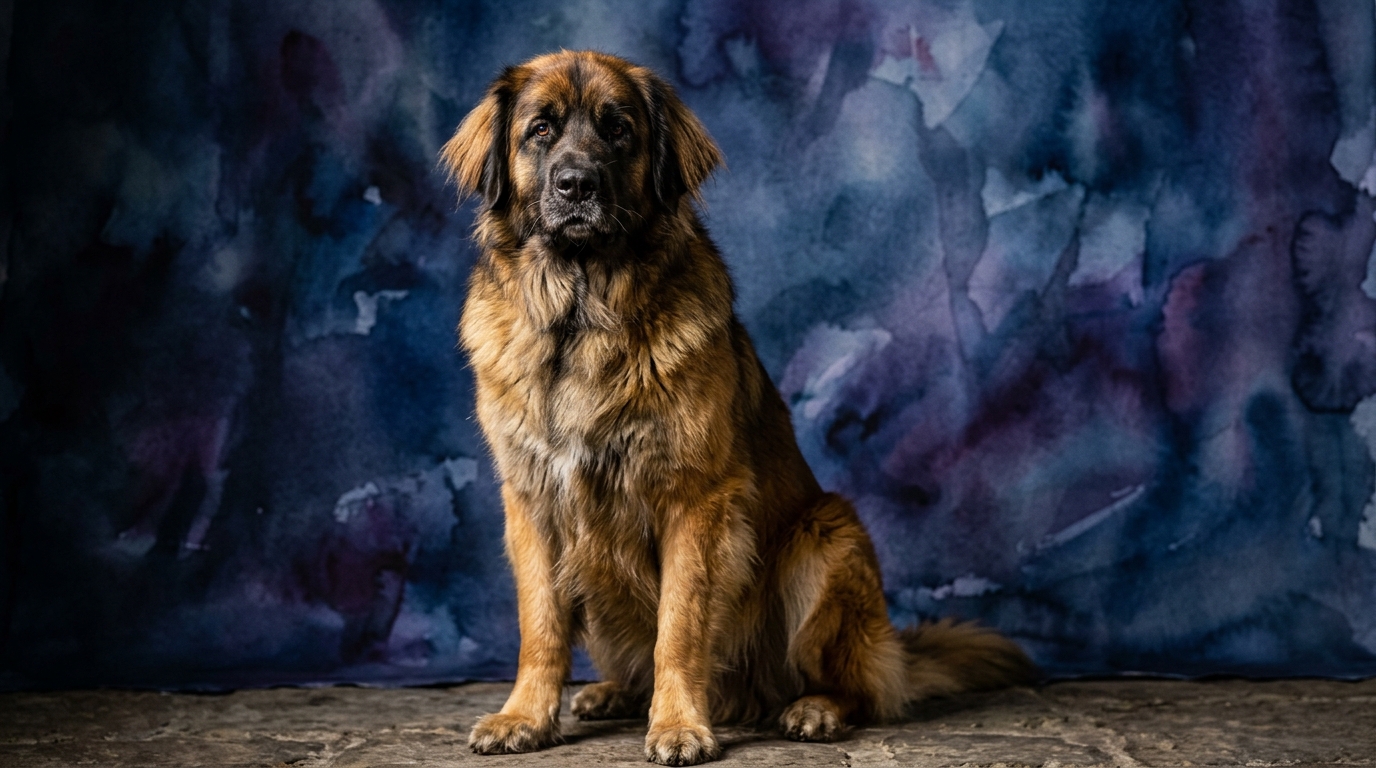
The Leonberger presents a thoughtful, methodical approach to mental tasks. Their Problem Solving is rated 3/5, suggesting they aren't quick to unravel complex puzzles but are capable of persistent, reasoned thought, particularly when a clear objective or a collaborative effort is involved. Their Training Speed, also 3/5, indicates they absorb new commands at a moderate pace, often thriving with consistent, positive reinforcement that appeals to their desire for connection. In Social Intelligence (3/5), they exhibit a good grasp of human emotional states and household dynamics, forming deep bonds with their family while often being discerning and observational with new acquaintances. Their Instinctive Drive (3/5) is rooted in their heritage as gentle guardians, manifesting as a watchful presence and a strong drive for companionship rather than high-intensity prey pursuit. Finally, their Memory (3/5) allows them to retain routines, learned behaviors, and social interactions effectively, recalling both positive and challenging past experiences.
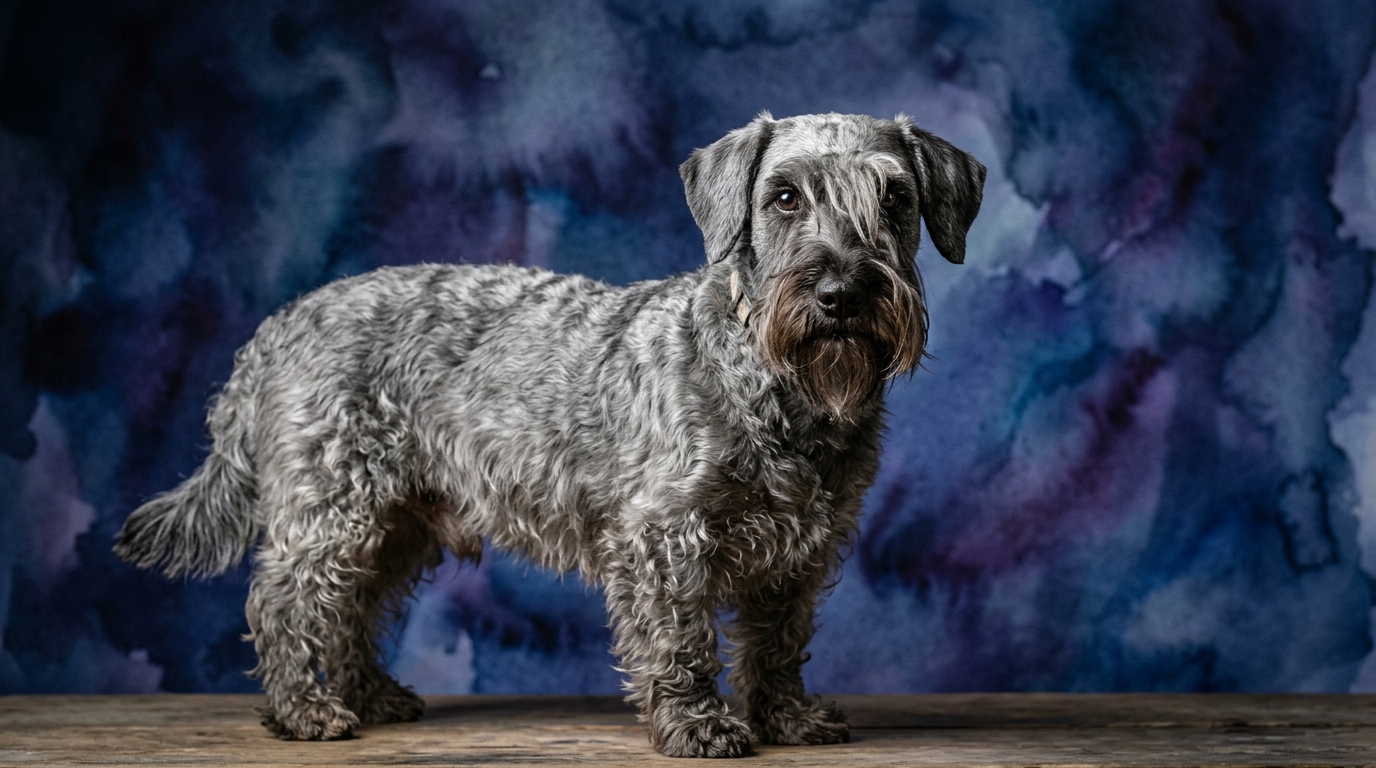
The Cesky Terrier, in contrast, brings a tenacious and often independent spirit to cognitive challenges. Their Problem Solving (3/5) reflects a moderate ability to navigate obstacles, frequently employing persistence and terrier-typical ingenuity, especially if the goal involves accessing something intriguing or exploring a confined space. Their Training Speed, also 3/5, means they grasp concepts at a moderate rate, but their inherent independence can sometimes create the impression of selectivity in applying what they've learned, requiring engaging and patient methods. Social Intelligence (3/5) for the Cesky involves a strong connection with their immediate human companions, often displaying an acute awareness of their household's social fabric, though they can be reserved or cautious when encountering unfamiliar people or animals. Their Instinctive Drive (3/5) is pronounced, characteristic of their terrier lineage, encompassing a strong desire for digging, chasing small, fast-moving objects, and independent exploration of their environment. Their Memory (3/5) ensures good retention of commands and routines, and they effectively recall past events, particularly those that were stimulating or memorable.
Where the Leonberger Wins Cognitively
While both breeds share a 3/5 rating across all dimensions, the Leonberger's cognitive strengths manifest uniquely. Their social intelligence often shines in their capacity to integrate seamlessly into a human family, demonstrating a nuanced understanding of household routines and emotional atmospheres. They can be particularly adept at discerning changes in their owner's mood or the subtle dynamics of a group, responding with a calm presence. In problem-solving, the Leonberger might excel in situations requiring a measured, patient approach rather than rapid, impulsive action. For instance, figuring out how to gently maneuver around a child without disturbing them, or patiently working on a puzzle that requires multiple steps of manipulation rather than brute force. Their memory, combined with their social acumen, means they are excellent at remembering complex family schedules and the specific preferences of each member, contributing to a harmonious home environment. This strength in recall makes them particularly responsive to consistent, established household norms.
Where the Cesky Terrier Wins Cognitively
The Cesky Terrier, despite matching the Leonberger in numerical ratings, demonstrates distinct cognitive advantages rooted in their terrier nature. Their problem-solving skills often come to the forefront in scenarios demanding resourcefulness and tenacity. For example, a Cesky might exhibit superior ingenuity in figuring out how to retrieve a toy from under a piece of furniture, utilizing their compact size and persistent determination to manipulate objects or navigate tight spaces. Their instinctive drive, rated 3/5, translates into a keen ability to independently explore and investigate their surroundings, making them adept at tasks that involve scent work or navigating complex outdoor environments. This drive also fuels their memory for specific locations of interest, such as where a squirrel was last seen or where they buried a favorite toy. Furthermore, their social intelligence, while perhaps more reserved with strangers, allows them to quickly assess new situations and react with a calculated blend of curiosity and caution, a trait vital for a small, independent breed. This ability to make quick, self-preserving judgments in novel settings is a specific cognitive advantage.
Which is Easier to Train and Why
Both the Leonberger and the Cesky Terrier share a training speed rating of 3/5, indicating they learn new commands at a moderate pace. However, the *experience* of training each breed can differ considerably due to their inherent behavioral tendencies. The Leonberger, with its strong desire to please its human companions and its typically calmer disposition, often approaches training with a cooperative attitude. While they might take a moment to process multi-step instructions, their willingness to engage and work alongside their owner can make the training process feel more straightforward and less confrontational. They often respond well to consistent, gentle guidance and positive reinforcement, thriving on the bond it strengthens. In contrast, the Cesky Terrier's independent spirit and strong instinctive drives, particularly for exploration and scent work, can present a different set of training considerations. While capable of understanding commands, a Cesky might choose to prioritize an interesting scent or a perceived 'mission' over immediate compliance. Their training requires more creativity, patience, and engaging methods to capture and maintain their focus, often needing to outsmart their independent streak. Therefore, while both learn, the Leonberger's natural inclination towards partnership often makes them *feel* easier to train for general obedience, whereas the Cesky demands a trainer who appreciates and can channel their self-directed nature.
Cognitive Profiles and Lifestyle Match: Active vs. Relaxed Owners
Understanding the nuances of their cognitive profiles helps in matching these breeds with suitable lifestyles. The Leonberger, despite its majestic size, generally suits owners who appreciate a balance of activity and calm companionship. While they enjoy moderate daily walks, engaging in family activities, and perhaps some gentle outdoor exploration, they are typically content to relax indoors, often preferring to be near their people. Their problem-solving and social intelligence are well-suited to a household that values consistent routines and collaborative interactions. They thrive with owners who can provide calm, consistent engagement rather than high-intensity, constant activity. For the Cesky Terrier, while also possessing moderate exercise needs, their cognitive makeup points towards owners who are prepared for a more mentally stimulating and varied routine. Their instinctive drives for digging, chasing, and independent exploration mean they benefit from opportunities to engage these behaviors constructively. This might include structured playtime, scent games, or securely fenced areas where they can investigate safely. They are a good fit for owners who enjoy active problem-solving with their dog, appreciate a spirited companion, and are willing to provide consistent mental enrichment to channel their terrier tenacity. While both breeds can adapt, the Cesky's inherent independence and drive for self-directed activity might make them a more suitable companion for owners seeking a dynamic, engaging mental partner.
The Verdict
Choose a Leonberger if you seek a large, devoted companion that integrates deeply into family life, offering calm companionship and a gentle, watchful presence. They thrive with owners who appreciate a dog that responds well to consistent, positive guidance and values a harmonious home environment.
Opt for a Cesky Terrier if you enjoy a dog with a spirited, independent streak, capable of engaging in self-directed exploration and problem-solving. They are an excellent match for owners prepared to channel their inherent terrier instincts with varied activities and engaging mental challenges.
🧠 Find Your Pet's IQ Score
Our Pet IQ Lab assessment covers 25+ tests across 5 cognitive dimensions — personalized to your breed.
Take the Full IQ Test →Frequently Asked Questions
Are Leonbergers good at learning tricks?
Yes, Leonbergers are capable of learning a variety of tricks, especially those that involve multi-step actions or working alongside their owner. Their 3/5 training speed means they'll learn at a moderate pace, but their desire to please can make them very receptive to positive reinforcement in trick training.
Do Cesky Terriers need a lot of mental stimulation?
Absolutely. While their physical exercise needs are moderate, Cesky Terriers benefit significantly from mental stimulation to satisfy their instinctive drives. Engaging them with puzzle toys, scent games, or structured exploration can help channel their problem-solving and independent nature positively.
How do their social skills differ with other pets?
Leonbergers generally possess a calm social intelligence, often integrating well with other household pets, especially if introduced thoughtfully. Cesky Terriers, with their terrier instincts, can be more reserved or assertive with other animals, particularly smaller ones, requiring careful introductions and supervision to ensure harmony.