
Side-by-Side Cognitive Profile
**Problem Solving (3/5):** A Leonberger's 3/5 in problem-solving suggests a practical, deliberate approach rather than rapid, innovative solutions. They can untangle moderate challenges, particularly those related to their environment or social interactions, but might require consistent exposure or guidance to master complex, abstract puzzles. Their larger size and working background mean their problem-solving often involves navigating physical obstacles or understanding spatial relationships within their territory.
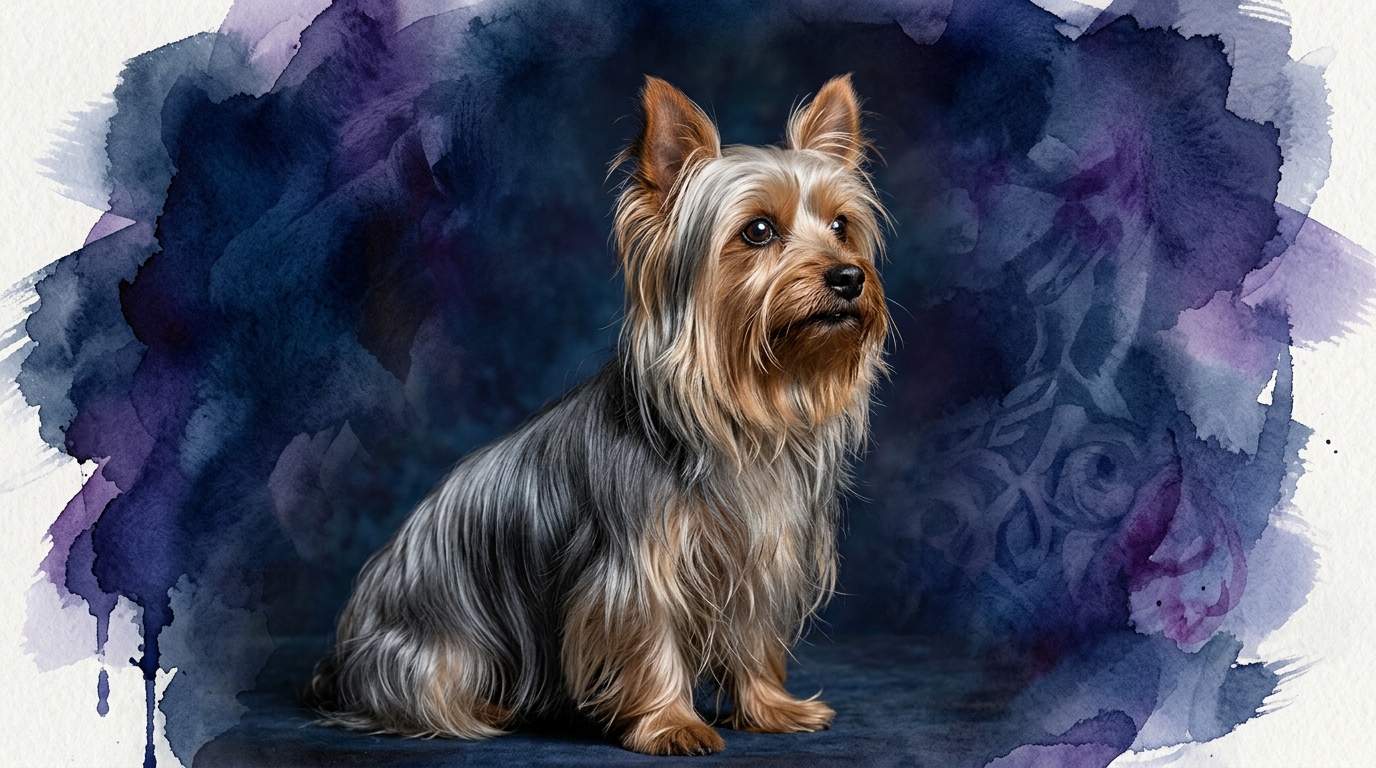
For a Silky Terrier, a 3/5 in problem-solving indicates a capacity for figuring out immediate, often self-serving, solutions to daily dilemmas. They might skillfully manipulate objects to reach a desired toy or navigate household furniture to get closer to their person. Their smaller scale means their 'problems' are often confined to a more domestic, intricate scope, solved with a combination of persistence and cunning, rather than brute force.
**Training Speed (3/5):** A 3/5 in training speed for a Leonberger implies a moderate pace of learning new commands and routines. They absorb information steadily, benefiting greatly from positive reinforcement and patient repetition. While they might not grasp a complex sequence in a single session, their consistency and desire to please their family ensure that, with time and clear communication, they develop a reliable repertoire of behaviors. Their sheer size means precise, early training is vital for safety and control.
A Silky Terrier's 3/5 training speed suggests they are capable learners, but their focus can be fleeting, and their independent streak sometimes makes consistent execution a challenge. They pick up basic commands with fair ease, especially when the reward is highly motivating, but might require a varied approach to maintain engagement for more intricate tasks. Their quick wit means they can sometimes outsmart a handler who isn't consistent, learning what they *can* get away with rather than strictly adhering to rules.
**Social Intelligence (3/5):** With a 3/5 in social intelligence, Leonbergers demonstrate a good understanding of social cues within their family unit and familiar circles. They are attuned to human emotions and intentions, often responding with empathetic gestures or seeking to comfort. While generally gentle giants, their social understanding might be more directed towards maintaining harmony and protecting their loved ones, sometimes leading to a reserved demeanor with strangers until trust is established.
A Silky Terrier's 3/5 in social intelligence manifests as a keen awareness of their human companions' moods and a desire to be at the center of attention. They often use their charm and animated expressions to solicit interaction or gauge the receptiveness of their environment. Their social acumen is often leveraged for personal gain, ensuring they are not overlooked, and they can be quite adept at reading subtle shifts in human behavior to get what they want.
**Instinctive Drive (3/5):** A 3/5 in instinctive drive for a Leonberger points to a balanced, yet present, set of inherent behaviors. Their historical role as farm dogs and companions means they possess moderate guarding instincts, a desire to be with their family, and a propensity for gentle play. These drives are typically manageable and channelable, manifesting as a strong bond with their people and a natural inclination to be aware of their surroundings without being overly reactive.
For a Silky Terrier, a 3/5 in instinctive drive reflects their terrier heritage – a moderate but persistent prey drive, a desire to explore, and a confident, sometimes feisty, self-preservation instinct. These drives are not overwhelming but are noticeable, often manifesting as a keen interest in small, scurrying creatures or a determination to investigate every nook and cranny of their environment. They retain a certain independence stemming from their original purpose of hunting vermin.
**Memory (3/5):** A 3/5 in memory suggests Leonbergers possess a solid capacity for retaining learned behaviors, routines, and social interactions over time. They remember people, places, and commands reliably, especially those associated with positive experiences or consistent practice. Their memory contributes to their steady temperament and makes them predictable and dependable companions once routines are established.
A Silky Terrier's 3/5 memory score indicates they can recall commands and experiences effectively, particularly if those experiences were emotionally significant or led to a desired outcome. They remember who offers treats, where their favorite toys are hidden, and the boundaries they've successfully pushed. Their memory serves their independent spirit, allowing them to learn and adapt to their environment while retaining a mischievous streak.
Where the Leonberger Wins Cognitively
Leonbergers exhibit a distinct cognitive advantage in tasks requiring patience, physical presence, and sustained, low-intensity monitoring. Their sheer size and calm demeanor make them exceptionally suited for roles demanding a steady, watchful presence, such as therapy work or calm companionship. Their problem-solving, though not rapid, is often applied to understanding and navigating complex social dynamics within a family, acting as a gentle, reassuring force. This manifests in their ability to remain composed in bustling environments, processing sensory input without becoming overwhelmed, a cognitive feat for such a large animal.
Where the Silky Terrier Wins Cognitively
Silky Terriers demonstrate a cognitive edge in agility and rapid adaptation within smaller, more intricate environments. Their problem-solving is often quicker and more opportunistic when it involves manipulating objects or navigating tight spaces to achieve a goal, like retrieving a hidden treat. Their social intelligence is often more nuanced in its application, allowing them to quickly assess and exploit human attention or emotional states for their benefit. This quick processing and reactive intelligence, coupled with their inherent curiosity, make them adept at learning intricate tricks or navigating complex indoor obstacle courses with spirited enthusiasm.
Which Is Easier to Train and Why
Despite identical 3/5 training speed scores, the *experience* of training differs significantly between these breeds. Leonbergers, with their strong desire to please and generally calm temperament, often present as 'easier' to train for foundational obedience and consistent routines. Their working breed background means they respond well to clear, consistent instruction and appreciate a structured environment. Their larger physical presence also necessitates early and effective training for safety, which owners often prioritize. Conversely, Silky Terriers, while capable of learning quickly, often bring a terrier's independent spirit and shorter attention span to the training session. Their problem-solving might be applied to finding ways around commands, and their social intelligence used to charm their way out of tasks. Training a Silky requires more creativity, variety, and unwavering consistency to keep them engaged and prevent mischievous interpretations of rules. Therefore, for broad obedience and reliability, the Leonberger often feels more straightforward, while the Silky demands a more dynamic and persistent approach.
Which Suits Active Owners vs. Relaxed Owners
For active owners, the Silky Terrier presents a compelling choice. Their moderate instinctive drive and quick, agile cognitive style thrive on varied activities like agility, trick training, or engaging walks that offer mental stimulation and opportunities to explore. They enjoy being involved in their owner's dynamic lifestyle, bringing a spirited energy to every outing. Relaxed owners, on the other hand, might find a deeper connection with the Leonberger. While they still require regular exercise appropriate for their size, their calm demeanor, patient social intelligence, and steady memory make them excellent companions for a more settled household. They appreciate consistent routines, quiet companionship, and a predictable environment where their gentle nature can flourish without constant high-octane demands.
The Verdict
Choose a Leonberger if you seek a calm, steadfast companion who will steadily learn and apply their cognitive abilities to maintaining household harmony, excelling in roles requiring patience and a gentle, watchful presence.
Opt for a Silky Terrier if you desire a spirited, quick-witted partner who thrives on dynamic engagement and uses their sharp cognitive skills to navigate smaller worlds with charm and playful determination.
🧠 Find Your Pet's IQ Score
Our Pet IQ Lab assessment covers 25+ tests across 5 cognitive dimensions — personalized to your breed.
Take the Full IQ Test →Frequently Asked Questions
Do identical IQ scores mean Leonbergers and Silky Terriers are equally easy to live with?
Not necessarily. While their cognitive potential is rated similarly across dimensions, their physical size, breed-specific instincts, and typical temperaments mean their daily behaviors and needs differ significantly, impacting the owner experience. The application of their intelligence varies greatly due to their inherent nature and purpose.
How can I best stimulate a Leonberger's 3/5 problem-solving ability?
Engage a Leonberger with practical, real-world puzzles like scent work to find family members, moderate obedience challenges, or tasks that involve navigating their environment purposefully. Their problem-solving thrives on consistency and tasks that reinforce their role as a cooperative family member.
What training approach works best for a Silky Terrier given their 3/5 training speed and independent streak?
For a Silky Terrier, short, frequent, and highly engaging training sessions with varied rewards are most effective. Leverage their social intelligence and quick wit by making training a fun, interactive game, and be consistently firm but fair to channel their independence constructively.