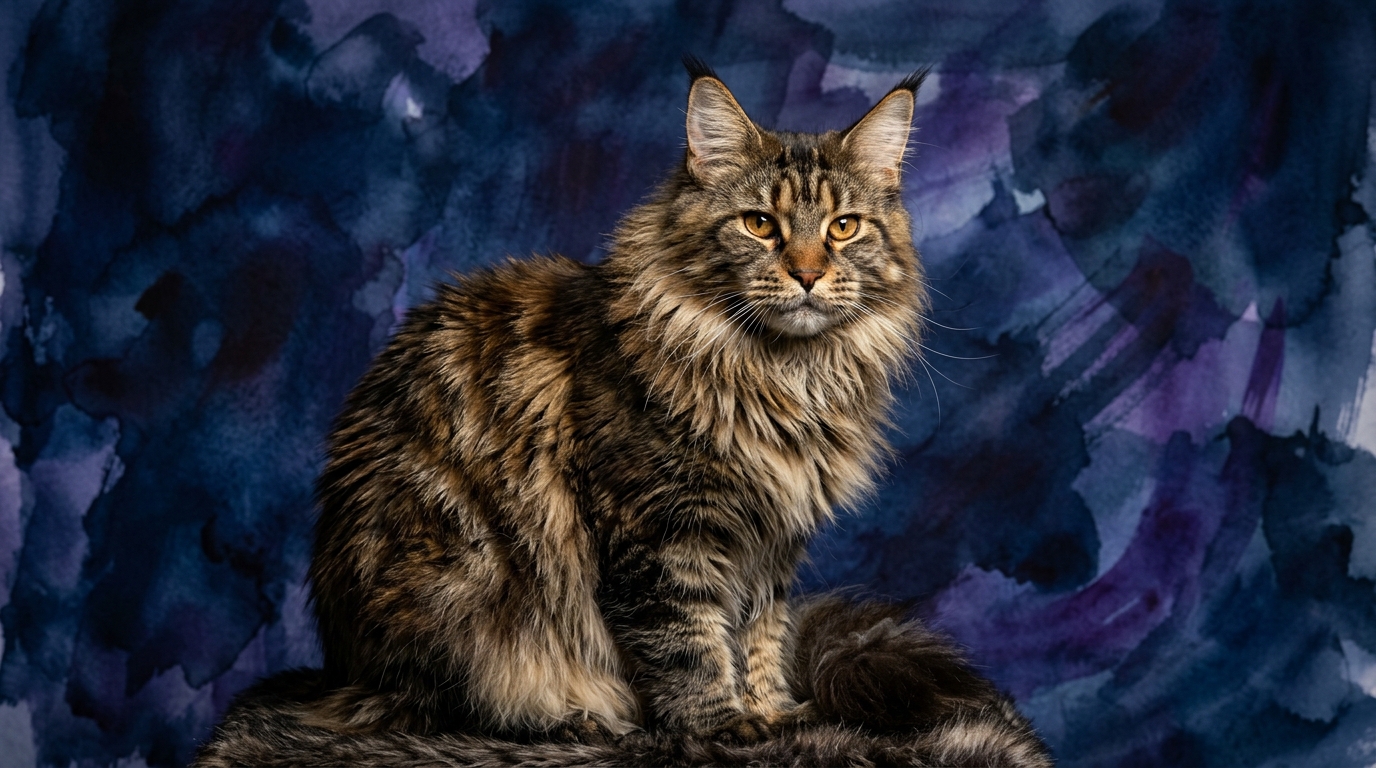
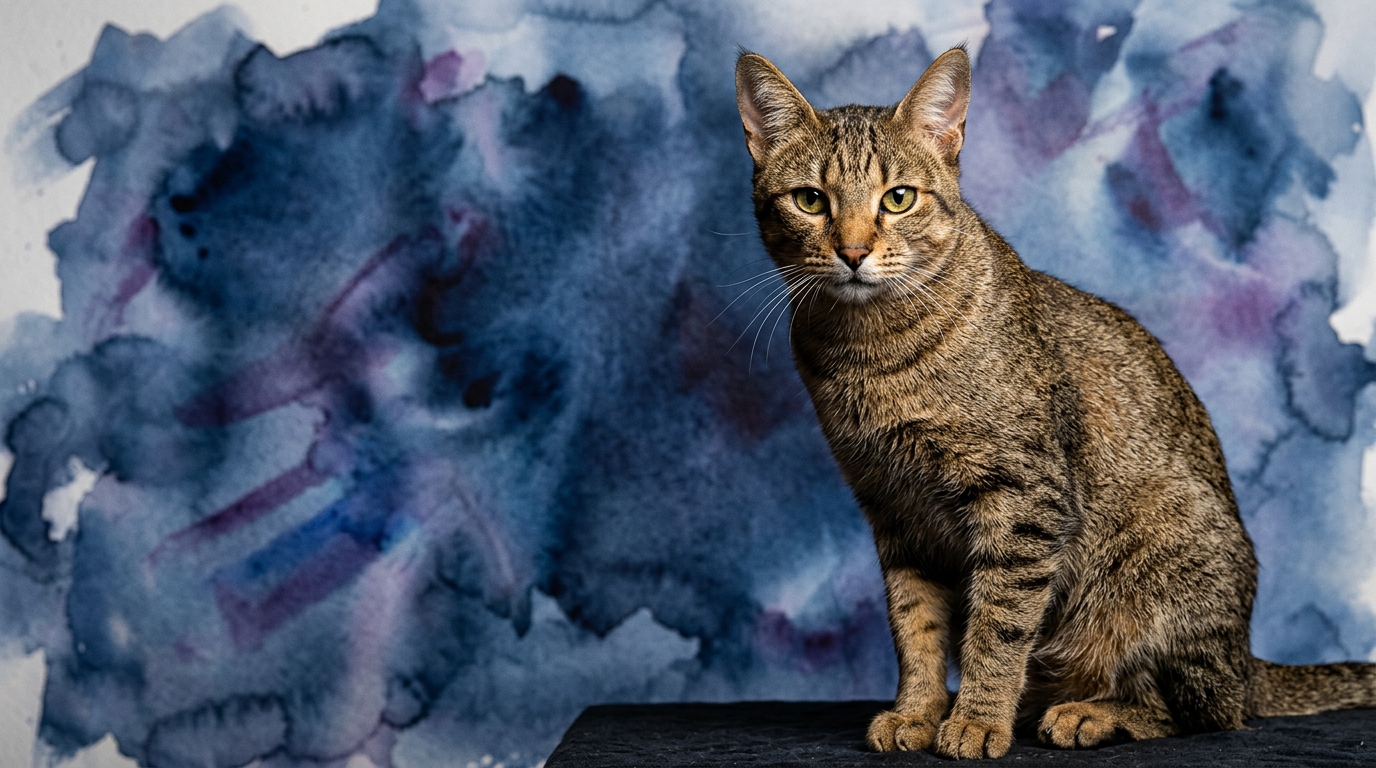
Side-by-Side IQ Profile: Maine Coon vs. Chausie
The Cosmic Pet Pet IQ Lab provides a detailed breakdown of feline cognitive abilities across five key dimensions, allowing us to accurately compare the Maine Coon and the Chausie. For the Maine Coon, we observe robust scores: Problem Solving 4/5, Training Speed 4/5, Social Intelligence 5/5, Instinctive Drive 4/5, and Memory 4/5. These metrics paint a picture of a highly engaged and adaptable feline.
In contrast, the Chausie exhibits a consistent, moderate profile across all dimensions: Problem Solving 3/5, Training Speed 3/5, Social Intelligence 3/5, Instinctive Drive 3/5, and Memory 3/5. While not as numerically high as the Maine Coon, these scores indicate a capable and intelligent cat, simply with a different cognitive emphasis. This direct comparison highlights the distinct mental landscapes each breed brings to a household, influencing their interactions, trainability, and overall compatibility with different lifestyles.
Where the Maine Coon Excels Cognitively
The Maine Coon's cognitive profile showcases a remarkable capacity for intricate thought and interaction. Their Problem Solving score of 4/5 indicates a cat adept at navigating complex environments, capable of figuring out how to open cupboard doors, manipulate puzzle toys for treats, or even learn multi-step routines to achieve desired outcomes. This isn't just about simple curiosity; it's about a systematic approach to overcoming obstacles.
Their 4/5 in Training Speed highlights a quick grasp of new commands and an ability to form associations rapidly. A Maine Coon can pick up tricks, respond to its name, or learn leash manners with relative ease, making training a rewarding and often swift process. The standout feature is their Social Intelligence, scoring an impressive 5/5. This suggests an exceptional ability to read human emotions, understand subtle cues, and form deep, complex bonds with family members. They often seek out interaction, engage in 'conversations,' and demonstrate empathy, making them profoundly integrated family members.
Furthermore, their 4/5 Memory means they retain learned behaviors, routines, and experiences over long periods, remembering specific people, past events, and where their favorite toys are hidden. This contributes to their consistent temperament and ability to adapt to changes while recalling previous successful strategies. Lastly, a 4/5 Instinctive Drive indicates a strong, yet manageable, natural curiosity and prey drive, requiring mental and physical outlets but channelled by their higher cognitive abilities into engaging play rather than indiscriminate hunting.
Where the Chausie's Cognitive Profile Offers Distinct Advantages
While the Chausie's scores are consistently 3/5, this doesn't imply a lack of intelligence; rather, it suggests a different cognitive style that offers distinct advantages for certain owners and environments. Their moderate Problem Solving score of 3/5, for instance, means they are less inclined to systematically figure out how to open complex latches or consistently outsmart intricate puzzle feeders designed for higher-scoring breeds. This can be an advantage for owners who prefer a less 'ingenious' housemate, potentially reducing instances of clever mischief and the need for constant 'cat-proofing' beyond standard measures.
Similarly, a 3/5 in Social Intelligence suggests a cat that is appreciative of companionship but may not demand the constant, intricate social engagement seen in a breed scoring 5/5. This independence can be a 'win' for individuals seeking a feline friend that is affectionate but comfortable with its own company, rather than one prone to separation anxiety or incessant demands for interaction. They form bonds, but on their own terms, often expressing affection in a more understated manner.
Their 3/5 Instinctive Drive implies a robust natural curiosity and playfulness, yet often with a slightly less intense predatory focus indoors compared to a breed with a 4/5 score. This might translate to fewer instances of 'gifts' left on your pillow or less persistent 'hunting' of household items, offering a more harmonious co-existence for some. Finally, their 3/5 Memory suggests they effectively learn routines and associations, but perhaps without the same capacity for detailed recall of minor past transgressions, potentially leading to a more forgiving and less 'calculating' daily dynamic. Their 3/5 Training Speed means they are certainly trainable, but perhaps require more repetition and patience, making the training process a steady, rewarding endeavor rather than a rapid-fire learning curve.
Which is Easier to Train and Why
Based on the IQ Lab scores, the Maine Coon is demonstrably easier to train than the Chausie. Their Training Speed of 4/5 indicates a rapid ability to grasp new commands, associate actions with consequences, and respond to cues. This is significantly aided by their 4/5 Problem Solving, which allows them to understand the logic behind tasks, and their exceptional 5/5 Social Intelligence. A Maine Coon is highly attuned to human interaction and often eager to please, making them more receptive to direction and positive reinforcement. They thrive on engaging with their human companions during training sessions, viewing it as a form of social interaction and mental stimulation. This translates into quicker acquisition of behaviors, from leash training to complex tricks, and a more cooperative training partner.
The Chausie, with a 3/5 in both Training Speed and Problem Solving, is certainly trainable but typically requires more patience and consistency. While they can learn routines and commands, the process might involve more repetition and less spontaneous understanding of complex tasks compared to a Maine Coon. Their moderate 3/5 Social Intelligence means they might be less motivated by social praise alone and respond more effectively to clear, reward-based methods that directly benefit them. Owners training a Chausie should be prepared for a steady, persistent approach, focusing on positive reinforcement and breaking tasks into smaller, manageable steps to achieve desired outcomes.
Suitability for Active vs. Relaxed Owners
The Maine Coon's comprehensive cognitive profile makes them an ideal match for active owners who relish engaging deeply with their pets. Their high scores in Problem Solving (4/5), Social Intelligence (5/5), and Memory (4/5) mean they thrive on constant mental stimulation, interactive play, and opportunities to learn new tricks or explore their environment. They enjoy puzzle toys that challenge their intellect and benefit from regular, varied play sessions that tap into their 4/5 Instinctive Drive. Maine Coons often seek out involvement in household activities, enjoying being 'part of the action,' and can become bored or mischievous if not adequately stimulated mentally and physically. An owner who enjoys teaching, playing, and providing a rich, interactive home environment will find a Maine Coon to be an incredibly rewarding and engaging companion.
The Chausie, while still an active and playful cat, is generally better suited for owners who might describe themselves as more relaxed, but critically, not neglectful. Their consistent 3/5 scores across all cognitive dimensions suggest a capable cat that appreciates consistent play and environmental enrichment but may not demand the same intensity or complexity of mental gymnastics as a Maine Coon. Their moderate Instinctive Drive means they enjoy play but may not require as much structured 'hunting' interaction. A Chausie’s more independent Social Intelligence (3/5) means they are affectionate but often content with their own company for periods, making them suitable for owners who appreciate a cat that isn't constantly seeking interaction. They can be content with a less demanding social schedule, making them a good fit for individuals or families with busy lives who can still commit to daily playtime and affection without the need for constant, intricate engagement.
The Verdict: When to Choose Each Breed
The Verdict
Choose the Maine Coon if you are an owner seeking a highly interactive, quick-learning, and profoundly socially engaged feline companion that thrives on mental challenges and complex interactions, eager to be a central part of your daily life.
Choose the Chausie if you appreciate a more independent cat that is still trainable, playful, and affectionate, offering a slightly less cognitively demanding daily interaction while providing a spirited and loyal companionship without constant intense engagement.
🧠 Find Your Pet's IQ Score
Our Pet IQ Lab assessment covers 25+ tests across 5 cognitive dimensions — personalized to your breed.
Take the Full IQ Test →Frequently Asked Questions
Are Chausies good with children?
Chausies, with their 3/5 social intelligence, can be good with respectful children, but they might prefer a calmer interaction style compared to a more socially effusive breed. Early socialization and teaching children gentle interaction are key to ensuring they are comfortable in a family environment and build positive relationships.
Do Maine Coons need a lot of grooming?
While not directly intelligence-related, Maine Coons possess a long, dense, shaggy coat that does require regular grooming to prevent mats and keep it healthy. Their intelligence, particularly their 4/5 memory, means they can learn to tolerate and even enjoy grooming sessions if introduced positively and consistently from a young age, associating it with pleasant experiences.
Can Chausies be leash trained?
Yes, Chausies can be leash trained, as indicated by their 3/5 training speed, though it might require more patience and consistent positive reinforcement than a Maine Coon. Starting training early, making it a positive and rewarding experience, and using a comfortable harness are crucial for success in acclimating them to outdoor adventures.