Side-by-Side Cognitive Profiles
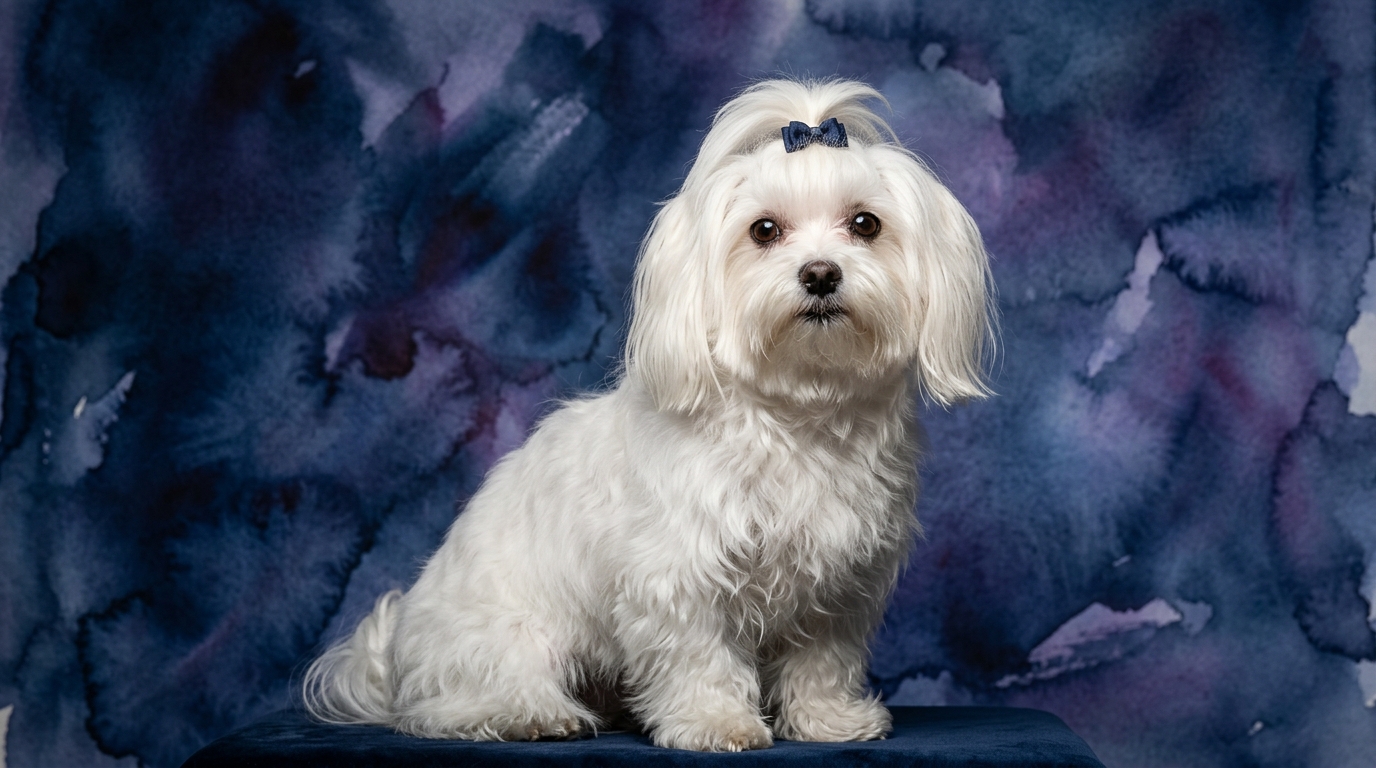
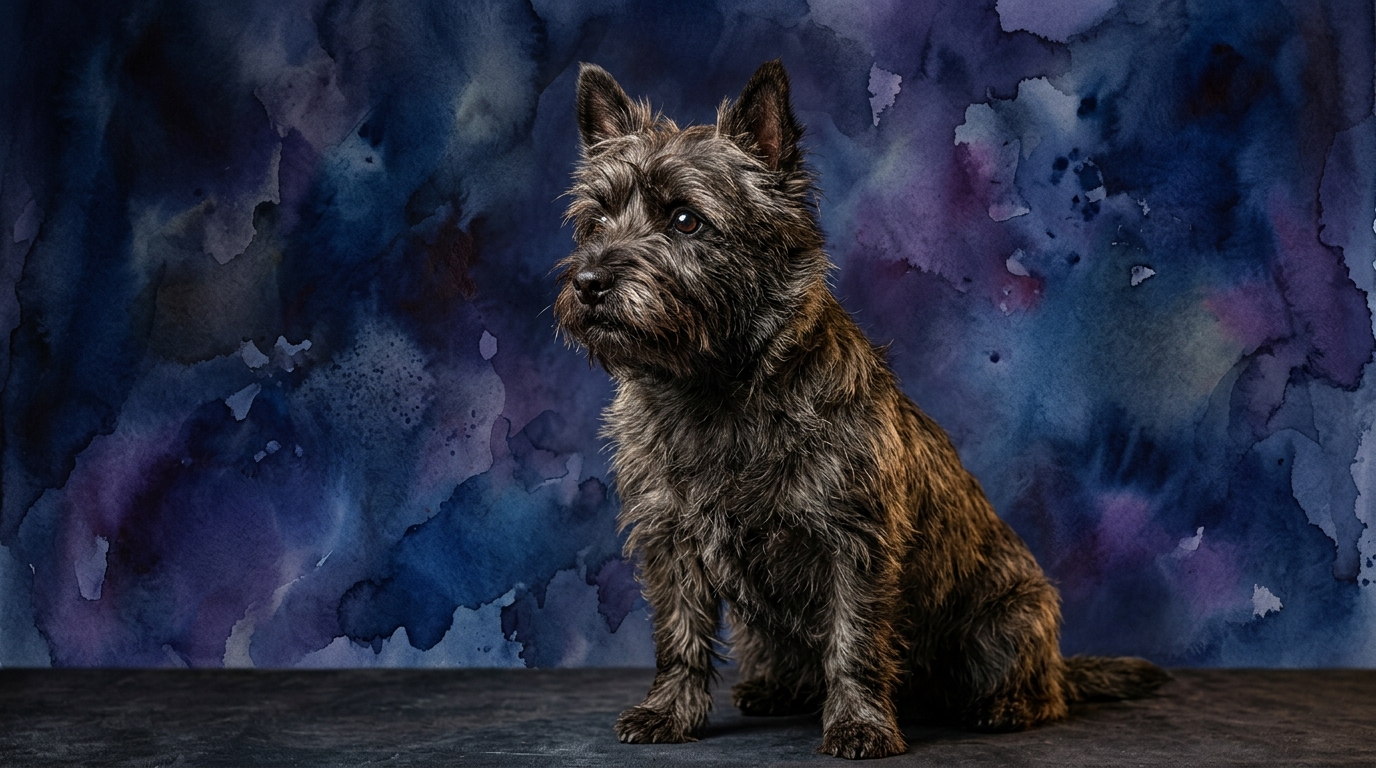
The Cosmic Pet Pet IQ Lab meticulously assesses five key dimensions of canine intelligence, offering a granular view beyond general perceptions. For the Maltese, a Toy group dog with a Coren rank of #59, and the Cairn Terrier, a Terrier group dog ranked #35, these dimensions paint a clear picture of their cognitive landscapes.
Maltese (Coren rank #59): Problem Solving (3/5) - Maltese dogs exhibit a moderate capacity for problem-solving, primarily focused on navigating their immediate, often indoor, environments. They might cleverly figure out how to retrieve a favorite toy from under a sofa or gently nudge a door ajar to follow their human. However, their problem-solving often leans towards charming human intervention rather than intricate, multi-step independent strategizing, as their strong social intelligence often provides a shortcut to their desires through appealing to their owners. They are less inclined to tackle complex puzzles that don't directly involve social interaction or comfort. Training Speed (3/5) - Learning new commands and routines occurs at a steady, moderate pace for the Maltese. They are receptive to training, particularly when it's engaging, uses positive reinforcement, and strengthens their bond with their primary caregiver. Consistency is paramount, and while they grasp concepts, their motivation to perform might occasionally waver without continuous, cheerful encouragement. Their focus during training sessions benefits greatly from a calm, predictable environment free from significant distractions. Social Intelligence (5/5) - This is the undisputed cognitive hallmark of the Maltese. They possess an exceptional, almost uncanny, ability to read human emotions, respond to subtle shifts in tone and body language, and form profound, empathetic connections. Their social awareness allows them to adapt seamlessly to family dynamics, offering comfort when sensing distress or initiating playful interactions when spirits are high. This keen understanding makes them superb emotional support animals and deeply intuitive companions, excelling in any situation that requires nuanced social interaction. Instinctive Drive (2/5) - Bred almost exclusively for companionship, the Maltese exhibit minimal instinctive drives typically associated with working breeds. Their prey drive is generally low, meaning they are less likely to chase small animals or become fixated on outdoor scents. Guarding instincts are also quite subdued, although they may alert to strangers with barking. Their primary motivation stems from their desire for human proximity and affection, rather than deep-seated ancestral working behaviors. Memory (3/5) - Maltese possess a solid memory for routines, familiar faces, and learned commands, especially those frequently practiced and associated with positive experiences. They remember the schedule for meals, walks, and playtime with impressive accuracy. While they might not recall every single instance of a complex trick if not regularly reinforced, their recall for essential household rules and beloved family members remains strong and consistent.
Cairn Terrier (Coren rank #35): Problem Solving (4/5) - Cairn Terriers are natural, persistent strategists, reflecting their heritage as independent working dogs. They excel at figuring out how to access confined spaces, outmaneuver 'prey' (be it a rogue dust bunny or a hidden treat), and manipulate their environment to achieve their objectives. This often involves a thoughtful process of trial-and-error, combined with a tenacious investigative spirit. Their cognitive approach to obstacles is typically hands-on and determined, making them adept at puzzle toys and navigating novel environments. Training Speed (4/5) - These terriers are quick learners, often picking up new commands, tricks, and routines with remarkable speed. Their inherent eagerness to engage, coupled with a strong drive to work and accomplish tasks, makes them highly responsive students. However, their intelligence also comes with an independent streak, meaning training requires clear, consistent leadership, engaging methods, and a trainer who can keep pace with their sharp minds. Repetitive, boring drills are unlikely to hold their attention for long. Social Intelligence (3/5) - While affectionate and loyal to their families, Cairns tend to be more independent and less overtly emotionally demonstrative than the Maltese. They certainly understand social hierarchies and respond to human interaction, but they might not possess the same nuanced empathy or constant need for close physical connection. They are observant of their surroundings and family dynamics, processing them through a more self-reliant and watchful lens, appreciating companionship without necessarily needing to be the center of emotional attention at all times. Instinctive Drive (3/5) - The terrier instincts are quite prominent in the Cairn, influencing many aspects of their behavior. They possess a noticeable prey drive, often showing keen interest in small, fast-moving objects or creatures. Digging is a common and deeply ingrained behavior, as is a strong sense of their territory, prompting them to alert to novel sounds or sights. These inherent drives are integral to their problem-solving and play, requiring owners to understand and manage them appropriately. Memory (4/5) - Cairn Terriers boast excellent memories, retaining commands, learned routines, and significant experiences for extended periods. They will remember specific locations where they've discovered interesting scents or hidden treasures, and they can recall complex sequences of actions, which is a crucial aspect of their investigative and problem-solving nature. This strong memory contributes to their trainability, allowing them to build a robust repertoire of learned behaviors and solutions.
Where the Maltese Wins Cognitively
The Maltese undeniably takes the lead in the realm of social intelligence, scoring a perfect 5/5 compared to the Cairn's 3/5. This isn't merely about being 'friendly'; it signifies a profound capacity for emotional attunement and reading human non-verbal cues. A Maltese can often anticipate an owner's mood, offering a comforting presence during stress or initiating play when spirits are high, demonstrating an almost intuitive understanding of human emotional landscapes. Their cognitive strength lies in their ability to seamlessly integrate into and harmonize with complex family dynamics, often acting as a sensitive emotional barometer within the home. This exceptional social acumen means they excel at tasks requiring subtle communication and partnership, often learning what makes their humans happy and adjusting their behavior accordingly.
Where the Cairn Terrier Wins Cognitively
The Cairn Terrier demonstrates a clear cognitive advantage in practical problem-solving, boasting a 4/5 score against the Maltese's 3/5. This breed's mind is wired for independent thought and strategic action, a direct legacy of their earthdog origins where they needed to outsmart prey. They excel at figuring out how to open cabinets, navigate complex outdoor environments, or bypass obstacles to reach a desired object. Furthermore, their superior memory (4/5 vs. 3/5) ensures they retain these learned solutions and experiences, building upon their repertoire of tactics. This cognitive edge, combined with a faster training speed (4/5 vs. 3/5), means Cairns can grasp and execute new commands with remarkable alacrity, especially when the training involves engaging their natural curiosity and drive for accomplishment.
Which is Easier to Train and Why
Determining which breed is 'easier to train' is nuanced, heavily influenced by an owner's training philosophy and desired outcomes. On paper, the Cairn Terrier appears to have an edge with a training speed of 4/5 compared to the Maltese's 3/5, suggesting they might grasp new commands and concepts more quickly. Cairns are often highly motivated by tasks, challenges, and the opportunity to engage their sharp minds, thriving on the mental stimulation of learning new things. However, their inherent independence and higher instinctive drive (3/5), particularly their curiosity and prey drive, mean they can also be more opinionated and easily distracted. Training a Cairn requires consistent, firm, yet positive reinforcement, coupled with engaging methods to maintain their focus against their natural inclination to explore or pursue a scent. A Cairn might quickly learn 'stay' but might also decide 'staying' is less interesting than investigating a rustle in the bushes.
The Maltese, while potentially taking a bit longer to master a new command, often possesses a stronger, intrinsic desire to please their primary human, driven by their exceptional social intelligence (5/5). This deep emotional bond translates into a highly cooperative training partner, especially for obedience and tricks that reinforce their connection and allow them to be close to their owner. Their lower instinctive drive (2/5) means fewer internal distractions from hunting or digging, making them generally more pliable and focused in a controlled training environment. So, while the Cairn might show faster initial learning, the Maltese might offer more consistent, willing compliance over the long term, provided the training is engaging, positive, and relationship-focused, leveraging their strong social motivation.
Suitability for Active vs. Relaxed Owners
For active owners seeking a canine partner with a zest for exploration and mental challenges, the Cairn Terrier is often the more suitable choice. Their higher problem-solving aptitude and instinctive drive mean they thrive on varied activities like scent work, agility, or extensive outdoor adventures where their keen senses and independent spirit can be fully engaged. They require consistent mental stimulation to prevent boredom and channel their natural curiosity constructively. Conversely, the Maltese is an ideal companion for more relaxed owners who appreciate a deep, emotionally resonant bond and a calmer home environment. Their unparalleled social intelligence means they are content with being close to their human, participating in daily routines, and offering gentle companionship. While they enjoy short walks and play, their cognitive strengths are best utilized in social interaction and providing comfort, making them perfect for those who prioritize quiet companionship over high-octane activities.
The Verdict
Choose a Maltese if you prioritize a deeply empathetic companion who excels at social connection and thrives on close human interaction, offering comfort and charm in a relaxed home setting.
Opt for a Cairn Terrier if you desire an independent, quick-witted partner eager for mental challenges and outdoor exploration, appreciating a dog with a strong will and a working spirit.
🧠 Find Your Pet's IQ Score
Our Pet IQ Lab assessment covers 25+ tests across 5 cognitive dimensions — personalized to your breed.
Take the Full IQ Test →Frequently Asked Questions
Are Maltese good at learning tricks?
Yes, Maltese can learn tricks well, particularly those that involve interaction with their owners. Their moderate training speed and strong desire to please make them receptive to positive reinforcement methods, especially when the tricks strengthen their bond.
Do Cairn Terriers need a lot of mental stimulation?
Absolutely, Cairn Terriers require substantial mental stimulation due to their high problem-solving skills and instinctive drive. Engaging activities like puzzle toys, obedience training, and varied walks are crucial to keep their keen minds occupied and prevent boredom.
Which breed is better with children, Maltese or Cairn Terrier?
Both breeds can be good with children, but their approaches differ. The Maltese, with its high social intelligence, can be very gentle and understanding, especially with calm, respectful children. The Cairn Terrier, while playful, is more independent and might prefer older children who understand boundaries and can engage in interactive games without being overly boisterous.