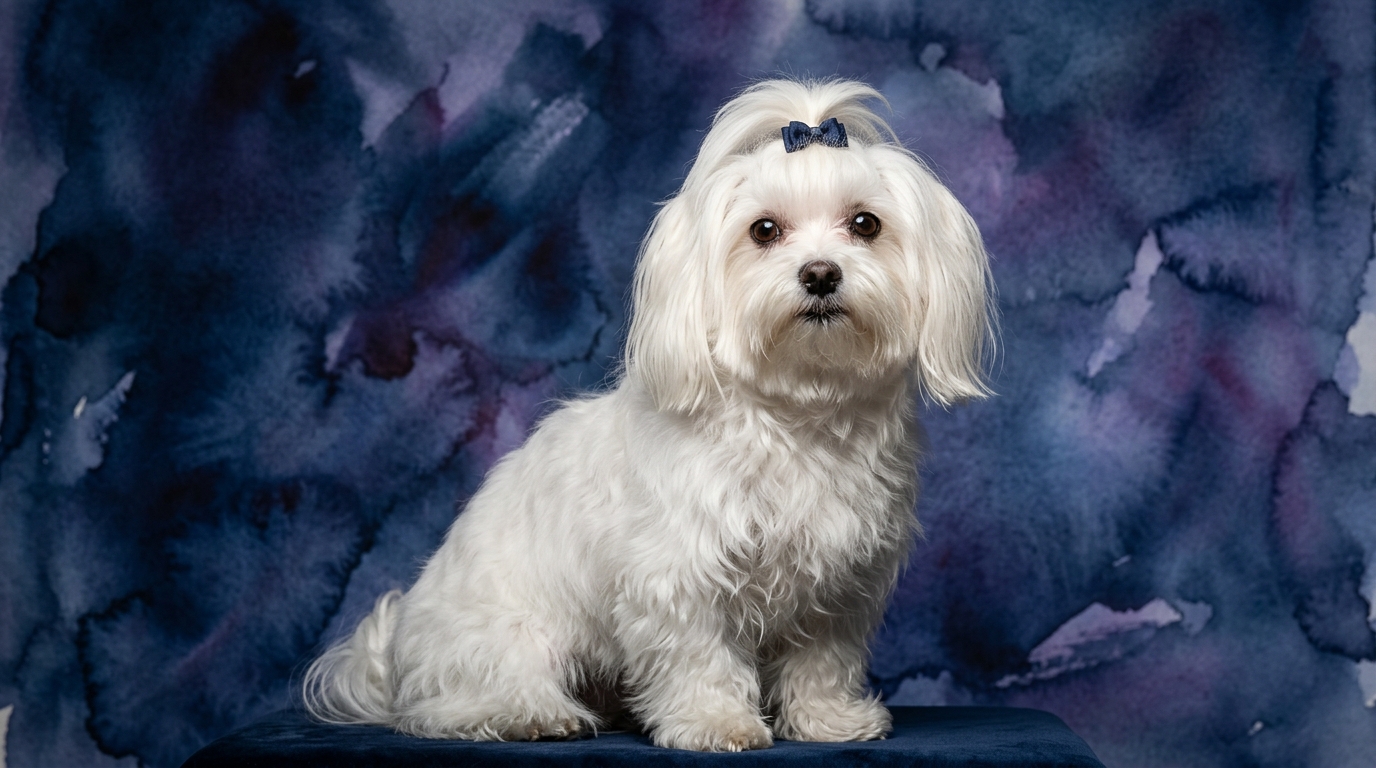

Side-by-Side IQ Profile: Maltese vs. Dogue de Bordeaux
The Cosmic Pet Pet IQ Lab employs a multi-dimensional framework to assess canine cognition, moving beyond simplistic notions of 'smartness.' For the Maltese, a Toy group dog, their profile reveals a unique blend of strengths. They exhibit a moderate capacity for problem-solving (3/5), indicating they can navigate simple environmental puzzles but aren't typically master strategists. Their training speed is also moderate (3/5), meaning consistent, clear methods yield results over time rather than instant mastery. Where the Maltese truly shines is in social intelligence (5/5), demonstrating exceptional attunement to human emotions and social cues. Their instinctive drive is low (2/5), suggesting less inherent motivation for independent tasks like hunting or guarding, while their memory is moderate (3/5), allowing for reliable recall of learned experiences.
In contrast, the Dogue de Bordeaux, a formidable Working group dog, presents a more balanced, albeit different, cognitive blueprint. Like the Maltese, they show a moderate aptitude for problem-solving (3/5), capable of resolving straightforward environmental challenges with steady deliberation. Their training speed also registers as moderate (3/5), requiring patience and consistent reinforcement. The Dogue's social intelligence (3/5) indicates a foundational awareness of social dynamics, though perhaps not the profound attunement seen in the Maltese. Their instinctive drive is moderate (3/5), reflecting a natural inclination for tasks such as guarding or protection, which requires appropriate outlets. Finally, their memory, like the Maltese, is moderate (3/5), allowing them to retain commands and experiences effectively.
Where the Maltese Wins Cognitively
The Maltese's undeniable cognitive strength lies in their exceptional social intelligence, scoring a perfect 5 out of 5. This isn't merely about being 'friendly'; it signifies a profound ability to interpret and respond to human emotions, intentions, and subtle social cues. A Maltese can often anticipate a handler's mood or desires based on body language, tone of voice, or even eye contact, making them extraordinarily empathetic companions. This heightened social awareness contributes to their reputation as intuitive lapdogs and emotional support animals, as they are adept at forging deep, reciprocal bonds.
Compared to the Dogue de Bordeaux's moderate social intelligence (3/5), the Maltese's capacity for social attunement is a significant differentiator. While a Dogue will certainly connect with its family, the Maltese operates on a more nuanced level of interspecies communication. This cognitive advantage means a Maltese is often quicker to pick up on non-verbal commands or to adapt their behavior based on the subtle shifts in a handler's demeanor, creating an impression of almost telepathic understanding in their interactions.
Where the Dogue de Bordeaux Wins Cognitively
The Dogue de Bordeaux's cognitive edge emerges in its instinctive drive, rated at a moderate 3 out of 5, surpassing the Maltese's 2 out of 5. This isn't about raw aggression, but rather a natural, inherent inclination towards specific behaviors relevant to their historical roles. For the Dogue, this often manifests as a strong protective instinct and a territorial awareness, making them natural guardians of their home and family. This drive means they are often more self-assured in unfamiliar situations and less prone to the anxiety that can sometimes affect breeds with lower instinctive confidence.
While the Maltese's lower instinctive drive makes them more reliant on human direction for motivation, the Dogue de Bordeaux possesses an internal compass for certain tasks. This moderate drive provides a solid foundation for activities requiring a degree of independence and purpose, such as patrolling a yard or maintaining a watchful presence. It means they are less likely to be purely passive followers and more inclined to act upon their inherent inclinations, provided these are channeled appropriately through training and socialization.
Which is Easier to Train and Why?
Both the Maltese and the Dogue de Bordeaux share a moderate training speed (3/5), suggesting neither is a lightning-fast learner nor particularly resistant to instruction. However, their differing social intelligence and instinctive drives create distinct training experiences. The Maltese, with its superior social intelligence (5/5), often presents as easier to train for obedience and tricks due to its profound desire to please and its acute sensitivity to human feedback. They are highly motivated by social praise and affection, making positive reinforcement exceptionally effective. Their low instinctive drive means fewer competing internal motivations, allowing them to focus more intently on handler instructions in a typical home environment.
The Dogue de Bordeaux, despite the same training speed score, might require a different approach. Their moderate instinctive drive (3/5) means they possess an internal compass that can sometimes conflict with human directives if not properly managed. While they are loyal and willing to learn, their social intelligence (3/5) suggests they may not be as finely attuned to subtle human cues as the Maltese, requiring more explicit and consistent commands. Training a Dogue benefits from a confident, patient handler who understands how to channel their natural protective instincts rather than suppress them, ensuring their considerable physical presence is matched by mental composure and obedience. Therefore, while both require consistency, the Maltese's inherent social eagerness often translates to a more straightforward, less challenging training journey for basic commands and companionship.
Which Suits Active Owners vs. Relaxed Owners?
When considering activity levels, the cognitive profiles of these breeds offer valuable insights beyond just physical exercise needs. The Maltese, with its high social intelligence and low instinctive drive, is an ideal fit for relaxed owners who prioritize close companionship and indoor activities. Their cognitive makeup means they thrive on constant human interaction, mental games involving social engagement, and being an integral part of daily family life. They are generally content with shorter walks and indoor play, their mental stimulation primarily derived from their bond with their people. An owner who enjoys cuddles, gentle interaction, and a dog that is acutely responsive to their presence will find the Maltese a perfect match.
The Dogue de Bordeaux, with its moderate instinctive drive and more independent social intelligence, is better suited for owners who appreciate a steady, calm presence and are prepared to engage with a dog that has a natural inclination towards purpose. While not hyperactive, their working breed heritage means they benefit from consistent, structured activities that allow them to exercise both body and mind, such as controlled walks, basic obedience work, or even a 'job' like guarding the home perimeter. Owners who are relaxed but also structured, providing clear boundaries and opportunities for their Dogue to feel useful and secure, will find this breed deeply rewarding. They are not demanding in terms of constant physical exertion but require mental engagement that respects their inherent drives and independent nature.
The Verdict: When to Choose Each Breed
The Verdict
Choose the Maltese if your lifestyle centers around intimate companionship, you cherish profound social connection, and you seek a responsive, empathetic presence that thrives on close human interaction.
Opt for the Dogue de Bordeaux if you appreciate a calm, protective guardian, are prepared to provide consistent, structured guidance, and value a loyal companion with a steady, independent nature.
🧠 Find Your Pet's IQ Score
Our Pet IQ Lab assessment covers 25+ tests across 5 cognitive dimensions — personalized to your breed.
Take the Full IQ Test →Frequently Asked Questions
Do Maltese dogs have good memories?
Yes, Maltese dogs have a moderate memory score of 3/5, meaning they can reliably recall learned commands and remember past experiences. Consistent training and positive reinforcement help solidify their recall over time.
How do Dogue de Bordeaux dogs solve problems?
Dogue de Bordeaux dogs possess a moderate problem-solving ability (3/5), approaching challenges with deliberate consideration. They are capable of resolving straightforward environmental puzzles, often using a calm, methodical approach rather than impulsive action.
Is a Dogue de Bordeaux difficult to train?
A Dogue de Bordeaux has a moderate training speed (3/5), meaning they are not inherently difficult but require consistent, clear training methods. Their moderate instinctive drive means a patient, confident handler who channels their natural protective instincts will see the best results.