A Side-by-Side Look at Canine Cognition
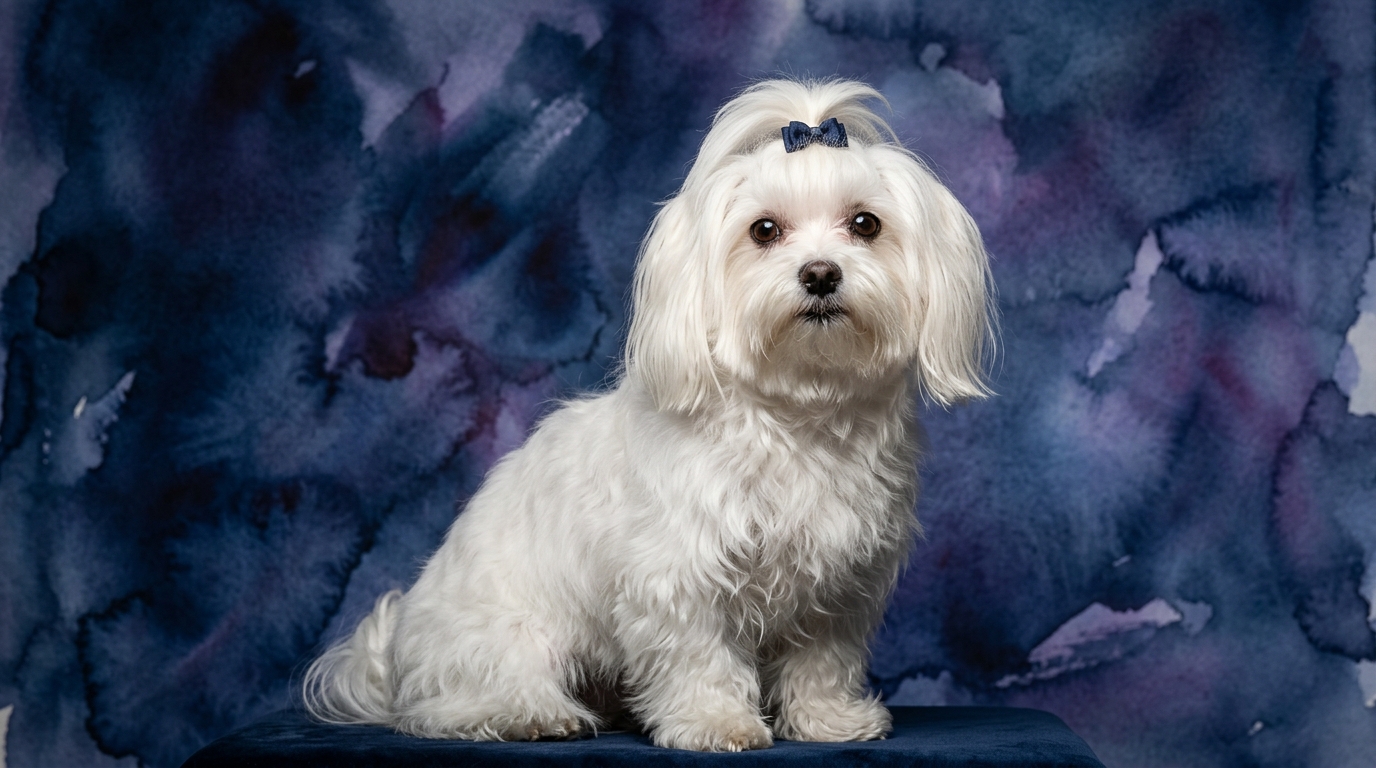
The Cosmic Pet Pet IQ Lab employs five key dimensions to evaluate canine intelligence, offering a detailed picture of each breed's cognitive strengths. For the Maltese, a Coren-ranked #59 Toy breed, we observe a Problem Solving score of 3/5, indicating a moderate capacity for independent thought and navigating novel situations. Their Training Speed also sits at 3/5, suggesting they grasp new commands and routines at an average pace, requiring consistent, positive reinforcement. Where the Maltese truly shines is in Social Intelligence, scoring an impressive 5/5, reflecting an exceptional ability to understand and respond to human emotions and social cues, making them highly attuned companions. Their Instinctive Drive is lower at 2/5, meaning they possess minimal inherent urges for hunting, herding, or guarding tasks, aligning with their role as lapdogs. Memory for the Maltese is rated at 3/5, indicating a solid, average recall for learned behaviors and experiences.
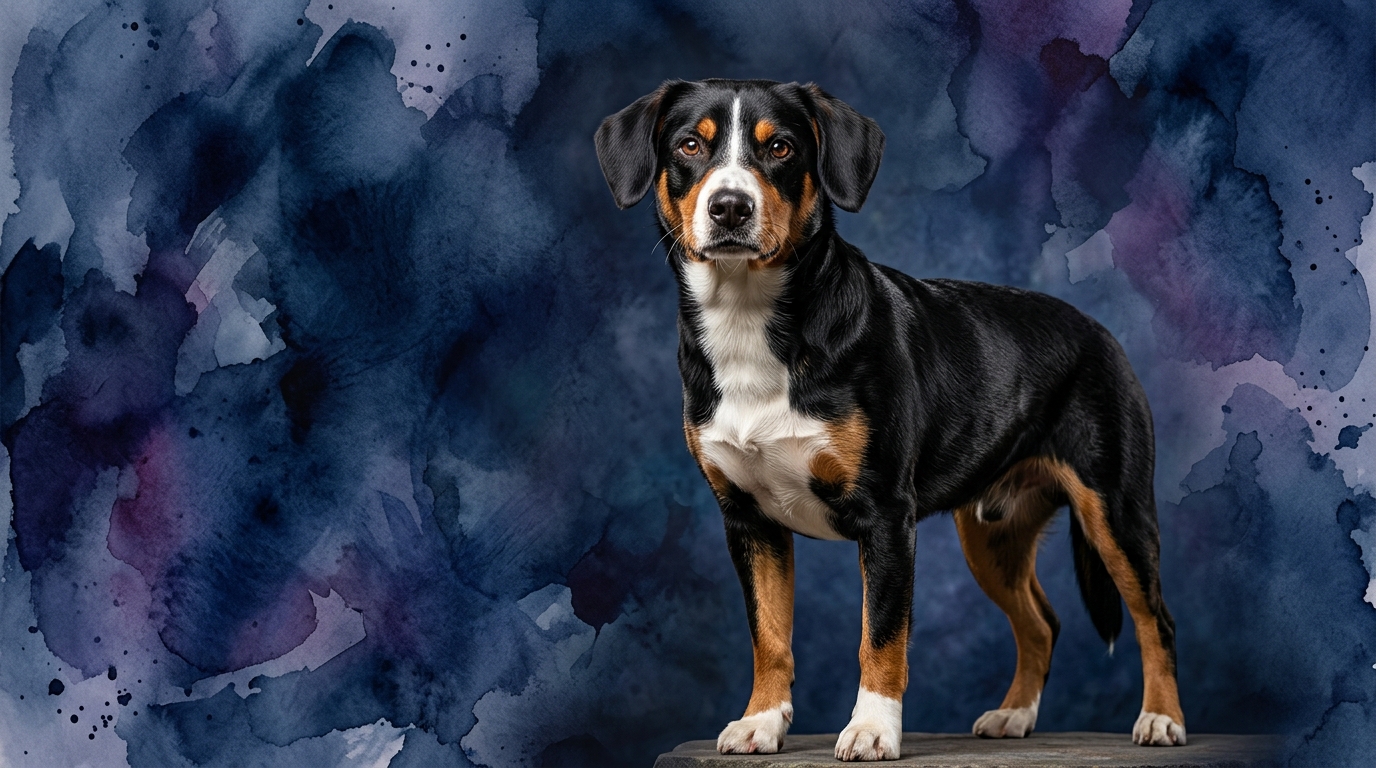
In contrast, the Entlebucher Mountain Dog, a Herding breed not typically found on Coren's list, presents a different cognitive landscape. Their Problem Solving ability matches the Maltese at 3/5, showing a similar moderate aptitude for figuring things out independently, often in the context of their environment. Training Speed for the Entlebucher also registers at 3/5, suggesting they learn new tasks at a comparable rate to the Maltese, benefiting from clear, structured lessons. Their Social Intelligence is rated at 3/5, indicating a respectable capacity for understanding human interactions, though perhaps not with the same nuanced sensitivity as the Maltese. The Entlebucher's Instinctive Drive, however, is notably higher at 3/5, reflecting a more pronounced inherent desire to work, herd, or protect, stemming from their historical role. Finally, their Memory score is also 3/5, demonstrating a reliable ability to retain information and training.
Where the Maltese's Social Acuity Excels
The Maltese's standout cognitive advantage lies unequivocally in their Social Intelligence, rated at a perfect 5/5 compared to the Entlebucher's 3/5. This isn't merely about being 'friendly'; it's about a profound capacity to read and react to human emotional states and social contexts. A Maltese is exceptionally adept at discerning subtle shifts in tone, body language, and mood, often anticipating a handler's needs or desires before they are explicitly communicated. This manifests as an uncanny ability to offer comfort when a person is sad, or to engage playfully when the mood is light, creating an incredibly strong and intuitive bond. Their high social intelligence means they thrive on close interaction and are often profoundly sensitive to their human family's dynamics, making them unparalleled emotional support animals.
This exceptional social cognition means a Maltese is more likely to engage in appeasing behaviors when sensing disapproval, or to actively seek connection during quiet moments. They naturally orient themselves towards human interaction, often preferring to be physically close and involved in family activities. While an Entlebucher will also connect with its family, the Maltese's heightened social awareness allows for a more intricate dance of communication and mutual understanding, where unspoken cues carry significant weight. For owners seeking a dog deeply intertwined with their emotional world, the Maltese's cognitive architecture provides a distinct advantage.
Entlebucher Mountain Dog's Drive and Purpose
The Entlebucher Mountain Dog's cognitive edge primarily stems from its higher Instinctive Drive, rated at 3/5 against the Maltese's 2/5. This isn't about being 'better' but about possessing a stronger inherent inclination towards purposeful activity, rooted in their herding heritage. This drive translates into a dog that often finds greater satisfaction in tasks, problem-solving that leads to a tangible outcome, or engaging in activities that mimic their ancestral roles, such as agility or scent work. While their Problem Solving score is the same as the Maltese, the Entlebucher's drive can fuel a more persistent approach to overcoming obstacles when a clear goal is present, making them highly motivated for structured work.
This elevated drive also means Entlebuchers are often more resilient and focused when faced with environmental distractions during training or task execution. Their cognitive framework is geared towards engaging with their surroundings with a sense of purpose, rather than purely for social interaction. For owners who enjoy structured activities, sports, or giving their dog a 'job,' the Entlebucher's cognitive makeup provides a more willing and persistent partner. Their drive ensures they are not just learning, but often learning with a deeper internal motivation linked to their breed's historical function, making them excellent candidates for advanced obedience or canine sports.
Training Aptitude: Social Eagerness vs. Task Focus
Both the Maltese and the Entlebucher Mountain Dog share a Training Speed rating of 3/5, suggesting they acquire new commands at a similar, moderate pace. However, the *approach* to training and what motivates them differs significantly due to their other cognitive dimensions. The Maltese, with its superior Social Intelligence (5/5), often responds exceptionally well to positive reinforcement that emphasizes praise, affection, and close human interaction. They are eager to please and highly sensitive to their owner's approval, making them receptive to training that strengthens the bond. Their learning might be enhanced by an owner who is expressive and consistent with social rewards, as they are intrinsically motivated by connection.
Conversely, the Entlebucher Mountain Dog, with its higher Instinctive Drive (3/5), often thrives on training that provides a clear purpose or a 'job' to do. While they also respond to praise, they may find greater satisfaction in completing a task correctly or earning a tangible reward like a toy or a chance to engage in a desired activity. Their problem-solving abilities (3/5) combined with their drive mean they can be very focused learners when the task is clear and engaging, but they might be less tolerant of repetitive, meaningless drills if they don't see the point. Training for the Entlebucher should leverage their natural inclination to work and should be consistent and fair, establishing clear expectations that their independent nature will respect.
Matching Canine Cognition to Lifestyle
The cognitive profiles of the Maltese and Entlebucher Mountain Dog lend themselves to very different owner lifestyles. The Maltese, with its exceptional Social Intelligence (5/5) and lower Instinctive Drive (2/5), is an ideal companion for relaxed owners who prioritize close companionship and emotional connection. They are content with moderate indoor activity and thrive on being an integral, often central, part of family life. Their cognitive needs are largely met through consistent social interaction, gentle play, and opportunities for affection. Owners who enjoy quiet evenings, frequent cuddling, and a dog that is deeply attuned to their emotional state will find the Maltese's cognitive makeup perfectly suited to their pace.
The Entlebucher Mountain Dog, with its higher Instinctive Drive (3/5) and moderate Social Intelligence (3/5), is better suited for active owners who can provide consistent mental and physical stimulation. Their cognitive framework demands engagement that goes beyond mere companionship; they need opportunities to use their problem-solving skills and innate drive. This means regular training sessions, participation in dog sports like agility or obedience, and plenty of outdoor exploration. Owners who lead an active lifestyle, enjoy hiking, running, or structured dog activities, and can channel an intelligent dog's energy into productive tasks will find the Entlebucher to be a rewarding and capable partner. Their cognitive satisfaction comes from both interaction and purposeful engagement with the world.
The Verdict
Choose the Maltese if your lifestyle prioritizes an emotionally intuitive, highly social companion who thrives on close human connection and requires less structured cognitive tasks beyond daily interaction.
Opt for the Entlebucher Mountain Dog if you are an active owner seeking a task-oriented partner who will excel in structured activities and requires consistent mental and physical challenges to satisfy its inherent drive.
🧠 Find Your Pet's IQ Score
Our Pet IQ Lab assessment covers 25+ tests across 5 cognitive dimensions — personalized to your breed.
Take the Full IQ Test →Frequently Asked Questions
Does the Maltese's high social intelligence make them easier to train?
While their eagerness to please and sensitivity to owner cues can make them highly responsive, their training speed is average at 3/5. Their social intelligence primarily enhances their role as a companion, making them deeply attuned to human emotions and social dynamics rather than directly boosting task learning speed.
How does the Entlebucher's instinctive drive impact their daily life?
The Entlebucher's instinctive drive means they have a natural inclination for purposeful activities, which can manifest as a need for regular physical exercise and mental challenges. Without outlets for this drive, they may become bored or develop unwanted behaviors, making them best suited for active homes that can provide structured engagement.
Are there any shared cognitive strengths between the Maltese and Entlebucher?
Both breeds share a moderate Problem Solving ability (3/5) and Training Speed (3/5), indicating they can learn new tasks and figure out novel situations at a comparable pace. This means both can be taught a variety of commands and tricks with consistent effort, though their motivations for learning might differ.