Side-by-Side IQ Profile: Unpacking Canine Cognition
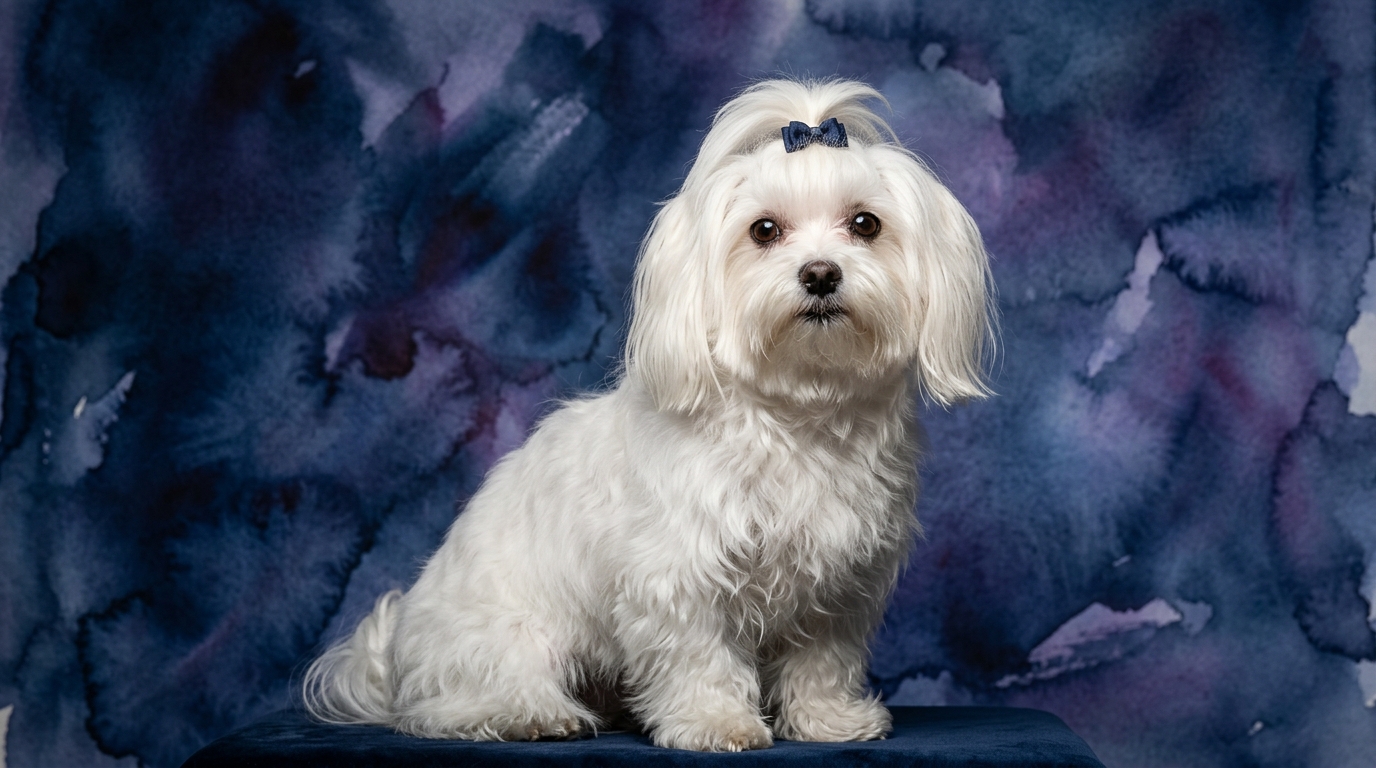
The Cosmic Pet Pet IQ Lab's framework allows us to dissect the cognitive strengths of each breed across five key dimensions. For the Maltese, a Toy breed ranked #59 by Coren, we observe a Problem Solving score of 3/5, indicating a moderate capacity to navigate everyday household puzzles and learn routines effectively. Their Training Speed is also 3/5, meaning they acquire new commands at a steady pace, responsive to consistent, gentle instruction. Where they truly stand out is Social Intelligence, scoring a remarkable 5/5, reflecting an exceptional attunement to human emotions and social cues. Their Instinctive Drive is a low 2/5, showing minimal inherent inclination for independent tasks like hunting or herding, preferring human companionship. Finally, their Memory is 3/5, allowing them to retain learned behaviors and associations reliably over time.
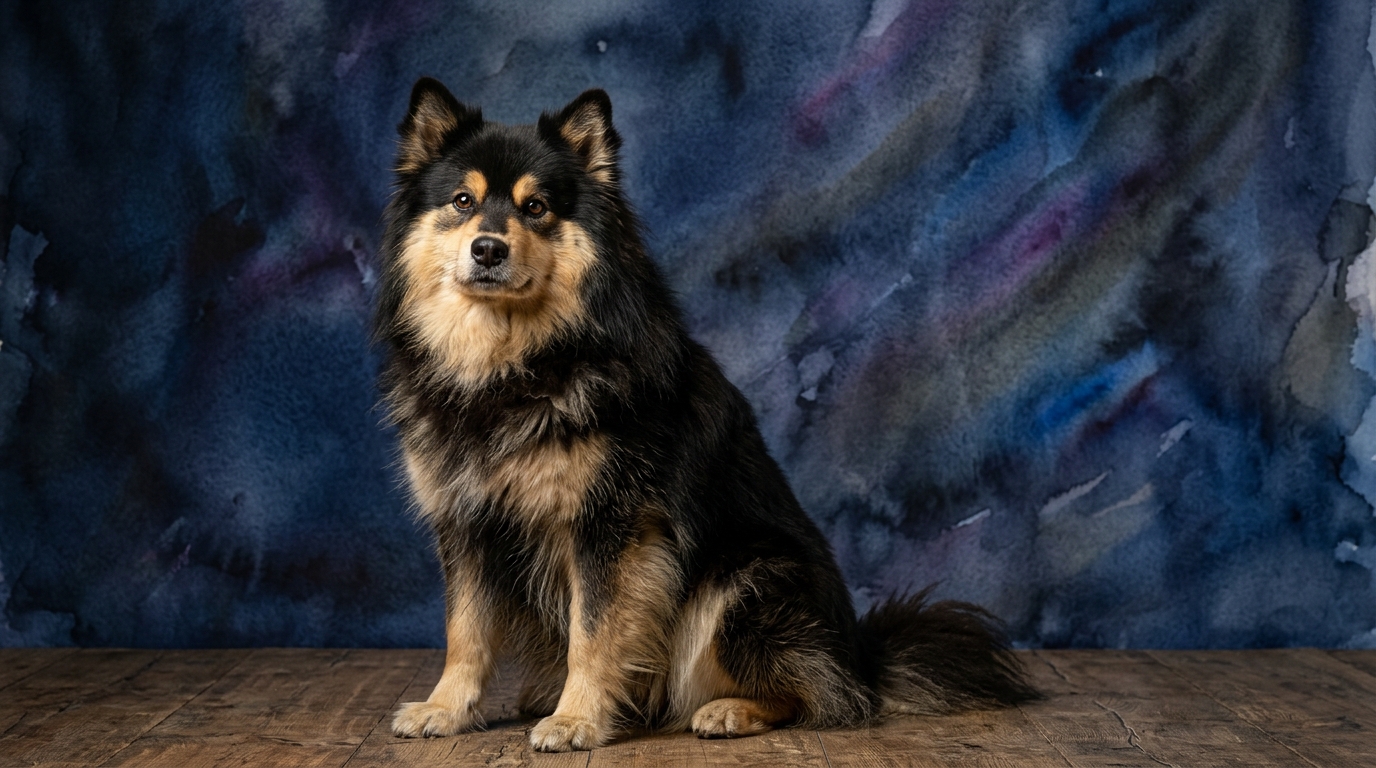
In contrast, the Finnish Lapphund, a Herding breed not specifically ranked by Coren, presents a different cognitive blueprint. Their Problem Solving capability is rated 3/5, suggesting they possess a practical ingenuity, capable of independent thought in environmental contexts. Their Training Speed also stands at 3/5, indicating a consistent learning ability, though potentially requiring varied motivation beyond pure social approval. Their Social Intelligence is a balanced 3/5; they form strong bonds but display a more observant and somewhat independent social demeanor compared to the Maltese. With an Instinctive Drive of 3/5, they possess a moderate herding instinct, enjoying purposeful activity and tasks. Their Memory, like the Maltese, scores 3/5, supporting good recall for commands and locations, and retention of social interactions. This profile suggests a robust, adaptive mind shaped by a working history.
Where the Maltese's Mind Shines Brightest
The Maltese undeniably excels in social intelligence, scoring a perfect 5/5, a dimension where they significantly surpass the Finnish Lapphund. This isn't merely about being affectionate; it signifies an advanced capacity to interpret human body language, vocal nuances, and emotional states. They often anticipate their owner's needs or moods, making them remarkably intuitive companions who seamlessly integrate into the human family unit. This acute social awareness contributes to their problem-solving in a domestic context, as they quickly learn which behaviors elicit desired human responses, such as attention, comfort, or play.
This exceptional social acumen allows Maltese to form profoundly deep, reciprocal bonds, often acting as emotional barometers for their human counterparts. Their cognitive strength in this area means they are highly motivated by social interaction and praise, making them particularly adept at understanding and adhering to household rules through subtle cues. They thrive in environments where close human companionship and gentle, consistent engagement are paramount, demonstrating an unparalleled ability to connect on an emotional level.
The Finnish Lapphund's Distinct Cognitive Edge
While the Finnish Lapphund's cognitive profile doesn't boast the same social finesse as the Maltese, its strengths lie in a different, equally valuable form of adaptive intelligence. Their moderate instinctive drive (3/5) combined with their problem-solving score (3/5) points to a mind built for purpose and observation, rooted deeply in their herding heritage. They exhibit a keen awareness of their surroundings and a capacity for independent decision-making, a trait crucial for a herding dog expected to operate semi-autonomously in challenging environments.
This breed's problem-solving often manifests as practical ingenuity, such as figuring out how to navigate complex terrain or manage livestock, rather than abstract reasoning. Their memory (3/5) supports this operational intelligence, enabling them to retain complex routes, the location of flock members, or intricate learned tasks. The Finnish Lapphund possesses a robust, self-reliant cognitive style, valuing both collaboration and a degree of independence in their approach to the world, making them excellent partners for goal-oriented activities.
Training Dynamics: Responsiveness vs. Independence
Training a Maltese often feels like a highly collaborative and rewarding endeavor, largely owing to their exceptional social intelligence. They are keen to please and thrive on positive reinforcement that emphasizes connection, praise, and gentle interaction. Their moderate training speed (3/5) ensures consistent learning, particularly when motivation is directly tied to human attention and affection. Consistency and gentle methods are key, as their sensitive nature typically responds poorly to harsh corrections. Their low instinctive drive (2/5) means fewer internal distractions from innate urges, allowing them to focus more intently on human-directed tasks and cues.
The Finnish Lapphund, with its moderate social intelligence (3/5) and higher instinctive drive (3/5), presents a slightly different training landscape. While equally capable of learning (training speed 3/5), they might require more varied motivation, including puzzle toys, scent work, or task-oriented rewards, in addition to social praise. Their herding background fosters a degree of independent thought, meaning they might occasionally 'think' for themselves or seek alternative solutions if they perceive a better way to achieve a goal. Training them requires patience, clarity, and making the learning process engaging and relevant to their natural drives, channeling their purposeful energy into constructive activities rather than relying solely on social appeasement.
Matching Cognitive Profiles to Lifestyles
For owners seeking a profoundly interactive and emotionally responsive companion, the Maltese is an ideal match. Their cognitive strengths are perfectly suited for a relaxed home environment where close human companionship and subtle social interactions are paramount. They flourish with owners who appreciate a dog deeply attuned to their emotional landscape and thrives on constant, gentle engagement. Their lower instinctive drive means less demand for vigorous, task-oriented activity, making them content with indoor play, short training sessions focused on manners, and leisurely strolls in the neighborhood. They are exceptional emotional support animals due to their intrinsic social understanding.
Conversely, the Finnish Lapphund's cognitive makeup aligns better with active owners who appreciate a dog with a more independent streak and a desire for purposeful activity. They excel with individuals or families who can provide outlets for their moderate instinctive drive, such as structured outdoor adventures, dog sports like agility or herding trials, or simply long, engaging hikes. Their balanced social intelligence means they form strong bonds but also value their own space and can be content observing rather than constantly demanding attention, making them suitable for owners who enjoy a capable and resilient companion for shared activities, rather than a constant shadow.
The Verdict
Choose a Maltese if your lifestyle prioritizes an exceptionally socially intelligent companion who thrives on deep emotional connection and gentle, consistent interaction within a home setting. Their keen ability to read and respond to human emotions makes them unparalleled as intuitive, comforting presences.
Opt for a Finnish Lapphund if you seek a capable, somewhat independent partner for outdoor adventures and structured activities, valuing a dog with practical problem-solving skills and a moderate drive for purposeful engagement. They excel with owners who appreciate a resilient companion that retains a degree of self-reliance while still forming strong bonds.
🧠 Find Your Pet's IQ Score
Our Pet IQ Lab assessment covers 25+ tests across 5 cognitive dimensions — personalized to your breed.
Take the Full IQ Test →Frequently Asked Questions
Are Maltese difficult to train given their small size?
Not necessarily; their high social intelligence means they are often eager to please and respond well to positive reinforcement and connection-based training. While their training speed is moderate, consistency and gentle methods yield good results, especially when tied to praise and affection.
Do Finnish Lapphunds require a lot of mental stimulation?
Yes, Finnish Lapphunds benefit greatly from mental stimulation that taps into their moderate instinctive drive and problem-solving abilities. Activities like puzzle toys, obedience training, dog sports, or even simply varied walks keep their minds engaged and prevent boredom-related behaviors.
Which breed is better for first-time dog owners?
The choice depends on the owner's lifestyle and expectations. A Maltese can be suitable for first-timers seeking a devoted, socially intuitive companion for a calmer home. A Finnish Lapphund might be more challenging for first-timers due to their need for consistent, engaging training and outlets for their herding instincts, requiring a more active and committed approach.