Side-by-Side Cognitive Profile
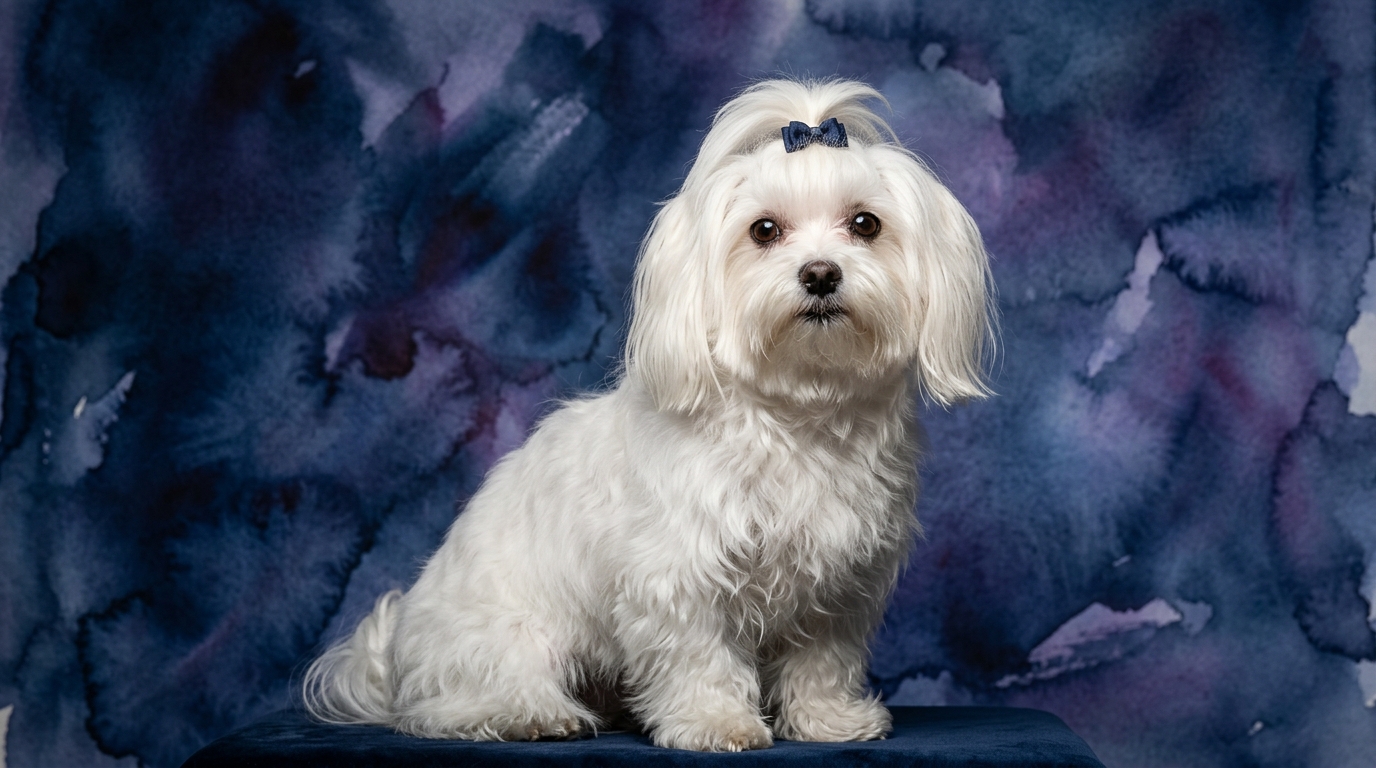
The Maltese, a Toy breed ranked #59 by Coren, presents a cognitive makeup tailored for companionship. Their Problem Solving is rated 3/5, indicating an ability to navigate their immediate environment for comfort or attention, often through subtle social cues rather than complex physical challenges. Training Speed for the Maltese is 3/5; they are capable learners, especially with positive reinforcement and social praise, but may require consistent, patient repetition. Their Social Intelligence is their crowning cognitive attribute, earning a perfect 5/5. They are exceptionally attuned to human emotions and body language, forming deep, intuitive bonds with their companions. Instincive Drive registers at 2/5, meaning their primary motivations are typically human interaction and comfort, rather than traditional working tasks. Memory for the Maltese is 3/5, allowing them to recall routines, familiar people, and places efficiently.
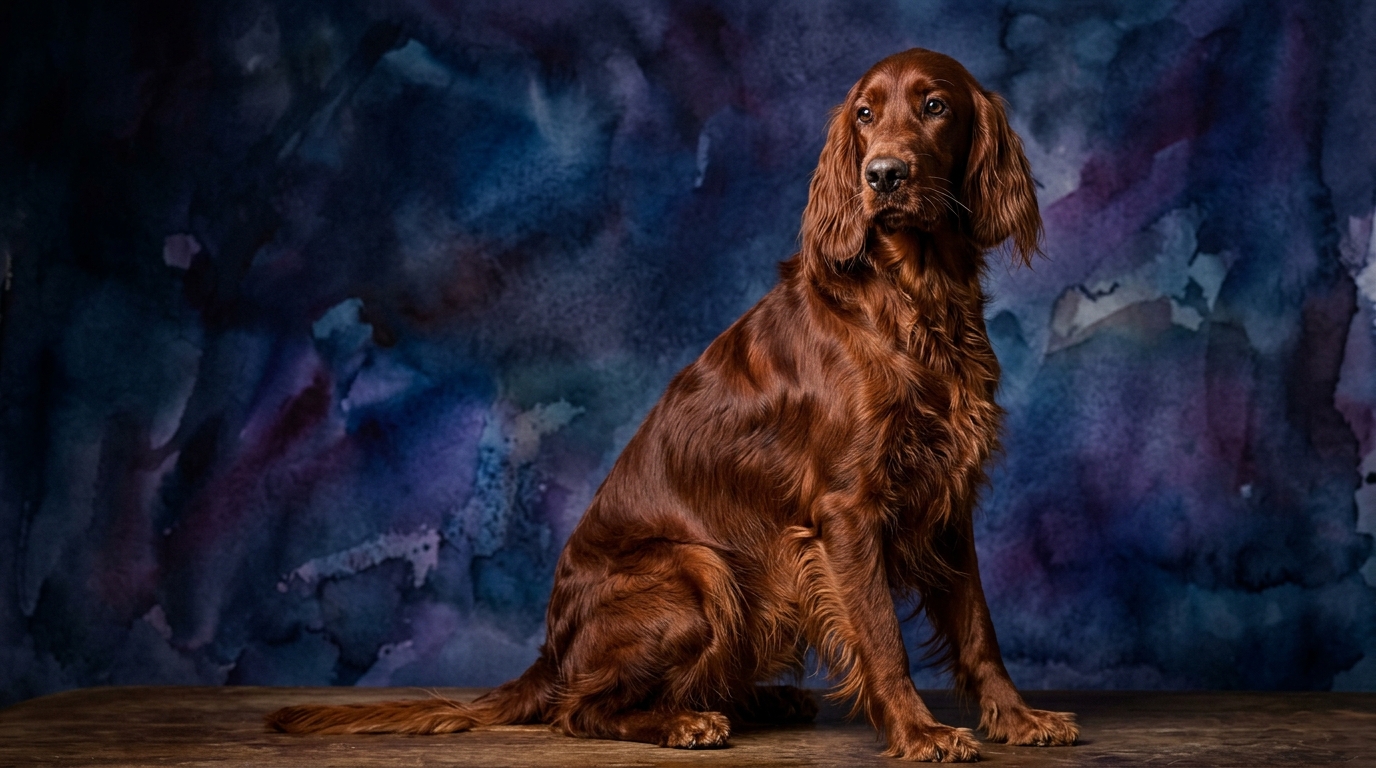
In contrast, the Irish Setter, a Sporting breed with a Coren rank of #35, exhibits a cognitive profile geared towards activity and partnership. Their Problem Solving is a strong 4/5, reflecting an aptitude for figuring out physical tasks, such as retrieving objects from tricky spots or navigating varied terrain. Training Speed for the Irish Setter is 4/5; they are quick to grasp new concepts and commands, thriving on engagement and structured activity. Their Social Intelligence is 3/5, indicating a friendly and outgoing nature that enjoys human company, though perhaps with a more direct, less nuanced emotional attunement than the Maltese. Instincive Drive is 3/5, demonstrating a discernible prey drive and a desire for purposeful activity, typical of a sporting breed. The Irish Setter's Memory is also a robust 4/5, enabling them to retain a broad repertoire of commands, routes, and learned behaviors over time.
Where the Maltese Wins Cognitively
The Maltese truly shines in the realm of social intelligence, scoring a perfect 5 out of 5. This breed possesses an extraordinary capacity to read and respond to human emotions, often anticipating needs or moods without explicit cues. Their ability to form deep, intuitive bonds makes them unparalleled companions, adept at providing comfort and mirroring their owner's emotional state. This isn't just charming; it's a sophisticated form of communication, allowing them to navigate complex social dynamics within a household with remarkable finesse. Their problem-solving often revolves around understanding how to elicit specific human responses, whether it's coaxing a snuggle or getting a favored treat. While their training speed and general problem-solving might be moderate, their mastery of emotional connection is a distinct cognitive advantage, making them exceptionally attuned to their human partners.
Where the Irish Setter Wins Cognitively
The Irish Setter demonstrates its cognitive prowess primarily through its robust problem-solving skills, efficient training speed, and superior memory. With a 4 out of 5 in problem-solving, these dogs are adept at navigating physical challenges, whether it's figuring out how to retrieve a ball from a tricky spot or learning the layout of a new environment quickly. Their training speed, also a 4 out of 5, reflects their enthusiasm for learning and their capacity to rapidly associate commands with actions, making them responsive partners in various activities. This swift acquisition of new behaviors, coupled with a 4 out of 5 in memory, allows them to retain a vast repertoire of commands and routines, even after periods of inactivity. Their cognitive strengths are deeply rooted in their sporting heritage, where quick decision-making, pattern recognition, and reliable recall were essential for success in the field, translating into a dog that excels at structured tasks and active learning.
Which is Easier to Train and Why
When assessing ease of training, the Irish Setter generally presents a more straightforward path for owners, largely due to its higher training speed score of 4 out of 5 and its inherent desire for purposeful activity. These dogs typically grasp new commands and concepts with efficiency, thriving on structured sessions that engage both their bodies and minds. Their willingness to work collaboratively and their strong memory for learned behaviors mean that consistent, positive reinforcement often yields rapid and lasting results. An Irish Setter's eagerness to participate in activities often translates to a more direct and less nuanced training approach, making them responsive partners in diverse training scenarios.
In contrast, the Maltese, with a training speed of 3 out of 5, can be a more independent learner. While certainly capable of mastering commands, they may require more patience and creative motivation. Their training success often hinges on leveraging their exceptional social intelligence and desire for companionship, making social praise and close interaction powerful motivators. Trainers might need to understand their subtle cues and strong preference for comfort over rigorous drills, tailoring approaches that capitalize on their emotional connection rather than relying solely on repetitive drills. The Maltese's cognitive focus on social interaction means training should feel like a shared, positive experience.
Which Suits Active Owners vs. Relaxed Owners
The choice between these two breeds heavily depends on an owner's lifestyle and activity level. The Irish Setter, a sporting breed, is an ideal match for active owners who relish outdoor adventures and consistent engagement. Their moderate instinctive drive and robust energy levels mean they thrive on daily vigorous exercise, structured play, and opportunities to use their problem-solving skills in dynamic environments. Owners who enjoy hiking, running, dog sports, or extensive walks will find a willing and enthusiastic companion in an Irish Setter, who will readily participate in and enjoy these activities.
Conversely, the Maltese is perfectly suited for more relaxed owners or those seeking a devoted indoor companion. Their lower instinctive drive and moderate problem-solving capacity mean their exercise needs are modest, consisting of short walks and indoor play. Their unparalleled social intelligence makes them content with close human interaction, thriving on companionship and quiet cuddles rather than demanding physical exertion. They are the quintessential lap dog, perfectly happy to observe the world from the comfort of a sofa, making them a superb choice for individuals or families with a less active lifestyle who prioritize emotional connection.
The Verdict
For those seeking a deeply intuitive and emotionally attuned companion who thrives in a calmer, indoor environment with moderate exercise needs, the Maltese is the ideal choice.
If your lifestyle is active and you desire an enthusiastic partner for outdoor adventures, dog sports, and engaging training, the Irish Setter will be a fulfilling addition to your home.
🧠 Find Your Pet's IQ Score
Our Pet IQ Lab assessment covers 25+ tests across 5 cognitive dimensions — personalized to your breed.
Take the Full IQ Test →Frequently Asked Questions
Are Maltese good for first-time dog owners?
Yes, their relatively low exercise needs and strong social intelligence can make them suitable, provided owners are patient with training and committed to consistent positive reinforcement. Their small size and adaptability to apartment living are also beneficial for new owners learning the ropes of dog guardianship.
Do Irish Setters need a lot of space?
While they are adaptable, Irish Setters truly thrive with ample space to run and play, ideally a securely fenced yard. Their energetic nature means they need more than just indoor living; regular outdoor exercise is crucial for their physical and mental well-being to prevent boredom and destructive behaviors.
How do the grooming needs of Maltese and Irish Setters compare?
Both breeds require dedicated grooming, though for different reasons. Maltese have long, silky coats that need daily brushing to prevent mats and regular professional grooming to maintain their pristine appearance, while Irish Setters have a medium-length coat that requires frequent brushing, especially around feathering, to keep it tangle-free and healthy.