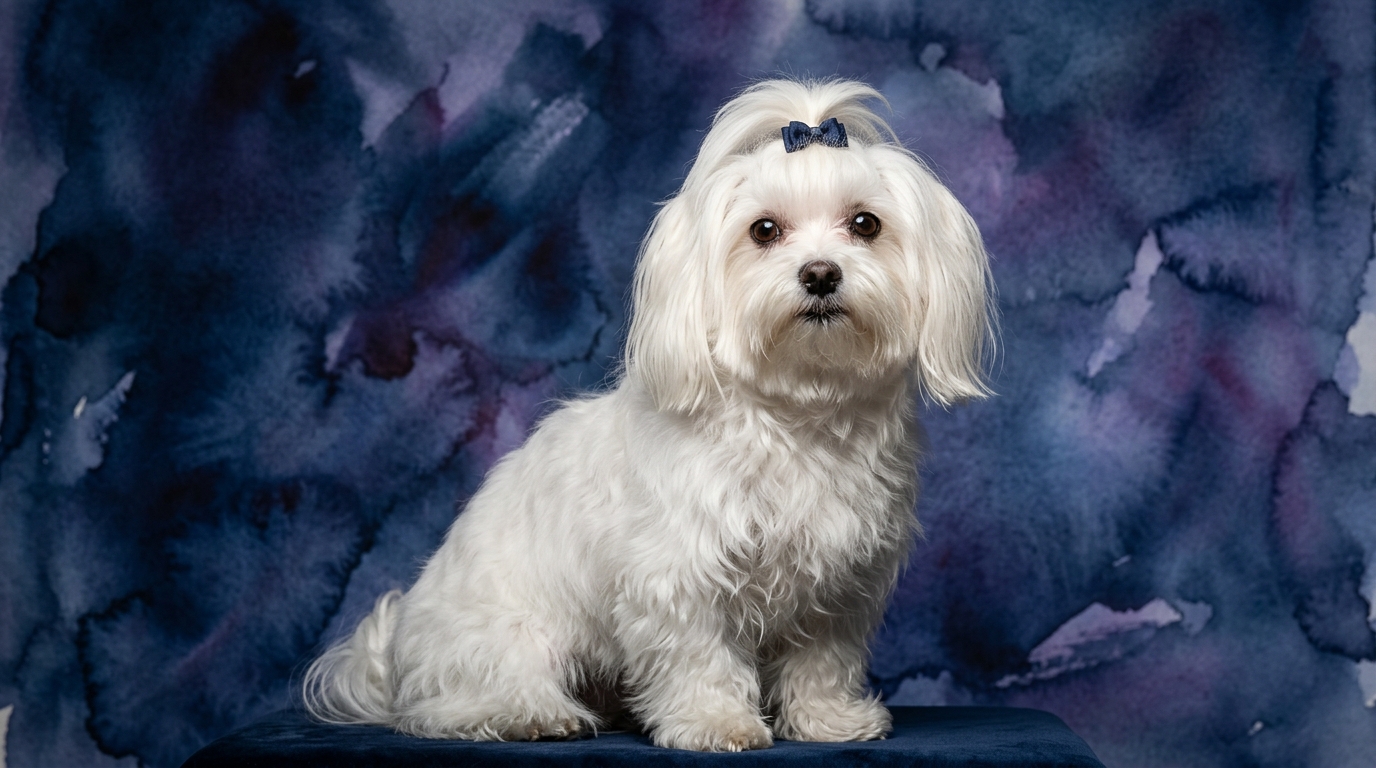
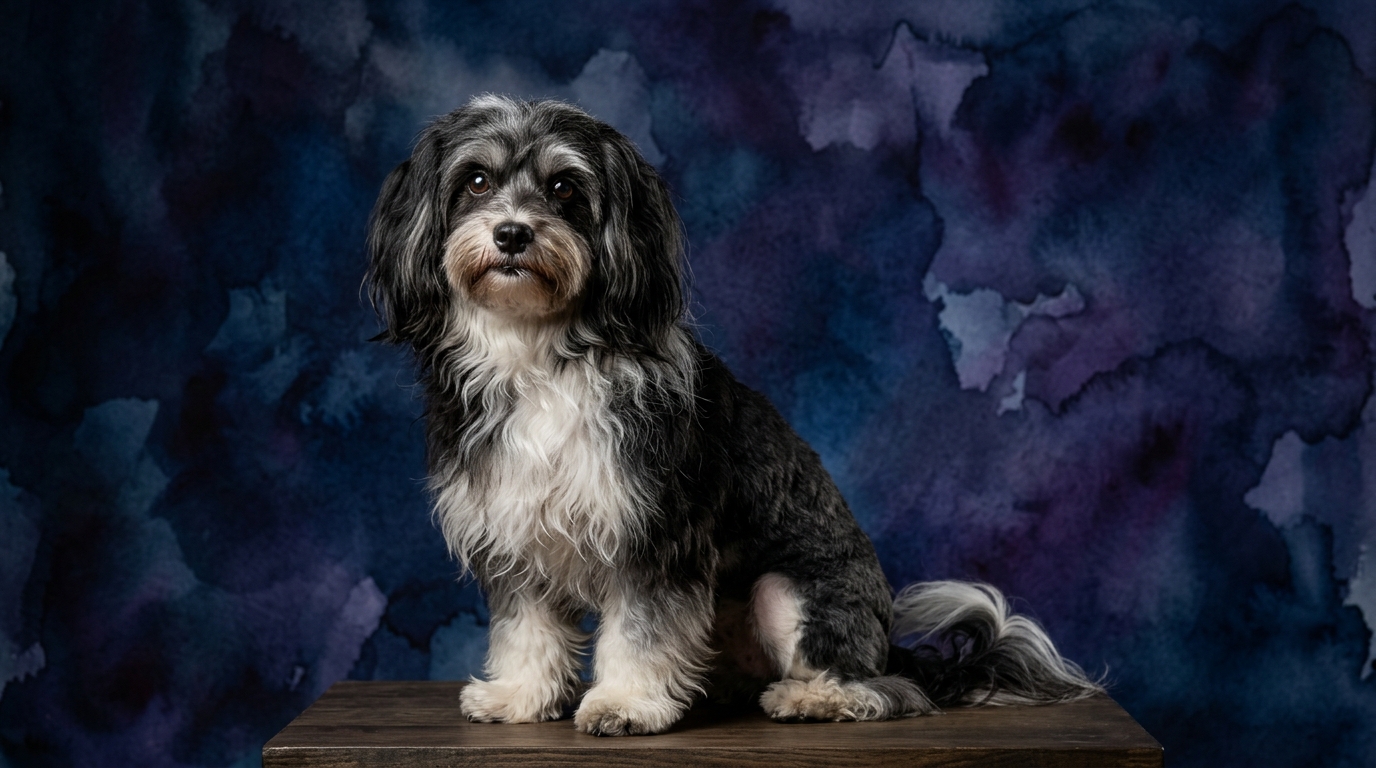
Side-by-Side IQ Profile: Maltese vs. Löwchen
The Cosmic Pet Pet IQ Lab employs a five-dimensional framework to assess canine intelligence, moving beyond simplistic notions to reveal the intricate cognitive tapestry of each breed. For the Maltese, a beloved member of the Toy group and holding a Coren rank of #59, and the Löwchen, a spirited Non-Sporting breed without a specific Coren ranking, their IQ profiles offer fascinating insights into their mental strengths.
In Problem Solving, both breeds register a 3 out of 5, indicating a moderate capacity to navigate novel situations and figure out solutions independently. This means they are capable of learning routines and understanding simple cause-and-effect relationships, though complex, multi-step puzzles might require consistent human guidance to master.
Training Speed also aligns for both, scoring a 3 out of 5. This suggests that while neither breed is exceptionally quick to grasp new commands after only a few repetitions, they are perfectly capable of learning a wide array of behaviors with patience, consistency, and positive reinforcement. Owners can expect a steady learning curve, rather than instant comprehension.
A significant divergence appears in Social Intelligence, where the Maltese shines with a perfect 5 out of 5, while the Löwchen registers a solid 3 out of 5. The Maltese possesses an extraordinary ability to read and respond to human emotions, body language, and social cues, demonstrating a profound attunement to their human companions. The Löwchen, while certainly affectionate, processes social interactions with a more moderate, less intensely focused lens.
Instinctive Drive presents another subtle difference: the Maltese scores a 2 out of 5, indicating very low inherent urges for activities like hunting, herding, or guarding. The Löwchen, on the other hand, registers a 3 out of 5, suggesting a slightly higher, though still moderate, inclination towards exploration, play, and engaging with their environment based on innate dog behaviors.
Finally, Memory is consistent for both breeds at 3 out of 5. This moderate score means they retain learned commands, routines, and experiences effectively over time, but might not recall intricate sequences or long-past events with perfect precision. Consistent reinforcement helps solidify their understanding and recall of important lessons.
Where the Maltese Wins Cognitively
The Maltese's undeniable cognitive strength lies in their exceptional Social Intelligence, scoring a rare 5 out of 5, a trait that positions them as master communicators within the human-canine bond. This isn't just about being affectionate; it’s a sophisticated ability to perceive and interpret the subtle emotional states of their human family members, often anticipating needs or moods without explicit cues.
Their highly developed social cognition means a Maltese is incredibly responsive to voice tone, facial expressions, and even the general atmosphere of a household, adjusting their behavior accordingly. This makes them profoundly empathetic companions, often seeking to comfort a sad owner or mirroring joyful excitement, fostering an incredibly deep and intuitive connection.
Furthermore, their low Instinctive Drive (2/5) complements this social prowess by minimizing distractions from internal urges that might pull other breeds away from human interaction. A Maltese is less likely to be sidetracked by a scent trail or a distant squirrel, preferring instead to remain focused on the dynamics of their immediate human environment, making them exceptionally present companions.
Where the Löwchen Wins Cognitively
While the Maltese excels in social attunement, the Löwchen’s cognitive strengths lie in a more balanced and slightly more independent engagement with the world, particularly evident in their moderate Instinctive Drive (3/5). This means they possess a slightly stronger innate curiosity and desire to explore their surroundings compared to the Maltese.
This moderate instinctive drive translates to a dog that might enjoy short bursts of playful exploration in the yard, engaging with toys with a bit more self-directed enthusiasm, or showing a keener interest in novel objects and smells. They are certainly not high-drive working dogs, but they possess a spark of independent investigation that enriches their daily life beyond pure human interaction.
Their Social Intelligence, while a respectable 3/5, allows them to be affectionate and responsive without the intense, almost telepathic focus seen in the Maltese. This balance can be a cognitive 'win' for owners who appreciate a dog that enjoys companionship but also possesses a degree of self-sufficiency, capable of entertaining themselves or observing their environment with a less human-centric perspective.
Which is Easier to Train and Why
Both the Maltese and the Löwchen share a Training Speed rating of 3 out of 5, suggesting neither breed is inherently 'easier' in terms of raw learning pace. However, the *nature* of their cognitive profiles dictates different approaches and might lead to varying perceptions of ease in training.
The Maltese, with its unparalleled Social Intelligence (5/5), often *feels* easier to train for compliance-based tasks because they are intensely motivated by owner approval and connection. Their profound desire to please and their ability to read subtle cues means they are highly receptive to positive reinforcement, often responding with eagerness to earn a kind word or a gentle touch from their beloved person.
Their low Instinctive Drive (2/5) further aids in training, as they are less prone to internal distractions like chasing or scent tracking, allowing them to maintain focus on the handler. This makes them particularly adept at learning indoor manners, house-training, and obedience commands where the primary reward is often the continuation of positive human interaction.
The Löwchen, while also trainable with a 3/5 Training Speed, may require a slightly different motivational strategy due to their 3/5 Social Intelligence and 3/5 Instinctive Drive. They are affectionate and willing to learn, but might not be as intensely driven by the sheer act of pleasing their owner; external motivators like high-value treats or engaging toys might be more consistently effective to maintain their focus.
Their slightly higher instinctive drive means a Löwchen might occasionally be more distracted by interesting smells or sounds in the environment during outdoor training sessions. While they are intelligent and capable, owners might need to be more consistent in capturing their attention and providing compelling reasons for them to engage in training, rather than relying solely on social reinforcement.
Which Suits Active Owners vs. Relaxed Owners
Understanding the subtle cognitive differences between these two breeds is crucial for matching them with an owner's lifestyle, particularly concerning activity levels and companionship styles. It’s not just about physical energy, but how their minds prefer to engage with daily life.
For owners who identify as 'relaxed,' preferring quiet companionship, intimate bonding, and less demand for vigorous daily activity, the Maltese is often an ideal match. Their exceptional Social Intelligence means they thrive on close proximity, cuddles, and consistent human interaction, often content to be a lap dog or a constant shadow. Their low Instinctive Drive means they require minimal structured exercise beyond short strolls and indoor play, aligning perfectly with a calmer home environment.
Conversely, the Löwchen, with its slightly higher Instinctive Drive (3/5) and a more balanced Social Intelligence (3/5), tends to suit 'active' owners who enjoy a dog with a bit more independent curiosity and engagement with the world. While still a small companion, a Löwchen might appreciate varied short adventures, exploring new dog-friendly places, or engaging in playful games that tap into their moderate investigative instincts.
They are still very much companion dogs, but their cognitive makeup suggests they are less likely to be solely focused on human interaction for their entire day, happily engaging with toys or exploring a secure yard. This makes them a great fit for owners who want an affectionate dog but also one that possesses a spark of self-directed fun and a willingness to participate in a broader range of activities.
The Verdict
Choose a Maltese if you deeply value an exceptionally empathetic, emotionally responsive companion whose primary joy comes from an intimate, constant connection with their human, thriving in a relaxed, socially focused home.
Opt for a Löwchen if you prefer a charming, affectionate dog that also exhibits a balanced curiosity, a touch more independent engagement with its surroundings, and a willingness to explore various activities alongside its human.
🧠 Find Your Pet's IQ Score
Our Pet IQ Lab assessment covers 25+ tests across 5 cognitive dimensions — personalized to your breed.
Take the Full IQ Test →Frequently Asked Questions
Are Maltese good at learning tricks?
Given their moderate training speed (3/5) and exceptional social intelligence (5/5), Maltese generally enjoy learning tricks, especially when it involves interaction with their owner and positive reinforcement. Their desire to please and engage makes them receptive to new commands, often picking up on subtle cues quickly.
Do Löwchen tend to be independent?
Löwchen exhibit a moderate level of independence, reflected in their social intelligence (3/5) and instinctive drive (3/5). While affectionate and enjoying interaction, they are less intensely focused on human social cues than some breeds, allowing them to engage in independent play or exploration without constant human direction.
Which breed is better for first-time dog owners?
Both breeds can suit first-time owners with proper guidance, but the Maltese's high social intelligence and lower instinctive drive might make them slightly more intuitive to live with for someone new to dog ownership. Their strong desire for connection often translates to an eagerness to please and respond to human guidance, simplifying initial training and bonding.