A Side-by-Side Look at Cognitive Profiles
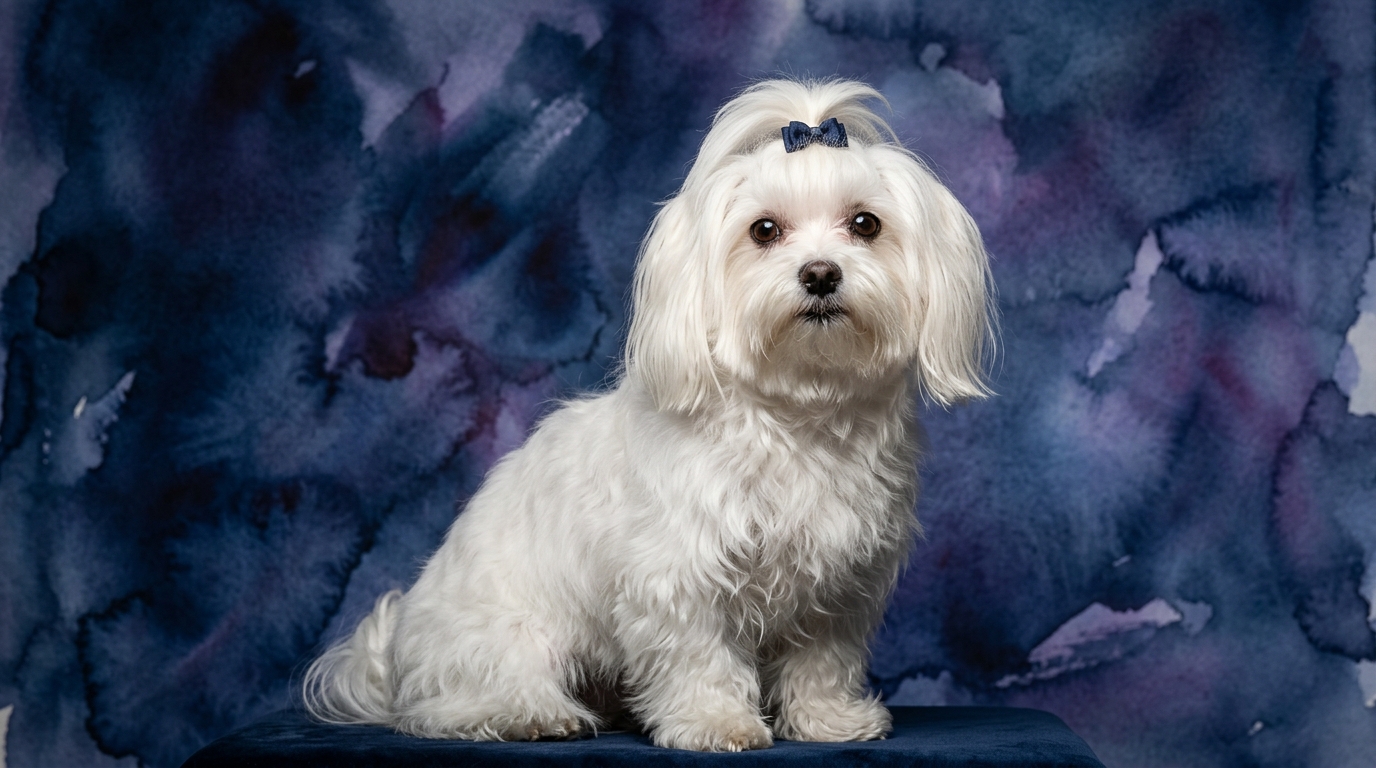
The Cosmic Pet Pet IQ Lab employs five key dimensions to evaluate canine intelligence, offering a nuanced view beyond simple 'smart or not smart' labels. For the Maltese, a Toy breed, we observe a Problem Solving score of 3/5, indicating a moderate ability to navigate novel situations or puzzles independently. Their Training Speed is also 3/5, suggesting they learn new commands at an average pace. Where the Maltese truly shines is in Social Intelligence, scoring an impressive 5/5, reflecting an exceptional capacity to understand and respond to human cues and emotions. Instinctive Drive is lower at 2/5, typical for a breed primarily developed for companionship, meaning they possess less innate drive for tasks like herding or hunting. Memory stands at 3/5, allowing them to retain learned information and experiences moderately well.
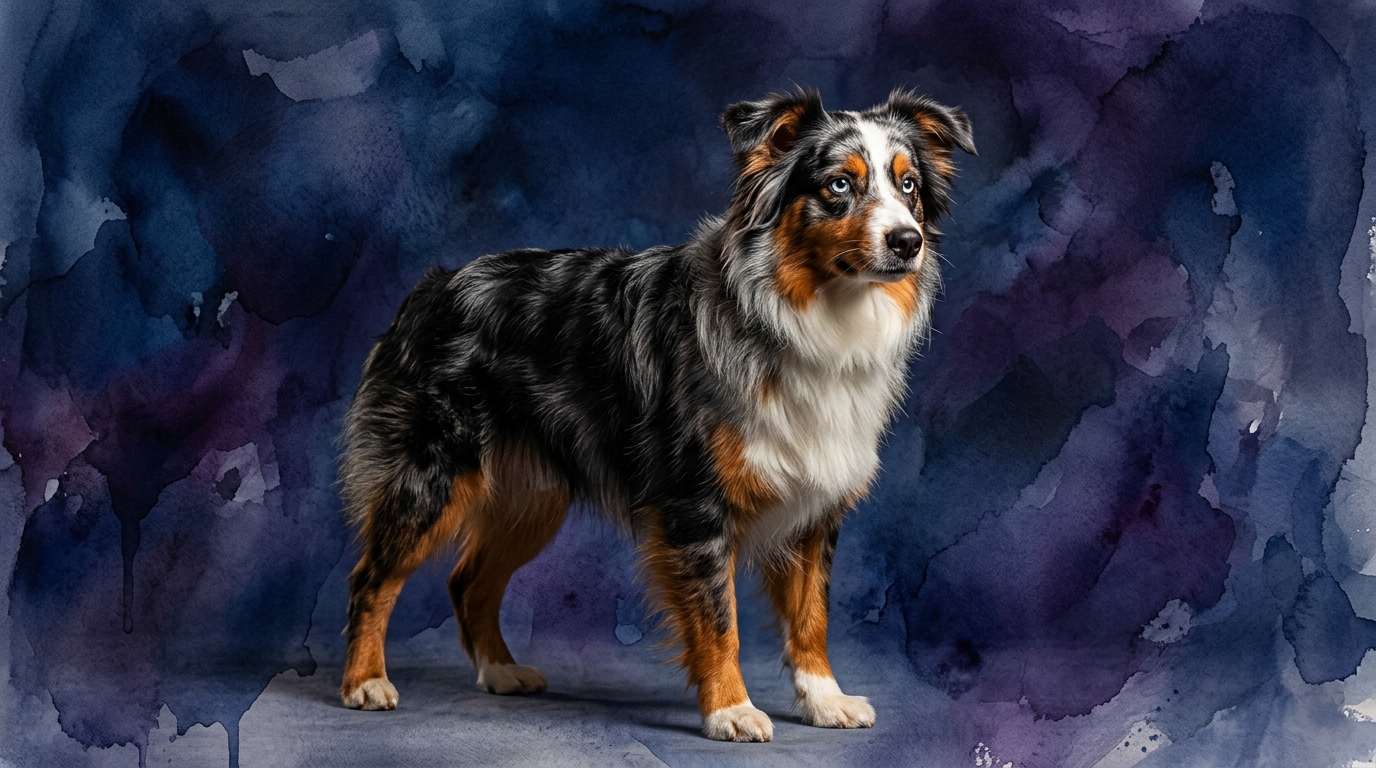
In contrast, the Miniature American Shepherd, a Herding breed, presents a more uniformly balanced cognitive profile. Their Problem Solving ability matches the Maltese at 3/5, indicating a similar capacity for independent thought in challenging scenarios. Training Speed is also consistent at 3/5, suggesting an average learning curve for obedience and tricks. Social Intelligence for the Miniature American Shepherd is 3/5; while capable of strong bonds, their focus might be more task-oriented than purely social compared to a Maltese. Their Instinctive Drive is higher at 3/5, reflecting their herding lineage and a natural inclination towards activity and purpose. Memory, like the Maltese, is rated at 3/5, signifying a solid ability to recall past lessons and experiences.
Where the Maltese Demonstrates Cognitive Strengths
The Maltese's standout cognitive strength lies unequivocally in their Social Intelligence, achieving a perfect 5/5. This isn't merely about being affectionate; it represents a profound capacity to interpret human body language, vocal tones, and emotional states with remarkable accuracy. A Maltese can often seem to anticipate their owner's moods or desires, making them extraordinarily attuned companions. This sensitivity translates into a dog that excels in environments where close human interaction and emotional reciprocity are paramount. They thrive on being integrated into family life, often becoming the emotional barometer of the household, adjusting their behavior to match the prevailing atmosphere. Their ability to read a room and respond appropriately means they often integrate seamlessly into various social settings, making them charming and adaptable pets for those who value deep emotional connection.
Furthermore, their lower Instinctive Drive (2/5) can be seen as a cognitive advantage in certain contexts. Unlike breeds with strong working drives that constantly seek a 'job,' the Maltese is generally content with being a beloved companion. This means less internal pressure to perform tasks, fewer urges to herd, dig, or hunt, and a greater predisposition towards calm coexistence within a domestic environment. This reduced drive translates into a dog that is often less demanding of structured activities and more focused on the immediate social interaction, making them superb for individuals or families seeking a devoted, emotionally responsive presence without the need to channel intense working instincts.
Where the Miniature American Shepherd Exhibits Cognitive Prowess
The Miniature American Shepherd's cognitive strengths are rooted in their balanced and moderate scores across the board, particularly their Instinctive Drive of 3/5. While not as high as some dedicated working breeds, this drive significantly surpasses the Maltese and provides a robust foundation for engagement in diverse activities. This inherent motivation means a Miniature American Shepherd often possesses a natural desire to work alongside their human, whether that involves learning complex obedience routines, participating in agility, or even engaging in herding games. Their cognitive profile supports a dog that enjoys having a purpose, and this drive can be channeled into constructive outlets, preventing boredom and fostering a deep sense of fulfillment through shared activity. They are often keen observers of their environment, constantly processing information to understand their role within it.
Their balanced Problem Solving (3/5) and Training Speed (3/5) combined with their moderate Instinctive Drive make them versatile learners. While a Maltese might use social cues to solve problems by appealing to their owner, a Miniature American Shepherd is more likely to engage with the problem itself, using their innate curiosity and drive to figure things out. This makes them adept at navigating obstacle courses, learning multi-step commands, or even excelling in tasks that require a degree of independent thought and perseverance. Their cognitive makeup allows them to be both receptive to instruction and capable of applying learned skills in practical, dynamic situations, making them excellent candidates for advanced training and dog sports.
Ease of Training: Maltese vs. Miniature American Shepherd
Both the Maltese and Miniature American Shepherd share a Training Speed score of 3/5, suggesting they learn new commands at a comparable pace. However, the 'ease' of training extends beyond just learning speed and is heavily influenced by their other cognitive dimensions and behavioral tendencies. The Maltese, with its exceptional Social Intelligence (5/5), often appears easier to train for basic obedience because of its strong desire to please and connect with its human. They are highly motivated by praise, affection, and attention, making positive reinforcement incredibly effective. Their lower Instinctive Drive means fewer distractions from innate urges to chase or herd, allowing them to focus more readily on the trainer during initial sessions. This strong social bond means they are often eager to comply, not just because they understand the command, but because it strengthens their connection with their owner.
The Miniature American Shepherd, while equally capable of learning at an average speed, brings a different dynamic to training due to its higher Instinctive Drive (3/5) and slightly lower Social Intelligence (3/5) compared to the Maltese. They are intelligent and eager to work, but their motivation might stem more from the satisfaction of a task well done or the engagement with an activity, rather than purely social affirmation. Their herding background means they can be more independent thinkers and might test boundaries if not given clear, consistent guidance. Training a Miniature American Shepherd often requires more structured engagement and a clear sense of purpose for the dog, leveraging their drive to perform. While they form strong bonds, their attention might be more divided between their human and their environment, especially if there are interesting sights or smells. Consistency and firm, but fair, leadership are key to harnessing their work ethic effectively, making the initial stages of training potentially more demanding in terms of handler focus and direction.
Matching Canine Minds to Lifestyles: Active vs. Relaxed Owners
When considering which breed aligns with an active versus a relaxed owner, their distinct cognitive profiles offer clear guidance. The Maltese, with its high Social Intelligence and low Instinctive Drive, is an ideal fit for relaxed owners who prioritize companionship and emotional connection over strenuous activities. These dogs thrive in a home environment where they receive ample affection, gentle play, and consistent human presence. Their cognitive makeup means they are content with shorter walks, indoor playtime, and being a lap dog, making them suitable for apartment living or individuals with less active lifestyles. They excel at being a devoted shadow, seeking to be involved in whatever their human is doing, even if that activity is simply relaxing on the couch. Their moderate problem-solving and memory skills are sufficient for navigating a comfortable home life, and their primary cognitive focus is on maintaining harmony within their social unit.
Conversely, the Miniature American Shepherd, with its balanced cognitive scores and higher Instinctive Drive, is perfectly suited for active owners. This breed requires consistent mental and physical stimulation to prevent boredom and channel their inherent working tendencies constructively. Owners who enjoy hiking, running, dog sports like agility or obedience, or even just long, engaging walks will find a willing and capable partner in a Miniature American Shepherd. Their problem-solving abilities and moderate training speed mean they excel when given tasks to learn and challenges to overcome. Their drive to work and moderate social intelligence mean they form strong bonds through shared activities and appreciate having a 'job,' even if it's just fetching a toy repeatedly or learning new tricks. They are not content to be purely decorative; their cognitive well-being depends on regular engagement that stimulates both their body and their mind, making them an excellent choice for dynamic households.
The Verdict
Choose the Maltese if your lifestyle is relaxed, you seek a deeply emotionally attuned companion, and value a dog whose primary joy is close social interaction and affection.
Opt for the Miniature American Shepherd if you lead an active life, desire a versatile partner for dog sports or outdoor adventures, and are prepared to engage their working mind with consistent training and purposeful activities.
🧠 Find Your Pet's IQ Score
Our Pet IQ Lab assessment covers 25+ tests across 5 cognitive dimensions — personalized to your breed.
Take the Full IQ Test →Frequently Asked Questions
Are Maltese dogs good at learning tricks?
With a Training Speed of 3/5 and exceptional Social Intelligence (5/5), Maltese dogs are quite capable of learning tricks. They are often highly motivated by praise and attention from their owners, which makes positive reinforcement training very effective for teaching them various commands and fun behaviors.
Does the Miniature American Shepherd need a 'job'?
While not as intense as some working breeds, the Miniature American Shepherd's Instinctive Drive of 3/5 means they thrive on having a purpose. Providing them with activities like obedience training, agility, or even challenging puzzle toys helps fulfill their cognitive needs and prevents boredom, contributing to their overall well-being.
Which breed is better for first-time dog owners?
The Maltese, with its high social intelligence and lower demands for strenuous activity, can be a gentler introduction for first-time owners seeking a devoted companion. The Miniature American Shepherd, while trainable, may require a more consistent and experienced approach to manage its herding instincts and activity needs effectively.