Side-by-Side IQ Profile: Maltese vs. Shiba Inu
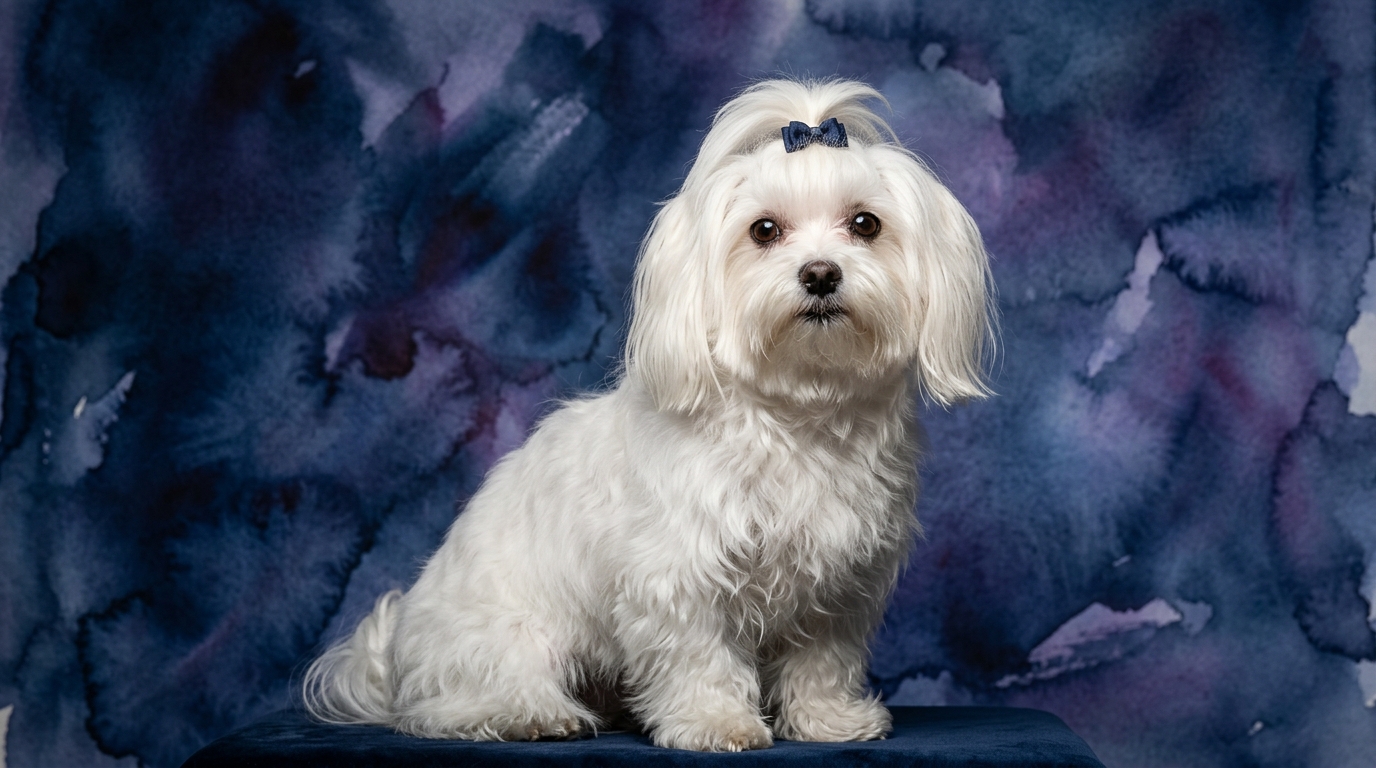
The Maltese, a member of the Toy group, holds a Coren ranking of #59 for working and obedience intelligence, offering a benchmark for their cognitive capabilities. Our Cosmic Pet IQ Lab metrics categorize their problem-solving capacity at a moderate 3 out of 5, suggesting an ability to navigate straightforward environmental challenges but perhaps not complex, multi-layered puzzles. Their training speed also registers at 3 out of 5, indicating they learn new commands at an average pace, requiring consistent and patient instruction to solidify new behaviors. Where the Maltese truly excels is in social intelligence, scoring a perfect 5 out of 5, reflecting an extraordinary aptitude for understanding human cues, forming deep emotional bonds, and thriving on close companionship. Conversely, their instinctive drive is low at 2 out of 5, meaning they possess minimal inherent inclination for tasks like hunting or guarding, preferring interaction over independent pursuits. Memory is rated at 3 out of 5, enabling them to retain learned behaviors and routines effectively, though perhaps without the exceptional recall seen in some working breeds.
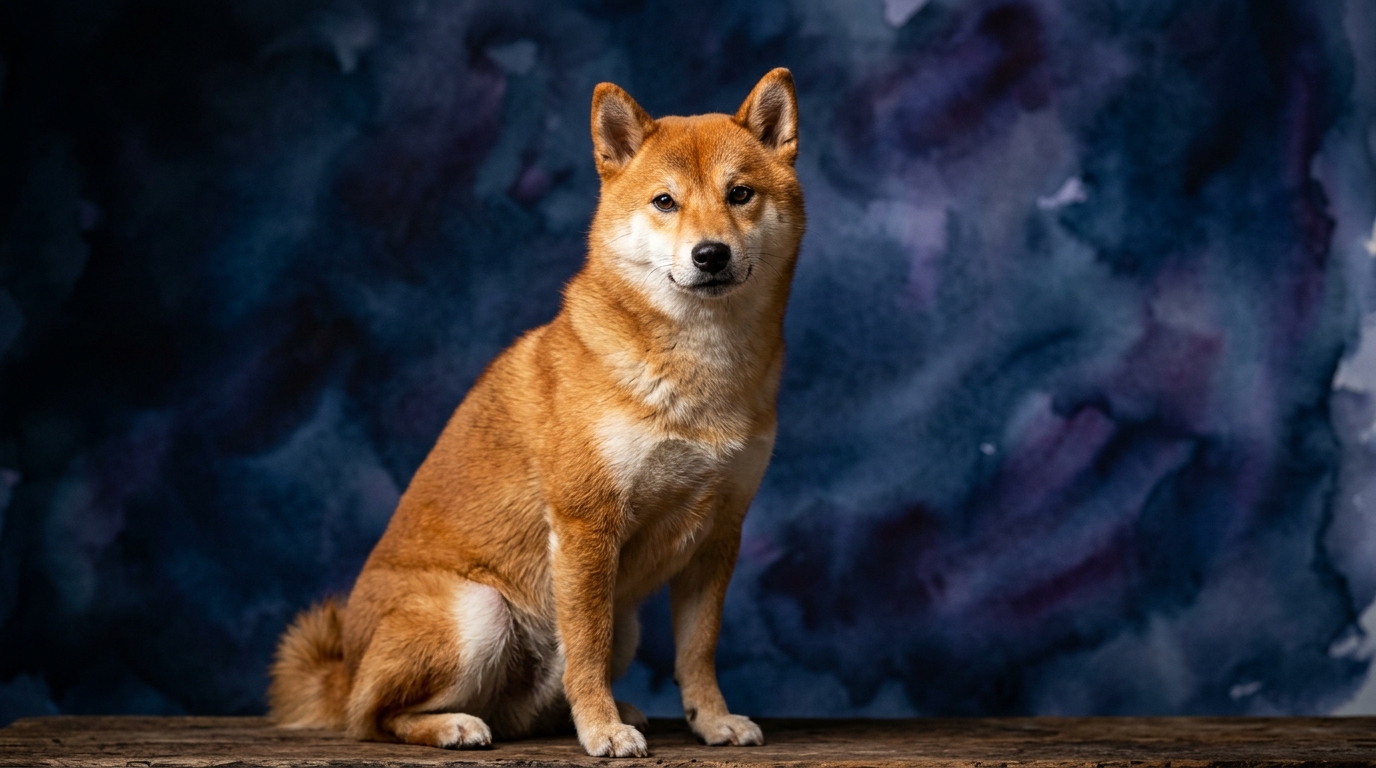
The Shiba Inu, hailing from the Non-Sporting group, does not have a Coren ranking, but our Cosmic Pet IQ Lab metrics paint a distinct cognitive portrait. They demonstrate a strong problem-solving ability, scoring 4 out of 5, suggesting a significant capacity for independent thought and resourcefulness in figuring out solutions to environmental challenges. However, their training speed is lower at 2 out of 5, indicating a more independent learning style that can make traditional obedience training a lengthier and more nuanced process. Social intelligence for the Shiba Inu is a moderate 3 out of 5; while they form bonds with their families, they are often described as more reserved and less overtly demonstrative than some breeds, valuing their personal space and demonstrating affection on their own terms. Their instinctive drive is exceptionally high at 5 out of 5, reflecting a powerful prey drive, a pronounced tendency for independence, and a need for significant mental and physical engagement rooted in their ancestral roles as hunting dogs. Memory is robust at 4 out of 5, enabling them to recall past experiences and learned behaviors with impressive accuracy, including those they might prefer to ignore if it suits their independent agenda.
Where the Maltese Wins Cognitively
The Maltese's primary cognitive advantage undeniably lies in their exceptional social intelligence, scoring a perfect 5 out of 5. This isn't merely about being affectionate; it signifies an innate and profound ability to interpret human emotional states, social cues, and intentions. A Maltese can often anticipate a handler's desires, react appropriately to subtle shifts in mood, and develop a highly attuned responsiveness, making them profoundly empathetic companions. This deep social awareness translates into a strong desire for close interaction and a natural inclination to please, which can indirectly facilitate training, even with their average training speed. Their moderate memory (3/5) effectively supports the retention of social routines, preferred interaction patterns, and family dynamics, reinforcing their role as a devoted and integrated family member. This breed excels in environments where the human-dog connection is paramount, thriving on shared experiences and mirroring the emotional landscape of their family with remarkable sensitivity.
Where the Shiba Inu Wins Cognitively
The Shiba Inu's cognitive strengths are deeply rooted in their independence and ancestral roles, manifesting in a unique set of capabilities. Their problem-solving ability, rated at a strong 4 out of 5, indicates a breed that can be remarkably ingenious in navigating obstacles, figuring out how to access desired items, or escaping perceived confinement. This often manifests as cleverness in outsmarting barriers or devising creative ways to achieve their goals. Coupled with a robust memory (4/5), Shibas are adept at remembering successful strategies and applying them to new situations, which can be both impressive and, at times, challenging for their human companions. Their paramount strength, an instinctive drive of 5 out of 5, means they possess a powerful internal motivation for exploration, chasing, and independent action. This drive serves as a significant cognitive engine, pushing them to constantly engage with their environment and pursue their interests with unwavering determination, often requiring substantial mental and physical outlets to channel constructively and prevent boredom.
Which is Easier to Train and Why
When evaluating ease of training, the Maltese (training speed 3/5, social intelligence 5/5) generally presents a more straightforward and cooperative experience compared to the Shiba Inu (training speed 2/5, social intelligence 3/5, instinctive drive 5/5). The Maltese's average training speed is significantly enhanced by their superior social intelligence. They are inherently motivated by human approval and the strengthening of their bond, making them highly receptive to positive reinforcement and eager to learn commands that foster connection with their handler. While they may not grasp complex sequences instantly, their willingness to engage and their deep desire to please transform the training process into a collaborative and rewarding effort, often leading to reliable obedience in a home setting.
The Shiba Inu, in contrast, approaches training with a distinctly different cognitive framework. Their lower training speed (2/5) is often compounded by a moderate social intelligence (3/5) and an exceptionally high instinctive drive (5/5). Shibas are independent thinkers; they learn, but they frequently weigh whether a command aligns with their own perceived interests or if there's a more compelling instinctual drive at play. Their strong instinctive drive means they can be easily distracted by environmental stimuli, prioritizing their natural urges to explore, chase, or investigate over human directives. Training a Shiba requires immense patience, creativity, and a profound understanding of their independent nature, often involving highly motivating rewards and a consistent, firm, yet positive approach to effectively manage and channel their inherent self-reliance.
Which Suits Active Owners vs. Relaxed Owners
For relaxed owners seeking a devoted, emotionally responsive, and relatively low-maintenance companion, the Maltese is often a more suitable match. Their high social intelligence means they thrive on close companionship and are generally content with moderate daily exercise, such as short walks or indoor play sessions. Their low instinctive drive means they are less prone to independent exploration, chasing small animals, or exhibiting strong guarding tendencies, preferring to be by their owner's side. They are cognitively wired to be attentive to human presence and emotional states, making them excellent lap dogs and adaptable to quieter home environments where their primary role is that of a cherished and constant family member. Their moderate problem-solving and memory skills support a consistent, predictable routine without demanding constant mental challenges or extensive specialized training.
Conversely, the Shiba Inu is better suited for active owners who understand and can cater to a breed with a robust cognitive drive for engagement and independence. Their high problem-solving ability and strong memory mean they require consistent mental stimulation through puzzles, training games, and varied experiences to prevent boredom and potential destructive behaviors. The Shiba's exceptional instinctive drive necessitates significant physical activity, such as long walks, hikes, or secure off-leash play in safe, enclosed areas, to satisfy their natural urges for exploration, movement, and chasing. Owners must be prepared to proactively channel this cognitive energy, providing outlets that fulfill their inherent need for purpose and independent thought, rather than expecting a perpetually passive or compliant companion. An owner who enjoys outdoor activities and engaging their dog in stimulating challenges will find a rewarding partnership with a Shiba Inu.
The Verdict
Choose the Maltese if you prioritize an emotionally attuned companion who thrives on close human interaction and adapts well to a calmer domestic life, valuing companionship above all.
Opt for the Shiba Inu if you appreciate an independent, clever companion and are prepared to engage their strong instincts with consistent training and ample mental and physical stimulation.
🧠 Find Your Pet's IQ Score
Our Pet IQ Lab assessment covers 25+ tests across 5 cognitive dimensions — personalized to your breed.
Take the Full IQ Test →Frequently Asked Questions
Is the Maltese truly less intelligent than the Shiba Inu?
Intelligence is multi-faceted, not a single metric. The Maltese excels in social intelligence, forming deep bonds and understanding human cues, while the Shiba Inu demonstrates superior problem-solving and instinctive drive, showcasing a different kind of cognitive strength. It's not about being 'less intelligent' but rather possessing different cognitive specializations that suit varying lifestyles and owner expectations.
Why is the Shiba Inu's training speed lower despite its high problem-solving ability?
The Shiba Inu's lower training speed often stems from its independent nature and high instinctive drive; they can solve problems for their own benefit, but may choose not to comply with human commands if they don't perceive immediate value or if their instincts are more compelling. Their problem-solving is often self-directed and goal-oriented from their perspective, not necessarily human-directed or compliance-driven.
How does a dog's 'instinctive drive' impact their daily life?
A strong instinctive drive, like the Shiba Inu's, means the dog has powerful innate urges for activities such as hunting, exploring, or guarding, requiring owners to provide structured outlets for these behaviors to prevent frustration or unwanted actions. A low instinctive drive, like the Maltese's, means less inclination for such independent pursuits, making them generally more content with a less demanding routine focused on companionship and interaction.