
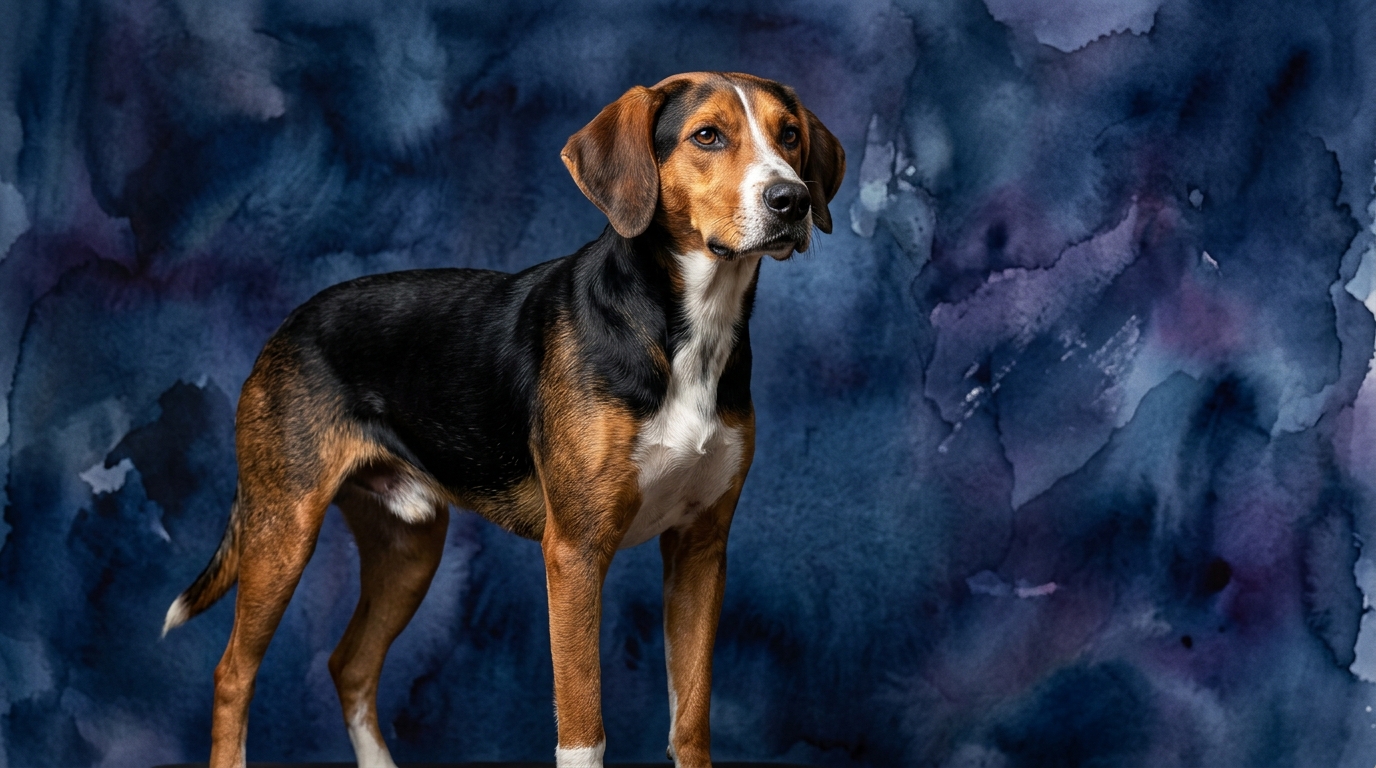
Side-by-Side IQ Profile
**Manchester Terrier (Dog, Terrier)**
**Problem Solving (3/5):** The Manchester Terrier exhibits a competent capacity for problem-solving, often approaching challenges with a quick, independent thought process. This breed is adept at figuring out how to access desired objects or navigate tricky situations, reflecting its historical role in vermin control where strategic thinking was key.
**Training Speed (3/5):** Training a Manchester Terrier generally proceeds at a good pace; they grasp new commands and routines competently. However, their terrier independence means consistency and engaging methods are crucial to maintain their focus and ensure compliance beyond initial understanding.
**Social Intelligence (3/5):** Manchester Terriers possess a reliable level of social intelligence, allowing them to form strong bonds with their human companions and understand household dynamics. They can discern moods and respond appropriately, though their social interactions with other dogs might be tempered by their assertive terrier nature.
**Instinctive Drive (3/5):** Their instinctive drive is well-defined, primarily manifesting as a strong prey drive and an alert watchdog tendency. This translates into a keen interest in small, fast-moving objects and a readiness to alert their family to perceived intruders, behaviors rooted in their original purpose.
**Memory (3/5):** Manchester Terriers demonstrate competent memory, retaining learned commands, routines, and experiences effectively. They remember people and places, and can recall specific actions that led to rewards or consequences, aiding in both training and navigating their environment.
**American Foxhound (Dog, Hound)**
**Problem Solving (3/5):** American Foxhounds show a competent ability to solve problems, particularly those related to their primary drive: tracking. They excel at navigating complex scent trails and overcoming physical obstacles in pursuit, demonstrating persistence and a methodical approach rather than quick, agile maneuvers.
**Training Speed (3/5):** This breed learns at a good, steady pace, capable of understanding and performing commands. However, their training speed can be significantly influenced by environmental distractions, especially compelling scents. Patience and consistent reinforcement are key to breaking through their focused, independent nature when on a trail.
**Social Intelligence (3/5):** American Foxhounds exhibit reliable social intelligence, particularly within a pack structure. They are generally amiable with other dogs and can form deep bonds with their human families, understanding social cues and group dynamics. Their sociable nature, cultivated from working in packs, makes them agreeable companions.
**Instinctive Drive (3/5):** Their instinctive drive is notably strong and singularly focused on scent tracking and the chase. This powerful urge to follow a trail can override other stimuli, making them incredibly driven in their work but also potentially challenging in environments without secure containment or off-leash control.
**Memory (3/5):** American Foxhounds possess good memory, especially for scent trails and familiar routes. They can recall specific locations where scents were strong or where previous hunts occurred, which is vital for their work. They also remember routines and learned behaviors, albeit sometimes requiring more repetition to solidify in the face of their strong drives.
Where Manchester Terrier Wins Cognitively
The Manchester Terrier's cognitive strengths often manifest in its adaptability and strategic cunning, a direct inheritance from its ratting heritage. While both breeds score 3/5 in problem-solving, the Manchester Terrier's approach is typically more individualistic and manipulative. They excel at quickly assessing a novel situation and devising a solution that often involves outsmarting an obstacle or a perceived “prey,” rather than simply powering through it. This quick mental agility and independent decision-making can make them appear more versatile in varied home environments, where they might more readily adapt to new challenges or learn complex parlor tricks that require a sequence of distinct actions.
Where American Foxhound Wins Cognitively
The American Foxhound's cognitive advantages lie in its unwavering focus and incredible sensory processing, particularly concerning olfaction, and its capacity for sustained, methodical work. Their 3/5 problem-solving score is less about quick tricks and more about persistent, long-term engagement with a goal, like following a faint, intricate scent trail for miles. This requires an exceptional memory for scent patterns and terrain, allowing them to reconstruct a path over time, a feat of cognitive endurance. Their singular dedication to a task, even when faced with significant environmental challenges, gives them an edge in pursuits requiring relentless determination and sensory-driven navigation.
Which is Easier to Train and Why
Determining which breed is "easier" to train between the Manchester Terrier and the American Foxhound is nuanced, as both present unique challenges rooted in their distinct historical purposes. The Manchester Terrier, with its 3/5 training speed, generally picks up new commands competently. They are often eager to please their primary human, and their intelligence allows them to understand what is being asked quickly. However, their terrier independence and occasional stubborn streak mean that consistent, positive reinforcement and engaging training methods are essential to prevent boredom and ensure compliance; they might learn a command swiftly but choose not to perform it if a more interesting distraction arises.
The American Foxhound, also with a 3/5 training speed, can be more challenging in a typical obedience setting due to its overwhelming instinctual drive for scent work. While they can understand commands, their mind is often preoccupied with the rich olfactory world around them. Once a compelling scent is detected, their singular focus can make them appear deaf to commands, as their powerful instinctive drive overrides other stimuli. Training a Foxhound requires immense patience, creativity, and often, an understanding of how to incorporate their natural tracking abilities into training to harness their motivation. Therefore, while both learn competently, the Manchester Terrier is arguably "easier" for general household obedience as their distractions are more manageable, whereas the Foxhound requires a trainer who can work *with* its powerful primary drive rather than against it.
Which Suits Active Owners vs Relaxed Owners
Both the Manchester Terrier and the American Foxhound are best suited for active owners, though the *nature* of that activity differs significantly. A Manchester Terrier, with its lively 3/5 instinctive drive and quick mind, thrives with owners who can provide consistent mental and physical stimulation. They need engaging play, regular walks, and opportunities to channel their problem-solving skills, perhaps through puzzle toys or agility training. A "relaxed" owner who cannot meet these needs might find themselves with a bored, potentially destructive, or overly vocal terrier. Their compact size means their exercise can often be managed in urban environments, provided their minds are kept busy.
The American Foxhound, on the other hand, demands a specific kind of active owner. Their 3/5 instinctive drive for tracking means they require extensive opportunities for long, vigorous exercise, ideally in secure, open spaces where they can run and explore scents safely. A simple walk around the block is often insufficient to satisfy their profound need for physical exertion and mental engagement through their nose. Relaxed owners will quickly find an American Foxhound developing undesirable behaviors born of pent-up energy and unfulfilled drives. Their endurance makes them ideal companions for hikers, runners, or those interested in scent work or field trials.
The Verdict
For those seeking a clever, adaptable companion who thrives on close human interaction and varied mental challenges in a more compact package, the Manchester Terrier is an excellent choice.
If your lifestyle involves extensive outdoor adventures, a keen interest in scent work, and you appreciate a dog with remarkable endurance and a more independent, pack-oriented spirit, then the American Foxhound could be your ideal match.
🧠 Find Your Pet's IQ Score
Our Pet IQ Lab assessment covers 25+ tests across 5 cognitive dimensions — personalized to your breed.
Take the Full IQ Test →Frequently Asked Questions
Are Manchester Terriers good apartment dogs despite their activity needs?
Yes, Manchester Terriers can adapt well to apartment living if their owners are committed to providing daily mental stimulation and physical exercise through walks, playtime, and engaging training sessions. Their smaller size makes them manageable indoors, but their active minds and bodies require consistent engagement to prevent boredom and destructive behaviors.
Can an American Foxhound be trained for off-leash reliability?
Training an American Foxhound for off-leash reliability is exceptionally challenging due to their powerful, singularly focused instinctive drive for scent tracking. While some may achieve a degree of reliability with extensive, consistent training in controlled environments, their propensity to follow a scent overrides commands, making secure, fenced areas or long lines generally necessary for their safety.
Do both breeds get along well with children and other pets?
Manchester Terriers can be good with children if properly socialized from a young age and if children are taught to interact respectfully. Their prey drive might make them less suitable for homes with small, unsupervised pets like hamsters. American Foxhounds are generally amiable and tolerant, often good with children and other dogs due to their pack mentality, but their strong prey drive means careful introductions are needed with non-canine pets.