
Side-by-Side IQ Profile: Unpacking Identical Scores
The Pet IQ Lab assesses canine intelligence across five key dimensions, each rated on a scale of 1 to 5. While both the Manchester Terrier and the Cesky Terrier register a consistent 3/5 across the board, how these scores manifest in their daily lives offers a rich tapestry of behavioral differences.
For the Manchester Terrier, a 3/5 in **Problem Solving** suggests an ability to navigate moderate challenges, figuring out how to open simple latches or retrieve hidden toys with a fair degree of persistence and trial-and-error. Their spirited nature often fuels a quick, active approach to puzzles, sometimes favoring speed over deep contemplation. For instance, they might quickly experiment with different angles to get a treat from under furniture, demonstrating a rapid sequence of attempts. A 3/5 in **Training Speed** indicates they acquire new commands and routines at a moderate pace. Their inherent alertness means they grasp concepts readily, often showing a keen interest in learning new things. However, their independent terrier spirit can introduce moments of selective hearing or a preference for self-directed activity, especially if training becomes repetitive or they perceive a more enticing alternative. Consistent, engaging, and positively reinforced training methods are key to harnessing their moderate trainability and keeping their attention. Their **Social Intelligence** at 3/5 means these terriers exhibit a balanced understanding of social cues, readily connecting with their trusted human companions and often showing discerning caution with strangers. They can read moods and respond appropriately within their familiar social circle, offering comfort or initiating play as context dictates. Their confident demeanor means they might not always defer to others, especially when their instincts are piqued, and they may require careful socialization to ensure polite interactions outside their immediate family. A 3/5 in **Instinctive Drive** means the Manchester Terrier possesses a moderate but palpable prey drive and a strong territorial instinct, characteristic of their lineage. This manifests as a keen interest in small, fast-moving objects, often leading to enthusiastic pursuit during walks, and a watchful nature regarding their home environment, alerting to perceived intruders. This drive, while not overwhelming, indicates a healthy connection to their ancestral working roles and requires appropriate outlets like structured fetch games or scent work to manage constructively. Finally, their **Memory** score of 3/5 allows them to retain learned commands, routines, and the locations of favored items or people over extended periods. A Manchester Terrier can recall past experiences and apply lessons learned, making them reliable companions once boundaries and expectations are clearly established. They remember both positive and negative associations with events and individuals, influencing their future interactions and reinforcing their understanding of their world.
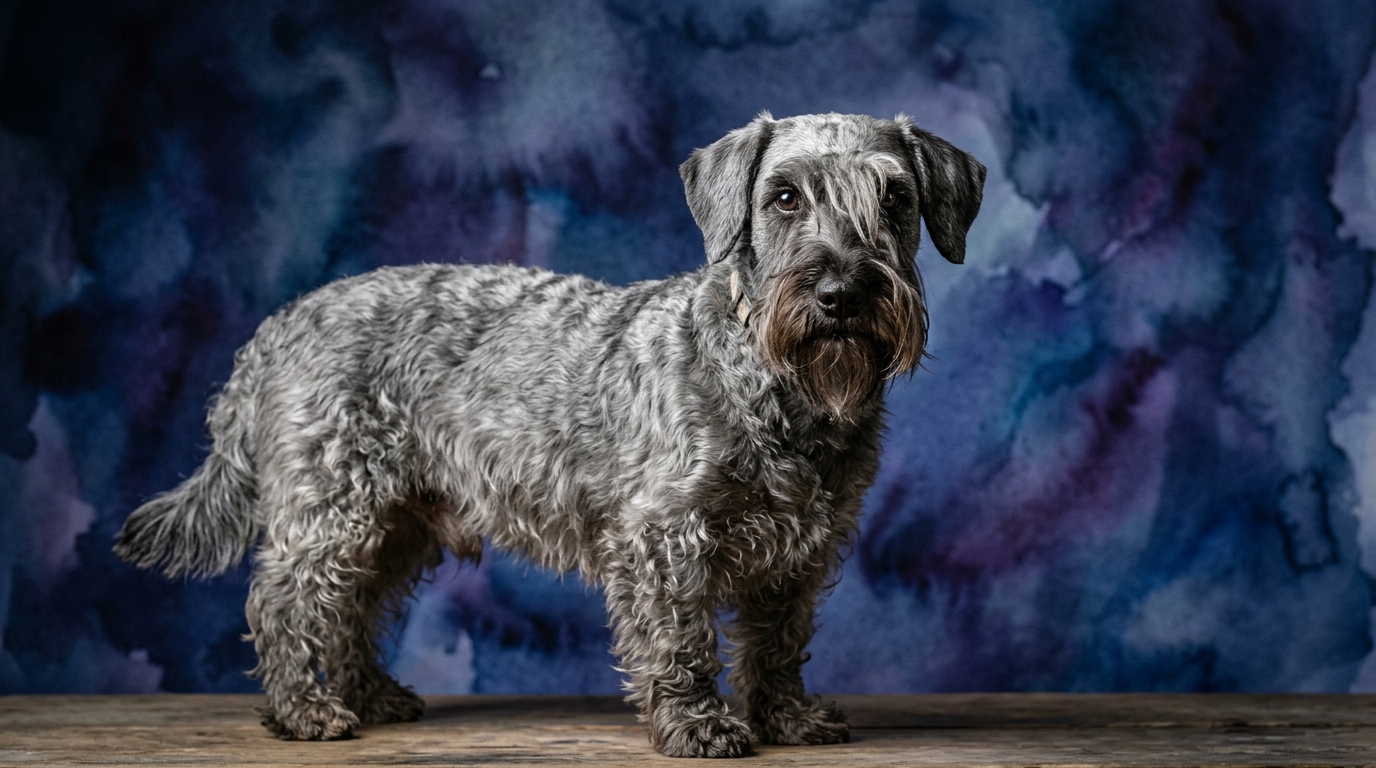
The Cesky Terrier also scores 3/5 across all dimensions, yet their expression of these cognitive traits is distinctly different. Their **Problem Solving** at 3/5 means this breed approaches challenges with a thoughtful, often more methodical demeanor than some terrier counterparts. Their problem-solving involves assessing situations and attempting solutions, perhaps with a touch more patience and less frantic energy. They can work through moderate puzzles, often showing a persistent, quiet determination to achieve their goal, such as methodically nudging a toy until it's accessible rather than wildly batting at it. They learn from their trials, refining their approach with calm persistence. For **Training Speed**, a 3/5 indicates Cesky Terriers typically learn at a moderate pace, absorbing new information steadily and thoroughly. While they possess a quieter disposition, their underlying terrier independence means they appreciate clear, consistent guidance and positive reinforcement to build trust and motivation. They are generally responsive but may require a patient approach to encourage their innate biddability without overwhelming their composed nature, thriving on predictability and gentle encouragement rather than high-energy demands. In **Social Intelligence**, a 3/5 means this breed displays a discerning social awareness, often reserved initially but deeply affectionate and attuned to their family's emotions. They read human cues effectively within their inner circle, demonstrating loyalty and a gentle understanding of household dynamics. With strangers, their social intelligence manifests as a cautious observation before extending trust, reflecting their composed temperament and preference for selective companionship over boisterous greetings. Their **Instinctive Drive** at 3/5 means the Cesky Terrier carries a moderate but definite hunting instinct, stemming from their working heritage as keen vermin hunters. This drive is evident in their interest in tracking scents with focused concentration and their persistent attention on potential “prey” during walks, often using their nose to explore. While present, it is often expressed with a more controlled intensity than in some other terrier breeds, making it manageable for companion life when provided with appropriate mental and physical outlets like scent games. Lastly, their **Memory** score of 3/5 means Cesky Terriers exhibit a solid memory for routines, commands, and the people and places they encounter regularly. They remember both positive and negative interactions, which reliably shapes their future behavior and trust levels. This consistent recall ensures that lessons learned endure, contributing to their reputation as adaptable and dependable family members who remember their place within the family structure and the rules of the household.
Where the Manchester Terrier's Cognition Shines
Despite identical scores, the Manchester Terrier's inherent vivacity and quick reflexes give them a subtle edge in scenarios demanding immediate cognitive application and physical agility. Their problem-solving, while scored 3/5, often manifests with a more spontaneous, 'let's try this now' energy, particularly in dynamic environments where rapid adjustments are needed. They might excel at quickly assessing and reacting to a rapidly changing play scenario or a sudden, novel obstacle, demonstrating a reactive cleverness fueled by their alertness and zest for action.
This breed often presents a sharper, more immediate cognitive 'spark' when faced with engaging stimuli, making them appear to 'catch on' faster in highly stimulating contexts where quick processing of new information is paramount. Their memory (3/5) in such contexts might also lean towards recalling successful *actions* rather than just outcomes, enabling faster repetition of effective movements, especially in fast-paced games or sports.
Where the Cesky Terrier's Cognition Excels
The Cesky Terrier, while equally rated at 3/5, often demonstrates a more considered and patient approach to cognitive tasks, which can be an advantage in situations requiring sustained focus and methodical execution. Their problem-solving often involves a quieter, more observant assessment before action, leading to fewer frantic attempts and a more deliberate path to resolution.
This methodical nature allows them to process information with less impulsive reactivity, making them potentially more adept at tasks requiring a calm, sustained effort, such as unraveling a complex scent trail over time or patiently working out a multi-step puzzle that demands sequential thinking. Their social intelligence (3/5), too, can manifest as a more discerning and less boisterous engagement, allowing them to subtly pick up on nuanced shifts in human emotion and respond with thoughtful, rather than immediate, expressions of affection or concern. Their memory (3/5) supports this by allowing them to store and retrieve detailed, sequential information about tasks, contributing to their thoroughness.
Training Dynamics: A Tale of Two Terriers
Both breeds score 3/5 for Training Speed, indicating a moderate ability to learn. However, their temperamental differences subtly influence the training experience. The Manchester Terrier, with its vivacious spirit and keen alertness, can learn commands quickly when engaged, but their independent streak and high energy might lead to distractions or a tendency to test boundaries. They thrive on variety and short, engaging sessions that leverage their quick wit.
Training a Manchester often requires a trainer who can match their enthusiasm and maintain consistent, varied sessions to keep their interest piqued and prevent them from becoming bored or stubborn. Their moderate training speed is best utilized when the training feels like a game, rewarding their quick responses and channeling their natural drive. Conversely, the Cesky Terrier, while still possessing terrier independence, generally approaches training with a calmer, more biddable disposition. Their reserved nature means they might not be as overtly enthusiastic in initial training sessions, but their willingness to please their family, combined with their thoughtful problem-solving, can make them receptive to consistent, gentle methods.
Training a Cesky often feels less like a battle of wills and more like a collaboration, provided the trainer respects their composed demeanor and uses positive reinforcement to build trust and motivation. Their moderate training speed benefits from clear, calm instruction and a patient approach that allows them to process information at their own steady pace, building a solid foundation of understanding.
Lifestyle Match: Active vs. Relaxed Owners
The Manchester Terrier is an excellent match for active owners who thrive on engaging their dog both physically and mentally. Their energetic disposition and alert nature mean they flourish with regular, vigorous exercise, such as brisk walks, running, or dog sports like agility and flyball. These dogs enjoy being involved in family activities and appreciate owners who can provide consistent mental stimulation through training, puzzle toys, and new experiences, channeling their spirited cognitive energy productively. They are companions for those who enjoy a lively presence and can keep up with a dog that always seems ready for the next adventure.
The Cesky Terrier, while still a terrier requiring daily exercise, often suits owners seeking a more moderately active companion. They appreciate regular walks and playtime but are generally content with a less frenetic pace than some other terriers. Their calmer, more adaptable nature makes them suitable for relaxed home environments, provided they receive sufficient mental engagement and opportunities for scent work or exploratory walks. They can be a good fit for owners who enjoy a quieter, yet still involved, canine presence, one that brings a composed and thoughtful energy to the household rather than constant bustling.
The Verdict
Opt for a Manchester Terrier if you seek a vibrant, alert companion who thrives on energetic engagement and a quick, reactive cognitive challenge, and you are prepared for their spirited independence.
Select a Cesky Terrier if you prefer a more composed, thoughtful companion who appreciates a methodical approach to learning and a calmer, yet still active, lifestyle.
🧠 Find Your Pet's IQ Score
Our Pet IQ Lab assessment covers 25+ tests across 5 cognitive dimensions — personalized to your breed.
Take the Full IQ Test →Frequently Asked Questions
Do Manchester Terriers and Cesky Terriers have similar trainability despite their different personalities?
Yes, both breeds score 3/5 in Training Speed, indicating a moderate ability to learn. However, the Manchester's vivacity requires engaging, consistent training to manage its energy, while the Cesky's calmer demeanor benefits from patient, positive reinforcement that respects its thoughtful nature.
Which breed is better for apartment living, considering their cognitive needs?
Both can adapt to apartment living with sufficient exercise and mental stimulation. The Cesky Terrier's generally calmer disposition might make it slightly more content in smaller spaces, provided its moderate exercise and thoughtful engagement needs are met. The Manchester Terrier, while adaptable, requires more vigorous daily activity to prevent boredom and channel its spirited energy.
How do their similar 'Instinctive Drive' scores manifest differently?
Both score 3/5 for Instinctive Drive, but the Manchester Terrier's drive often appears with more immediate, spirited reactions to stimuli, such as a quick chase. The Cesky Terrier's drive, while equally present, typically manifests with a more controlled, persistent focus, such as a methodical approach to tracking, rather than impulsive chasing.