Side-by-Side IQ Profile: Unpacking the Scores
The Cosmic Pet Pet IQ Lab employs a comprehensive framework to assess canine intelligence, moving beyond simple obedience to evaluate five crucial dimensions. For both the Mastiff (Working group, Coren rank #72) and the Bull Terrier (Terrier group, Coren rank #66), each dimension registers a 3 out of 5, indicating a solid, average capacity that belies their distinct behavioral expressions. Let's dissect what these identical scores signify for each breed.
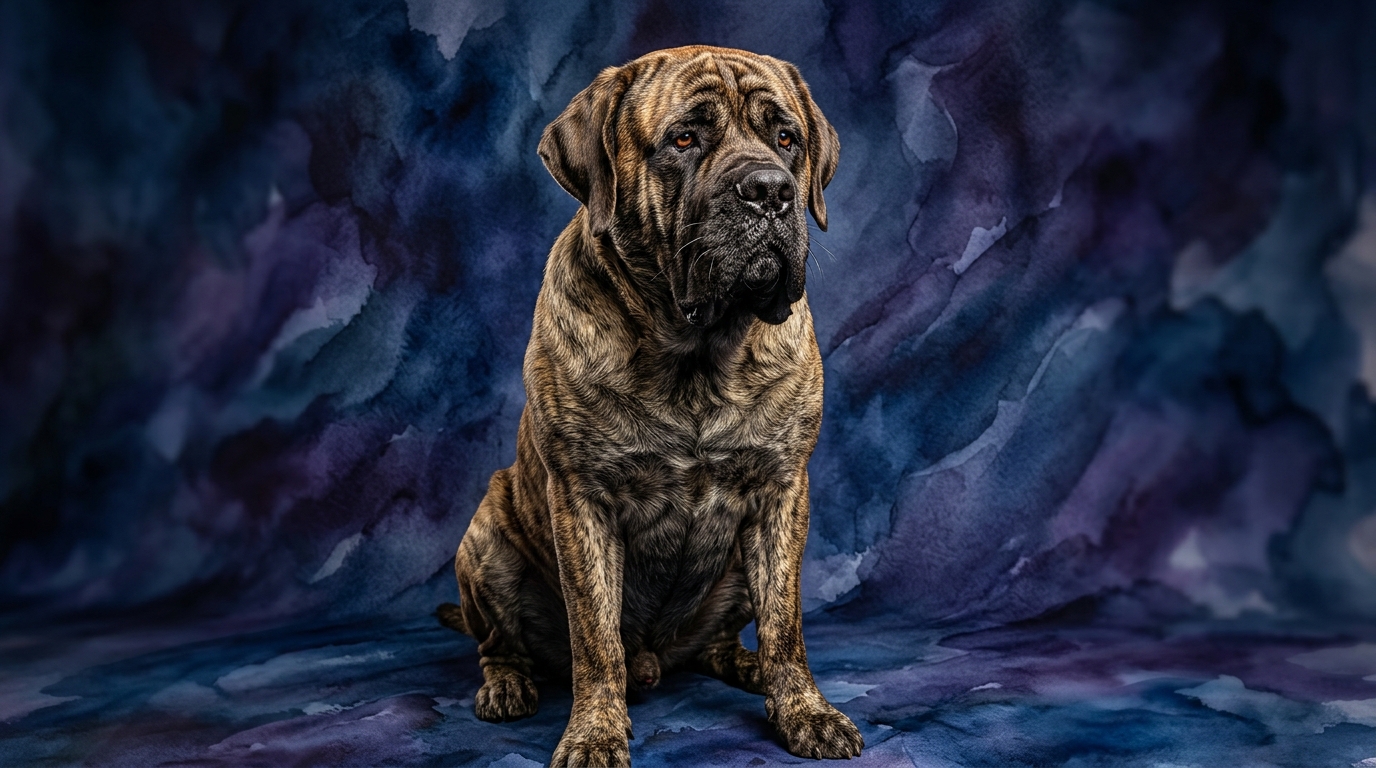
For the **Mastiff**, their Problem Solving score of 3/5 manifests as a deliberate, thoughtful approach. They are not quick to react but will assess a situation, often processing information with a calm intensity before deciding on a course of action. Their Training Speed, also 3/5, means they absorb commands steadily. They may require more repetitions than some breeds, but once a lesson is ingrained, it tends to be very reliable. Social Intelligence at 3/5 highlights their capacity for deep familial bonds and a nuanced understanding of their human companions' emotional states, though they can be reserved with strangers. Their Instinctive Drive, a moderate 3/5, is predominantly expressed as a protective, watchful guardianship over their home and family, rather than a strong prey drive. Finally, a Memory score of 3/5 ensures they retain learned behaviors and experiences, forming lasting associations with people and routines.
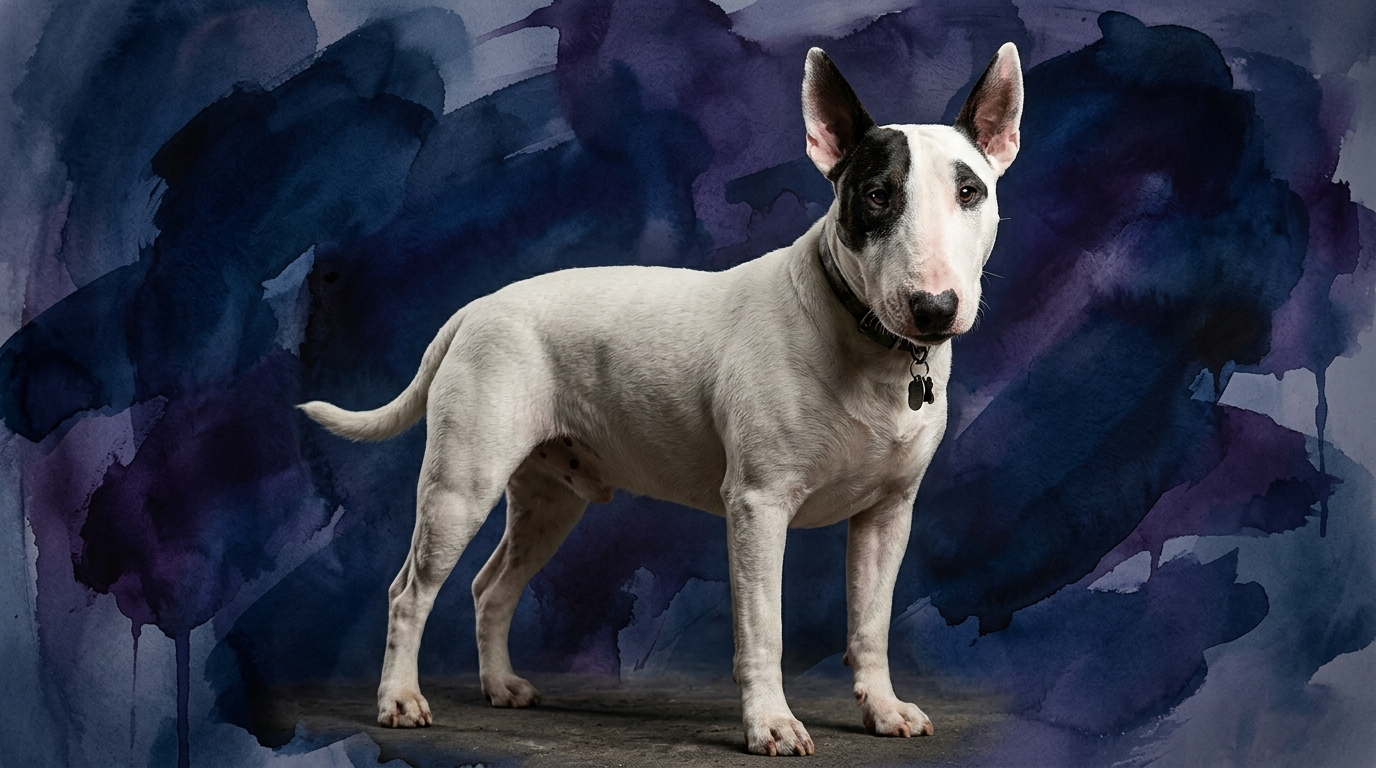
The **Bull Terrier**, with the same 3/5 across the board, expresses these capacities with a distinct terrier flair. Their Problem Solving, at 3/5, is characterized by tenacity and sometimes an unconventional, trial-and-error approach. They will persist until they achieve their goal, often with a mischievous ingenuity. Training Speed, also 3/5, means they can learn rapidly when properly motivated, but their independent spirit and tendency for boredom require engaging and varied methods to maintain focus. Their Social Intelligence of 3/5 shines through their affectionate, often boisterous interactions with their chosen family, demonstrating a clear understanding of their place within the household, though sometimes their exuberance can overshadow subtle social cues. Instinctive Drive, a 3/5, is often expressed through characteristic terrier behaviors like digging, chasing, and a determined pursuit of play. Their Memory, also 3/5, is robust, allowing them to recall commands, routines, and past interactions with impressive clarity, whether positive or negative.
Where the Mastiff Wins Cognitively
The Mastiff's cognitive strengths often lie in areas demanding patience, observation, and a steady temperament. Their 3/5 problem-solving, while not rapid, is often more methodical and less impulsive. In situations requiring a calm assessment of potential threats or changes in environment, the Mastiff's deliberate nature allows for a more considered response. This breed excels in tasks where a slow, steady hand and an unshakeable presence are paramount, such as discerning subtle shifts in household dynamics or acting as a watchful, rather than reactive, guardian. Their social intelligence, though not overtly demonstrative, allows them to process complex human emotions and cues with a quiet sensitivity, making them highly attuned to the emotional landscape of their family without demanding constant attention or overt interaction. Their memory ensures that once a pattern or expectation is established, they reliably adhere to it, making them creatures of consistent habit and predictable behavior.
Where the Bull Terrier Wins Cognitively
The Bull Terrier's cognitive advantages are rooted in their spirited determination and adaptable tenacity. Their 3/5 problem-solving often involves a dynamic, persistent approach; faced with an obstacle, they are more inclined to experiment with multiple solutions until one yields success, sometimes employing creative (and amusing) methods to achieve their goal, whether it's retrieving a hidden toy or figuring out a new puzzle. This makes them particularly adept at navigating novel situations with a confident, can-do attitude. Their training speed, when coupled with an engaging trainer, allows them to pick up new tricks and commands with enthusiasm, especially if the activity appeals to their playful and sometimes mischievous nature. Their social intelligence, while expressed with more exuberance, allows for quick bonding and an intuitive understanding of how to engage their human companions in play and interaction, often initiating games or seeking attention in charmingly insistent ways. Their robust memory ensures they recall past successes and failures, influencing their future problem-solving attempts with a blend of learned experience and innate persistence.
Which is Easier to Train and Why?
When considering ease of training, the distinction between the Mastiff and the Bull Terrier, despite their identical 3/5 training speed, comes down to temperament and motivation. The Mastiff, with its calm demeanor and lower instinctive drive, tends to be more receptive to consistent, repetitive training. They are less prone to distraction and, once they understand what is expected, their inherent desire to please their family, coupled with their strong memory, makes them reliable students. The challenge with Mastiffs often lies in the sheer physical effort required from the trainer to manage such a large animal and the patience needed for their deliberate learning pace. They respond best to calm, positive reinforcement and clear, unambiguous commands, avoiding harsh corrections that can make them withdraw.
The Bull Terrier, on the other hand, presents a different set of training considerations. While equally capable of learning (3/5 training speed), their high energy, independent streak, and strong instinctive drives mean that training must be highly engaging and varied to prevent boredom and mischief. Their problem-solving tenacity can sometimes translate into a stubborn refusal if they perceive a task as uninteresting or if they've found a more entertaining alternative. Bull Terriers thrive on interactive, game-based training that taps into their playful intelligence and provides mental stimulation. An owner must be creative and persistent, consistently demonstrating that compliance is more rewarding than independent action. While neither breed is 'easy' in the sense of being effortlessly trainable, the Mastiff's calmer disposition often leads to a more straightforward, albeit slower, training journey for an owner willing to be patient and consistent, whereas the Bull Terrier demands a more dynamic, engaging, and often humorous approach to channel their vibrant personality effectively.
Which Suits Active Owners vs. Relaxed Owners
The lifestyle compatibility between these two breeds diverges significantly, despite their similar cognitive scores. The Mastiff is an ideal companion for relaxed owners who appreciate a calm, steady presence. Their lower energy levels and preference for lounging make them perfectly content with moderate daily exercise, such as a leisurely walk, followed by ample time spent napping or quietly observing their surroundings from a comfortable spot. Their social intelligence allows them to form deep, quiet bonds, thriving on companionship without demanding constant activity or boisterous play. They are excellent for those seeking a gentle giant whose primary joy is simply being near their people.
Conversely, the Bull Terrier is a perfect match for active owners who relish a spirited and engaging companion. Their higher energy, playful nature, and strong instinctive drives necessitate substantial physical and mental stimulation. They thrive on structured play, vigorous walks, puzzle toys, and consistent training that challenges their problem-solving abilities. Owners who enjoy outdoor adventures, participate in dog sports, or simply have the time and energy for daily interactive sessions will find the Bull Terrier's zest for life incredibly rewarding. Their social intelligence and tenacity are best engaged through shared activities that keep their clever minds and robust bodies occupied.
The Verdict
Choose a Mastiff if you seek a calm, steadfast companion who offers quiet loyalty and requires a patient, consistent approach to training, thriving in a relaxed household environment.
Choose a Bull Terrier if you are an active, creative owner prepared to engage a spirited, tenacious dog with varied training and plenty of physical and mental stimulation.
🧠 Find Your Pet's IQ Score
Our Pet IQ Lab assessment covers 25+ tests across 5 cognitive dimensions — personalized to your breed.
Take the Full IQ Test →Frequently Asked Questions
Are Mastiffs good family dogs?
Yes, Mastiffs are generally known for their gentle and patient nature with children and other pets, forming deep bonds with their family. However, their immense size always necessitates supervision around very young children to prevent accidental bumps.
Do Bull Terriers need a lot of exercise?
Bull Terriers are energetic dogs that require a significant amount of daily exercise and mental stimulation to prevent boredom and destructive behaviors. At least an hour of vigorous activity, combined with puzzle toys and training, is typically recommended.
How do these breeds adapt to apartment living?
A Mastiff can adapt to apartment living if given adequate daily walks and sufficient space indoors, as they are generally low-energy loungers. A Bull Terrier can also live in an apartment, but only if their owners are committed to providing extensive daily exercise and mental engagement outside the home to manage their high energy levels.