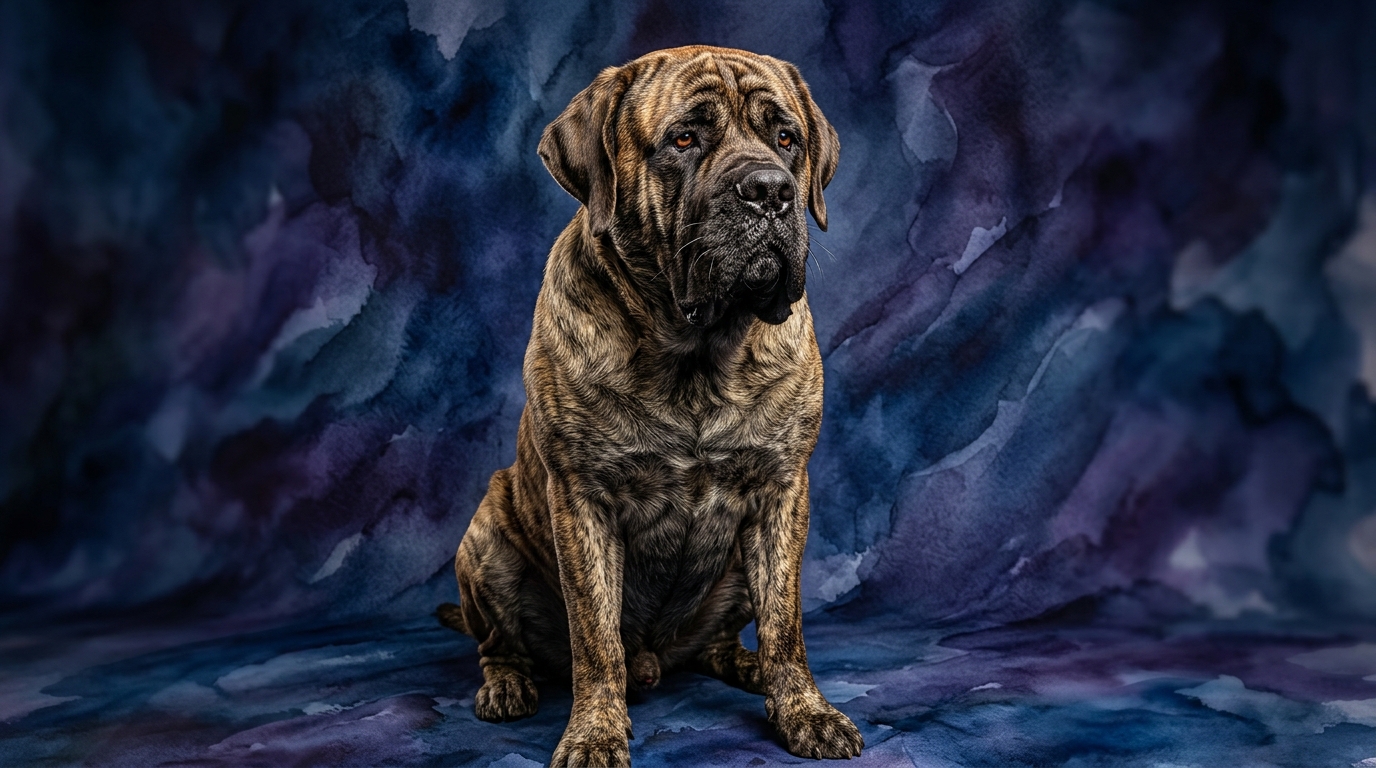
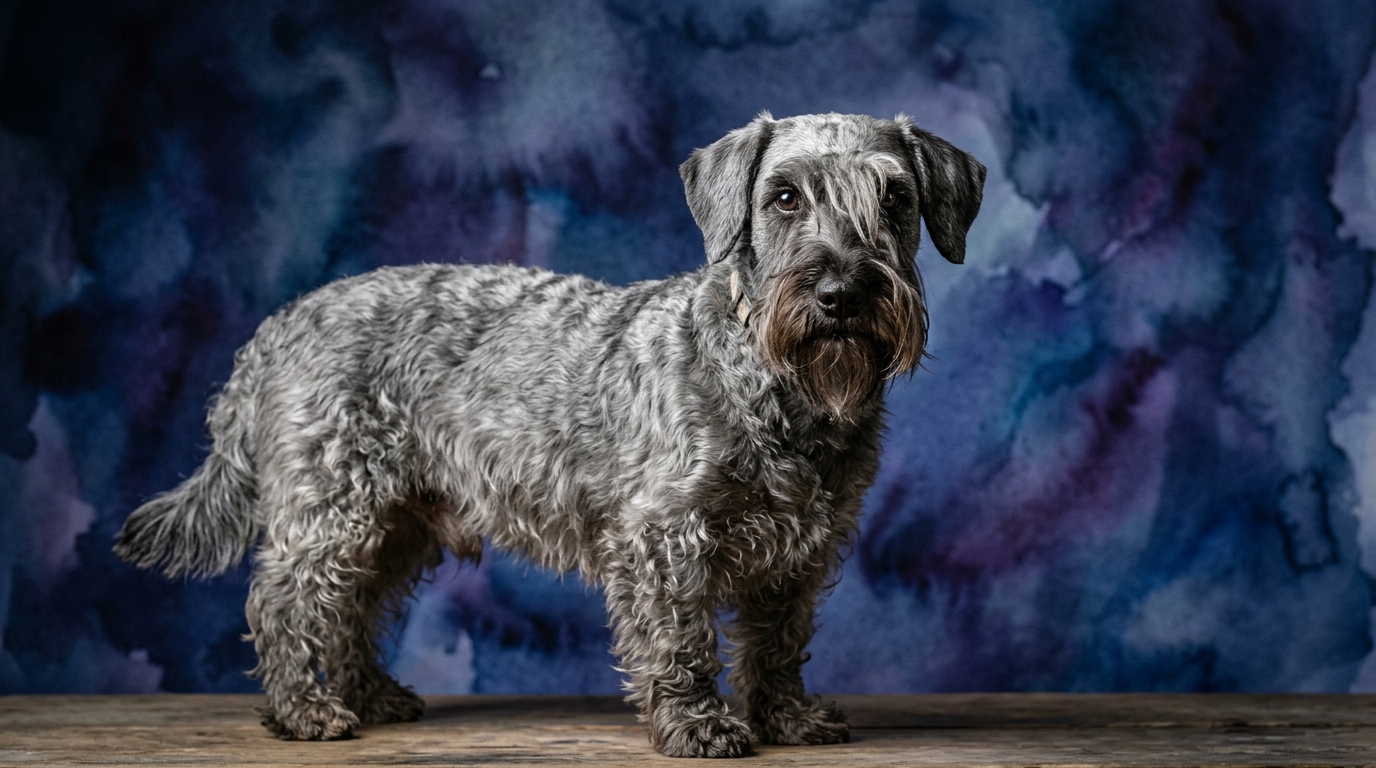
Side-by-Side IQ Profile: Unpacking Cognitive Dimensions
While both the Mastiff and the Cesky Terrier register a consistent 3/5 across our five cognitive dimensions, their expressions within each category are profoundly shaped by their breed history and physical attributes. Understanding these nuances is key to appreciating their individual forms of intelligence.
In **Problem Solving (3/5)**, the Mastiff typically exhibits a thoughtful, sometimes ponderous approach. They won't quickly devise novel solutions to complex puzzles, often preferring to observe or rely on established routines. If a door is closed, they might nudge it patiently rather than attempting intricate latches, reflecting a methodical, rather than innovative, cognitive style. The Cesky Terrier, while also a 3/5, characterizes their problem-solving with persistent, goal-oriented effort, particularly when motivated by scent or a perceived 'prey' item. They excel at figuring out how to get *to* something, employing tenacity and a "can-do" attitude, whether it's navigating an obstacle course or digging under a fence; their solutions are often practical and persistent.
Regarding **Training Speed (3/5)**, the Mastiff learns new commands at a deliberate pace. They are not quick to pick up every cue on the first try, requiring consistent repetition and a calm, patient trainer. Their motivation often stems from pleasing their beloved family members, but their sheer size and thoughtful nature mean they process information and respond without haste. For the Cesky Terrier, these terriers can absorb new information, but their independent streak and strong drives often mean they learn *what* is expected but might not always *comply* immediately. Their "training speed" is less about intellectual capacity and more about their willingness to override their own instincts in favor of a command, requiring high-value rewards and engaging methods to maintain focus.
**Social Intelligence (3/5)** in a Mastiff involves a quiet perceptiveness, adept at reading the emotional states of their family members and often offering a comforting presence. They are discerning with strangers, taking time to assess new individuals, and their social cues are often subtle, expressed through body language rather than overt displays. Their understanding is deeply tied to their role as a family guardian. The Cesky displays a keen awareness of their human companions' moods, often reacting with more overt expressions than the Mastiff. They can be sensitive and responsive to their owner's tone and body language, but their social interactions with unfamiliar dogs or people can be marked by a cautious assertiveness, reflecting their terrier heritage.
The **Instinctive Drive (3/5)** of a Mastiff primarily revolves around guardianship and protection of their home and family. This manifests as a vigilant watchfulness, a deep territorial sense, and a readiness to interpose themselves between perceived threats and their loved ones. Their prey drive is generally low, superseded by their protective role. Rooted in their history as vermin hunters, the Cesky Terrier possesses a robust instinctive drive for chasing, digging, and exploring. This drive is a powerful motivator, influencing their play, their curiosity about scents, and their determination to investigate potential hiding spots for small creatures; it's a drive that requires thoughtful management and redirection.
Finally, for **Memory (3/5)**, Mastiffs have a commendable memory for routines, familiar people, and the layout of their environment. They retain learned commands with consistency and remember both positive and negative experiences, which contributes to their predictable and reliable nature within their established comfort zones. Ceskys demonstrate a good memory for training sequences, the location of favored toys, and especially for areas where interesting smells or past "prey" encounters occurred. Their memory is practical, aiding them in navigating their world and remembering successful strategies for their terrier pursuits.
Where the Mastiff Cognitively Excels
The Mastiff's impressive size is matched by a cognitive strength in deliberate decision-making. While not quick to process complex situations, their methodical approach often leads to more considered and less impulsive actions. In a guarding capacity, for instance, a Mastiff is more likely to assess a situation with calm observation before reacting, preferring a measured display of presence over hasty aggression. This cognitive stability is invaluable in maintaining a peaceful home environment.
Their social intelligence, coupled with their generally placid temperament, fosters remarkable emotional stability. Mastiffs are less prone to sudden bursts of reactivity or anxiety, offering a consistent and reassuring presence. This enables them to navigate various social situations with a calm demeanor, making them dependable companions who rarely overreact to minor changes or unfamiliar stimuli. Their protective instinct is channeled through this stability, allowing them to be discerning rather than indiscriminately reactive.
Where the Cesky Terrier Cognitively Shines
The Cesky Terrier, despite its smaller stature, demonstrates superior adaptive problem-solving for specific, goal-oriented tasks. Their tenacity and agility, fueled by their instinctive drive, allow them to excel at navigating tight spaces, locating hidden objects, or overcoming physical barriers. This isn't abstract reasoning, but a highly effective, persistent form of intelligence tailored to their historical role of flushing out vermin from challenging environments, showcasing a practical ingenuity.
Their strong instinctive drive for exploration and pursuit translates into remarkable resourcefulness. A Cesky will meticulously investigate every scent and potential hiding spot, quickly assessing their environment for opportunities to satisfy their innate curiosity and hunting drive. This cognitive strength makes them adept at scent work, tracking games, and any activity that engages their intrinsic motivation to discover and conquer, often finding solutions through sheer determination where other breeds might give up.
Training Dynamics: Mastiff vs. Cesky Terrier
Neither the Mastiff nor the Cesky Terrier is inherently "easy" to train, both scoring 3/5 in training speed, but the challenges and effective approaches differ significantly. Training a Mastiff demands immense patience and unwavering consistency. Their deliberate nature means commands may require more repetition to solidify, but once learned, they tend to be deeply ingrained. The primary challenge lies in their sheer size, which makes early and reliable obedience critical for safety, and their potential for independent thought means an owner must be a calm, confident leader. Motivation often comes from a desire to please their beloved family members, responding best to positive reinforcement and gentle guidance.
The Cesky Terrier presents a different training landscape, largely defined by their robust prey drive and independent terrier spirit. They can certainly grasp concepts, but their willingness to comply often hinges on whether a command aligns with their current interests, or if a sufficiently high-value reward is offered. Owners must be creative, engaging, and consistent, often needing to channel their strong instincts into acceptable outlets like scent games or earth dog trials rather than attempting to suppress them entirely. Their potential for stubbornness means that while they might learn quickly, sustained focus and immediate obedience require more skilled handling and motivation management than with a Mastiff.
Lifestyle Match: Active vs. Relaxed Owners
The Mastiff is an ideal companion for relaxed owners who appreciate a calm, deliberate presence in their home. While they require regular, moderate exercise to maintain health, they are not high-energy dogs and are generally content with a few leisurely walks a day and ample time spent lounging with their family. Their primary need is companionship and a watchful role, making them suited for those who enjoy quiet evenings and a steadfast, gentle giant by their side, provided they have adequate space and are prepared for their considerable size.
Conversely, the Cesky Terrier is better suited for owners who enjoy a moderately active lifestyle and can provide consistent mental stimulation. While not as hyperactive as some terrier breeds, they thrive on regular walks, engaging playtime, and opportunities to satisfy their sniffing and digging instincts. They are most content with owners who understand their terrier drive and can channel it into constructive activities, making them excellent partners for dog sports like obedience, agility, or earth dog trials, without demanding extreme athletic feats.
The Verdict
Choose a Mastiff if you seek a gentle giant, a calm and devoted guardian who thrives on routine and deep family bonds, requiring less intense physical activity but ample space and patient, consistent training.
Choose a Cesky Terrier if you appreciate a lively, tenacious companion, enjoy engaging in moderate activities, and are prepared to manage a strong terrier personality with consistent, creative training and mental enrichment.
🧠 Find Your Pet's IQ Score
Our Pet IQ Lab assessment covers 25+ tests across 5 cognitive dimensions — personalized to your breed.
Take the Full IQ Test →Frequently Asked Questions
Are Mastiffs difficult to train due to their size?
While their sheer size demands early and consistent obedience training for safety, Mastiffs are not inherently difficult. They respond well to calm, positive methods, though their deliberate pace means owners need patience and repetition for commands to sink in effectively.
Do Cesky Terriers get along with other pets?
Cesky Terriers, with their strong prey drive, can be a challenge with smaller pets like cats or rodents if not socialized extensively from a young age. With other dogs, they can be amiable but their terrier assertiveness may emerge, requiring careful introductions and supervision.
How much exercise does each breed need?
Mastiffs require moderate, regular exercise, typically a few leisurely walks a day to maintain health without overexertion, especially as puppies. Cesky Terriers, while not marathon runners, need more consistent activity, including daily walks, playtime, and mental stimulation to satisfy their active minds and bodies.