Side-by-Side IQ Profile: Mastiff
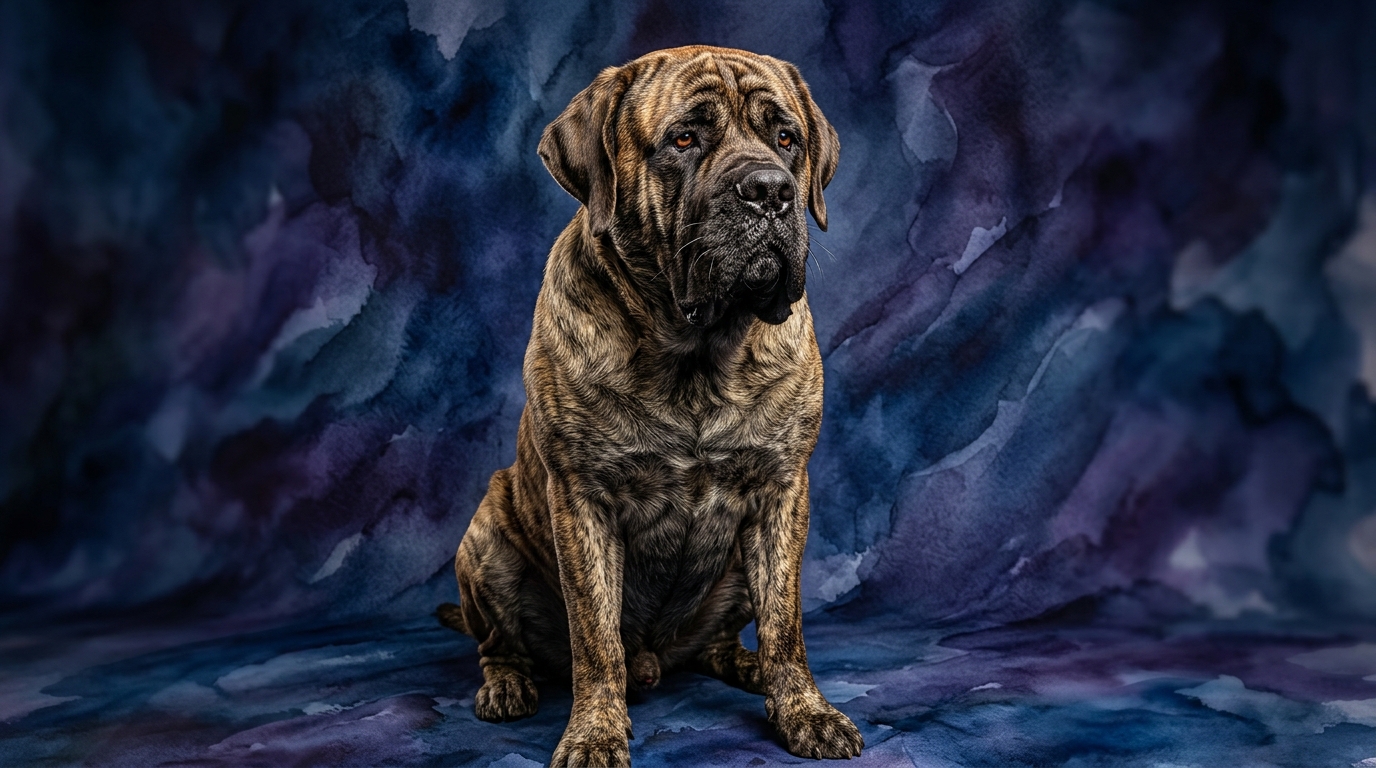
The Mastiff, a venerable Working breed with a Coren rank of #72, presents a cognitive profile characterized by thoughtful deliberation and a strong sense of duty. Their Problem Solving (3/5) is marked by a methodical, often unhurried approach. They aren't prone to frantic experimentation but will methodically assess a situation, often relying on learned patterns or the application of their physical presence if subtler methods fail. For instance, if a gate is latched, they might first try pushing it, then observe how it opens, and with a few repetitions, remember the sequence. Their solutions are generally practical and effective, though not always the most innovative or swift.
In terms of Training Speed (3/5), Mastiffs learn new commands at a steady, moderate pace. Their sheer physical presence means they need clear, consistent direction and patient repetition. They process information thoroughly, and once a command is understood and deemed worthwhile, they will comply. However, their independent streak means they might require more motivation to perform complex or repetitive tasks, often needing to understand the benefit or purpose behind the action. This thoughtful approach means they absorb lessons deeply, even if not with immediate flash.
Possessing a robust Social Intelligence (3/5), Mastiffs are highly attuned to the emotional states of their human family. They readily discern moods and intentions, often offering comfort or a watchful presence. Within a family unit, they understand social hierarchies and generally interact respectfully. Their interactions with unfamiliar people or dogs are typically reserved but polite, backed by a clear understanding of social boundaries, preferring to observe before engaging.
Their historical lineage as guardians imbues Mastiffs with a pronounced, yet controlled, Instinctive Drive (3/5) for protection. This isn't a high-prey drive but a strong, innate sense of duty to their home and family. They possess an instinct to observe and evaluate potential threats, often expressing this through a deep, resonant warning bark rather than immediate physical engagement, demonstrating a cognitive assessment before action. This drive is rooted in a desire to keep their loved ones safe.
Mastiffs exhibit a reliable Memory (3/5) for routines, learned commands, and significant past experiences. They recall familiar people and places with ease and can retain complex behavioral sequences for extended periods. This contributes to their dependability once trained, as they don't easily forget what they've mastered, making consistent practice yield lasting results and building a strong foundation of trust and understanding.
Side-by-Side IQ Profile: Chinook
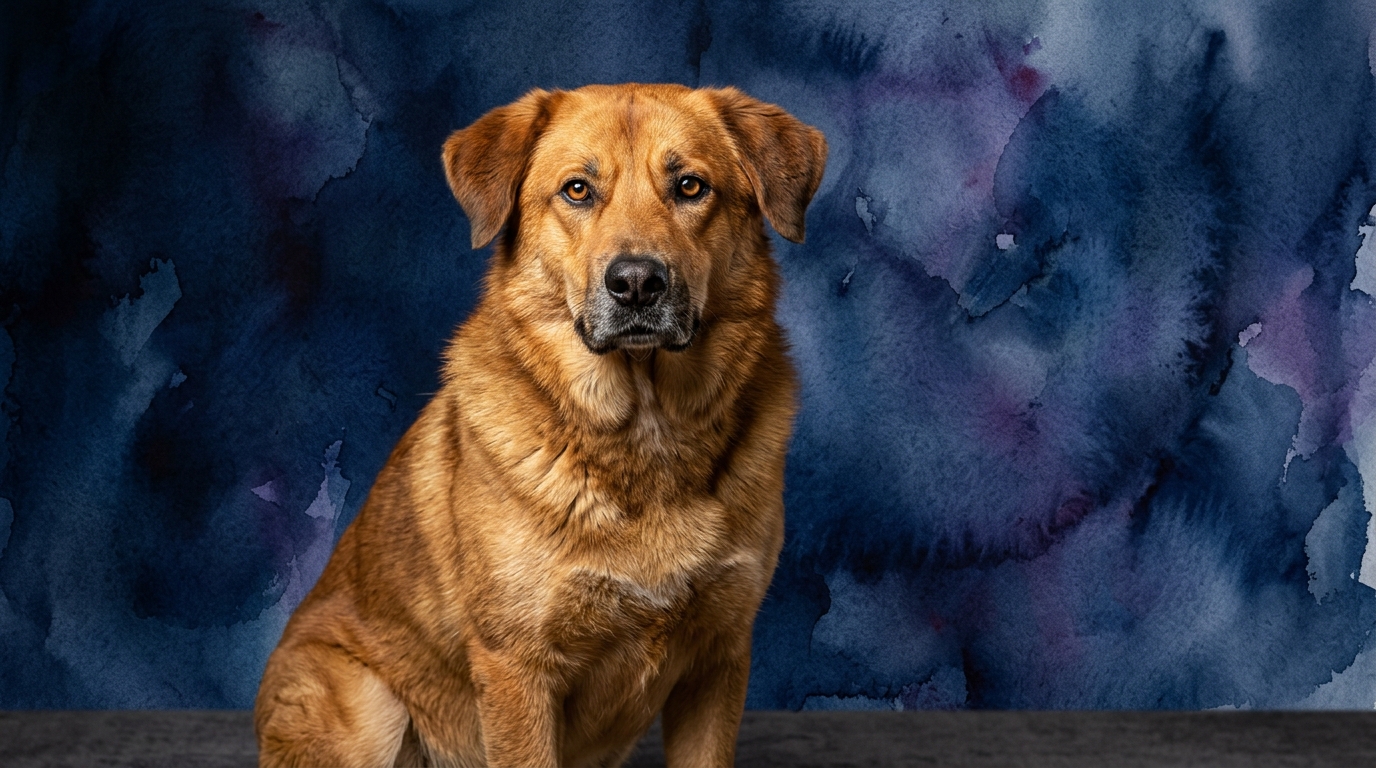
The Chinook, a distinguished Working breed not yet ranked by Coren, demonstrates a cognitive profile geared towards practical application and cooperative engagement. Their Problem Solving (3/5) is characterized by a direct and often physically-oriented approach. Their background as sled dogs means they are adept at navigating environmental challenges, such as finding the most efficient route through a wooded area or figuring out how to maneuver an object. They tend to employ direct, effective solutions, often involving their strength and endurance rather than intricate manipulation, making them excellent companions for outdoor activities.
In terms of Training Speed (3/5), Chinooks learn new tasks with a consistent, moderate speed, often driven by their desire to collaborate and please their human partners. They respond well to positive reinforcement and engaging training methods, quickly grasping concepts. While not always the fastest to pick up entirely novel behaviors, their eagerness to participate and their focus on teamwork make them receptive to consistent instruction and practice, thriving in environments where they feel like a valued contributor.
Chinooks possess strong Social Intelligence (3/5), particularly within their immediate family group. They are highly responsive to human emotions and often seek close interaction and companionship. Their cooperative nature extends to other dogs and people, generally exhibiting amicable behavior, though early and varied socialization helps them refine their understanding of social cues and boundaries, fostering well-adjusted and friendly interactions.
Bred specifically for hauling and companionship in challenging conditions, Chinooks exhibit a moderate Instinctive Drive (3/5) for purposeful activity and partnership. This manifests as a strong desire to be engaged in tasks alongside humans, be it hiking, pulling, or exploring. Their drive is less about guarding and more about active participation and contributing to a team effort, making them enthusiastic partners in various endeavors and sports.
Chinooks have a robust and dependable Memory (3/5) for learned behaviors, intricate routes, and positive associations. Their ability to recall complex sequences of tasks, such as specific commands during a sledding run or the location of hidden toys, is notable. This strong recall contributes to their reliability and consistency once a skill or routine has been established, allowing them to build a broad repertoire of learned behaviors and experiences.
Where the Mastiff Wins Cognitively
The Mastiff, with its imposing physical presence, often demonstrates a subtle cognitive edge in situations demanding calm, deliberate assessment and a strong sense of territorial awareness. Their problem-solving, while rated 3/5, often involves a methodical, patient approach to obstacles, rather than impulsive action. This manifests as a superior ability to 'hold the line' – assessing a situation from a distance and making a measured decision about response, rather than reacting instantly. Their protective instinct (3/5) is less about raw aggression and more about an intelligent, watchful discernment of threats, making them particularly adept at perceiving subtle shifts in their environment that might indicate an intruder or unusual activity. This cognitive strength allows them to act as a formidable, yet often silent, sentinel, relying on their memory (3/5) to recall past safe and unsafe scenarios with remarkable accuracy, contributing to their reputation as vigilant guardians.
Where the Chinook Wins Cognitively
The Chinook shines brightest in cognitive domains requiring sustained engagement, adaptability, and a strong partnership with humans. Their problem-solving (3/5) is often geared towards practical, physical challenges, such as navigating complex terrain or figuring out how to best utilize their strength in a task. This breed’s instinctive drive (3/5) is oriented towards cooperative ventures, making them particularly adept at understanding and executing multi-step commands in a team setting. They excel at tasks requiring endurance and consistent focus, demonstrating a cognitive tenacity that allows them to push through and complete objectives, even when fatigued. Their training speed (3/5), while numerically identical, is often bolstered by an inherent desire to work alongside their human, making them highly responsive to cues in dynamic, task-oriented environments and eager to participate in joint activities.
Which is Easier to Train and Why
When assessing ease of training, despite both breeds scoring 3/5 for training speed, their underlying temperaments create distinct experiences. The Mastiff, while capable, often approaches training with a thoughtful, sometimes independent, mindset. Their immense size means that early, consistent training is not just beneficial but imperative to manage their physical power; a poorly trained Mastiff can be an accidental bulldozer. They require patience and positive reinforcement, responding best when they understand the 'why' behind a command rather than mere rote repetition. Their deliberation means they might not always offer a swift, enthusiastic response, but once a command is ingrained in their memory (3/5), it tends to stick. The Chinook, in contrast, often presents as more eager to please and cooperative. Their background as a working sled dog means they are predisposed to partnership and purpose. They tend to find satisfaction in performing tasks alongside their human, making them generally more responsive and quicker to engage in training sessions. While they also need consistency, their inherent drive for activity and teamwork often translates into a more enthusiastic and less 'negotiating' training dynamic, making the process feel smoother and more rewarding for many owners.
Which Suits Active Owners vs. Relaxed Owners
Considering their cognitive and physical characteristics, the Mastiff is generally better suited for more relaxed owners who appreciate a calm, watchful companion. While they require regular, moderate exercise to maintain health, their daily needs are not as demanding as many working breeds. Their social intelligence (3/5) allows them to be content observing family life and offering quiet companionship, thriving in a home where they can be a gentle, protective presence without constant stimulation. Owners who value a deliberate pace and a strong, loyal bond will find the Mastiff a rewarding fit, appreciating their serene yet vigilant nature. The Chinook, conversely, is an ideal match for active owners who relish outdoor adventures and engaging their dog in purposeful activities. Their instinctive drive (3/5) for cooperation and activity means they flourish when given jobs to do, whether it's hiking, pulling a cart, or participating in dog sports. They thrive on mental and physical challenges, and an owner who can consistently provide an outlet for their energy and cooperative spirit will find the Chinook to be an incredibly devoted and engaged partner. Their practical problem-solving (3/5) and eagerness to learn make them excellent companions for those seeking a canine partner in exploration and endeavor, always ready for the next adventure.
The Verdict
Choose the Mastiff if you seek a calm, steadfast companion who offers quiet protection and thrives on a deliberate pace of life, appreciating their gentle, watchful presence in a more relaxed home environment.
Opt for the Chinook if you're an active individual or family looking for an eager, cooperative, and robust partner for adventures, outdoor activities, and engaging challenges, thriving on joint participation and purpose.
🧠 Find Your Pet's IQ Score
Our Pet IQ Lab assessment covers 25+ tests across 5 cognitive dimensions — personalized to your breed.
Take the Full IQ Test →Frequently Asked Questions
Do Mastiffs drool a lot?
Yes, Mastiffs are known for their significant jowls, which often lead to drooling, especially after eating, drinking, or during excitement. Owners should be prepared for this characteristic trait and keep towels handy around the house.
Are Chinooks good with children?
Chinooks generally possess a gentle and patient temperament, making them good family companions, particularly with children they are raised alongside. Early socialization and proper training are essential to ensure they interact appropriately and safely with all family members.
What kind of climate do Chinooks prefer?
Bred for cold New England winters, Chinooks are well-adapted to cooler climates thanks to their dense double coat. They can tolerate warmer weather, but require shade, ample water, and reduced activity during hot periods to prevent overheating.