
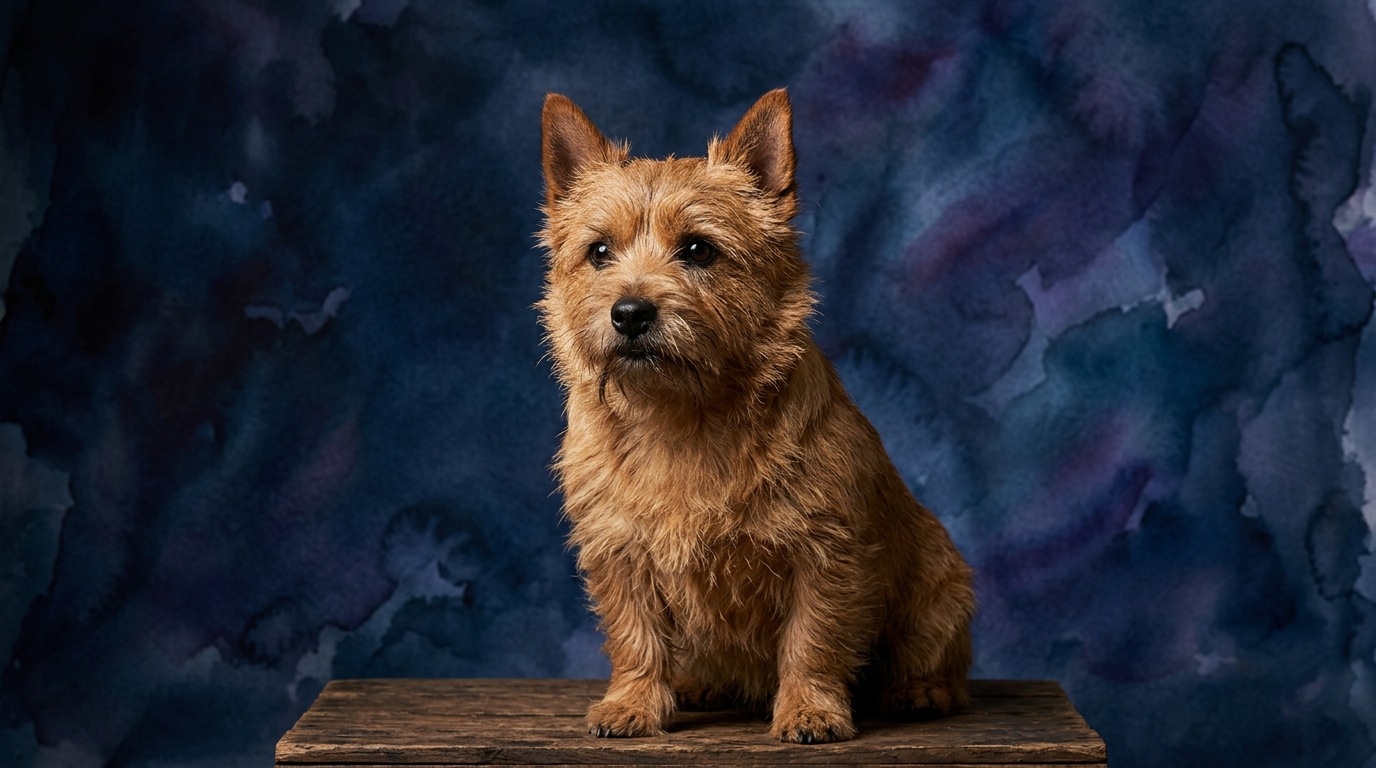
Side-by-Side Cognitive Profiles: Mastiff vs. Norwich Terrier
The Cosmic Pet Pet IQ Lab assesses canine intelligence across five key dimensions: Problem Solving, Training Speed, Social Intelligence, Instinctive Drive, and Memory. Intriguingly, both the Mastiff and the Norwich Terrier share identical scores of 3/5 across all these categories. However, these identical numerical ratings manifest in unique behavioral and cognitive styles, deeply influenced by their breed heritage and physical characteristics.
For the Mastiff, a breed from the Working group, their substantial size and historical role as guardians influence how their 3/5 scores play out. Their approach to Problem Solving (3/5) is often characterized by deliberation; they are not typically quick to innovate novel solutions but excel at following established routines and processing information methodically. This isn't a lack of capacity, but a preference for considered action over impulsive experimentation. Their Training Speed (3/5) reflects a steady learning curve, requiring consistent, patient instruction, where repetition solidifies new commands into reliable behaviors. Once learned, these behaviors are retained with a robust Memory (3/5), proving them to be dependable companions. Their Social Intelligence (3/5) manifests as a deep, often quiet, understanding of their family's emotional states, coupled with a reserved, watchful demeanor towards strangers. The Mastiff’s Instinctive Drive (3/5) is predominantly focused on guardianship, expressed as a calm, imposing vigilance rather than a high-energy chase instinct.
The Norwich Terrier, a spirited member of the Terrier group, interprets its 3/5 scores through a lens of tenacity and independence. Their Problem Solving (3/5) is marked by persistence; while they may not always find the quickest solution, their unwavering determination means they will try various approaches until they succeed, often employing trial-and-error with spirited resolve. Regarding Training Speed (3/5), Norwich Terriers are quick to grasp concepts, but their independent streak means compliance can sometimes be selective. Engaging, varied training methods are crucial to hold their attention and channel their bright minds. Their Memory (3/5) is strong, allowing them to recall complex sequences, favorite hiding spots, and past interactions with clarity. Social Intelligence (3/5) in a Norwich Terrier typically means they are affable and adaptable, interacting well with a variety of individuals, though their independent spirit ensures they balance social engagement with their own curious explorations. Their Instinctive Drive (3/5) is a classic terrier trait: a strong prey drive, leading to an active interest in chasing, digging, and exploring scents with unwavering focus.
Where the Mastiff Cognitively Excels
Despite sharing identical IQ scores, the Mastiff demonstrates distinct cognitive strengths rooted in their calm demeanor and protective instincts. Their 3/5 in Problem Solving, while not signifying rapid innovation, translates into a deliberate, measured approach to new situations. This cognitive style means they are less prone to impulsive actions, often observing and processing their environment with a quiet gravitas before reacting. This thoughtfulness can be a significant advantage in complex household dynamics, where a calm, steady presence is more beneficial than a quick, potentially chaotic response.
Furthermore, the Mastiff's Social Intelligence (3/5) shines through their profound, if understated, emotional attunement to their human family. This isn't about boisterous displays but a deep, intuitive understanding of moods and dynamics, allowing them to offer quiet comfort or watchful vigilance precisely when needed. Their Instinctive Drive (3/5) for guardianship is a cognitive specialization, requiring them to discern between routine occurrences and genuine threats, which involves nuanced environmental assessment and a controlled, protective response rather than a generalized high-energy reaction.
Where the Norwich Terrier Cognitively Excels
The Norwich Terrier, with its identical 3/5 scores, showcases its cognitive prowess through a tenacious spirit and an insatiable curiosity. Their Problem Solving (3/5), while not necessarily faster, is characterized by an unwavering persistence. This means they are less likely to give up on a challenge, be it a puzzle toy or an enticing scent, utilizing every ounce of their mental energy to find a solution. This relentless drive makes them exceptional at overcoming obstacles through sheer will and repeated effort, a distinct cognitive advantage in exploratory tasks.
The Norwich Terrier's 3/5 Instinctive Drive, particularly their strong prey drive, also highlights a different kind of cognitive strength. This involves highly focused sensory processing and rapid decision-making in pursuit of a target, demanding acute awareness of their surroundings. Their Social Intelligence (3/5) often manifests as a lively engagement with the world; they are quick to adapt to new people and situations, demonstrating an eager curiosity that fuels their learning and exploration, making them highly adaptable in varied social settings and novel environments.
Trainability: Patience vs. Persistence
When considering ease of training, the identical 3/5 Training Speed scores for both breeds play out very differently due to their inherent temperaments. The Mastiff, despite its slower processing, can be considered easier to train for owners who value consistency and a calm approach. Their desire to please their family, combined with a lower inherent drive to challenge authority, means that once they understand an expectation, they are generally cooperative. However, their slower speed means more repetition is required for new commands to become ingrained, and early training is crucial given their eventual size.
The Norwich Terrier, while equally capable of learning, can present a different training challenge. Their independent and spirited nature means they often need engaging and varied training to maintain focus. They might understand a command quickly but choose not to comply if bored or if a more interesting distraction (like a squirrel) presents itself. An owner needs to be creative, consistent, and patient, channeling the terrier's natural persistence into desired behaviors. Their strong instinctive drives require a handler adept at managing distractions and making training a rewarding game rather than a chore.
Lifestyle Match: Active Engagement vs. Relaxed Companionship
Matching a dog's cognitive and physical needs to an owner's lifestyle is paramount for a harmonious relationship. The Mastiff, despite its impressive size, is inherently suited for more relaxed owners. Their moderate exercise requirements mean they are content with daily walks and appreciate a significant amount of lounging and quiet companionship. Their cognitive needs are met through consistent routines, gentle mental puzzles, and the comforting presence of their family, making them an excellent choice for individuals or families who prefer a calm, predictable home environment and a loyal, watchful companion.
Conversely, the Norwich Terrier thrives with active owners who can provide consistent engagement and varied mental stimulation. Their considerable energy and spirited cognitive approach demand more than just physical exercise; they need activities that challenge their problem-solving and instinctive drives, such as agility, earthdog trials, or scent work. An owner who enjoys regular outdoor adventures, interactive play, and can dedicate time to enriching their terrier's curious mind will find the Norwich Terrier to be an enthusiastic and rewarding partner, preventing boredom-induced behaviors and fostering their lively spirit.
The Verdict
When seeking a calm, watchful companion who processes the world with quiet deliberation and offers profound, if reserved, emotional connection, the Mastiff is an ideal choice, fitting a more relaxed home environment.
Opt for the Norwich Terrier if you desire a tenacious, curious, and spirited partner who thrives on engagement and varied mental challenges, perfectly suiting an owner with an active lifestyle and a sense of humor for their charming independence.
🧠 Find Your Pet's IQ Score
Our Pet IQ Lab assessment covers 25+ tests across 5 cognitive dimensions — personalized to your breed.
Take the Full IQ Test →Frequently Asked Questions
Do Mastiffs struggle with learning new commands?
While their Training Speed is rated 3/5, Mastiffs are perfectly capable of learning new commands. They benefit from consistent, patient instruction and positive reinforcement, often taking a bit more repetition to solidify new behaviors compared to faster-learning breeds, but they retain information well due to their reliable memory.
Is the Norwich Terrier's 3/5 problem-solving score influenced by its small size?
The Norwich Terrier's problem-solving ability, rated 3/5, is more a reflection of their terrier persistence and independent thinking than their physical stature. They approach challenges with tenacity, often trying various methods until they succeed, which can sometimes appear as stubbornness rather than a lack of understanding.
How do their social intelligence scores (3/5 for both) differ in practice?
For the Mastiff, 3/5 social intelligence often manifests as deep loyalty to family and reserved caution with strangers, indicating discerning judgment and a protective nature. The Norwich Terrier's 3/5 typically means they are generally affable and adaptable, but their independent streak might mean they prioritize their own interests even while understanding social cues, balancing connection with their own curious exploration.