Side-by-Side Cognitive Profiles: Decoding the 3/5 Score
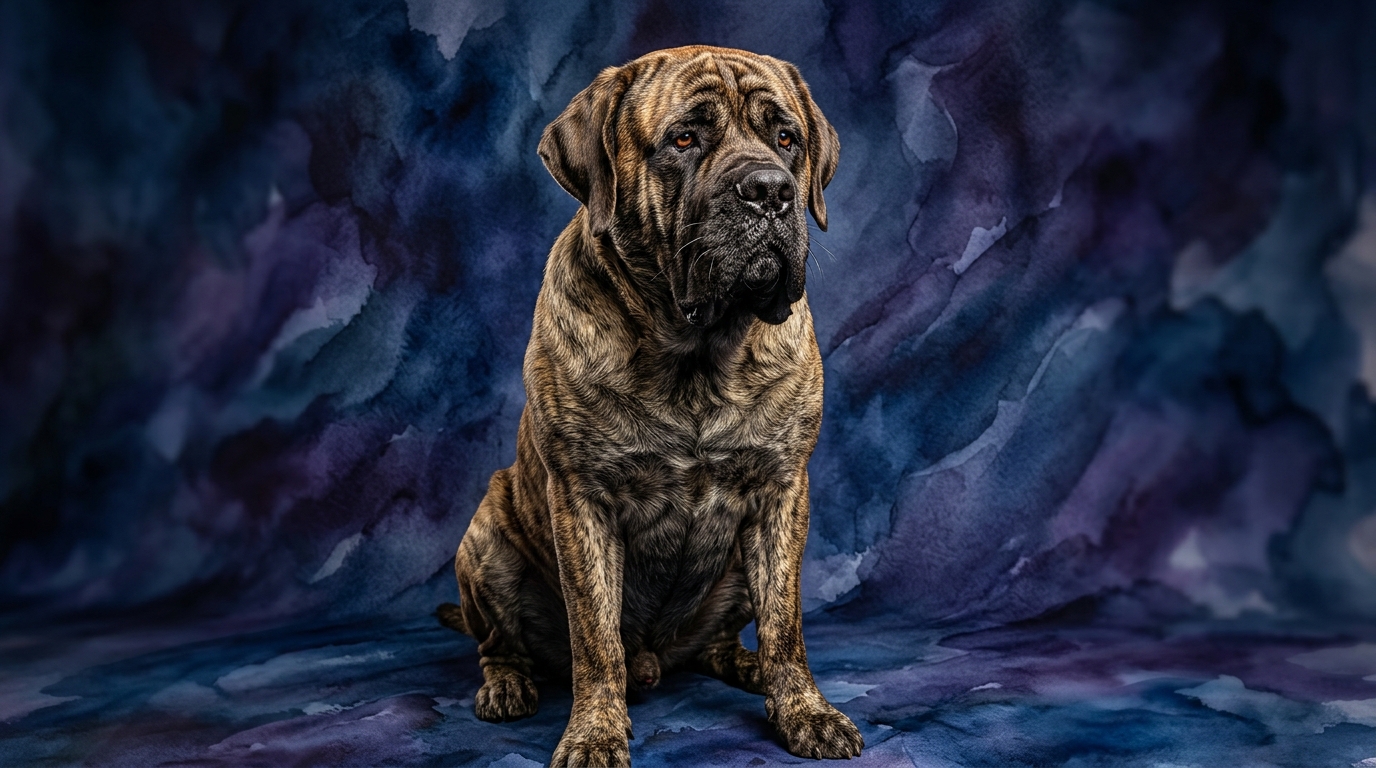
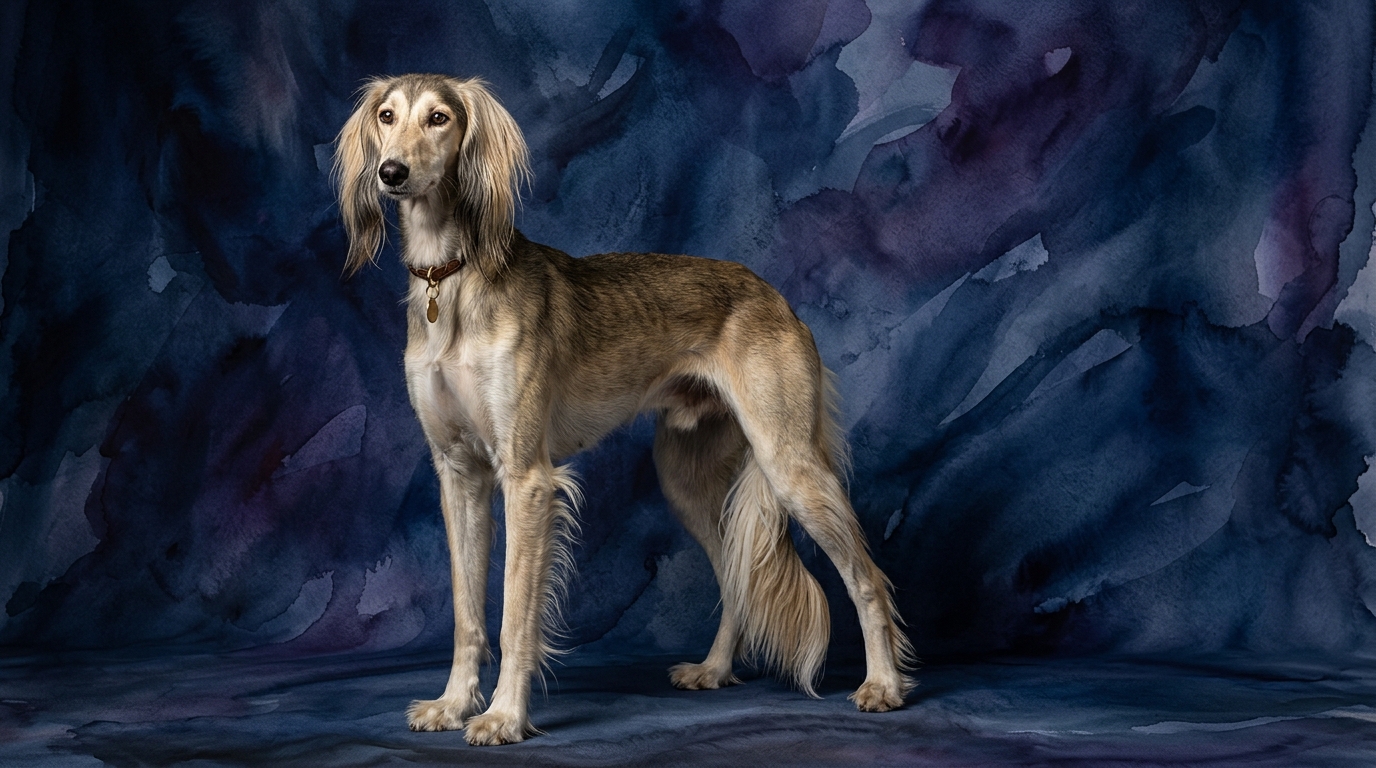
In our Cosmic Pet Pet IQ Lab, both the Mastiff and the Saluki score a consistent 3/5 across all five measured dimensions: Problem Solving, Training Speed, Social Intelligence, Instinctive Drive, and Memory. While these identical scores might suggest a cognitive parity, understanding their breed-specific manifestations is key. The Mastiff, a member of the Working Group, carries a Coren rank of #72, placing it in the middle tier for obedience and working intelligence. The Saluki, a Hound, is not Coren-ranked, reflecting its independent nature and historical role.
A 3/5 in Problem Solving indicates a moderate capacity for navigating novel situations. For a Mastiff, this often translates to a deliberate, observational approach to household challenges or assessing potential threats, rather than quick, agile experimentation. The Saluki's problem-solving at 3/5 might manifest in strategizing during a chase, calculating the best path to intercept prey, or figuring out how to outmaneuver a fence to pursue a perceived target. Their methods, while both moderate, are distinctly tied to their primary functions.
Regarding Training Speed, a 3/5 signifies a moderate pace of learning new commands. Mastiffs typically respond well to calm, consistent training, but their sheer mass and occasional stubbornness mean they won't pick up new cues instantaneously. Salukis, with their strong independent streak and focus on their environment, also learn at a moderate rate, but their motivation often depends on the perceived value or relevance of the task to their natural instincts. Their Social Intelligence at 3/5 means both breeds can interpret human cues, but a Mastiff's interpretation might center on family protection and emotional connection, while a Saluki's might lean towards understanding cooperative hunting signals or subtle requests for space.
Instinctive Drive at 3/5 is where their primary differences become most apparent despite the shared score. For the Mastiff, this score reflects a moderate, yet potent, guarding instinct, a deep-seated desire to protect its territory and people. For the Saluki, it's a powerful, inherent prey drive, an urge to spot, chase, and retrieve, refined over millennia for desert hunting. Finally, Memory at 3/5 suggests a moderate retention of learned information and experiences for both. A Mastiff will remember routines and family members with steadfast loyalty, while a Saluki will recall the best hunting grounds or the location of a favored sunbeam with precision.
Where the Mastiff's Cognition Shines
Despite identical numerical scores, the Mastiff's cognitive strengths often manifest in areas directly tied to its historical role as a guardian and companion. Its 3/5 in Social Intelligence, when combined with its physical presence, allows for a profound, albeit subtle, understanding of family dynamics. A Mastiff excels at discerning emotional states within its human family, offering comfort or vigilance as needed. This isn't about complex verbal understanding, but a deep, intuitive grasp of the social fabric it protects.
The Mastiff's 3/5 Problem Solving often translates into a deliberate, methodical assessment of its environment. For instance, if a new gate is installed, a Mastiff won't typically try to leap it; instead, it might methodically test its stability, look for weak points, or simply wait for a human to demonstrate the correct entry. This practical, grounded approach to problem-solving, focused on security and stability, is a hallmark of its cognitive application. Its 3/5 Instinctive Drive for guardianship, while not overwhelming, means it possesses a consistent, watchful awareness, making it a reliable, calm sentinel rather than an overly reactive one.
Where the Saluki's Cognition Takes the Lead
The Saluki's cognitive profile, while numerically identical, is uniquely tailored to its heritage as a sight hound. Its 3/5 in Problem Solving is often showcased in its pursuit strategies. When chasing a lure or perceived prey, a Saluki can quickly calculate trajectories, anticipate movements, and adapt its speed and direction with remarkable precision. This isn't about figuring out a puzzle box, but an intuitive, dynamic problem-solving that unfolds at high speed over open terrain.
The Saluki's 3/5 Instinctive Drive, specifically its powerful prey drive, is a defining cognitive attribute. This drive fuels its focus, its keen visual acuity, and its explosive athleticism. Its Memory at 3/5 is particularly effective for recalling hunting routes, the location of specific scents, or the layout of large outdoor spaces. While not necessarily remembering every command, a Saluki will vividly recall the thrill of a chase and where it occurred, demonstrating a memory wired for practical application in its environment. Its Social Intelligence at 3/5 allows it to form strong, affectionate bonds, often expressed in a more reserved, independent manner, valuing quiet companionship over constant interaction.
Training Dynamics: Mastiff vs. Saluki
Given their identical 3/5 Training Speed scores, neither the Mastiff nor the Saluki are considered quick learners in the traditional sense of rapid obedience. However, the 'why' behind their pace differs significantly, impacting the training experience. The Mastiff, a Working breed, generally aims to please its family. Its challenge often stems from its sheer size, which can make physical manipulation difficult during early training, and a deliberate, sometimes stubborn, nature. They respond best to positive reinforcement, patience, and consistency, with owners needing to understand that while they will learn, it will be at their own thoughtful pace. Their memory at 3/5 means once a behavior is learned, it tends to stick, provided the training is clear and consistent.
The Saluki, conversely, presents a different training landscape. Its 3/5 Training Speed is heavily influenced by its 3/5 Instinctive Drive for chasing. While they are capable of learning, their independence and powerful prey drive mean they can be easily distracted by environmental stimuli. Training a Saluki often feels like a negotiation; they need to be convinced that complying with a command is more rewarding or interesting than pursuing a distant squirrel. Recall, in particular, can be a significant challenge if not rigorously trained from a young age in secure environments. Owners must harness their moderate memory for patterns and routines, making training a consistent, engaging, and highly rewarding experience to compete with their natural urges. Real behavioral differences include the Mastiff's propensity for calm, slow responses versus the Saluki's explosive, often single-minded focus when its instincts are triggered.
Matching Breeds to Lifestyles: Active vs. Relaxed Owners
When considering the Mastiff or Saluki, an owner's lifestyle is a primary determinant of a successful match, largely due to how their cognitive profiles influence their daily needs. The Mastiff, with its deliberate problem-solving and moderate instinctive drive for guarding, generally suits more relaxed owners. While they require consistent, calm training and early socialization to manage their size and protective instincts, their physical exercise needs are moderate. They thrive in a home environment where they can be a steadfast, watchful presence, appreciating a quiet routine and ample opportunity to supervise their family from a comfortable spot. Their cognitive engagement often comes from observing, assessing, and being an integral, stable part of the household.
The Saluki, on the other hand, is a much better fit for active owners. Despite their reputation for being calm indoors, their 3/5 Instinctive Drive is a powerful engine for chasing, requiring significant outlets. They need regular, vigorous exercise in securely fenced areas where they can run at full speed, allowing them to engage their keen problem-solving in pursuit and satisfy their memory for open spaces. Owners must understand that a Saluki's mental stimulation is intrinsically linked to physical activity that channels its natural hunting behaviors. A relaxed owner who cannot provide these outlets will find a Saluki prone to boredom and potentially destructive behaviors, as their cognitive energies are not being adequately directed.
The Verdict: When to Choose Each Companion
The Verdict
Choose a Mastiff if you seek a calm, steadfast companion who values a protective presence and a strong bond over lightning-fast obedience, appreciating their deliberate problem-solving in domestic settings. They thrive with owners who provide consistent, gentle guidance and a stable, quiet home environment.
Opt for a Saluki if you are an active individual or family prepared to channel a powerful prey drive and independent spirit into structured activities, who admire a dog whose keen senses and quick bursts of energy are a natural expression of its historical purpose. They need owners who can provide ample, secure space for running and consistent, engaging training.
🧠 Find Your Pet's IQ Score
Our Pet IQ Lab assessment covers 25+ tests across 5 cognitive dimensions — personalized to your breed.
Take the Full IQ Test →Frequently Asked Questions
How do their similar IQ scores manifest differently in daily life?
While both score 3/5 across dimensions, the Mastiff's intelligence often appears as deliberate observation and protective vigilance within a domestic setting. The Saluki's intellect, conversely, shines in dynamic, high-speed problem-solving during pursuit and independent decision-making in open spaces, reflecting their distinct historical roles.
What are the key training challenges for each breed given their identical training speed?
For Mastiffs, the challenge lies in their sheer size and occasional stubbornness, requiring consistent, patient, and positive reinforcement to guide their deliberate learning pace. Salukis, despite similar training speed, are often challenged by their powerful prey drive and independent nature, which can make them easily distracted and less inclined to obey if a more interesting stimulus arises.
Are Mastiffs or Salukis more suitable for first-time dog owners?
Neither breed is typically recommended for first-time dog owners due to their unique needs and strong personalities. Mastiffs require owners comfortable managing a very large dog with protective instincts, while Salukis demand experienced owners adept at managing a powerful prey drive and independent hound mentality, including providing significant exercise in secure environments.