Side-by-Side IQ Profile: Delving into Dimensions
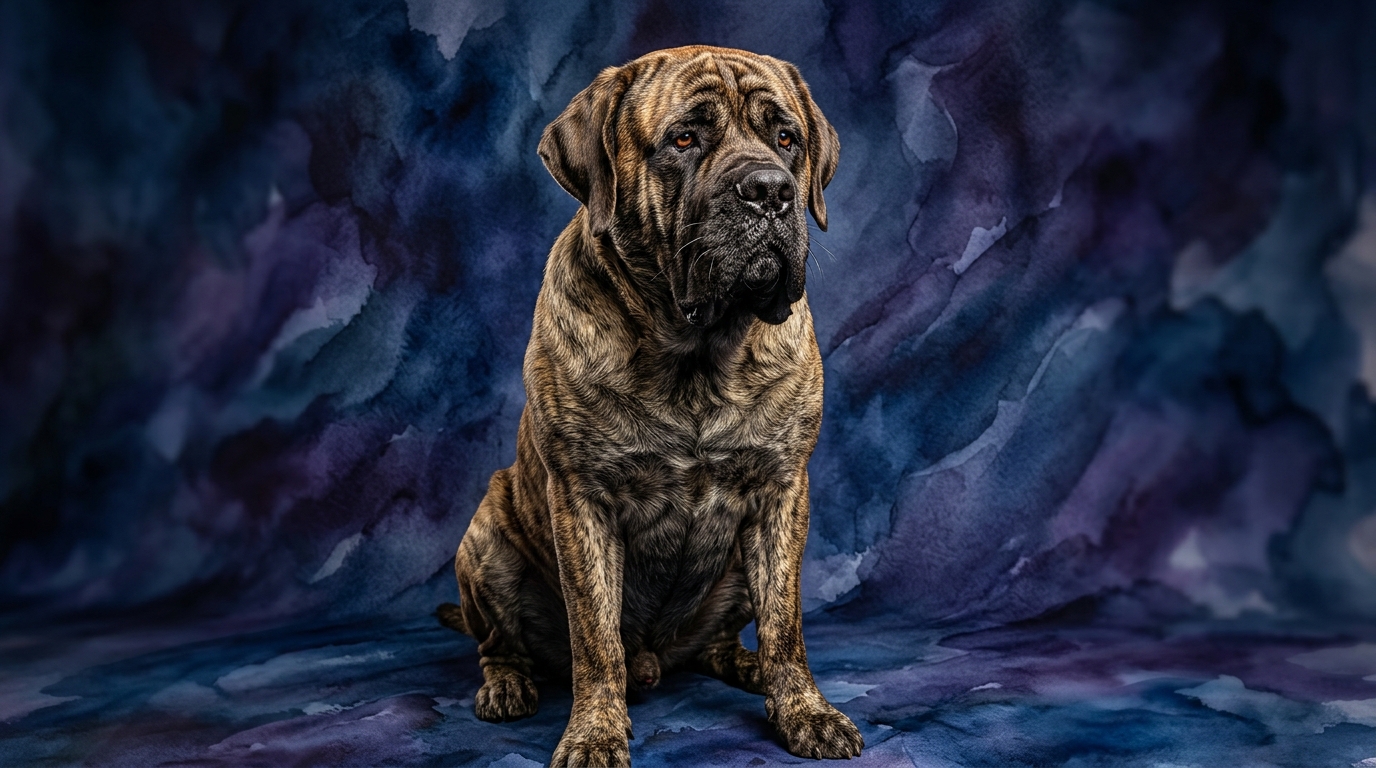
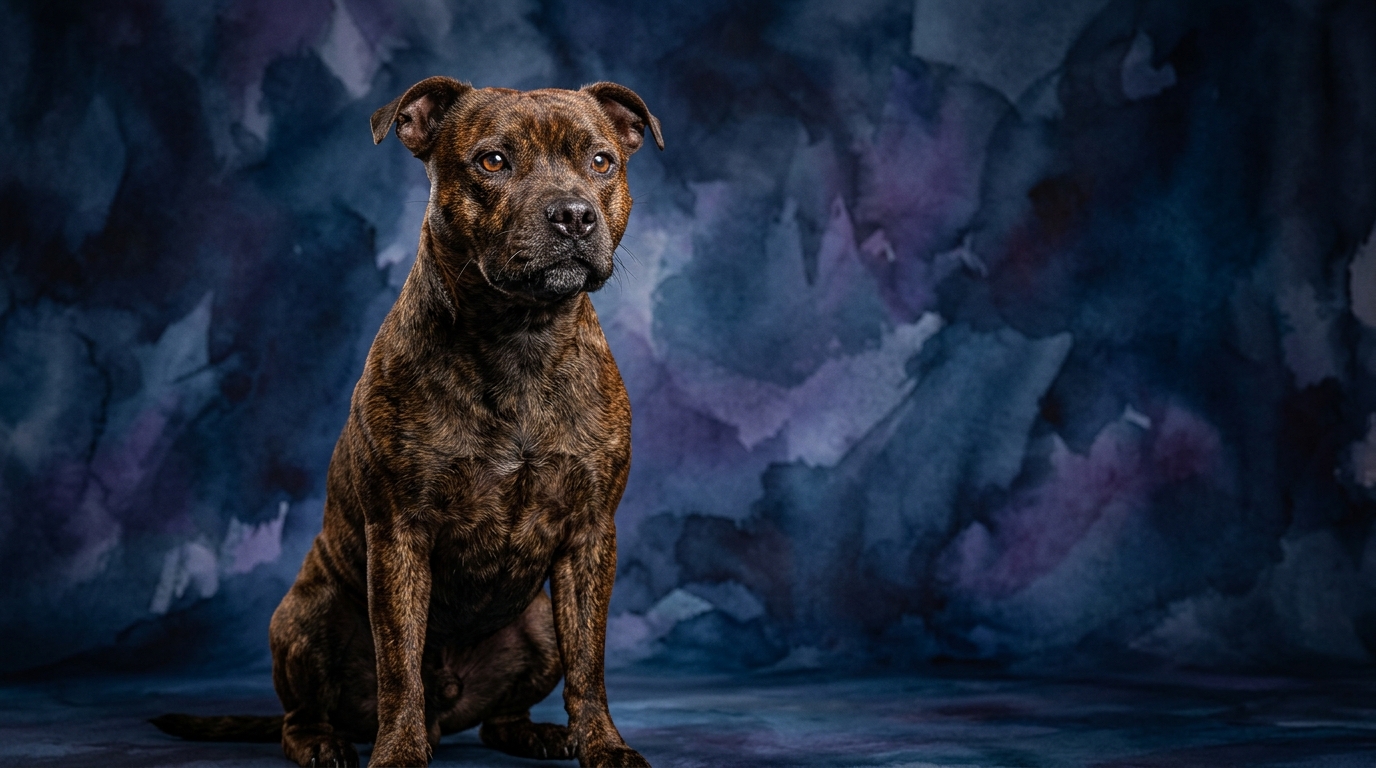
At first glance, both the Mastiff and the Staffordshire Bull Terrier share an identical 3/5 rating across all five cognitive dimensions in The Cosmic Pet Pet IQ Lab, suggesting a competent, average canine intelligence. However, the manifestation of these scores differs profoundly due to their breed-specific traits and historical roles, offering a rich tapestry for comparison. The Mastiff, a member of the Working Group and ranked #72 by Coren, embodies a deliberate, watchful intelligence, while the unranked Staffordshire Bull Terrier, a Terrier Group member, showcases a tenacious, adaptable mental agility.
For Problem Solving (3/5), the Mastiff typically approaches challenges with a calm, observational demeanor. Their solutions might be slower to emerge, relying on a thorough assessment of their environment, perhaps figuring out how to navigate a complex space or subtly deter an unfamiliar presence. A Staffy, conversely, might tackle problems with more physical engagement and trial-and-error, driven by a quick impulse and a desire to interact with their environment, such as retrieving a toy from a tight spot or finding a way to initiate play.
In Training Speed (3/5), the Mastiff often requires patience and consistent, positive reinforcement. While they may not pick up new commands with lightning speed due to their deliberate nature and sheer size, once a behavior is learned and understood, it tends to be deeply ingrained and reliable. The Staffordshire Bull Terrier, eager to please and highly motivated by interaction, can often learn new cues quickly, especially in engaging, reward-based sessions; however, their terrier tenacity or environmental distractions might require more repetitions to achieve consistent, unflappable responses.
Social Intelligence (3/5) in a Mastiff often translates to a deep, quiet understanding of their immediate family's moods and routines, displaying an empathetic presence without overt displays. They are discerning with strangers, taking time to assess new individuals before offering their trust. A Staffy's social intelligence, however, is often more outwardly expressed, characterized by their quick ability to read human social cues for play, affection, and interaction, making them highly adaptable in varied social settings and often eager to engage with friendly faces.
Instinctive Drive (3/5) for the Mastiff is rooted in their heritage as guardians and companions. This manifests as a strong protective instinct for their home and family, a keen awareness of their surroundings, and a deep-seated desire for close companionship. For the Staffordshire Bull Terrier, the 3/5 instinctive drive is distinctly terrier-centric, encompassing a powerful drive to chase, engage in vigorous play like tug, and a natural inclination towards digging or exploring with their nose, reflecting their historical role in vermin control and dog sports.
Finally, Memory (3/5) serves both breeds effectively, albeit in different contexts. A Mastiff's memory is crucial for remembering territory boundaries, the routines of their household, and the specific individuals within their trusted circle, contributing to their steady and reliable nature. A Staffy's memory is robust for recalling learned commands, favorite play spots, and people they've encountered, which fuels their enthusiasm for training and their ability to quickly adapt to new experiences when they are positive.
Where the Mastiff Wins Cognitively
The Mastiff's cognitive strengths lie in their capacity for calm, sustained focus and their nuanced understanding of their environment, particularly regarding security and familial bonds. Their problem-solving, though deliberate, often yields robust, well-considered solutions in scenarios requiring observation and strategic positioning rather than speed or agility. For example, a Mastiff might excel at figuring out how to position themselves to block an unwanted presence without direct confrontation, demonstrating a spatial intelligence tied to their guardian role. Their social intelligence, while reserved, allows for an exceptionally deep and stable emotional connection with their family, enabling them to anticipate needs and offer comfort with a quiet, profound understanding of human emotions, which can be invaluable in a companion.
Their memory contributes to a predictable and reliable demeanor, as they retain knowledge of routines and boundaries with impressive consistency. This makes them less prone to impulsive decisions based on fleeting stimuli. The Mastiff's instinctive drive, channeled into watchful guardianship, means they possess an innate ability to discern normal from abnormal within their territory, a cognitive function that requires a steady assessment of sensory input over time.
Where the Staffordshire Bull Terrier Wins Cognitively
The Staffordshire Bull Terrier's cognitive advantages often manifest in their quick adaptability, physical intelligence, and their zest for interactive problem-solving. Their problem-solving skills shine in dynamic situations, where their tenacity and physical prowess allow them to experiment rapidly to achieve a goal, such as maneuvering around obstacles to reach a desired object or person. This agility isn't just physical; it's a mental quickness to adjust strategies.
Their social intelligence is often more outwardly engaging and versatile, allowing them to quickly form bonds and understand play cues across a wide range of individuals, making them excellent at dog sports or activities requiring rapid social assessment. The Staffy's training speed, while rated similarly, often benefits from their eagerness and high motivation, allowing for quick learning in short, engaging sessions, especially when physical activity or interactive rewards are involved. Their strong instinctive drive, when channeled positively through structured play and training, translates into incredible focus and determination to complete tasks they enjoy, such as retrieve games or agility courses.
Which Is Easier to Train and Why
Determining which breed is "easier" to train depends significantly on the trainer's approach and the specific goals, as both breeds possess a 3/5 training speed. The Mastiff, with their calm and deliberate nature, often requires a patient, consistent trainer who understands that while they may take longer to respond initially, their retention once a concept is grasped is excellent. Training a Mastiff effectively means leveraging their desire for companionship and their inherent steadiness; rushing them can be counterproductive, but clear, calm instructions yield a deeply ingrained understanding. Their sheer size necessitates early and consistent obedience training to ensure they are well-mannered and manageable as adults, focusing on leash manners and polite greetings.
The Staffordshire Bull Terrier, conversely, often presents a different training challenge. Their eagerness and high motivation mean they can pick up commands quickly, especially in fun, reward-based sessions. However, their terrier tenacity, high energy, and potential for distraction (especially by prey-like stimuli) can make consistency a hurdle. Training a Staffy requires engaging, varied sessions to maintain their interest, coupled with firm but fair boundaries to manage their spirited nature. Positive reinforcement is paramount, as harsh methods can lead to stubbornness or withdrawal. While a Mastiff might be slower but more consistent, a Staffy might be quicker to learn but require more skill in managing their drive and focus, making 'ease' a subjective measure tied to the owner's experience and training style.
Which Suits Active Owners vs. Relaxed Owners
The distinction between an active and a relaxed owner is quite clear when considering these two breeds. The Mastiff, despite its massive size, is generally suited for a more relaxed owner. While they absolutely require daily walks and mental stimulation to prevent boredom and maintain health, they are not typically high-energy dogs that demand hours of vigorous exercise. Their ideal environment is a home with space where they can lounge comfortably, often preferring to be a calm, watchful presence by their owner's side. They thrive on routine and a peaceful home life, making them a wonderful fit for individuals or families who appreciate a steady, low-key companion after their daily constitutional.
The Staffordshire Bull Terrier, on the other hand, is an ideal match for active owners. This breed is a compact powerhouse of energy, requiring significant daily physical and mental stimulation. They thrive on activities like long walks, runs, hikes, structured play sessions (such as fetch or tug), and dog sports like agility or flyball. Without sufficient outlets for their considerable energy and keen minds, Staffies can become bored, which may lead to destructive behaviors. Owners who enjoy an active lifestyle and are committed to providing consistent engagement and training will find a Staffy to be an enthusiastic and tireless companion, eager to participate in every adventure.
The Verdict
Choose a Mastiff if you seek a calm, steadfast companion who offers a profound, quiet loyalty and thrives in a spacious, predictable home environment with a deliberate pace of life.
Opt for a Staffordshire Bull Terrier if you desire an energetic, tenacious, and highly interactive companion, ready for consistent physical and mental challenges, and you lead an active lifestyle.
🧠 Find Your Pet's IQ Score
Our Pet IQ Lab assessment covers 25+ tests across 5 cognitive dimensions — personalized to your breed.
Take the Full IQ Test →Frequently Asked Questions
Are Mastiffs good family dogs?
Yes, Mastiffs can be excellent family dogs, demonstrating a deep social intelligence and loyalty towards their human family members. Their calm demeanor and patient nature make them generally good with children, though their immense size always necessitates supervision to prevent accidental bumps.
Do Staffordshire Bull Terriers have strong prey drives?
Staffordshire Bull Terriers do possess a notable instinctive drive related to their terrier heritage, which can manifest as a strong prey drive. This means they might be inclined to chase small animals, so secure leashes and yards are essential, and early socialization is key to managing these instincts.
How much exercise do these breeds need?
Mastiffs require moderate daily exercise, typically consisting of a leisurely walk to maintain their physical condition without overexertion. Staffordshire Bull Terriers, however, need significant daily exercise and mental stimulation, including vigorous play and structured activities, to satisfy their high energy levels and prevent boredom.