
Side-by-Side Cognitive Profiles: Decoding Identical Scores
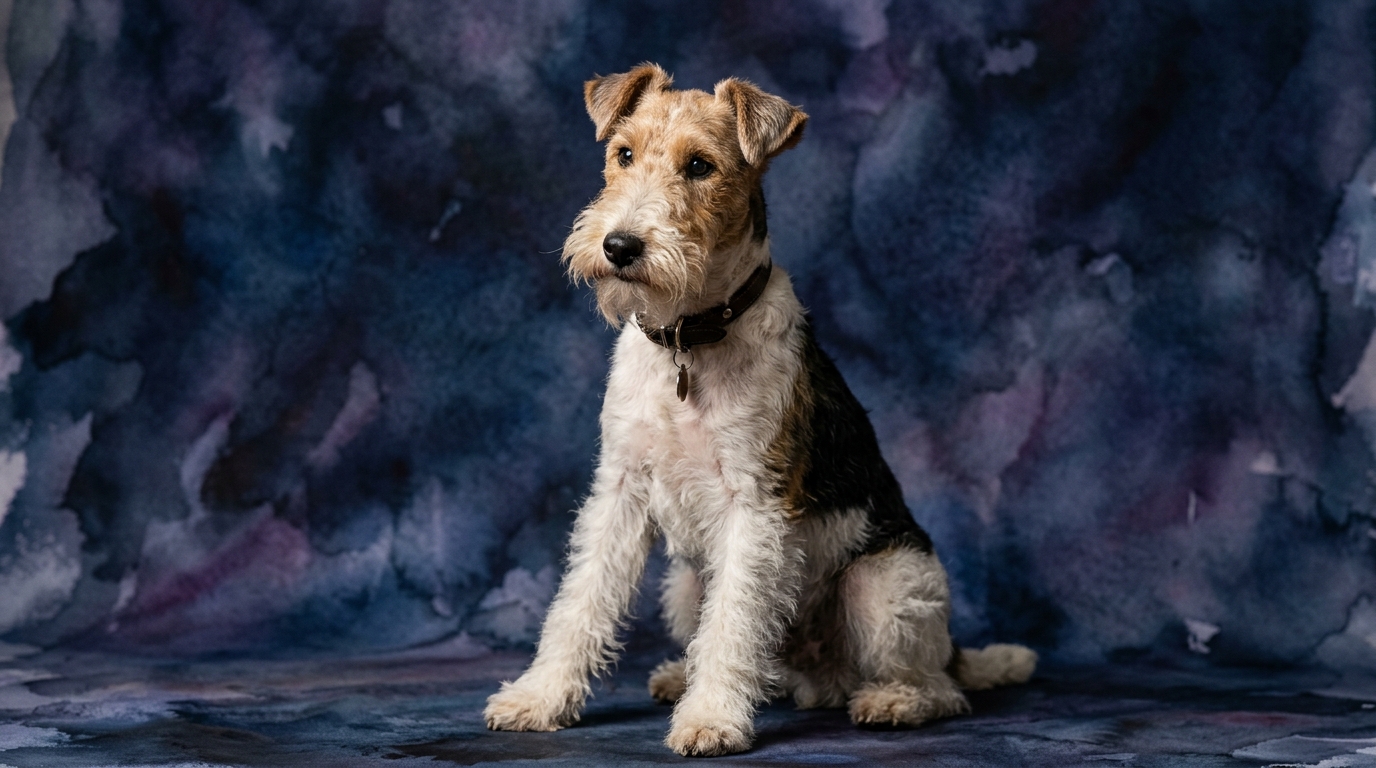
At first glance, the Mastiff (Working group, Coren rank #72) and the Wire Fox Terrier (Terrier group, not Coren-ranked) share identical ratings across our five IQ dimensions: Problem Solving (3/5), Training Speed (3/5), Social Intelligence (3/5), Instinctive Drive (3/5), and Memory (3/5). However, these numerical equivalencies mask profoundly different cognitive styles rooted in their breed histories and physical makeup.
For Problem Solving (3/5), the Mastiff's approach is often deliberate and methodical, preferring practical, energy-efficient solutions using their mass and strength to navigate obstacles. The Wire Fox Terrier, conversely, employs an energetic, trial-and-error strategy, rapidly attempting various solutions driven by their inherent tenacity and curiosity. Their problem-solving is hands-on and persistent.
Regarding Training Speed (3/5), Mastiffs learn at a moderate pace, requiring consistent, patient repetition; once a command is understood, their retention is generally good, though their independent nature means compliance can be deliberate. Wire Fox Terriers also learn at a moderate pace, but their speed is influenced by high energy and potential for distraction, meaning training must be highly engaging to maintain focus.
In Social Intelligence (3/5), the Mastiff's acumen revolves around subtle cues and a deep understanding of their family unit, discerning threats or discomfort with quiet observation and measured responses. Wire Fox Terriers exhibit social intelligence through keen environmental awareness, quickly gauging moods and expressing observations vocally or with alert, demonstrative body language.
Their Instinctive Drive (3/5) also diverges significantly. The Mastiff's drive is primarily rooted in guardianship and companionship, expressing protective instincts as a deterrent and desiring close human connection. Wire Fox Terriers possess a powerful prey drive and an instinct for exploration and digging, pursuing perceived 'game' with unshakeable focus. Finally, for Memory (3/5), Mastiffs possess a robust memory for routines, experiences, and familiar people, aiding in consistent demeanor and establishing strong bonds. The Wire Fox Terrier’s memory is sharp, particularly for sequences of events or locations linked to excitement or prey, recalling strategies for high-value rewards.
Where the Mastiff's Cognition Shines
Mastiffs excel in cognitive areas demanding composure and a measured response, processing environmental stimuli with a deep, deliberate patience rather than impulse. Their considered approach makes them adept at discerning genuine threats from benign novelties, a form of cognitive filtering that minimizes unnecessary alarm and contributes to their stoic nature.
Furthermore, their social intelligence, while rated numerically similar, translates into a profound capacity for emotional attunement within their family. A Mastiff’s ability to 'read the room' and understand the nuanced emotional states of their human companions is often remarkable. They can offer comfort or a reassuring presence without explicit cues, demonstrating a sophisticated empathetic understanding that underpins their role as gentle giants, providing quiet support and protective vigilance.
Where the Wire Fox Terrier's Cognition Excels
The Wire Fox Terrier's cognitive strengths shine in scenarios demanding rapid assessment, agility, and relentless persistence, making them exceptional at practical, hands-on problem-solving. Faced with a puzzle feeder or a perceived burrow, a Wire Fox Terrier will employ a flurry of varied attempts, demonstrating a trial-and-error methodology that, while sometimes chaotic, is often highly effective due to sheer determination. This rapid cycling through potential solutions is a distinct cognitive advantage in dynamic, stimulating environments.
Their training speed, while numerically similar, often manifests as a quick grasp of complex sequences and an eagerness for engaging, varied tasks. Wire Fox Terriers thrive on mental stimulation that mirrors their historical role of outsmarting prey. Their memory is particularly sharp for tasks that tap into their instinctive drive, allowing them to recall complex routes or strategies for 'hunting' toys or treats with impressive accuracy and enthusiasm, making them excellent candidates for dog sports.
Training Dynamics: Mastiff vs. Wire Fox Terrier
When considering ease of training, the inherent temperaments and motivations of these two breeds create distinct experiences. The Mastiff, with its Coren rank of #72, possesses a moderate training speed (3/5), meaning they are capable learners but require patience and consistency. Their large size necessitates early and thorough leash training and socialization to manage their physical presence effectively. Mastiffs tend to respond best to calm, gentle leadership and positive reinforcement, understanding commands through consistent repetition and a desire to please their family; however, their independent nature means that while they might understand a command, their compliance can be more deliberate.
The Wire Fox Terrier, though also rated 3/5 for training speed, presents a different set of challenges and opportunities. Their tenacious terrier spirit and powerful instinctive drive (3/5) mean training must be highly engaging and stimulating to maintain their focus. While they can pick up new commands with remarkable speed, their propensity for distraction and independent thought means that consistency and creative motivation are paramount. A Wire Fox Terrier might quickly learn a trick but just as quickly decide a rustling leaf or distant scent is a more pressing concern, requiring an owner who can make training feel like a thrilling game rather than a chore.
Lifestyle Match: Active vs. Relaxed Owners
The lifestyle match between owner and dog is significantly influenced by each breed's cognitive and physical energy profiles. The Mastiff, despite its imposing stature, is generally better suited for more relaxed owners or those seeking a calm, companionable presence. Their instinctive drive (3/5) leans towards guarding and companionship, not relentless activity. While they require regular, moderate exercise to maintain health, their cognitive processes often involve quiet observation and thoughtful interaction rather than constant engagement. A Mastiff is content with a predictable routine, a comfortable home, and ample time to bond with their family, making them an ideal choice for a homebody or someone who enjoys peaceful companionship.
Conversely, the Wire Fox Terrier is unequivocally a breed for active owners who can match their boundless energy and inquisitive nature. Their instinctive drive (3/5) for chasing and exploring, combined with their rapid problem-solving (3/5), means they thrive on constant mental and physical stimulation. Owners who enjoy hiking, running, dog sports like agility or earthdog trials, or who can dedicate significant time to interactive play and training will find a Wire Fox Terrier a rewarding partner. A relaxed owner might find themselves overwhelmed by the Wire Fox Terrier's need for engagement, as an under-stimulated terrier can quickly become a creative, and sometimes destructive, problem-solver of their own making.
The Verdict
Choose a Mastiff if you value a calm, thoughtful companion with a deep capacity for emotional connection, who offers a quiet, protective presence and fits a more relaxed home environment.
Opt for a Wire Fox Terrier if you seek an energetic, tenacious partner eager for adventure and mental challenges, thriving with an active owner dedicated to consistent, engaging training and exploration.
🧠 Find Your Pet's IQ Score
Our Pet IQ Lab assessment covers 25+ tests across 5 cognitive dimensions — personalized to your breed.
Take the Full IQ Test →Frequently Asked Questions
Do Mastiffs and Wire Fox Terriers have different learning styles despite similar IQ scores?
Absolutely. While both rate 3/5 in training speed, Mastiffs typically respond to calm, patient repetition and positive reinforcement, appreciating deliberate learning. Wire Fox Terriers, conversely, learn best through engaging, varied sessions that tap into their prey drive and zest for problem-solving, requiring more dynamic interaction.
How does their problem-solving differ in practical scenarios?
A Mastiff's problem-solving (3/5) tends to be methodical and energy-efficient; they might observe and ponder before acting, often using their physical presence. A Wire Fox Terrier's problem-solving (3/5) is characterized by energetic trial-and-error, rapidly trying various solutions, driven by their tenacious and curious nature in a more hands-on manner.
Which breed is better for first-time dog owners?
Neither breed is typically recommended for absolute first-time owners without prior research and commitment, but the Mastiff's calmer demeanor might be slightly more manageable for a novice who can dedicate time to early socialization and handling their size. Wire Fox Terriers demand more experience due to their high energy, strong prey drive, and independent spirit, requiring consistent, creative training from the outset.