Side-by-Side Cognitive Profiles: A Deeper Look
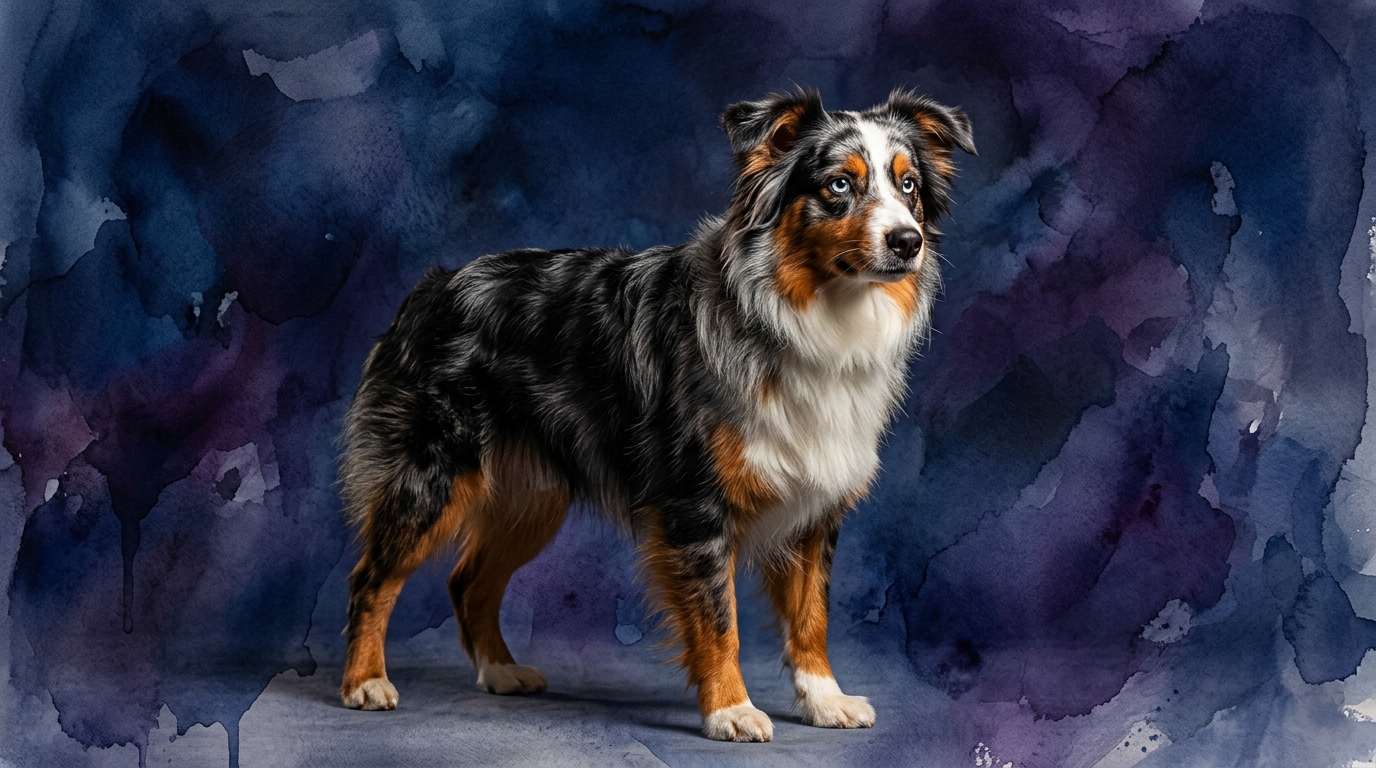
The Cosmic Pet Pet IQ Lab employs a five-dimensional framework to analyze canine intelligence. For the Miniature American Shepherd (MAS), a Herding Group member, its profile shows balanced cognitive abilities. Problem Solving (3/5) indicates a capacity for navigating moderately complex situations, like bypassing an obstacle to reach a toy. Training Speed (3/5) suggests new commands are learned at a consistent pace, requiring clear communication and repetition. Social Intelligence (3/5) means the MAS generally interprets human emotions and cues adequately, adapting to various social contexts. Its Instinctive Drive (3/5) is rooted in its herding heritage, manifesting as an inherent interest in controlling movement. Memory (3/5) signifies moderate retention of learned information, necessitating occasional refreshers.
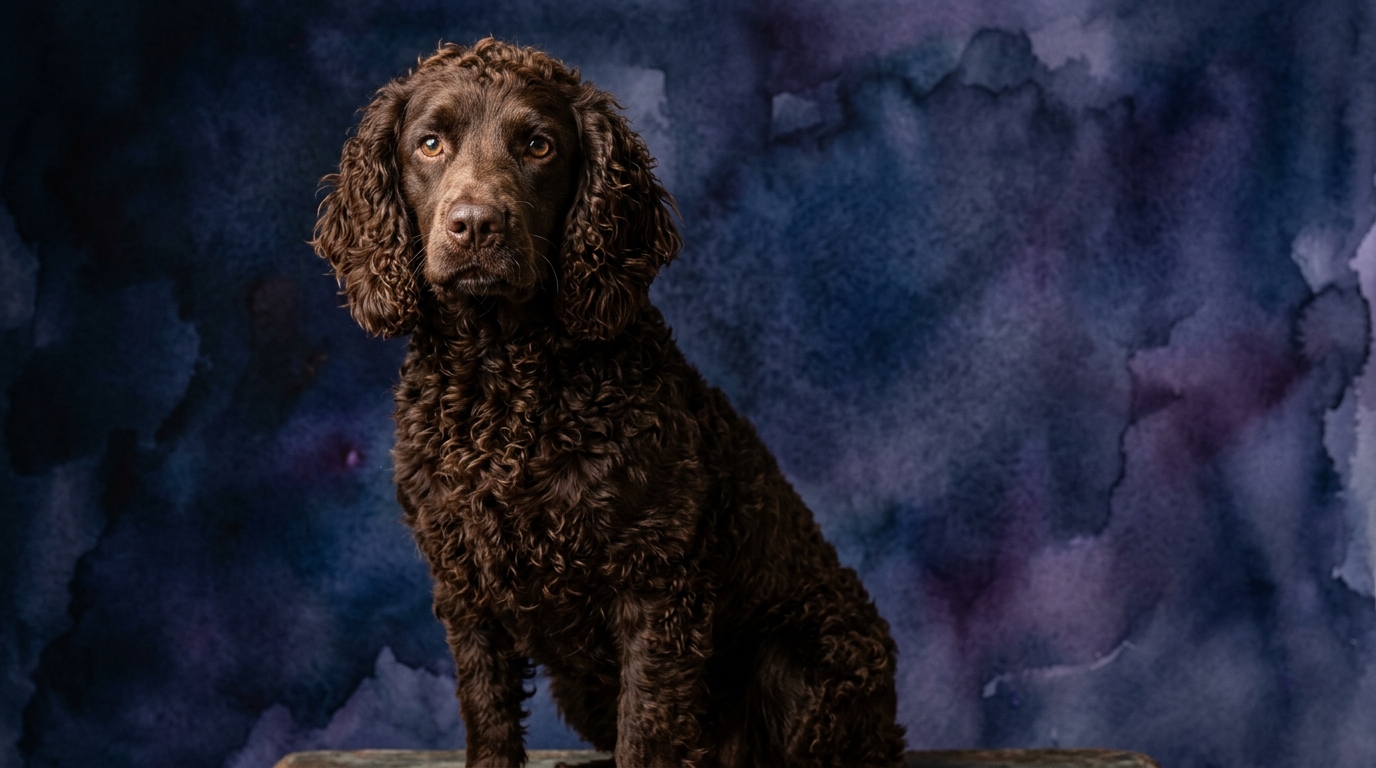
The American Water Spaniel (AWS), a Sporting Group member, shares several cognitive similarities but also a key distinction. Problem Solving (3/5) shows equal aptitude for moderately challenging tasks, perhaps excelling in retrieving scenarios. Training Speed (3/5) implies a similar rate of acquiring new skills with positive reinforcement. Social Intelligence (3/5) exhibits comparable ability to understand social cues, forming perceptive bonds. Its Instinctive Drive (3/5) is distinctly tied to its role as a retriever and hunter, focusing on scent work, water, and retrieving. The AWS truly stands out in Memory, earning a 4/5, suggesting superior retention of complex sequences or specific locations. The AWS also holds a Coren rank of #44, indicating a strong capacity for obedience and working intelligence, a measure not available for the MAS.
Where the Miniature American Shepherd's Cognition Shines
The Miniature American Shepherd's cognitive strengths are profoundly influenced by its herding lineage. Its Problem Solving (3/5), combined with Instinctive Drive (3/5), manifests as a unique ability to anticipate and manage movement. This involves strategic thinking in dynamic environments, like understanding how to cut off a 'stray' toy or subtly guide family members. This application of problem-solving is less about rote memorization and more about on-the-fly decision-making, making it adept at activities like agility where improvisation is key. Their social intelligence, while 3/5, is finely tuned to reading subtle handler cues in a working context, enabling effective collaboration in complex tasks without constant verbal commands. This breed's cognitive architecture thrives on independent yet cooperative action, requiring quick decisions based on environmental factors and handler input.
Where the American Water Spaniel Holds a Cognitive Edge
The American Water Spaniel's superior Memory score of 4/5 provides a distinct cognitive advantage. This enhanced memory means the AWS can retain more information and complex sequences over extended periods, translating to fewer refreshers for owners. Its Problem Solving (3/5) and Instinctive Drive (3/5) are specifically geared towards retrieving and water work. This means its problem-solving abilities flourish in tasks requiring spatial reasoning to locate hidden objects, navigating terrain for retrieval, or remembering intricate scent trails. The AWS isn't just remembering a command; it's recalling the entire context of a task, crucial in field work where remembering multiple 'falls' or boat locations is critical. The Coren rank of #44 further underscores the American Water Spaniel's strong capacity for learning and executing human commands, making it a reliable partner in working and obedience disciplines.
Training Dynamics: Which is Easier and Why?
Both breeds have a Training Speed of 3/5, suggesting similar initial learning rates. However, the American Water Spaniel's superior Memory (4/5) often provides a long-term advantage. While both grasp new commands comparably, the AWS is likely to retain knowledge longer, potentially requiring fewer refreshers. Its instinctive drive for retrieving and water is also generally easier to channel into common pet activities like fetch, which naturally reinforces obedience. The AWS's Coren rank further supports its predisposition for working and obedience intelligence, often making it more inclined to understand and reliably execute human instructions.
The Miniature American Shepherd presents different training considerations. Its strong herding Instinctive Drive (3/5) means it naturally wants to control movement, which can manifest as attempts to 'herd' children or other pets. While this drive is valuable in sports like agility, it requires an owner prepared to consistently redirect these powerful instincts. Without appropriate outlets, this drive can lead to undesirable behaviors, making training feel more challenging for an inexperienced owner. Therefore, while both learn at similar initial rates, the AWS's superior memory and more easily integrated instinctive drives often make it a more straightforward training partner for general obedience.
Suitability for Active vs. Engaged Owners
Neither breed suits truly relaxed owners; both are working dogs needing significant engagement. The Miniature American Shepherd thrives with an owner who is physically active and mentally engaged in providing structured tasks. Its herding background demands a 'job'—agility, obedience, or trick training. Owners who enjoy dynamic problem-solving exercises and can consistently channel a keen herding instinct will find the MAS a fulfilling companion. It requires an owner prepared to be a consistent leader, guiding its intelligent and independent nature through structured activities.
The American Water Spaniel, with its strong retrieving and water-loving instincts, excels with owners who enjoy outdoor adventures, especially near water. They are natural swimmers and thrive on activities like dock diving or retrieving games. Their robust memory makes them adept at learning complex commands for these activities. While also needing mental stimulation, it's often aligned with their inherent drives like scent work or complex fetch routines. They suit owners who value a devoted, active companion for shared outdoor experiences, particularly those offering consistent opportunities for swimming and retrieving, representing a slightly more 'play-oriented' active lifestyle.
The Verdict
Choose the Miniature American Shepherd if you seek a dynamic partner for structured activities like agility, value a dog with independent problem-solving skills, and are prepared to actively channel its strong herding instincts.
Opt for the American Water Spaniel if you desire a devoted companion with excellent memory, thrive in outdoor environments especially involving water and retrieving, and appreciate a reliable partner for obedience and field work.
🧠 Find Your Pet's IQ Score
Our Pet IQ Lab assessment covers 25+ tests across 5 cognitive dimensions — personalized to your breed.
Take the Full IQ Test →Frequently Asked Questions
Are Miniature American Shepherds good family dogs?
Yes, with proper socialization and training, Miniature American Shepherds can be wonderful family dogs. Their social intelligence allows them to bond closely, but their herding drive means they need consistent guidance to prevent nipping or chasing children.
What kind of exercise does an American Water Spaniel need?
American Water Spaniels require significant daily exercise, ideally incorporating swimming and retrieving activities. Their instinctive drive means they thrive on physical and mental challenges that engage their natural abilities, such as long walks, runs, or structured play sessions.
Do American Water Spaniels shed much?
American Water Spaniels have a dense, curly, water-resistant coat that sheds moderately. Regular grooming, including brushing several times a week, is necessary to prevent matting and manage shedding, especially during seasonal changes.