Side-by-Side Cognitive Profile: Identical Scores, Distinct Expressions
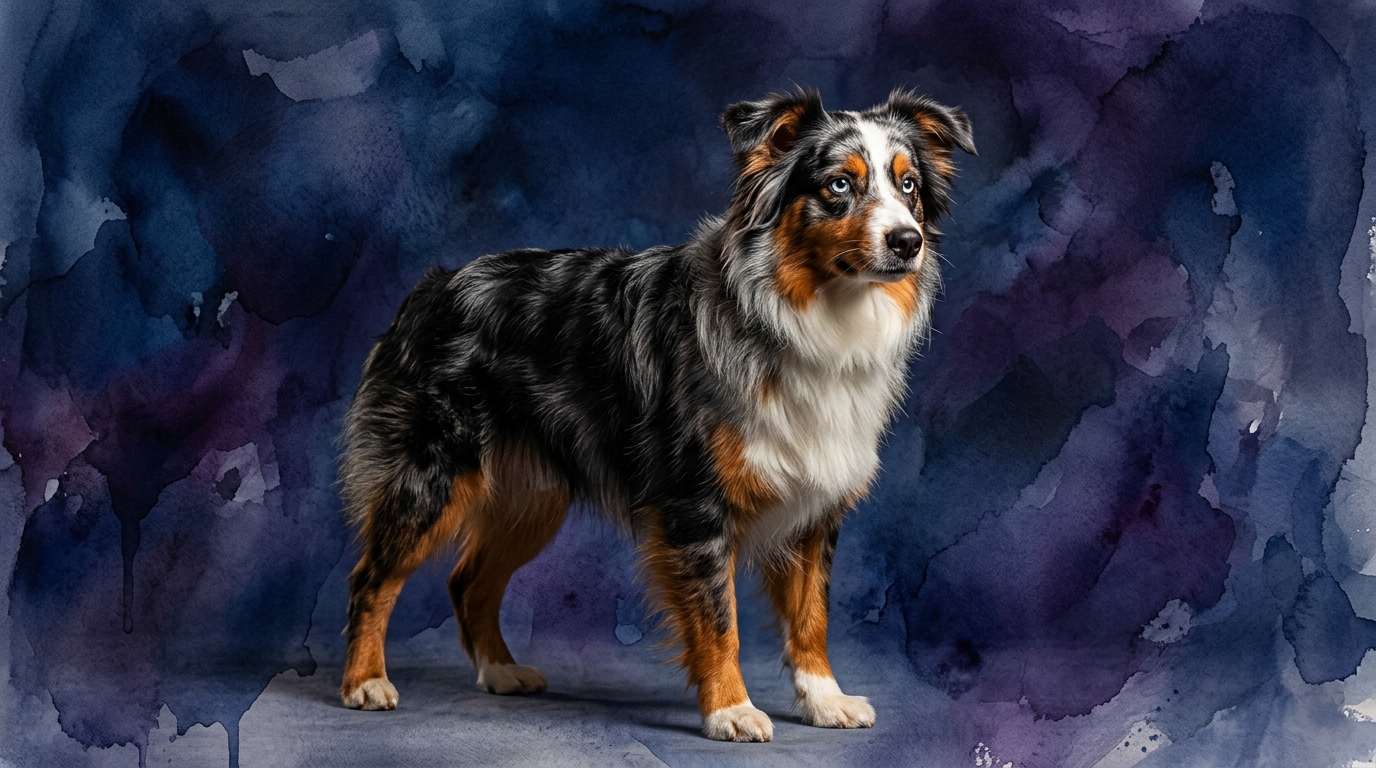
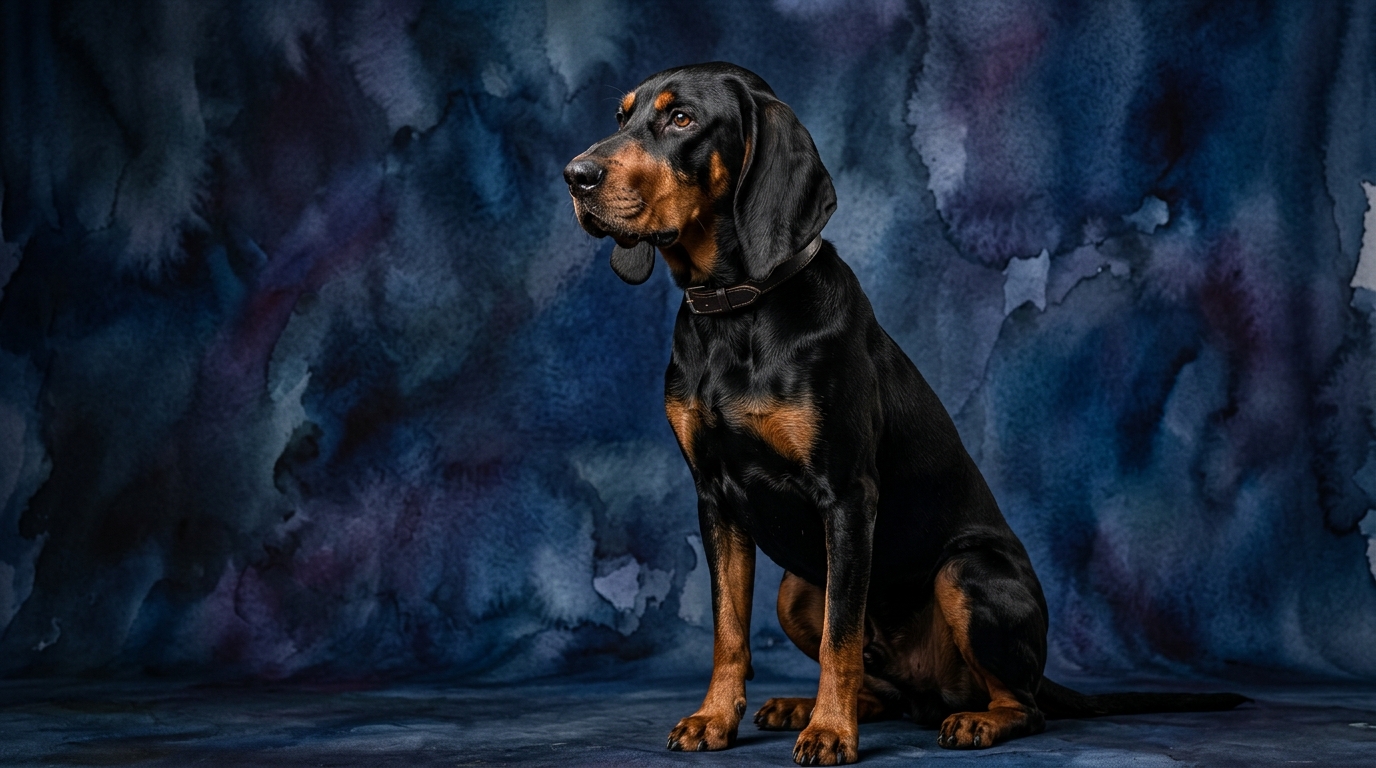
At first glance, the Miniature American Shepherd and the Black and Tan Coonhound share an identical cognitive profile according to The Cosmic Pet Pet IQ Lab, each scoring 3 out of 5 across all five dimensions: problem solving, training speed, social intelligence, instinctive drive, and memory. This apparent parity, however, belies the unique ways these abilities are channeled and expressed through their breed-specific lenses. Understanding these nuances requires looking beyond the numbers to their ancestral purposes and inherent temperaments.
For both breeds, a **Problem Solving** score of 3/5 indicates a capable mind, but the types of problems they excel at differ significantly. A Miniature American Shepherd (MAS) might apply this to navigating agility courses, learning complex trick sequences, or understanding multi-step tasks involving movement and control. Their herding background primes them to analyze and react to dynamic situations, often involving manipulating objects or other animals. Conversely, a Black and Tan Coonhound (B&T Coonhound) utilizes its 3/5 problem-solving for unraveling intricate scent trails, figuring out how to bypass obstacles to stay on a track, or locating a hidden source of a smell. Their cognitive efforts are heavily invested in environmental interpretation through olfaction.
Their **Training Speed** of 3/5 also diverges in application. The MAS, a herding dog, typically exhibits a strong desire to work collaboratively with a handler. Their 3/5 speed often translates into readily absorbing obedience commands, learning new sports, and responding to cues in a structured environment due to their inherent biddability and focus on human direction. The B&T Coonhound, as a hound, learns efficiently as well, but their motivation often stems from their powerful prey and scent drive. Their 3/5 training speed is most evident when the learning is tied to their natural instincts, such as scent discrimination or tracking, where rewards are often the successful completion of the 'hunt' rather than solely human approval.
When it comes to **Social Intelligence** (3/5), both breeds demonstrate an ability to interact appropriately within their social structures, but with different focal points. The MAS typically forms deep bonds with its family, often being highly attuned to their emotions and routines, though they can be reserved or watchful with strangers. Their social acumen is geared towards cooperative living and working within a human 'pack.' The B&T Coonhound also thrives in social settings, known for being amiable and tolerant with both humans and other dogs. Their social intelligence allows them to work effectively in a pack with other hounds or to be a congenial family companion, capable of independent decision-making while still enjoying companionship.
The **Instinctive Drive** of 3/5 is perhaps where the breeds' differences are most pronounced. The MAS possesses a robust herding drive, manifesting as a desire to gather, chase, and control, often directed towards anything that moves—be it livestock, children, or toys. This drive is a powerful motivator for work and play and requires appropriate outlets. The B&T Coonhound’s 3/5 instinctive drive is overwhelmingly focused on scent. They are driven to follow a trail with unwavering determination, utilizing their exceptional nose. This deep-seated instinct for trailing and baying is central to their identity and requires significant engagement to satisfy.
Finally, their **Memory** score of 3/5 also plays out differently. An MAS demonstrates good recall for learned commands, complex sequences of tricks or agility courses, and the routines of their household. They retain information crucial for their working partnership with humans. A B&T Coonhound's memory is profoundly linked to their sensory experiences, especially scent. They excel at remembering specific scent profiles, the intricate patterns of past trails, and the locations where they've previously encountered interesting smells or game, a critical asset for their hunting prowess.
Where the Miniature American Shepherd Wins Cognitively
Despite identical numerical scores, the Miniature American Shepherd often 'wins' in contexts demanding close handler focus, rapid transitions between tasks, and adaptable problem-solving within a structured environment. Their herding heritage has honed their ability to quickly process visual cues and body language from a handler, making them exceptionally responsive to direction. A MAS's 3/5 problem-solving manifests as a talent for learning and executing complex sequences of commands, such as those found in obedience, agility, or competitive herding events, where precision and speed are paramount.
Their social intelligence, while rated the same, often translates into a more intense desire to please and a greater attunement to human emotional states, which can make them particularly adept at understanding subtle changes in a handler's demeanor or expectations. This inherent biddability, combined with their instinctive drive to 'work' and control, means they often excel in roles requiring a consistent, active partnership and the mental agility to switch between different tasks seamlessly.
Where the Black and Tan Coonhound Wins Cognitively
The Black and Tan Coonhound's cognitive strengths shine brightest in scenarios demanding independent thought, unwavering focus on a singular sensory input, and immense stamina for sustained mental effort. Their 3/5 problem-solving is expertly applied to environmental navigation and deduction through scent; they are masters at deciphering complex scent puzzles, following faint trails over varied terrain, and logically determining the path of a quarry even when the scent is broken or difficult. This isn't about human-directed problem-solving, but rather self-directed, instinct-driven cognitive work.
Their memory, also 3/5, is particularly powerful for retaining intricate scent information and spatial awareness related to trails. A B&T Coonhound can recall the specific scent of a particular animal, remember where they last picked up a trail, and use this information to inform their subsequent tracking efforts. Their instinctive drive, while equally rated, is a deeply immersive experience; once a scent is engaged, their cognitive resources are almost entirely dedicated to that pursuit, demonstrating a remarkable capacity for sustained, single-minded focus that few other breeds can match.
Which is Easier to Train and Why
While both breeds score 3/5 in training speed, the Miniature American Shepherd is generally perceived as easier to train for general obedience and competitive sports due to fundamental behavioral differences stemming from their breed groups. MAS are herding dogs, bred to work in close cooperation with humans, responding to commands and signals to manage livestock. This inherent biddability means they typically possess a strong desire to please their handler and are highly motivated by praise and interactive rewards, making them responsive to structured training methods and eager to learn new commands quickly.
The Black and Tan Coonhound, conversely, is a hound, bred for independent trailing and hunting. Their training speed, while respectable, is often tempered by their powerful, independent scent drive. Once a B&T Coonhound locks onto a scent, their cognitive focus is almost entirely consumed by that pursuit, making it challenging to redirect their attention to a handler's commands. Training a Coonhound often requires more patience, consistency, and motivation tied to their natural instincts, such as scent work, rather than pure obedience. Their learning is efficient, but their motivation structure is distinct, requiring an understanding of their deep-seated drives.
Which Suits Active Owners vs. Relaxed Owners
For active owners seeking a dynamic, engaged partner for a wide array of activities, the Miniature American Shepherd is often an ideal match. Their strong instinctive drive, coupled with their responsiveness and problem-solving abilities, makes them excel in dog sports like agility, flyball, obedience, and even herding trials. They thrive on consistent mental and physical stimulation, enjoying complex training sessions, long hikes, and activities that involve working closely with their human. Owners who appreciate a dog that is constantly tuned into their presence and eager for the next task will find the MAS a fulfilling companion.
The Black and Tan Coonhound, while possessing a robust instinctive drive and requiring significant exercise, suits an active owner who appreciates a different kind of partnership and a dog with a strong independent streak. These owners are often drawn to the Coonhound's prowess in scent work, enjoying activities like tracking, hunting, or long, exploratory walks where the dog can follow interesting smells. While they enjoy their family, a B&T Coonhound's 'active' state is often more inwardly focused on their nose, rather than constant handler engagement. They can transition to a more relaxed, often sleepy, state indoors after sufficient mental and physical exertion, making them suitable for owners who appreciate a dog that can 'switch off' once its drives are satisfied, but also demand a dedicated outlet for their primary instinct.
The Verdict
Choose the Miniature American Shepherd if you seek a highly engaged, biddable partner for dog sports, complex training, and consistent interactive activities, thriving on close collaboration. Their cognitive strengths are best utilized in structured, handler-focused environments.
Opt for the Black and Tan Coonhound if you appreciate a dog with immense independent drive, exceptional scenting abilities, and a strong work ethic when pursuing a trail. Their cognitive profile suits owners who can provide ample opportunities for their profound instinctive needs, even if it means less direct handler focus during their 'work'.
🧠 Find Your Pet's IQ Score
Our Pet IQ Lab assessment covers 25+ tests across 5 cognitive dimensions — personalized to your breed.
Take the Full IQ Test →Frequently Asked Questions
Do identical IQ scores mean these breeds are equally easy to train?
No, identical IQ scores in training speed (3/5) indicate a similar capacity for learning, but the *motivation* and *style* of learning differ significantly due to breed purpose. Miniature American Shepherds generally learn conventional obedience more readily due to their biddability, while Black and Tan Coonhounds are highly trainable when tasks align with their strong scent drive.
How does 'problem solving' manifest differently in these two breeds?
For the Miniature American Shepherd, problem-solving (3/5) often involves understanding complex sequences, navigating obstacles, or figuring out how to achieve a goal with handler guidance. For the Black and Tan Coonhound, their 3/5 problem-solving is typically applied to deciphering and following intricate scent trails, independently overcoming environmental challenges to stick to a track.
Can a Black and Tan Coonhound be a good family dog despite its independent nature?
Absolutely. Black and Tan Coonhounds are generally known for being amiable, tolerant, and good-natured family companions. While they possess an independent drive for scent work, they are affectionate with their families and can integrate well into a household, provided their significant exercise and mental stimulation needs are consistently met.