Side-by-Side IQ Profile
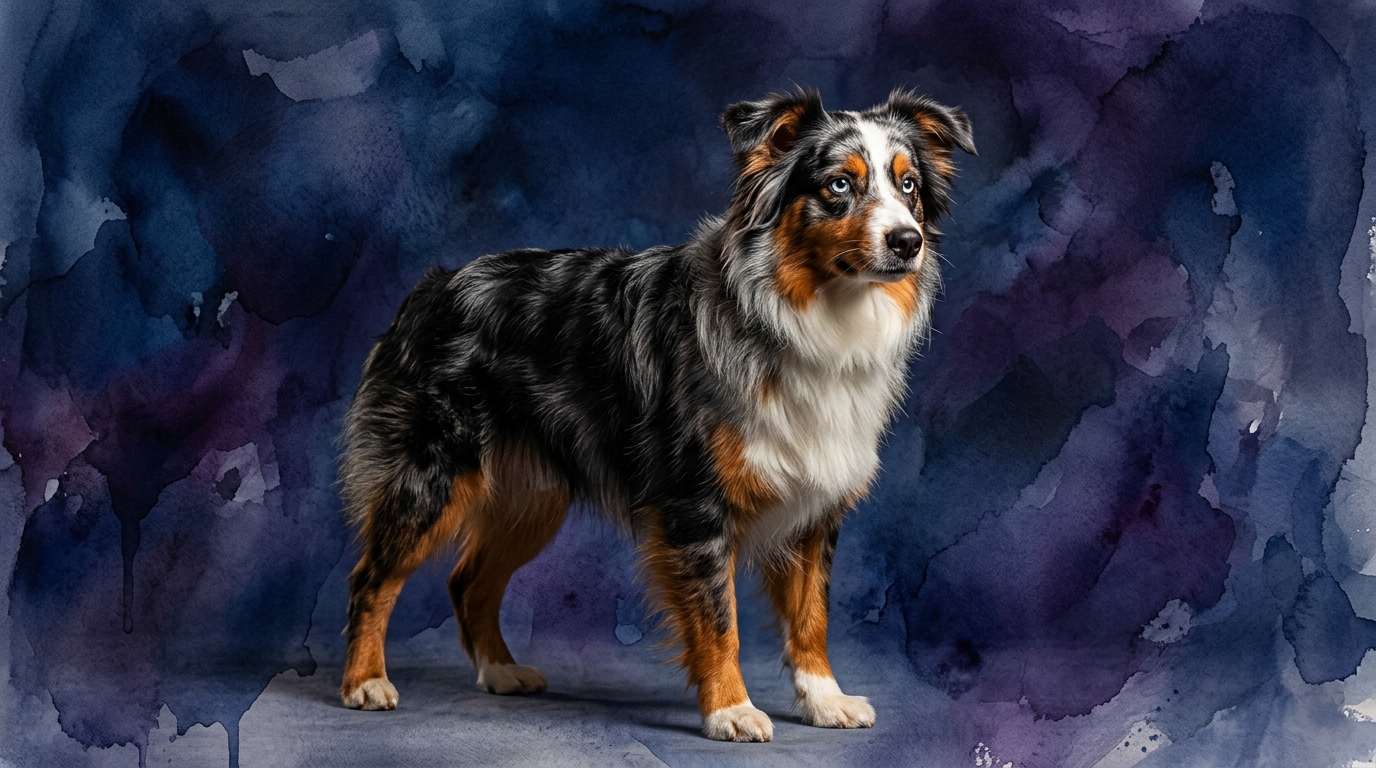
**Miniature American Shepherd (MAS): The Agile Mind**
**Problem Solving (3/5):** The MAS exhibits practical, action-oriented problem-solving, excelling at spatial reasoning and manipulating objects or groups. They quickly figure out how to move obstacles or guide "flocks," demonstrating a knack for dynamic, real-time tactical solutions.
**Training Speed (3/5):** These dogs typically absorb new commands and routines with impressive alacrity, driven by a strong desire to engage and perform tasks. Their responsiveness to cues makes them quick learners with consistent, clear instruction.
**Social Intelligence (3/5):** Their social acumen is finely tuned to interaction within a family unit, reading human moods and intentions accurately. This sensitivity often manifests as a desire to participate and adapt behavior based on social feedback, though they can be reserved with strangers.
**Instinctive Drive (3/5):** A palpable herding instinct defines much of their wiring, manifesting as a persistent desire to gather, control, and organize. This drive, properly channeled, provides inherent motivation for tasks mimicking their ancestral role.
**Memory (3/5):** The MAS possesses robust memory for commands, sequences, and environmental layouts. They remember past training sessions, routines, and specific locations, contributing to their reliability in learned behaviors.
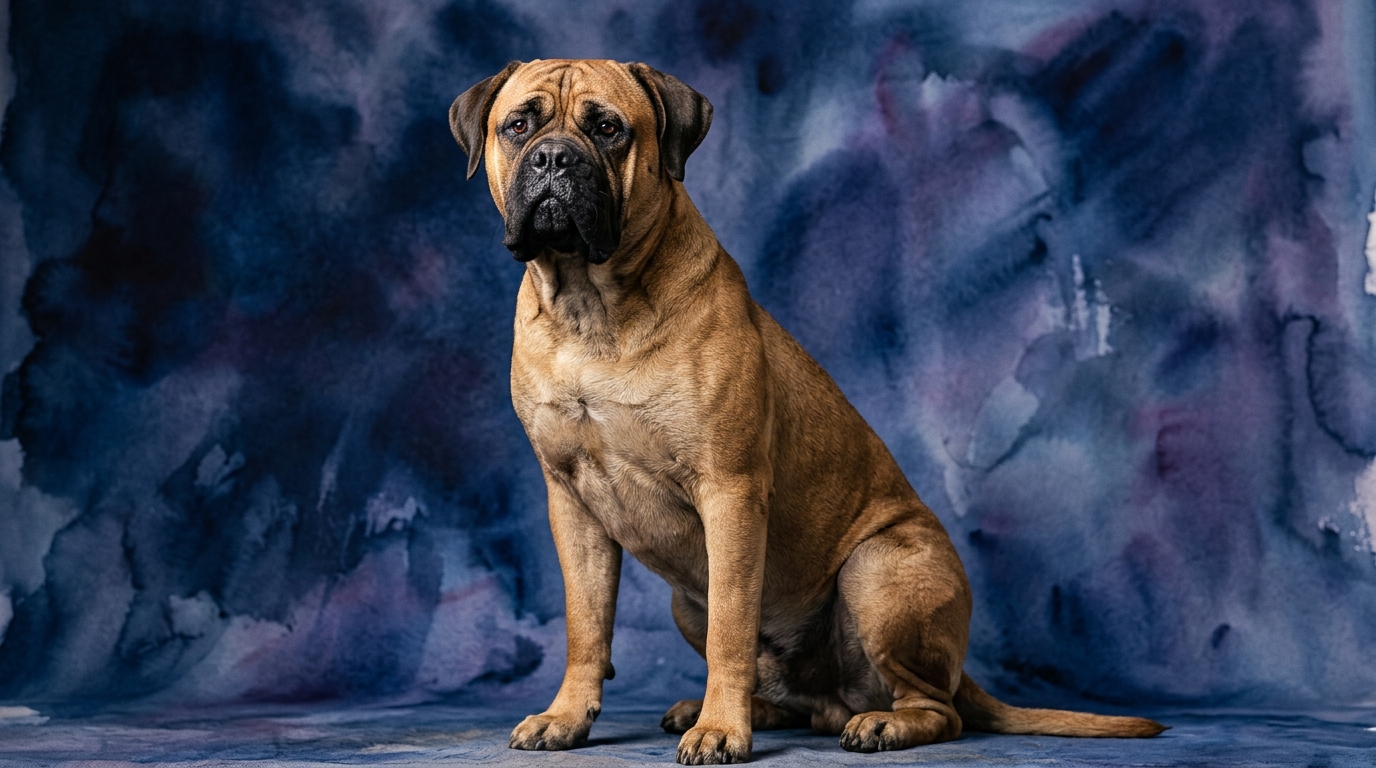
**Bullmastiff: The Thoughtful Guardian**
**Problem Solving (3/5):** The Bullmastiff's problem-solving is less about active manipulation and more about discernment and strategic presence. They adeptly assess potential threats and understand territorial boundaries, often preferring a watchful, deterrent approach over physical engagement. Their solutions manage situations through their presence.
**Training Speed (3/5):** While capable of learning commands, the Bullmastiff often processes information deliberately due to their independent nature. They require patient, consistent, and reward-based methods, and may take longer to generalize commands across contexts.
**Social Intelligence (3/5):** This breed demonstrates deep, intuitive understanding of their family's emotional states and social hierarchy. They are perceptive of subtle shifts within their inner circle and can accurately gauge stranger intentions, making them discerning guardians.
**Instinctive Drive (3/5):** Their primary instinctive drive revolves around protection and guardianship. This manifests as a strong, innate desire to keep family and territory safe, characterized by vigilance and a calm, confident demeanor, focusing on watchful deterrence.
**Memory (3/5):** Bullmastiffs have strong memory, particularly for people, routines, and experiences. They recall who belongs and who doesn't, remember house rules, and retain training commands, contributing to consistent protective behavior and settling into family rhythms.
Where Miniature American Shepherd Wins Cognitively
The Miniature American Shepherd excels in dynamic, interactive scenarios demanding quick thinking and physical agility. Their problem-solving (3/5) is geared towards movement and environmental manipulation, making them adept at navigating complex agility courses or intricate puzzle toys. Unlike the Bullmastiff's static vigilance, the MAS thrives on active strategizing, like opening a gate. Their training speed (3/5) is bolstered by an inherent desire to work collaboratively, allowing them to rapidly chain multiple commands. This breed's social intelligence (3/5) focuses on partnership, making them highly responsive to subtle handler cues for fluid communication. Their instinctive herding drive (3/5) provides powerful internal motivation for sustained attention and purpose-driven action in mentally stimulating activities.
Where Bullmastiff Wins Cognitively
The Bullmastiff's cognitive prowess centers on discernment, patience, and a profound understanding of their environment for protective purposes. Their problem-solving (3/5) excels in situations demanding strategic presence and threat assessment. A Bullmastiff might "solve" an approaching stranger by calmly positioning themselves as a clear boundary, a nuanced decision differing from the MAS's active problem-solving. Their social intelligence (3/5) is particularly strong in reading family emotional states, offering comfort or acting as a silent guardian, demonstrating a deep, empathetic loyalty. The Bullmastiff's instinctive guarding drive (3/5) means they possess exceptional spatial memory (3/5) for their territory and its occupants, observing changes with unwavering focus. This enables consistent, reliable protection based on accumulated observations rather than immediate, high-energy reactions.
Which Is Easier to Train and Why
For many owners, the Miniature American Shepherd generally offers a more straightforward training experience. Their inherent desire to work and keen responsiveness mean they often learn new commands with enthusiasm. The MAS's strong herding drive, when appropriately channeled, provides internal motivation for focused training. They thrive on mental challenges and collaborative tasks, eager to please and quick to offer behaviors that earn rewards. This active engagement and lower frustration threshold contribute to their perceived "easier" trainability.
The Bullmastiff, however, requires a different training approach. While equally capable of learning (Training Speed 3/5), their independent and sometimes stubborn nature demands more patience and consistent, reward-based methods. A Bullmastiff learns effectively when they grasp the 'why' behind a command and perceive fairness. Their motivation stems more from a desire for clear structure and a respectful bond, rather than an inherent "eagerness to please" like a herding dog. Their protective instincts need careful guidance, focusing on channeling these drives appropriately to ensure they are discerning guardians. This deliberate pace means owners must be prepared for a persistent and understanding training journey.
Which Suits Active Owners vs Relaxed Owners
The Miniature American Shepherd is an ideal match for active owners who relish regular physical and mental activities. These dogs thrive when given a "job," whether participating in dog sports like agility, obedience, or flyball, or accompanying humans on long hikes and puzzle-solving sessions. Owners appreciating a canine partner requiring consistent mental stimulation and physical exertion will find the MAS's energy and cognitive needs align with their lifestyle. Their zest for life and desire for interaction mean they are not content as mere couch potatoes.
The Bullmastiff, conversely, suits more relaxed owners who appreciate a calm, watchful presence without constant high-intensity activity. While requiring daily walks and playtime, their energy demands are significantly lower than a MAS. They excel as loyal family companions and guardians, content to observe from a comfortable spot. Owners valuing a deep, quiet bond and a less overtly "busy" but deeply devoted dog will find the Bullmastiff's temperament and cognitive focus on protection and companionship perfectly suited to their pace. They are satisfied with a secure home environment and consistent, gentle companionship.
The Verdict
For owners seeking a dynamic, engaged companion for sports, farm work, or an active lifestyle, who can provide consistent mental stimulation and physical outlets, the Miniature American Shepherd is an excellent choice.
For owners seeking a loyal, protective family guardian with a calm demeanor, who can provide a secure environment and appreciate a less overtly 'busy' but deeply devoted companion, the Bullmastiff is a suitable match.
🧠 Find Your Pet's IQ Score
Our Pet IQ Lab assessment covers 25+ tests across 5 cognitive dimensions — personalized to your breed.
Take the Full IQ Test →Frequently Asked Questions
Do Miniature American Shepherds need more mental stimulation than Bullmastiffs?
Yes, Miniature American Shepherds generally require more active mental stimulation due to their herding background and desire for engagement. While Bullmastiffs are discerning, their mental exercise often involves observation and guarding, rather than constant task performance.
Can a Bullmastiff be trained for advanced obedience or dog sports?
Bullmastiffs can be trained for advanced obedience, but they may not excel in fast-paced dog sports like agility due to their size and build. Their training requires patience and motivation, focusing on their strength and protective instincts rather than speed.
Are Miniature American Shepherds good with children?
Miniature American Shepherds can be wonderful with children, often forming strong bonds. However, their herding instincts might lead them to "herd" children, so early socialization and training are crucial to teach appropriate interactions.