Side-by-Side IQ Profile: Miniature American Shepherd vs. Chesapeake Bay Retriever
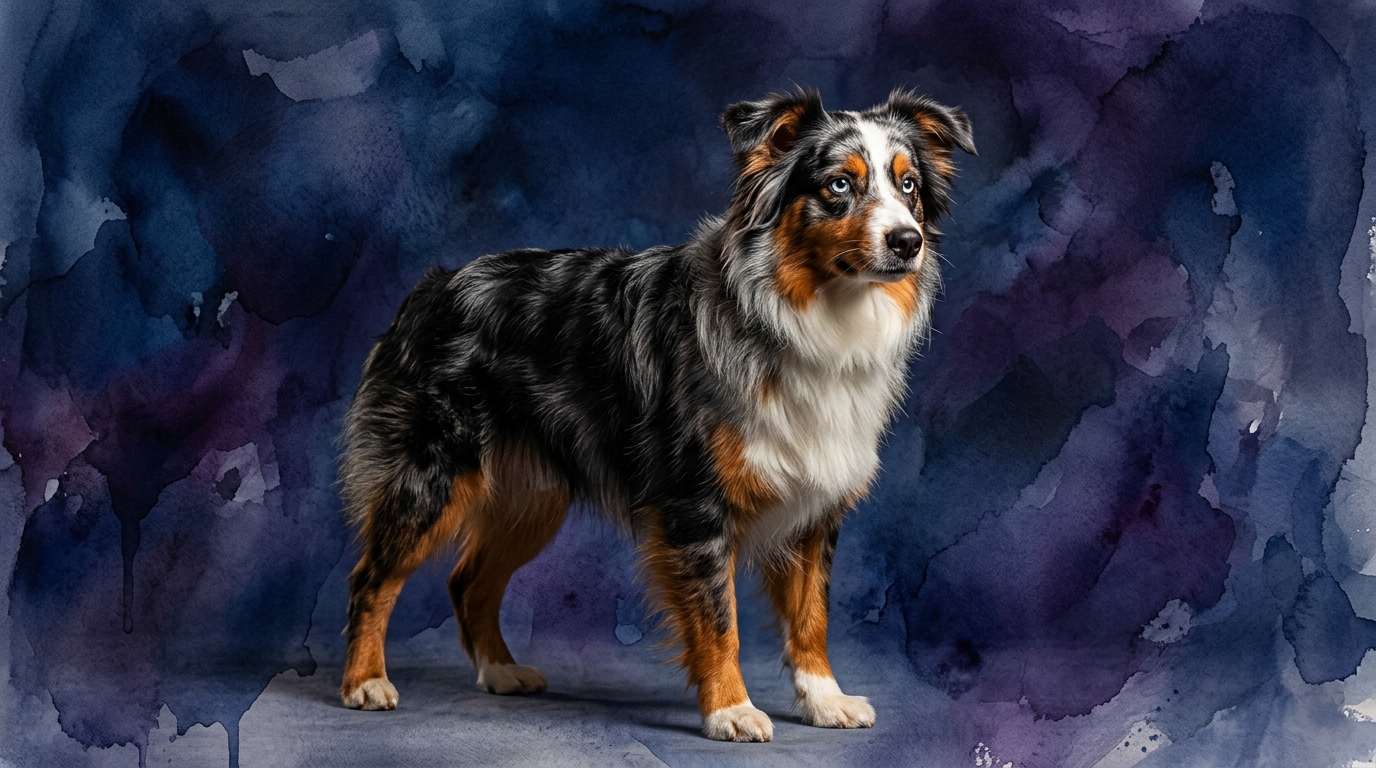
The Miniature American Shepherd, a descendant of the Australian Shepherd, brings a nuanced cognitive profile from its herding lineage. In problem solving, they register a 3/5, demonstrating a practical intelligence for navigating and influencing group dynamics rather than abstract puzzles. Their training speed is also 3/5, indicating a steady learning curve that thrives on engagement and consistency. Social intelligence stands at 3/5, reflecting an awareness of their human companions and flock, but often with a reserved approach to new acquaintances. An instinctive drive of 3/5 points to their inherent desire to gather and control movement, a core aspect of their herding heritage. Finally, their memory rates 3/5, suggesting a good retention of routines and learned tasks in familiar contexts.
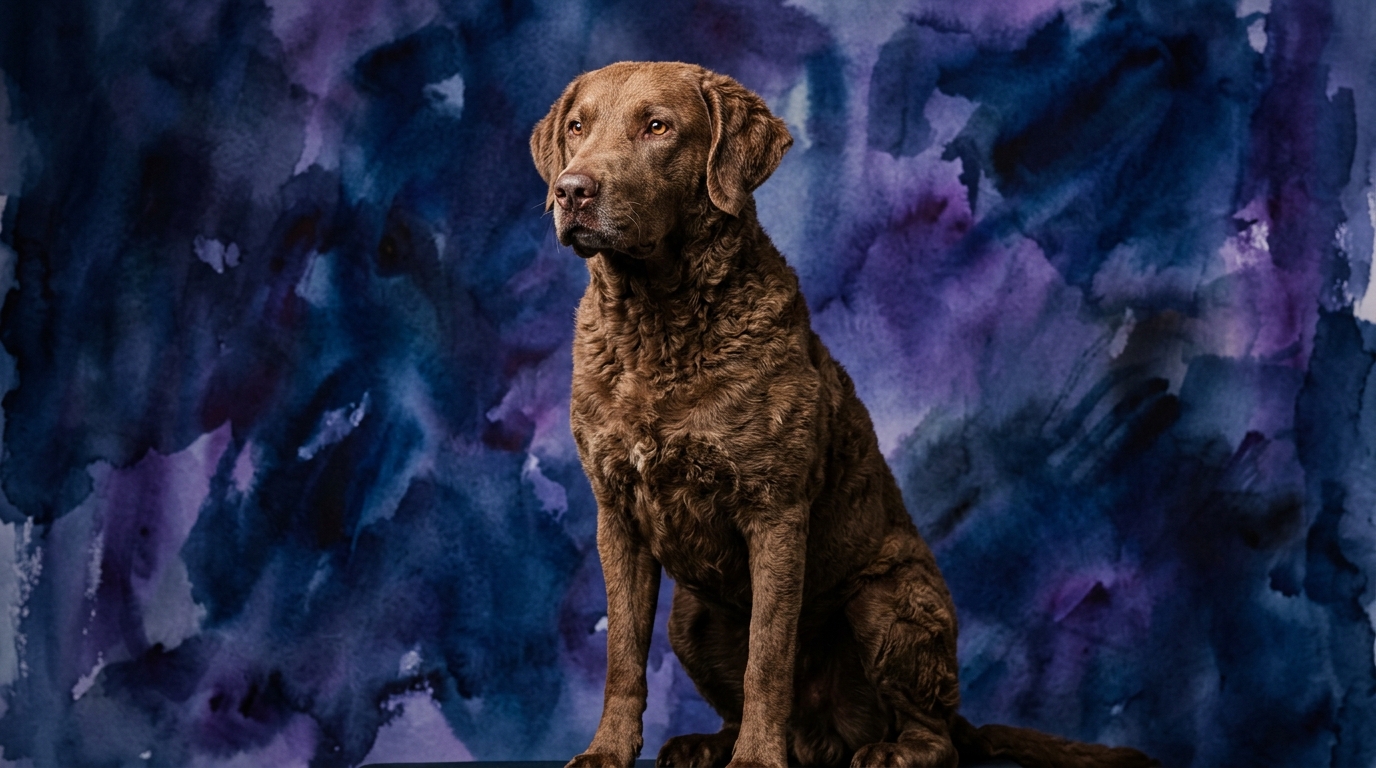
In contrast, the Chesapeake Bay Retriever, a robust sporting dog, exhibits a more direct and efficient cognitive style. Their problem-solving ability scores 4/5, showcasing a strong aptitude for overcoming obstacles to achieve a goal, particularly in retrieval scenarios like navigating dense cover or marking multiple falls. Training speed is a notable 4/5, as Chessies typically grasp new commands and concepts with impressive rapidity, driven by their eagerness to work. Social intelligence is 3/5; they are attentive to their handler's cues and can be discerning, often forming deep bonds with their family while maintaining a more serious demeanor with strangers. Their instinctive drive is 3/5, powerfully focused on retrieving and water work, an unwavering dedication to their purpose. With a memory score of 4/5, Chesapeake Bay Retrievers excel at recalling complex sequences of events, marking locations, and retaining learned behaviors over extended periods, essential for their demanding field tasks.
Where the Miniature American Shepherd Wins Cognitively
The Miniature American Shepherd's cognitive strengths shine particularly in their spatial reasoning and the subtle manipulation of their environment. Their herding background cultivates a specific problem-solving skill: the ability to anticipate and react to the dynamic movements of individuals or groups, whether livestock or people. This involves a sophisticated understanding of positioning, pressure, and timing to guide and control, showcasing a nuanced form of social intelligence applied to group management. Unlike the direct, focused retrieval of a sporting dog, the Mini American Shepherd excels at delicate, strategic interventions, using their body language and presence to influence outcomes. This specialized cognitive application, even with a 3/5 problem-solving score, is distinctively superior in its domain compared to a retriever's typical tasks.
Where the Chesapeake Bay Retriever Wins Cognitively
The Chesapeake Bay Retriever demonstrates a clear cognitive advantage in tasks demanding exceptional working memory and focused, persistent problem-solving. Their 4/5 memory score allows them to recall the exact location of multiple retrieved items, even after significant time or distraction, a critical skill in field trials. This isn't just remembering a command, but retaining a mental map of complex scenarios. Coupled with their 4/5 problem-solving, Chessies are adept at devising strategies to overcome physical barriers, such as navigating thick underbrush or strong currents, all while maintaining their focus on the retrieve. Their higher training speed (4/5) further underscores their capacity for rapid learning and efficient task execution, making them exceptionally proficient in acquiring and applying new skills related to their retrieving duties.
Training Dynamics: Which Breed is Easier to Train?
When considering ease of training, the Chesapeake Bay Retriever generally presents a more straightforward path for many owners. Their training speed of 4/5 means they tend to pick up new commands and routines with greater alacrity than the Miniature American Shepherd. Chessies possess a strong, focused drive to work alongside their owner, particularly in tasks involving retrieval, and their willingness to please often translates into quicker comprehension and higher compliance. Their problem-solving ability (4/5) also aids in understanding complex sequences, making them responsive to structured, goal-oriented training. The Miniature American Shepherd, with a training speed of 3/5, learns steadily but may require more patience and creative engagement from their handler. Their herding instincts, while a strength, can sometimes present a challenge in training as they might try to 'manage' situations or people, diverting their focus from specific commands. They are sensitive dogs that thrive on positive reinforcement and varied training sessions to keep their keen minds occupied, but consistent repetition might be needed for full mastery. Therefore, while both are capable learners, the Chessie's inherent drive for specific tasks and faster acquisition rate often makes their training journey feel more efficient.
Activity Levels: Suiting Active vs. Relaxed Owners
Neither the Miniature American Shepherd nor the Chesapeake Bay Retriever are suitable for truly relaxed owners, as both are working breeds with significant mental and physical exercise requirements. However, their activity profiles appeal to different types of active owners. The Miniature American Shepherd thrives with owners who can provide consistent mental stimulation, such as agility, obedience, or even urban herding classes, alongside regular physical exercise like long walks or engaging play sessions that tap into their herding instincts. They enjoy having a 'job' and excel when their intelligence is challenged through interactive games and problem-solving puzzles. The Chesapeake Bay Retriever, conversely, is best suited for highly active owners who embrace outdoor adventures, especially those involving water. Their robust build and powerful drive necessitate extensive physical exertion, including long runs, challenging hikes, and dedicated retrieving sessions, particularly in aquatic environments. Their mental stimulation often comes from the physical and strategic demands of these activities, requiring owners who are prepared to integrate such rigorous exercise into their daily lives. An owner looking for a dog to accompany them on strenuous outdoor pursuits will find a perfect match in the Chessie.
The Verdict
Choose this breed if you appreciate a dog with subtle cognitive skills for managing dynamics, thrive on engaging their nuanced herding intelligence, and are prepared for consistent, varied training. They are ideal for owners who enjoy interactive mental challenges and a companion attuned to their environment.
Opt for the Chessie if you are an intensely active owner seeking a resilient partner with exceptional memory and problem-solving for demanding retrieval tasks, especially those involving water and long-distance work. Their focused drive and rapid learning make them excellent for dedicated canine sports and outdoor adventures.
🧠 Find Your Pet's IQ Score
Our Pet IQ Lab assessment covers 25+ tests across 5 cognitive dimensions — personalized to your breed.
Take the Full IQ Test →Frequently Asked Questions
Do Miniature American Shepherds herd people?
Yes, their natural herding instinct can sometimes extend to people or other pets, leading them to try and 'gather' or nudge them into desired positions. This behavior requires consistent training to redirect appropriately and channel their energy into acceptable outlets.
Are Chesapeake Bay Retrievers good with children?
Chessies can be good family dogs, often forming strong bonds with their immediate family, including children. However, their robust nature and potential for protective instincts mean early socialization and constant supervision with younger children are essential to ensure positive interactions.
Which breed is more vocal?
The Miniature American Shepherd can be quite vocal, using barks to communicate, express their herding drive, or alert to perceived threats. Chesapeake Bay Retrievers are generally less prone to excessive barking but will certainly alert their owners to strangers or unusual occurrences.