Side-by-Side Cognitive Profile: Miniature American Shepherd vs. Chow Chow
The Cosmic Pet Pet IQ Lab assesses five key cognitive dimensions, each rated on a scale of 1 to 5. Intriguingly, both the Miniature American Shepherd and the Chow Chow score a consistent 3/5 across all categories. However, the interpretation of these scores must be contextualized by their breed groups and historical purposes, which dictate how these capacities are expressed.
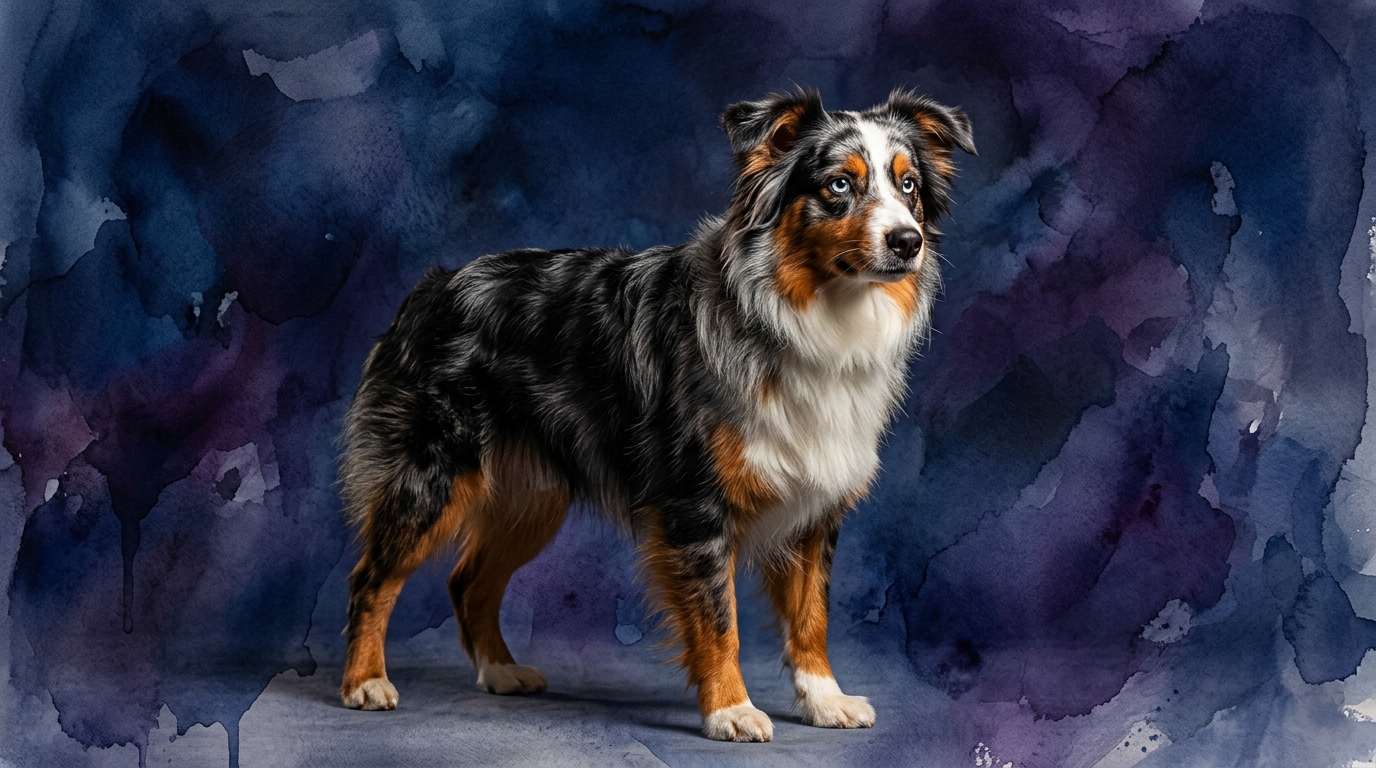
For the **Miniature American Shepherd**, a Herding breed, a 3/5 in **Problem Solving** indicates a moderate capacity for navigating complex situations, often applied to tasks involving movement and control, like herding livestock or learning intricate agility courses. Their **Training Speed** at 3/5 reflects a steady learning curve, bolstered by their inherent biddability and desire to work alongside humans. **Social Intelligence** at 3/5 means they are attentive to human cues and family dynamics, often seeking interaction and understanding their role within a household. Their **Instinctive Drive** (3/5) is primarily channeled into herding behaviors, providing a strong internal motivation for activity and purpose. Finally, their **Memory** (3/5) ensures good retention of commands, routines, and experiences, making them reliable companions once behaviors are established.
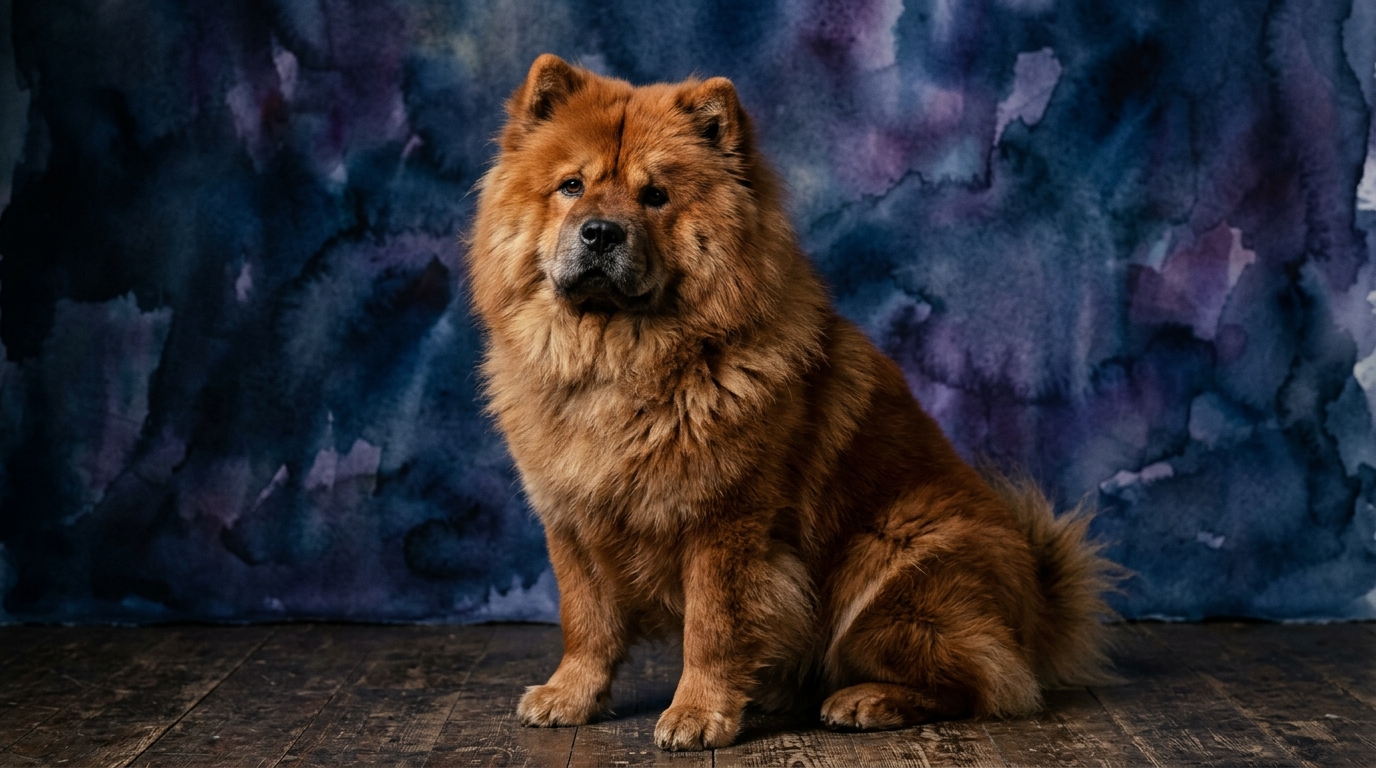
The **Chow Chow**, a Non-Sporting breed with a Coren ranking of #76, presents a different manifestation of these same scores. Their 3/5 in **Problem Solving** often translates into independent decision-making, such as figuring out how to achieve a personal comfort goal or outsmarting a barrier, rather than seeking human direction. A 3/5 in **Training Speed** signifies they are capable of learning, but their strong will and reserved nature mean training requires exceptional patience and consistent, positive motivation, as compliance is not always immediate. Their **Social Intelligence** (3/5) reflects an ability to observe and understand social dynamics within their chosen family, but they express affection and engagement subtly, preferring a more independent role. The Chow Chow's **Instinctive Drive** (3/5) is less about collaborative work and more about guarding and self-sufficiency, often manifesting as territoriality and quiet watchfulness. Their **Memory** (3/5) is solid, particularly for routines, boundaries, and individuals, but their application of this memory is filtered through their independent disposition.
Where the Miniature American Shepherd Wins Cognitively
While both breeds possess identical raw cognitive scores, the Miniature American Shepherd’s heritage as a working herding dog means their 3/5 capacities are often more readily applied in a cooperative, human-centric environment. Their 3/5 in Problem Solving is frequently directed towards tasks *for* their handler, like navigating obstacles in an agility course or strategically moving toys during play. This desire to engage makes their problem-solving skills feel more accessible and collaborative.
Their Social Intelligence at 3/5 translates into a more overt desire to understand human emotions and cues, fostering a deeper, more expressive bond. This attentiveness makes them highly responsive to subtle changes in their owner’s demeanor, facilitating a more intuitive communication. The Miniature American Shepherd’s Training Speed and Memory, both 3/5, are amplified by an intrinsic motivation to work alongside humans, leading to faster and more reliable retention of commands within a structured, cooperative training setting. Their moderate Instinctive Drive is easily channeled into productive activities through training, making them excel in dog sports or tasks where teamwork is paramount.
Where the Chow Chow Wins Cognitively
The Chow Chow’s cognitive strengths, despite identical 3/5 scores, lie in their profound independence, discernment, and self-reliance, making them exceptional companions for those who appreciate a less outwardly demonstrative yet deeply loyal presence. Their 3/5 in Problem Solving often manifests as ingenuity in navigating their environment or achieving their own goals without human intervention, such as finding a comfortable sunbeam or subtly outsmarting a gate latch to gain access to a desired spot.
Their Social Intelligence at 3/5 makes them exceptional observers, capable of discerning friend from stranger with a quiet confidence that doesn't require constant interaction. This translates into a strong, protective instinct for their family and property, based on a keen understanding of their surroundings and perceived threats. They are not easily swayed by strangers, relying on their own judgment. The Chow Chow's Memory and Instinctive Drive, both 3/5, contribute to their consistent adherence to established routines and boundaries, making them predictable and reliable guardians once they accept a rule. Their cognitive abilities are geared towards quiet competence and self-sufficiency, making them master of their own domain.
Which is Easier to Train, and Why?
Despite identical 3/5 scores in Training Speed, the practical experience of training a Miniature American Shepherd versus a Chow Chow differs significantly. The Miniature American Shepherd's herding heritage imbues them with a strong desire to work collaboratively and please their handler. Their Social Intelligence (3/5) ensures they are actively seeking to understand and respond to human cues, making them highly biddable. They learn quickly not just because they can grasp concepts (3/5 Problem Solving), but because they *want* to engage in the training process. This intrinsic motivation, coupled with their moderate Instinctive Drive, means they typically respond well to positive reinforcement and are eager to perform.
In contrast, the Chow Chow's 3/5 Training Speed is often overshadowed by their profound independence and self-possessed nature. While they are capable of learning and remembering commands (3/5 Memory), their motivation is often internal rather than handler-focused. Training a Chow Chow requires immense patience, consistency, and a deep understanding of their unique personality. They will learn if they perceive a benefit or if it aligns with their own desires, but they are not inherently eager to please or perform tricks on command. Their Problem Solving (3/5) might be used to figure out how to *avoid* a command rather than execute it if they aren't motivated. Therefore, for most owners seeking a responsive and easily trainable companion, the Miniature American Shepherd presents a far less challenging path.
Suitability for Active vs. Relaxed Owners
The Miniature American Shepherd, with its moderate Instinctive Drive (3/5) rooted in herding, thrives with active owners who can provide consistent mental and physical engagement. Their 3/5 Problem Solving and Training Speed make them excellent candidates for dog sports like agility, obedience, or even actual herding, where their cognitive abilities are challenged and their energy is constructively utilized. They require daily exercise and benefit from jobs or structured activities that tap into their natural inclinations. A relaxed owner might find their unmet needs lead to undesirable behaviors, such as excessive barking or destructive chewing.
Conversely, the Chow Chow is better suited for relaxed owners who appreciate a calm, dignified companion. While they benefit from regular walks, their moderate Instinctive Drive (3/5) doesn't translate into a need for high-impact activities or constant mental stimulation from their owner. Their 3/5 Social Intelligence means they are content with quiet companionship rather than constant interaction, making them ideal for individuals who enjoy a dog's presence without demanding constant attention or entertainment. However, 'relaxed' does not mean 'hands-off'; Chow Chows still require consistent boundaries and early, thorough socialization to ensure their independent nature doesn't lead to stubbornness or aloofness with household members.
The Verdict
Choose the Miniature American Shepherd if you seek a cooperative, active companion eager to engage in training and share in your daily adventures, appreciating their biddable nature and overt affection.
Opt for the Chow Chow if you prefer a dignified, independent, and watchful companion who offers quiet loyalty and requires an owner who respects their self-possessed nature and consistent boundaries.
🧠 Find Your Pet's IQ Score
Our Pet IQ Lab assessment covers 25+ tests across 5 cognitive dimensions — personalized to your breed.
Take the Full IQ Test →Frequently Asked Questions
Are Miniature American Shepherds good for first-time dog owners?
Yes, their biddable nature and eagerness to please, combined with their 3/5 scores in training speed and social intelligence, make them a manageable choice for committed first-time owners willing to provide consistent training and exercise.
Do Chow Chows get along with other pets?
Chow Chows can coexist with other pets, especially if raised with them from a young age. However, their independent and sometimes dominant nature, stemming from their 3/5 social intelligence and instinctive drive, means they might prefer to be the sole animal or require careful, managed introductions.
How much exercise does a Chow Chow need?
Despite their moderate instinctive drive (3/5), Chow Chows are generally not high-energy dogs. Daily moderate exercise, such as a brisk walk or some playtime in a securely fenced yard, is usually sufficient to keep them content without over-exhaustion.