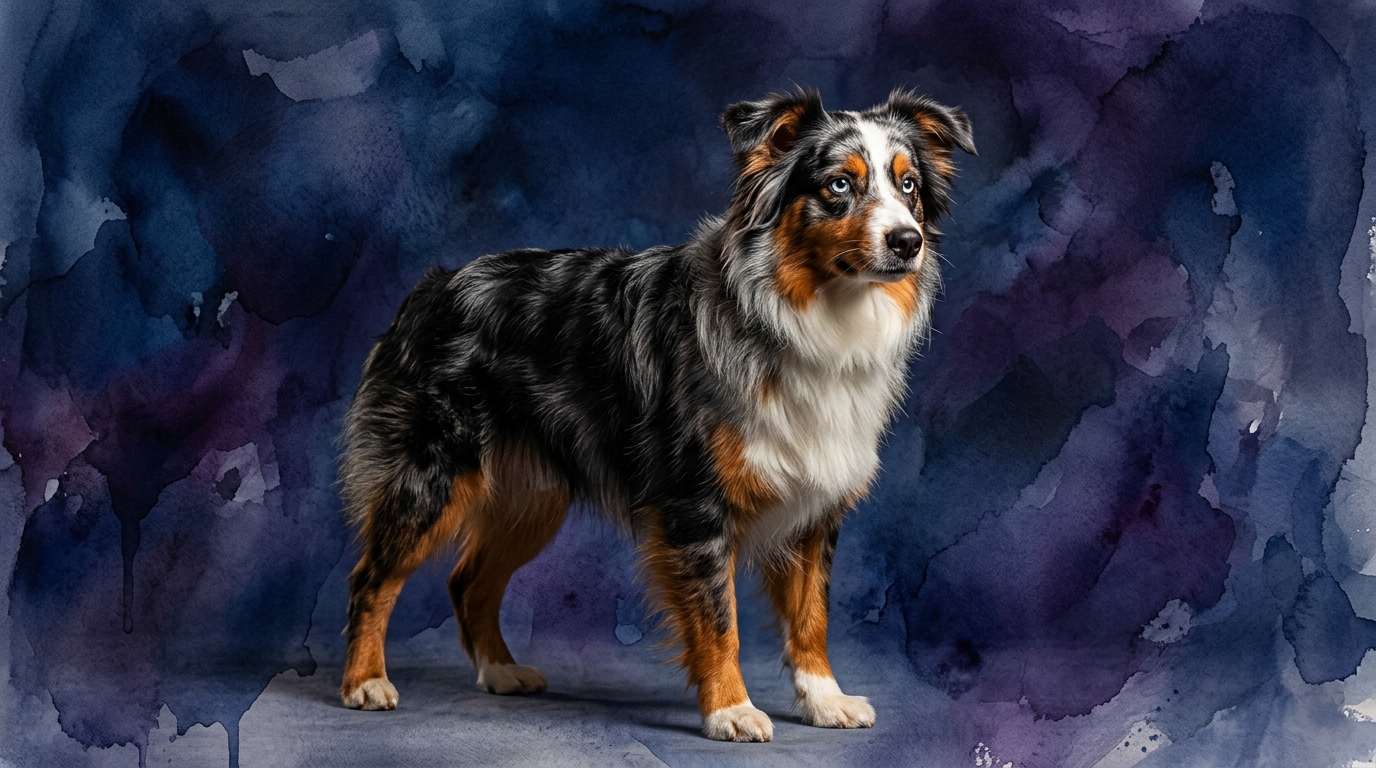
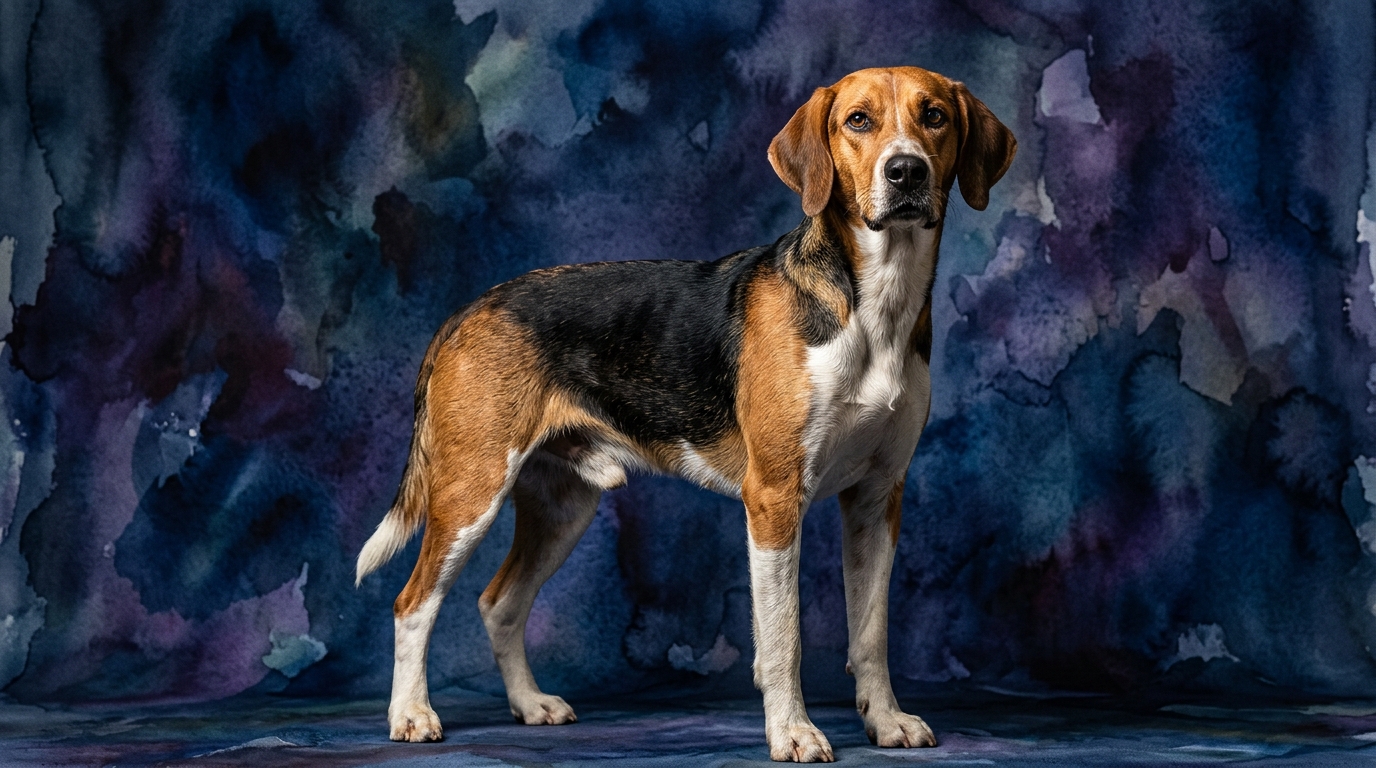
Side-by-Side Cognitive Profiles
The Miniature American Shepherd, a compact herding dog, demonstrates a Problem Solving score of 3/5 primarily through its strategic approach to livestock management. This isn't about abstract puzzles, but rather the practical application of foresight and adaptation to control movement, navigate obstacles, and respond to the unpredictable nature of a flock. Their Training Speed, also 3/5, reflects an eagerness to engage with their handler and a capacity to learn multi-step commands efficiently, especially when tasks align with their working drive. Their Social Intelligence, rated 3/5, is characterized by a strong bond and attentiveness to their human family, often displaying a nuanced understanding of human cues, though they can be reserved with strangers. An Instinctive Drive of 3/5 manifests as a strong, purposeful herding instinct, fueling their desire for purposeful work and requiring appropriate outlets. Finally, their Memory, scoring 3/5, allows them to retain complex sequences of commands, routines, and spatial awareness relevant to their tasks.
In contrast, the English Foxhound, a robust scent hound, expresses its 3/5 Problem Solving capacity through relentless, independent pursuit of scent trails. This involves complex navigation, deciphering subtle olfactory clues, and overcoming environmental challenges with singular focus. Their Training Speed, also 3/5, is notable for how quickly they grasp concepts related to their primary drive, such as scent work, but may appear slower with human-centric obedience due to their independent nature and strong intrinsic motivations. Their Social Intelligence, rated 3/5, shines in their pack dynamics, where they expertly navigate canine hierarchies; with humans, they are typically amiable and tolerant, though often less intensely focused on human directives than a herding breed. An Instinctive Drive of 3/5 is overwhelmingly dominated by their powerful scent and prey drive, which directs much of their cognitive energy and behavior. Their Memory, also 3/5, is exceptional for retaining scent profiles, intricate trail patterns, and the locations of familiar hunting grounds, often prioritizing this over human-taught commands when a compelling scent is present.
Where the Miniature American Shepherd Wins Cognitively
Despite identical numerical scores, the Miniature American Shepherd often displays a cognitive edge in tasks requiring collaborative problem-solving and adaptable responses to human direction. Their herding background has honed their ability to interpret subtle handler cues and adjust their strategy on the fly, making them adept at agility, obedience, and complex trick training. This isn't about being inherently 'smarter' in a general sense, but rather possessing a specialized cognitive framework that prioritizes partnership and responsiveness. Their Problem Solving, while rated 3/5, frequently involves anticipating human intentions and working in tandem to achieve a shared goal, a trait less pronounced in the independently-minded Foxhound.
Furthermore, the Miniature American Shepherd's social intelligence, at 3/5, often translates into a more intuitive understanding of human emotional states and communication. This allows them to integrate more seamlessly into family life, often anticipating needs or reacting sensitively to moods. While the Foxhound excels in canine social dynamics, the Miniature American Shepherd's cognitive architecture seems better wired for nuanced interspecies communication, making them potentially more versatile in roles requiring close human-animal collaboration beyond specific working tasks.
Where the English Foxhound Wins Cognitively
The English Foxhound's cognitive strengths, while scoring 3/5, lie in areas demanding incredible focus, persistence, and independent decision-making driven by their powerful olfactory senses. Their Problem Solving, rather than being collaborative, is often a solitary endeavor, involving intricate mental mapping of scent trails and relentless pursuit despite obstacles. This specialized form of intelligence allows them to excel in tracking and scent detection tasks where a human handler might only provide initial direction. Their ability to 'turn off' environmental distractions in favor of a compelling scent is a testament to their unique cognitive filtering and sustained attention.
Their memory, while also rated 3/5, is particularly impressive in its capacity for long-term retention of scent information and complex routes. A Foxhound can recall a specific scent profile encountered days or weeks prior and navigate vast territories based on olfactory landmarks. This deep-seated, instinctual memory system gives them an advantage in tasks requiring sustained, independent navigation and identification, making them unparalleled in their specific field. This cognitive specialization means they are not easily deterred from a self-assigned mission, demonstrating a mental fortitude often distinct from breeds more focused on human partnership.
Which is Easier to Train and Why
When considering ease of training, the Miniature American Shepherd generally presents a more straightforward experience for the average owner. Their 3/5 Training Speed is augmented by a strong desire to please their handler and a natural inclination towards cooperative work, inherited from their herding lineage. They thrive on positive reinforcement and clear directives, quickly grasping new commands and enjoying the mental stimulation of learning. Their attentiveness and focus on their human companions mean they are often more receptive to instruction, even amidst distractions, making basic obedience and advanced training more accessible.
The English Foxhound, while equally capable of learning (Training Speed 3/5), often requires a more patient and understanding approach to training due to their independent nature and powerful instinctive drives. Their primary motivation often lies in following a scent, and this can override human commands, making recall or focus challenging in stimulating environments. Training success with a Foxhound often hinges on making commands more rewarding than the allure of a trail, and understanding that their definition of 'problem-solving' might not align with human expectations. Their excellent memory serves their own interests first, meaning a command might be remembered but ignored if a more compelling scent is present.
Which Suits Active Owners vs. Relaxed Owners
For active owners seeking a highly engaged and cooperative partner, the Miniature American Shepherd is often a more fitting choice. Their 3/5 Instinctive Drive fuels a desire for purposeful activity, whether it's agility, flyball, hiking, or even mock herding. They thrive on mental and physical challenges that involve working alongside their human, making them ideal companions for those who enjoy structured activities and a dog deeply integrated into their active lifestyle. Their social intelligence also means they often seek out human interaction and participation in their daily routines.
Conversely, the English Foxhound, while undeniably requiring significant activity, might better suit active owners who appreciate a dog with a more independent approach to exercise. Their 3/5 Instinctive Drive means they need extensive opportunities to run, explore, and engage their powerful nose, often in long, sustained bursts. While they enjoy human company, their primary motivation for activity is often self-directed, following scents and exploring their environment. Owners must be prepared to provide secure, large spaces for them to roam or engage in scent work, understanding that their definition of 'active' might be less about human-led games and more about fulfilling their deep-seated hunting instincts independently.
The Verdict
Choose the Miniature American Shepherd if you desire a responsive, cooperative canine partner for activities and a dog deeply attuned to family dynamics.
Opt for the English Foxhound if you are an active owner who appreciates a dog's independent spirit, powerful scent drive, and unique problem-solving capabilities in the field.
🧠 Find Your Pet's IQ Score
Our Pet IQ Lab assessment covers 25+ tests across 5 cognitive dimensions — personalized to your breed.
Take the Full IQ Test →Frequently Asked Questions
Can a Miniature American Shepherd live in an apartment?
While adaptable, Miniature American Shepherds thrive with ample space and consistent mental and physical stimulation. Apartment living is possible if owners commit to daily vigorous exercise, training, and enrichment activities to satisfy their herding drive and cognitive needs.
Do English Foxhounds make good family pets?
English Foxhounds can be affectionate and tolerant family pets, especially with children, due to their pack mentality. However, their strong prey drive and independent nature mean they require consistent training, secure containment, and dedicated outlets for their energy and scenting instincts to integrate successfully into a home environment.
Are Miniature American Shepherds prone to separation anxiety?
Miniature American Shepherds form strong bonds with their families and can be prone to separation anxiety if not properly socialized and accustomed to alone time. Their social intelligence and desire for companionship mean they thrive when included in family activities and can struggle if left isolated for extended periods without adequate mental stimulation.