Side-by-Side IQ Profile
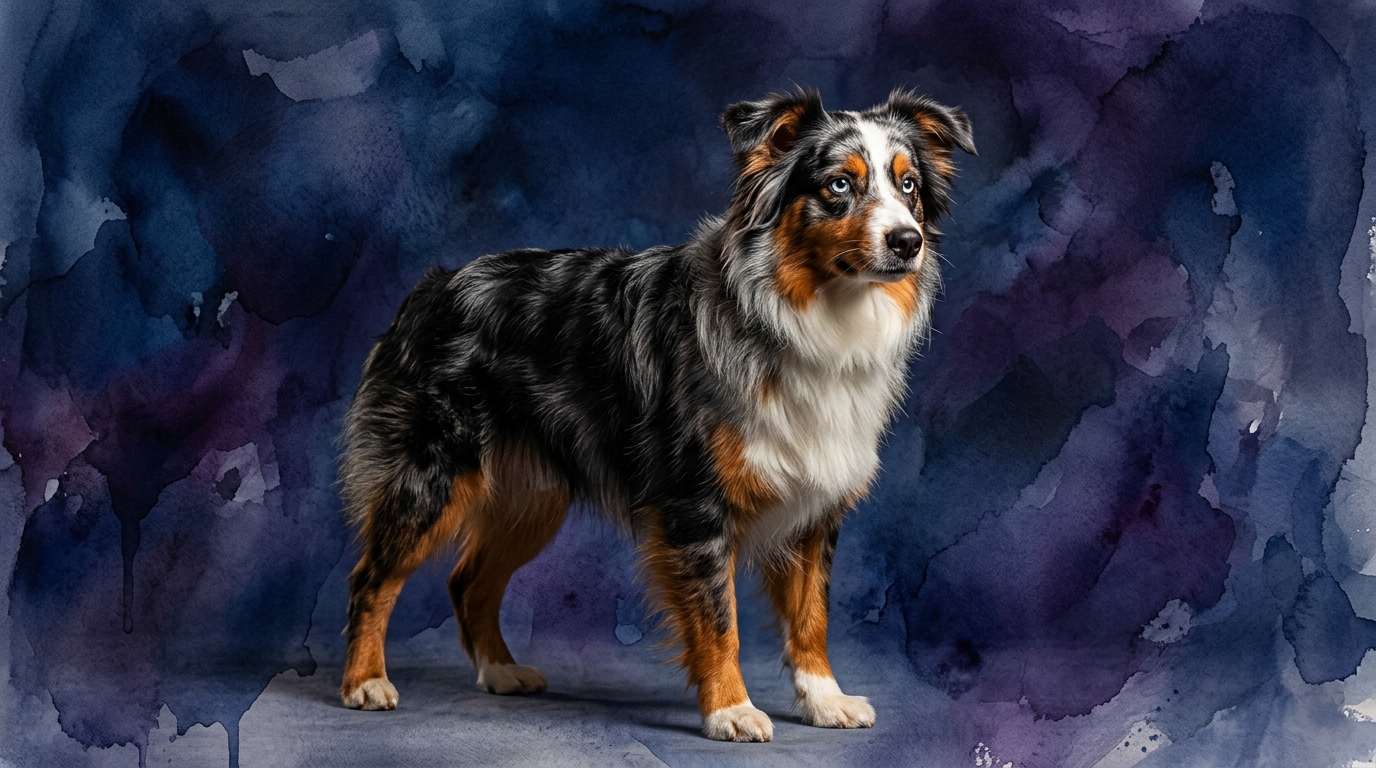
The Miniature American Shepherd, a member of the Herding group, presents a balanced cognitive profile with scores of 3 out of 5 across all five dimensions: Problem Solving, Training Speed, Social Intelligence, Instinctive Drive, and Memory. This indicates a consistent, moderate capacity for learning and adaptation, reflecting its history of managing livestock with thoughtful precision and cooperative spirit.
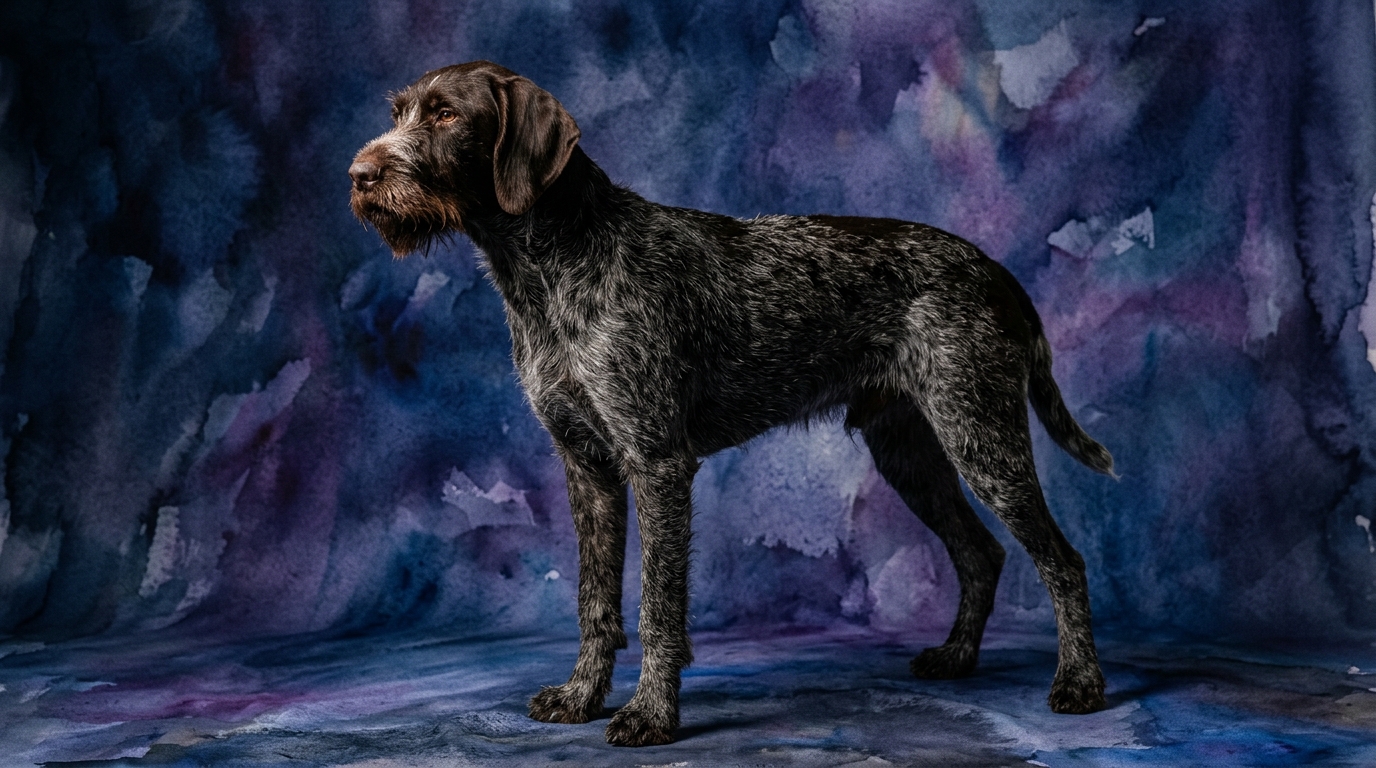
In contrast, the German Wirehaired Pointer, a Sporting breed, shows elevated abilities in several key areas. It scores 4 out of 5 in Problem Solving, Training Speed, and Memory, while maintaining a 3 out of 5 in Social Intelligence and Instinctive Drive. This breed's Coren rank of #28 further underscores its proficiency in understanding and executing complex commands, a hallmark of its dedicated hunting heritage.
These scores paint a picture of two distinct cognitive styles: the Miniature American Shepherd's generalist, adaptable intellect versus the German Wirehaired Pointer's specialized, high-capacity processing for tasks demanding focused execution and recall. Understanding these foundational differences is key to appreciating their individual cognitive strengths.
Where Miniature American Shepherd Wins Cognitively
The Miniature American Shepherd's cognitive strength lies in its balanced versatility and cooperative social intelligence. With a 3/5 in Social Intelligence, these dogs excel at reading human cues and adapting their behavior within a family unit, making them highly attuned companions. Their moderate Problem Solving (3/5) allows them to navigate everyday household challenges and learn routines without overthinking or becoming overly independent, fostering a harmonious living environment.
Furthermore, the MAS's consistent 3/5 across all categories means it possesses a well-rounded intellectual toolkit. This equilibrium makes them less prone to extreme frustrations from unmet cognitive demands compared to breeds with very high scores in specific areas. Their instinctive drive (3/5) is present but manageable, allowing them to engage in herding games or agility without overwhelming intensity, making them adaptable to various active family lifestyles.
Where German Wirehaired Pointer Wins Cognitively
The German Wirehaired Pointer clearly demonstrates cognitive advantages in areas critical for its hunting role. Its 4/5 score in Problem Solving signifies a breed capable of figuring out complex sequences and overcoming obstacles encountered in the field, such as locating hidden game or navigating challenging terrain. This cognitive agility allows them to quickly assess situations and formulate effective solutions.
Crucially, the GWP's 4/5 in Training Speed and Memory gives it a significant edge in acquiring and retaining a vast repertoire of commands and behaviors. This capacity for rapid learning and excellent recall is essential for a hunting dog that must respond instantly and reliably to handler instructions, often from a distance. Their focused nature, driven by their sporting instincts (3/5), channels this superior cognitive processing into purposeful action, making them exceptionally effective working partners.
Which Is Easier to Train and Why
Based on their respective Training Speed scores, the German Wirehaired Pointer (4/5) is generally easier to train than the Miniature American Shepherd (3/5). The GWP's higher score indicates a quicker grasp of new commands and a stronger inclination to respond to instruction, often requiring fewer repetitions to solidify a behavior. This is directly linked to their historical role needing precise, immediate responses in dynamic hunting scenarios.
The GWP's enhanced memory (4/5) also plays a crucial role, allowing them to retain learned behaviors and cues over longer periods and generalize them to different environments more readily. While the Miniature American Shepherd is certainly trainable and eager to please, its moderate training speed means owners might need more patience and consistency in their methods, building on its cooperative social intelligence rather than relying on rapid acquisition.
Which Suits Active Owners vs. Relaxed Owners
Neither of these breeds is particularly suited for truly relaxed owners, as both possess significant energy and cognitive needs. However, the German Wirehaired Pointer, with its strong instinctive drive (3/5) and high problem-solving capacity (4/5), thrives with active owners who can provide consistent, challenging mental and physical engagement, ideally involving activities that tap into its sporting heritage like hunting, tracking, or advanced obedience. They require purposeful work to prevent boredom and destructive behaviors.
The Miniature American Shepherd, while also active and requiring regular exercise, might be a better fit for active owners whose lifestyle is more varied than intensely focused on a single activity. Its balanced cognitive profile and moderate instinctive drive (3/5) mean it enjoys a range of activities from agility to disc dog, but its needs are often met through a blend of family interaction, structured play, and moderate exercise rather than the relentless, task-oriented drive of the GWP.
The Verdict
Choose the Miniature American Shepherd if you seek a versatile, cooperative companion with a balanced cognitive profile, adaptable to a variety of active family pursuits without requiring extreme, specialized mental challenges. Its moderate intelligence makes it an enjoyable, engaged partner for a range of activities.
Opt for the German Wirehaired Pointer if you are an experienced, highly active owner committed to providing consistent, challenging mental and physical work, especially if you appreciate a dog with superior problem-solving, rapid training acquisition, and exceptional memory for complex tasks like field work or advanced dog sports.
🧠 Find Your Pet's IQ Score
Our Pet IQ Lab assessment covers 25+ tests across 5 cognitive dimensions — personalized to your breed.
Take the Full IQ Test →Frequently Asked Questions
Do Miniature American Shepherds need a lot of mental stimulation?
Yes, Miniature American Shepherds need regular mental stimulation due to their herding background and balanced cognitive profile (3/5 in all IQ dimensions). They thrive on learning new tricks, puzzle toys, and participating in dog sports like agility or obedience to keep their minds engaged and prevent boredom.
Is a German Wirehaired Pointer suitable for a first-time dog owner?
A German Wirehaired Pointer, with its high problem-solving ability (4/5), rapid training speed (4/5), and strong instinctive drive, can be challenging for a first-time dog owner. They require consistent, firm, and knowledgeable training, along with significant physical and mental exercise to channel their focused energy effectively.
How do their social intelligence scores impact their family life?
Both breeds score 3/5 in social intelligence, indicating they are generally good at understanding human social cues and integrating into a family. This means both breeds are capable of forming strong bonds and are responsive to their human companions, though the MAS might lean slightly more into cooperative family dynamics due to its herding heritage focus on group cohesion.