Side-by-Side IQ Profile: Herder vs. Guardian Cognition
The Cosmic Pet Pet IQ Lab assesses five core dimensions of canine intelligence, providing a nuanced understanding of how breeds approach the world. For both the Miniature American Shepherd (MAS) and the Komondor, each dimension is rated 3 out of 5, indicating a solid, functional level of cognitive ability, but the application of these abilities diverges significantly based on their ancestral roles.
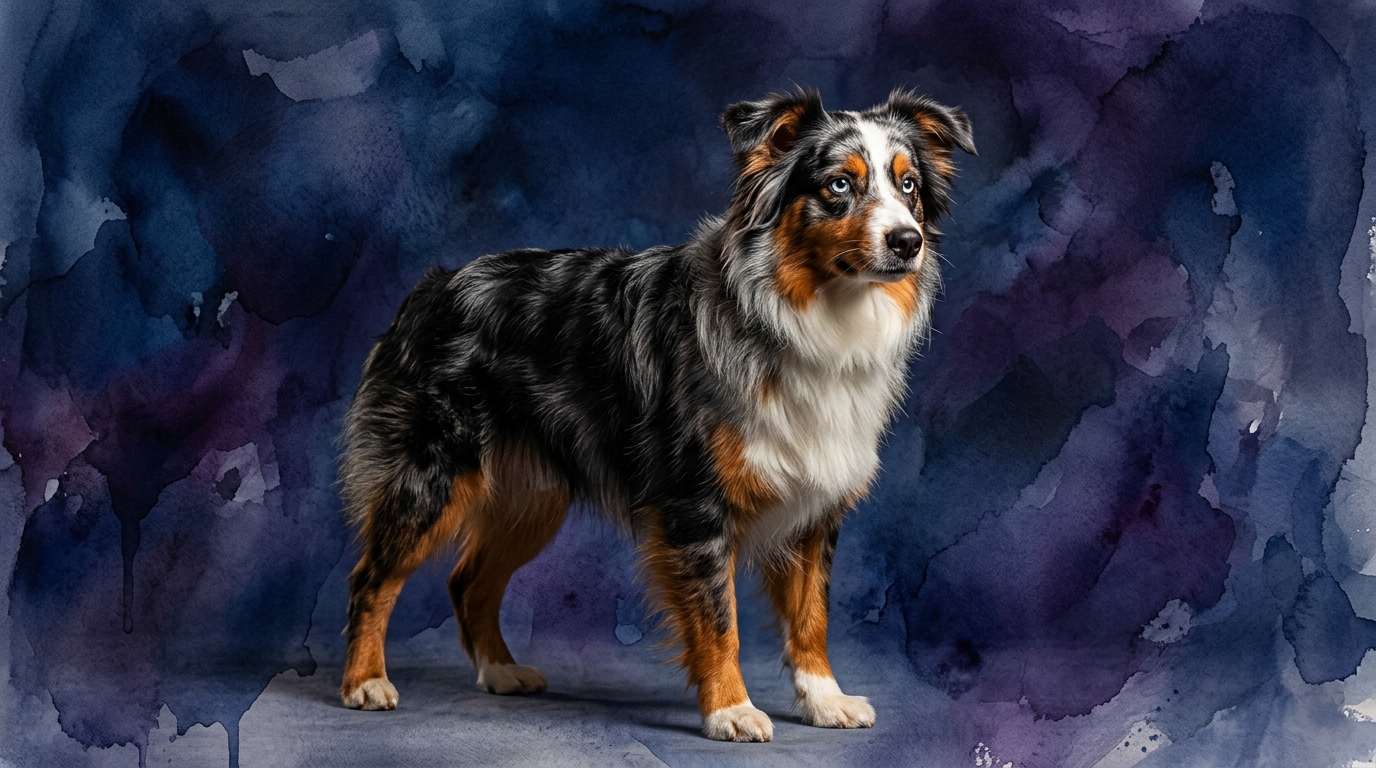
**Miniature American Shepherd (Herding)**: This breed, while not Coren-ranked, demonstrates its cognitive strengths through its herding heritage. Its **Problem Solving (3/5)** is often applied to understanding complex commands and navigating obstacles in a dynamic environment, such as moving livestock or excelling in agility courses, focusing on achieving a shared goal with a handler. **Training Speed (3/5)** for the MAS is typically steady, as they learn new routines and commands with consistent positive reinforcement, driven by a desire to work cooperatively. Their **Social Intelligence (3/5)** shines in their attunement to human cues and family dynamics, forming strong bonds and responding well to emotional nuances within their established social circle. The **Instinctive Drive (3/5)** is prominently their herding impulse, an innate desire to gather and control movement, which requires channeling through appropriate outlets. Finally, their **Memory (3/5)** is reliable for recalling learned behaviors, commands, and environmental routines, crucial for consistent performance in various activities.
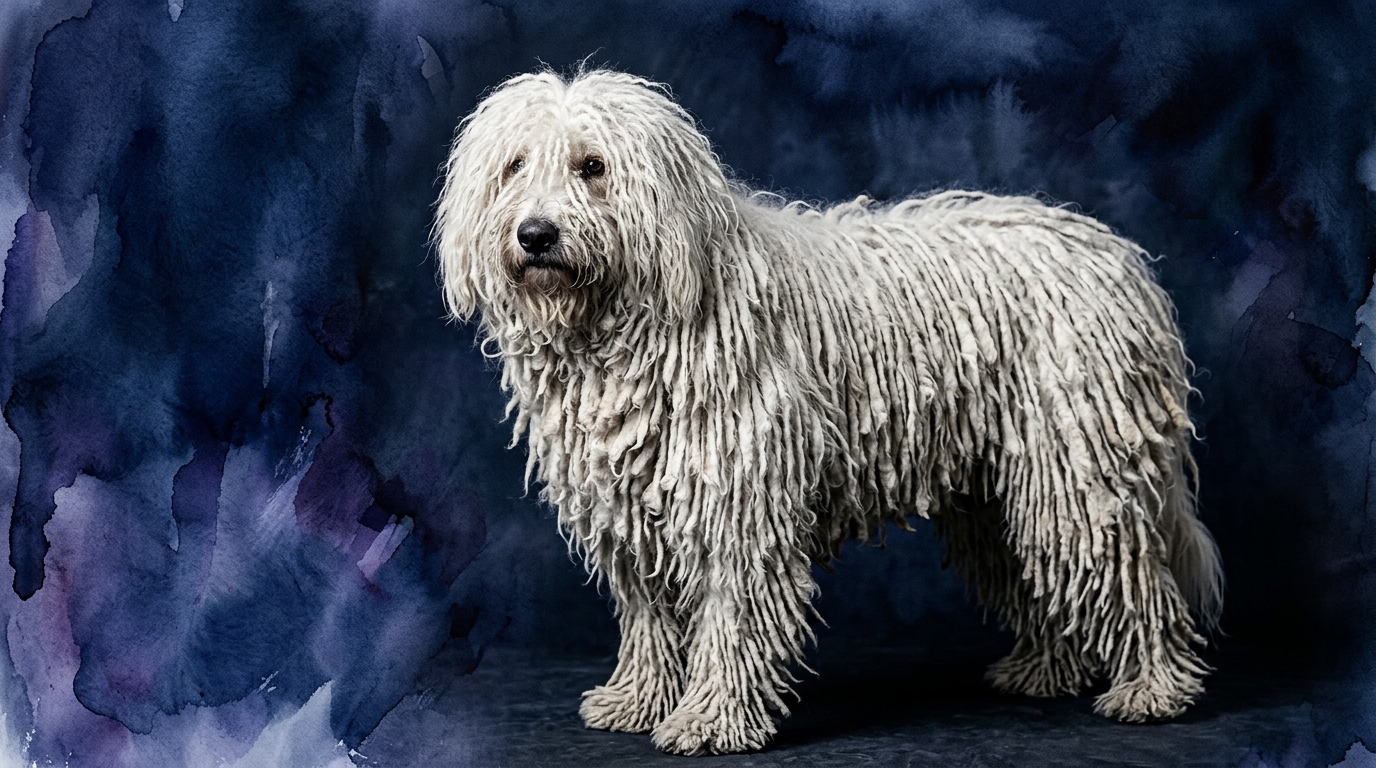
**Komondor (Working)**: Ranked #67 by Coren, the Komondor’s cognitive profile is shaped by its role as an independent livestock guardian. Its **Problem Solving (3/5)** centers on autonomous decision-making in protecting its charges, assessing threats and determining appropriate responses without direct human command, prioritizing vigilance and security. The Komondor’s **Training Speed (3/5)** is consistent, but they often require a different approach; they absorb information steadily but may only comply if they perceive the command as logical or necessary for their duties, rather than simply to please. Their **Social Intelligence (3/5)** is acutely tuned to their charges and territory, discerning friend from potential foe, though their interactions outside their trusted circle can be reserved and watchful. The **Instinctive Drive (3/5)** is their powerful guarding impulse, manifesting as a territorial and protective nature that demands early, consistent socialization. Their **Memory (3/5)** is robust for faces, routines, and identifying threats or safe zones within their environment, allowing them to build a comprehensive mental map of their domain over time.
Where the Miniature American Shepherd Wins Cognitively
The Miniature American Shepherd excels in cognitive tasks demanding intricate cooperation and rapid, precise responses to handler cues. Their biddability and eagerness to engage in structured activities are cognitive strengths, making them highly receptive to complex command sequences essential in sports like agility, obedience, or herding trials. They process and react to new information quickly when working alongside a human partner, demonstrating an adaptable problem-solving approach geared towards collaborative efforts. Their social intelligence is often more outwardly expressed and generalized, allowing them to adapt to diverse social settings with relative ease, actively seeking interaction and guidance from their human companions.
Where the Komondor Wins Cognitively
Komondors demonstrate a distinct cognitive advantage in autonomous decision-making and strategic, long-term observation. Their problem-solving is less about following step-by-step instructions and more about independent assessment of environmental factors and potential threats, which is a critical skill for a guardian. This breed excels at sustained vigilance and discerning subtle changes in their surroundings, often making their own judgments about the necessity of intervention. Their memory is particularly strong for territorial boundaries and the recognition of safe individuals versus potential intruders, allowing them to build a complex mental map of their domain and its inhabitants over time without needing constant reinforcement.
Which is Easier to Train, and Why?
The Miniature American Shepherd is generally considered easier to train for obedience and performance tasks due to its inherent desire to work cooperatively with its handler. They are typically motivated by praise, treats, and the opportunity to engage in activity, making them responsive to traditional training methods. Their herding background means they are accustomed to taking direction and adapting their actions based on human input, often seeking to please. This makes their training speed more consistent and predictable for a wide range of commands.
In contrast, the Komondor’s training requires a different philosophical approach. Their independent guardian nature means they often question commands, evaluating whether the instruction aligns with their perceived duties or makes logical sense from their perspective. They are less driven by the desire to please and more by their own assessment of a situation, which can make training slower and require more patience, consistency, and a deep understanding of their innate motivations. While they learn, their compliance is often predicated on respect and perceived necessity rather than blind obedience, meaning an owner must earn their cooperation through trust and clear communication rather than simply issuing commands.
Which Suits Active Owners vs. Relaxed Owners?
The Miniature American Shepherd is a better fit for active owners who are prepared to provide consistent mental and physical engagement. Their energetic disposition and cognitive drive for activity mean they thrive with structured exercise, advanced training, and participation in dog sports. Owners who enjoy hiking, agility, obedience, or regular, engaging training sessions will find a willing and capable partner in a MAS, as their minds and bodies require purposeful outlets to prevent boredom and destructive behaviors.
Conversely, the Komondor, while requiring space and consistent interaction, is more suited for owners who appreciate a dog with a relaxed, watchful demeanor rather than one that constantly seeks active participation. They are not typically "go-go-go" dogs in the same way a herding breed might be; their activity often involves patrolling, observing, and maintaining their territory. Relaxed owners, perhaps with a large, securely fenced property, who understand and respect the Komondor's independent nature and guardian instincts, will find a devoted, albeit self-directed, companion. They are not dogs for casual strolls in crowded parks; their focus is on their domain and family.
The Verdict
Choose the Miniature American Shepherd if you seek an engaged, cooperative partner for active pursuits and enjoy a dog eager to learn and participate in structured training and sports.
Opt for the Komondor if you value an independent, watchful guardian who thrives on purposeful observation and requires an owner who respects its self-reliant decision-making and territorial instincts.
🧠 Find Your Pet's IQ Score
Our Pet IQ Lab assessment covers 25+ tests across 5 cognitive dimensions — personalized to your breed.
Take the Full IQ Test →Frequently Asked Questions
Do Miniature American Shepherds need a "job" to be content?
Yes, Miniature American Shepherds generally thrive when given a purpose. Their herding instincts and cognitive drive mean they benefit greatly from activities like obedience, agility, herding trials, or even complex puzzle toys, which channel their energy and keep their minds engaged, preventing boredom and potential behavioral issues.
How does a Komondor's guarding instinct affect its social behavior with strangers?
A Komondor's strong guarding instinct often translates to a reserved and watchful demeanor around strangers. While not typically aggressive without cause, they are naturally suspicious and will evaluate new individuals carefully, requiring proper early socialization to ensure they differentiate between welcome guests and potential threats rather than reacting to every new person.
Can a Miniature American Shepherd live in an apartment?
While adaptable, a Miniature American Shepherd can live in an apartment if their significant exercise and mental stimulation needs are consistently met. Daily vigorous walks, training sessions, and interactive play are crucial to prevent boredom and ensure their well-being in a smaller living space, as their energy levels are considerable.