Side-by-Side Cognitive Profile: Unpacking the 3/5 Score
The Cosmic Pet Pet IQ Lab assigns both the Miniature American Shepherd and the Pekingese identical scores of 3/5 across all five cognitive dimensions: problem-solving, training speed, social intelligence, instinctive drive, and memory. This numerical equivalence, however, belies the distinct ways each breed applies these capacities within their unique world. Understanding what a '3/5' means for each breed requires looking beyond the number to their inherent predispositions and historical roles.
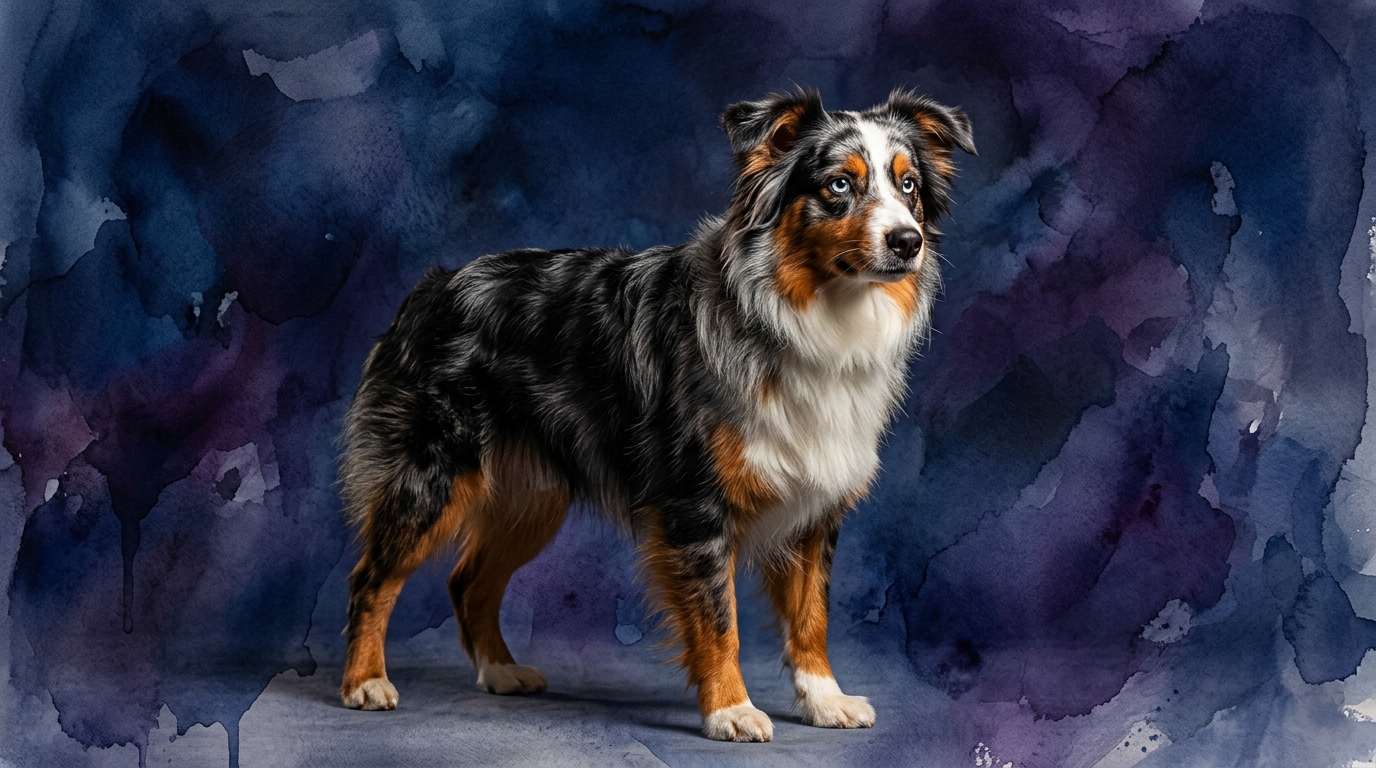
For the Miniature American Shepherd, a 3/5 in problem-solving reflects their capacity to assess dynamic situations, such as maneuvering livestock through a course or navigating an agility run, adapting their approach based on real-time feedback. Their intelligence is practical, focused on environmental challenges and task completion. A 3/5 in training speed indicates a good aptitude for learning new commands and routines with moderate repetition, picking up new tasks efficiently when motivated by a clear purpose. Their social intelligence at 3/5 points to an ability to read handler cues and integrate into family dynamics, understanding subtle shifts in human mood or expectation. The 3/5 in instinctive drive is a direct nod to their herding heritage, manifesting as an innate desire to gather, control, and work, which is typically manageable. Finally, a 3/5 memory suggests they retain learned behaviors, commands, and routines effectively over time, building upon previous training.
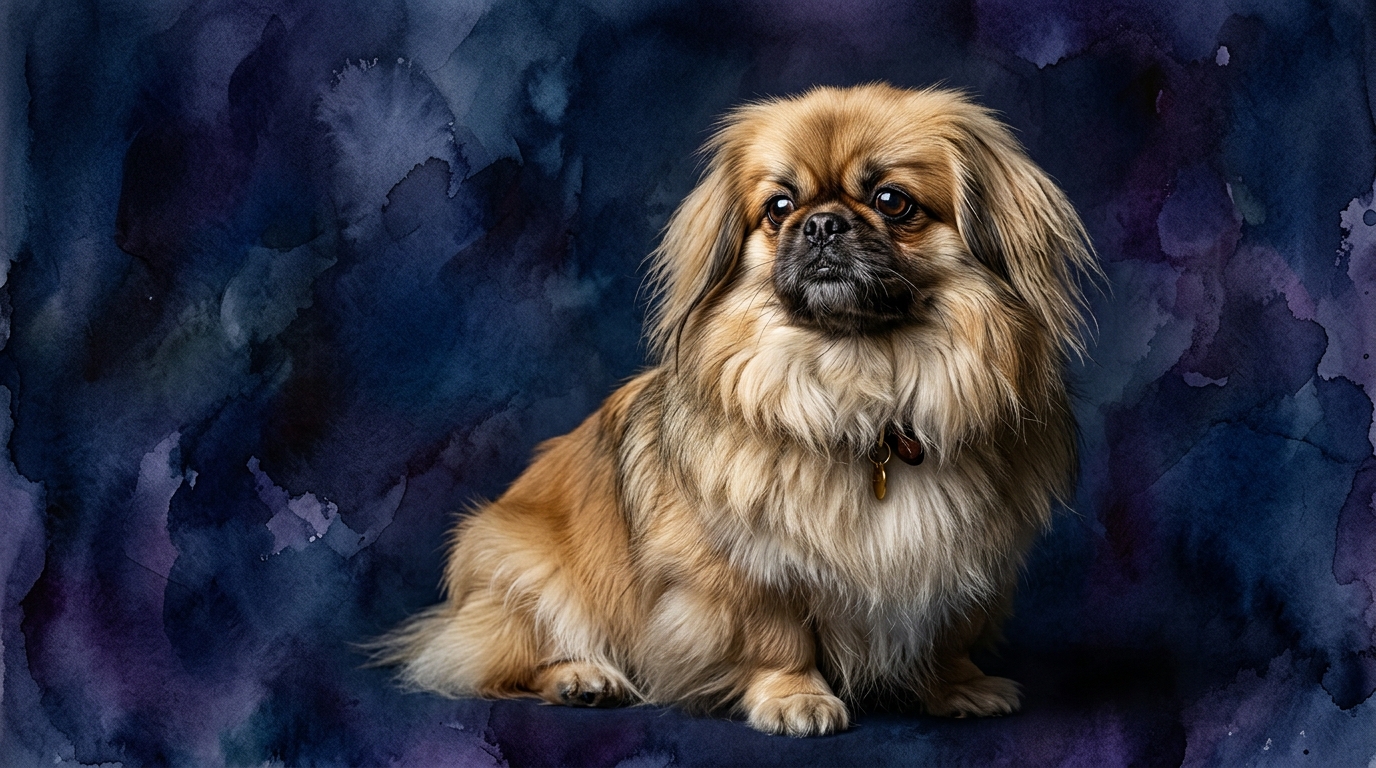
Conversely, for the Pekingese, a 3/5 in problem-solving often translates to navigating their domestic environment with shrewdness, figuring out how to access preferred resting spots, obtain treats, or communicate their desires effectively to their human companions. Their intelligence is frequently applied to personal comfort and social manipulation within the home. A 3/5 in training speed means the Pekingese can learn basic commands and house rules at a reasonable pace, though their motivation might differ from a working breed, responding well to positive reinforcement when the reward is highly valued. Their 3/5 social intelligence is evident in their deep understanding of their family's routines and emotional states, often displaying a keen awareness of who needs comforting or attention and forming profound bonds. The 3/5 instinctive drive in a Pekingese typically manifests as a strong companion drive, a desire for closeness and protection of their territory and family, rather than a predatory or working instinct, alongside a confident, sometimes aloof, demeanor. A 3/5 memory allows the Pekingese to recall routines, preferred people, and past interactions with clarity, remembering what works to get their way and which boundaries are consistently enforced.
Where the Miniature American Shepherd Excels Cognitively
While both breeds score identically in our IQ dimensions, the Miniature American Shepherd's cognitive strengths often shine in contexts requiring sustained engagement with complex, multi-step tasks. Their herding background cultivates a specific type of problem-solving that involves anticipating movement, adjusting strategies on the fly, and maintaining focus amidst distractions. This manifests as superior performance in activities like agility courses, obedience trials, or scent work, where they must process multiple cues simultaneously and execute precise actions. Their cognitive framework is geared towards active participation and collaborative work, making them adept at learning and applying intricate sequences of commands in dynamic environments.
Where the Pekingese Excels Cognitively
Conversely, the Pekingese often demonstrates a distinct cognitive advantage in understanding and influencing human social dynamics. Their problem-solving isn't about herding sheep but about navigating the nuances of a household, often figuring out the quickest route to a lap or the most effective bark to signal a desire. Their social intelligence, while rated the same numerically, translates into a profound ability to read subtle human emotional cues and adapt their behavior to elicit desired responses, whether it's comforting a sad owner or charming a treat out of a visitor. They excel at observation and leveraging their charismatic presence to achieve their domestic objectives, showcasing a sophisticated form of situational awareness within their immediate social circle.
Training Dynamics: Eagerness vs. Independence
Despite both breeds having a 3/5 training speed, the Miniature American Shepherd generally presents as easier to train for obedience and task-oriented commands due to fundamental behavioral differences. Their strong instinctive drive to work and please their handler, coupled with a high energy level, makes them highly motivated by positive reinforcement and the opportunity to engage in structured activities. They thrive on having a 'job' and are eager to learn new skills, often requiring less repetition to solidify a command. The Pekingese, while capable of learning, possesses a more independent and sometimes stubborn temperament. Their motivation is often rooted in personal comfort or immediate reward, rather than a strong desire to 'work' for the sake of it. Training a Pekingese requires immense patience, consistency, and finding high-value rewards tailored to their preferences, as they are less inclined to perform simply to please.
Matching Lifestyles: Active Partners vs. Content Companions
The choice between these two breeds largely depends on an owner's lifestyle and their willingness to engage with their dog's inherent needs. The Miniature American Shepherd is an ideal companion for active owners who relish outdoor adventures, dog sports, or simply long, engaging walks. Their robust physical and mental energy demands consistent outlets, making them a perfect fit for individuals or families who enjoy hiking, agility, flyball, or advanced obedience. Without sufficient mental and physical stimulation, their cognitive energy can manifest as undesirable behaviors. In contrast, the Pekingese is exceptionally well-suited for more relaxed owners or those with a less physically demanding lifestyle. While they enjoy short strolls and indoor play, their exercise needs are modest, making them content with cozy companionship and a secure home environment. They flourish with owners who appreciate their independent spirit and are prepared to offer consistent affection and gentle leadership.
The Verdict
Opt for the Miniature American Shepherd if you are an active individual or family seeking a highly engaged canine partner for sports, adventures, and consistent mental stimulation, ready to channel their keen working intelligence.
Choose the Pekingese if you desire a devoted, charming, and relatively low-energy companion who excels at understanding household dynamics and thrives on close human connection within a relaxed home environment.
🧠 Find Your Pet's IQ Score
Our Pet IQ Lab assessment covers 25+ tests across 5 cognitive dimensions — personalized to your breed.
Take the Full IQ Test →Frequently Asked Questions
Do Miniature American Shepherds need a lot of mental stimulation?
Yes, their herding background and 3/5 cognitive scores across the board mean Miniature American Shepherds thrive on mental challenges. They benefit greatly from puzzle toys, training sessions, and activities that engage their problem-solving and instinctive drives to prevent boredom.
Are Pekingese difficult to housetrain?
Pekingese can sometimes be challenging to housetrain due to their independent nature and smaller bladder size, which requires more frequent outdoor access. Consistency, positive reinforcement, and a strict schedule are crucial for success, as they respond best when routines are clear.
Can a Pekingese participate in dog sports?
While not typically built for high-impact sports like agility, a Pekingese can certainly participate in less strenuous activities that appeal to their cognitive abilities, such as scent work or basic obedience. Their social intelligence and memory make them capable learners, provided the activity is adapted to their physical limitations and motivation.