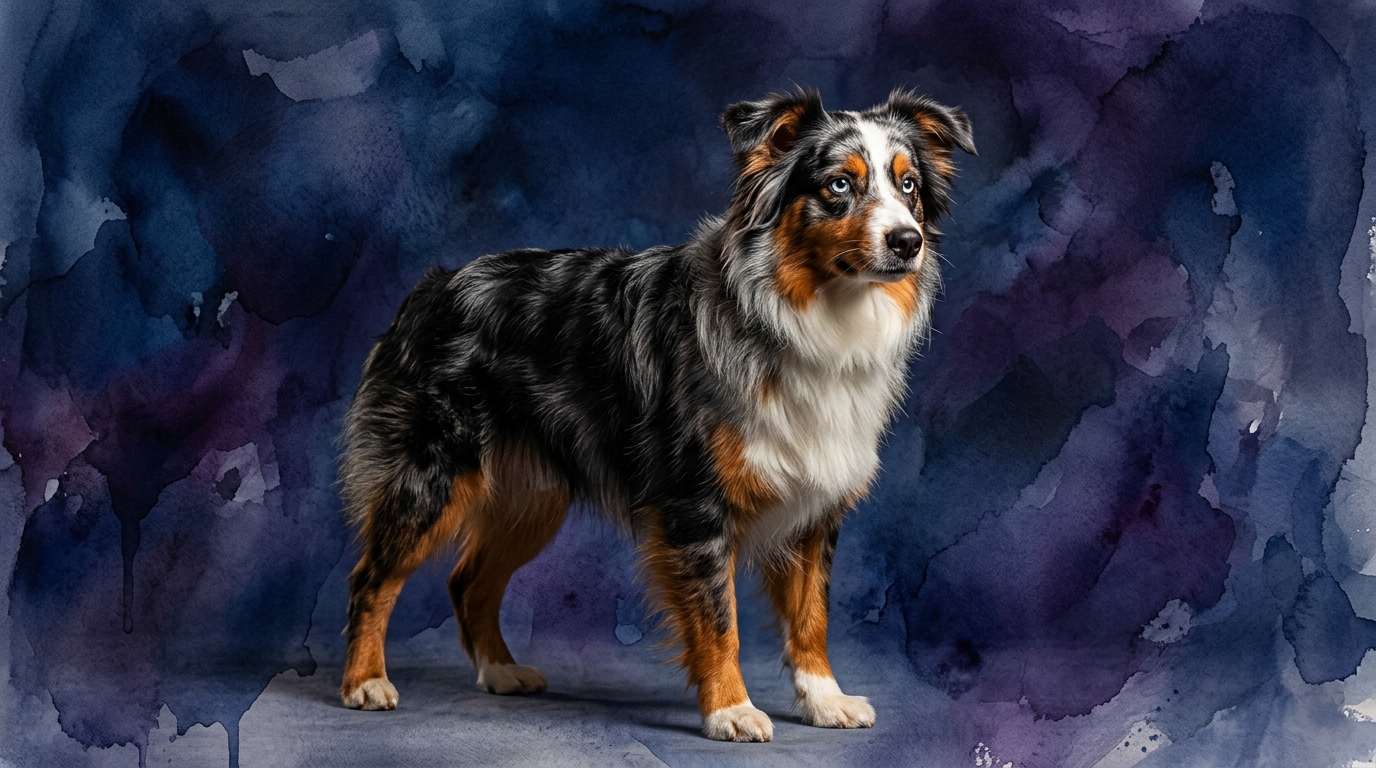
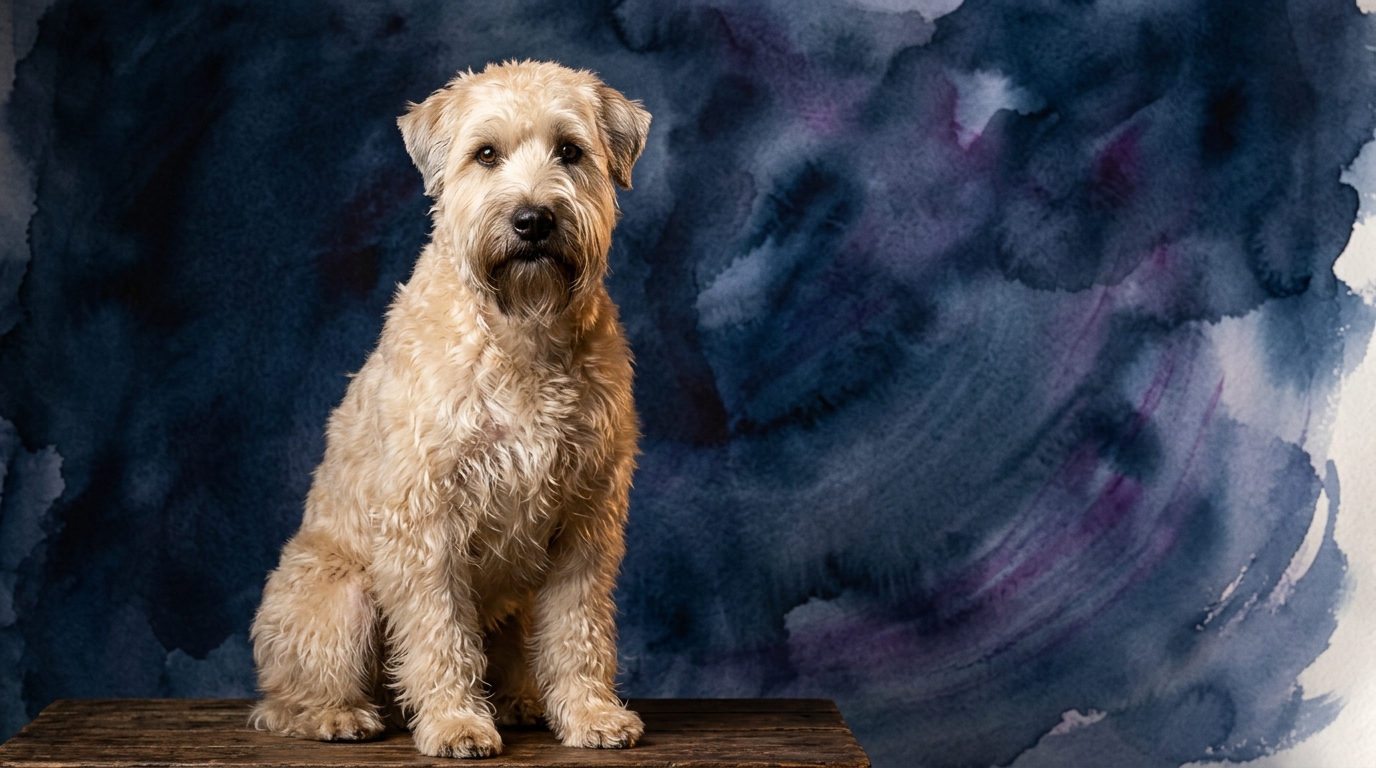
Side-by-Side Cognitive Profiles
The Miniature American Shepherd (MAS), originating from a herding lineage, typically exhibits a 3/5 in Problem Solving that manifests as an aptitude for strategic thinking in complex, multi-variable situations, such as maneuvering livestock through gates or navigating intricate agility courses with precision and purpose. Their ability to anticipate and react makes them effective in dynamic environments. Their Training Speed, also at 3/5, reflects a general eagerness to please and a quick grasp of sequential commands, though their independent herding instinct means they aren't purely rote learners; they often analyze the 'why' behind a command. Social Intelligence at 3/5 for the MAS points to their strong bond with their primary handler and family 'pack,' often showing discernment in new social situations, assessing intentions and energy levels rather than blindly engaging. Their Instinctive Drive is prominently a 3/5 for herding, requiring outlets for their natural desire to gather and control, which can translate into strong focus in dog sports or a tendency to 'manage' family members if not properly channeled. Finally, their Memory at 3/5 allows them to retain intricate routines, command sequences, and the layout of their environment, making them highly reliable partners in predictable settings, remembering past successes and failures.
As a terrier, the Soft Coated Wheaten Terrier (SCWT) typically displays a 3/5 in Problem Solving that leans towards independent, persistent approaches to overcome obstacles, particularly those involving digging, chasing, or manipulating objects to achieve a goal, rather than collaborative strategy. They will often try multiple methods until one succeeds. Their Training Speed at 3/5 indicates they learn effectively, but often require consistent, positive reinforcement to maintain focus, as their independent streak can lead to selective hearing or a preference for self-directed activity. The SCWT's Social Intelligence at 3/5 is characterized by a generally outgoing, joyful demeanor towards people, often greeting strangers with enthusiastic 'Wheaten Greetin's,' though they can be less subtle in reading social cues from other dogs, sometimes leading to boisterous interactions. Their Instinctive Drive at 3/5 is deeply rooted in their terrier heritage, manifesting as a strong prey drive, a propensity for digging, and a tenacious pursuit of small game, needing appropriate redirection through secure yards and engaging play. Their Memory at 3/5 is robust for remembering people, places, and learned tricks, especially those associated with positive, exciting experiences, though they might 'forget' commands when a more interesting scent or sight captures their attention.
Where Miniature American Shepherd Wins Cognitively
The Miniature American Shepherd's cognitive strengths shine particularly in environments that demand structured collaboration and a keen awareness of spatial dynamics. Their herding heritage gives them an edge in tasks requiring the anticipation of movement, such as guiding objects or people, and their problem-solving often involves strategic planning rather than brute force or singular focus. This breed excels at understanding complex sequences of commands and adapting them slightly to new contexts, demonstrating an ability to generalize learned behaviors more readily within a framework. They can quickly grasp multi-step instructions and execute them with precision, making them exceptional partners in competitive obedience or rally. Their social intelligence is finely tuned to their immediate human companions, allowing them to pick up on subtle cues and intentions from their handler, fostering a highly cohesive working relationship built on mutual understanding. This makes them particularly adept at intricate dog sports where precision, speed, and handler communication are paramount for success.
Where Soft Coated Wheaten Terrier Wins Cognitively
The Soft Coated Wheaten Terrier demonstrates a distinct cognitive advantage in situations demanding independent initiative and persistent, often physical, problem-solving. Their terrier instincts equip them with a unique tenacity when faced with a challenge, whether it's figuring out how to get to a hidden toy or manipulating a gate latch to explore. Their problem-solving at a 3/5 is less about strategic planning for a group and more about individual resourcefulness, often involving trial-and-error and a willingness to push boundaries until a solution is found. This breed often exhibits a remarkable ability to adapt to varied social settings, often charming new acquaintances with their exuberant personality and quickly assessing which humans are most likely to offer positive interaction or a game. Their memory for exciting events or rewarding behaviors can be exceptionally strong, making them quick to recall tricks or routines that yield high-value treats or playtime, even if their independent nature means they sometimes choose to ignore commands for a more pressing 'terrier' task. Their resourcefulness makes them incredibly adaptable to changing daily routines.
Which is Easier to Train and Why
When considering ease of training, the Miniature American Shepherd generally holds an advantage due to their inherent desire to work with and please their handler. Their herding background predisposes them to pay close attention to human direction and to respond promptly to commands, making them highly receptive to structured lessons and consistent routines. While they possess independent thought, it's often applied within the context of fulfilling a task for their human partner, leading to a quicker acquisition of complex commands and a more consistent performance in various environments; their focus is generally on their handler. The Soft Coated Wheaten Terrier, while certainly capable of learning, often presents a greater challenge due to their independent terrier spirit and occasional stubbornness. Their 3/5 training speed is often tempered by a strong self-will and a tendency to prioritize their own interests, such as a compelling scent or a desire to explore, over handler instructions. Training a Wheaten requires more patience, creativity, and a consistent use of high-value rewards to keep them engaged, as their focus can waver if the task isn't immediately stimulating or if they perceive a more exciting alternative. Their independence means they often need to believe the training is their idea.
Which Suits Active Owners vs Relaxed Owners
Both breeds benefit from active engagement, but their ideal activity profiles differ significantly. The Miniature American Shepherd, with its strong herding drive and mental acuity, thrives with owners who can provide structured activities that tap into their cognitive and physical needs. This includes daily vigorous exercise, such as long runs or hikes, coupled with regular mental stimulation through consistent training sessions, dog sports like agility, flyball, or herding trials, and puzzle toys that challenge their problem-solving skills. They are best suited for active owners who enjoy a partnership in activities and can dedicate time to consistent training and mental enrichment, providing a purpose for their intelligent energy. A relaxed owner might find a MAS becomes bored and potentially destructive, overly vocal, or attempts to 'herd' family members if their substantial needs for activity and purpose are not met.
The Soft Coated Wheaten Terrier also requires significant activity, but their needs are often met through more varied, less structured outlets. They enjoy playful interactions, brisk walks, and opportunities to explore and chase in a secure area, satisfying their terrier instincts for digging and pursuit. While they can participate in dog sports, their motivation often comes from the sheer joy of the activity and interacting with their owner, rather than a desire to precisely follow complex commands for their own sake. They are well-suited for active owners who appreciate a playful, jovial companion for outdoor adventures and who can provide consistent, engaging playtime and mental challenges that cater to their independent spirit, like scent work or interactive games. A relaxed owner might struggle with a Wheaten's energetic bursts and need for consistent engagement, which, if ignored, can lead to boisterous behavior, excessive digging, or persistent attention-seeking.
The Verdict
Choose the Miniature American Shepherd if you seek a highly engaged, collaborative partner for structured activities like dog sports or work, valuing their focused intelligence and eagerness to please.
Opt for the Soft Coated Wheaten Terrier if you desire an independently spirited, joyful companion for varied outdoor adventures, appreciating their tenacious problem-solving and exuberant social nature.
🧠 Find Your Pet's IQ Score
Our Pet IQ Lab assessment covers 25+ tests across 5 cognitive dimensions — personalized to your breed.
Take the Full IQ Test →Frequently Asked Questions
Do Miniature American Shepherds or Soft Coated Wheaten Terriers handle new situations better?
Miniature American Shepherds often excel in new situations that offer a clear structure or a problem to be solved within a known framework, leveraging their analytical skills. Soft Coated Wheaten Terriers tend to approach new situations with exuberant curiosity and independent exploration, often adapting quickly through playful investigation.
Are these breeds good with children given their intelligence levels?
Both breeds can be good with children, but their approaches differ. Miniature American Shepherds might try to 'herd' children due to their instincts, requiring supervision and training, while Soft Coated Wheaten Terriers are generally playful and affectionate, though their exuberance might be overwhelming for very young children.
How do their instinctive drives impact their daily life and training?
The Miniature American Shepherd's herding drive means they benefit from tasks that give them a purpose, which can be channeled into sports or focused training. The Soft Coated Wheaten Terrier's strong prey drive and digging instinct require secure environments and consistent redirection, making early socialization and leash training particularly important.