Side-by-Side IQ Profile: Unpacking Identical Scores
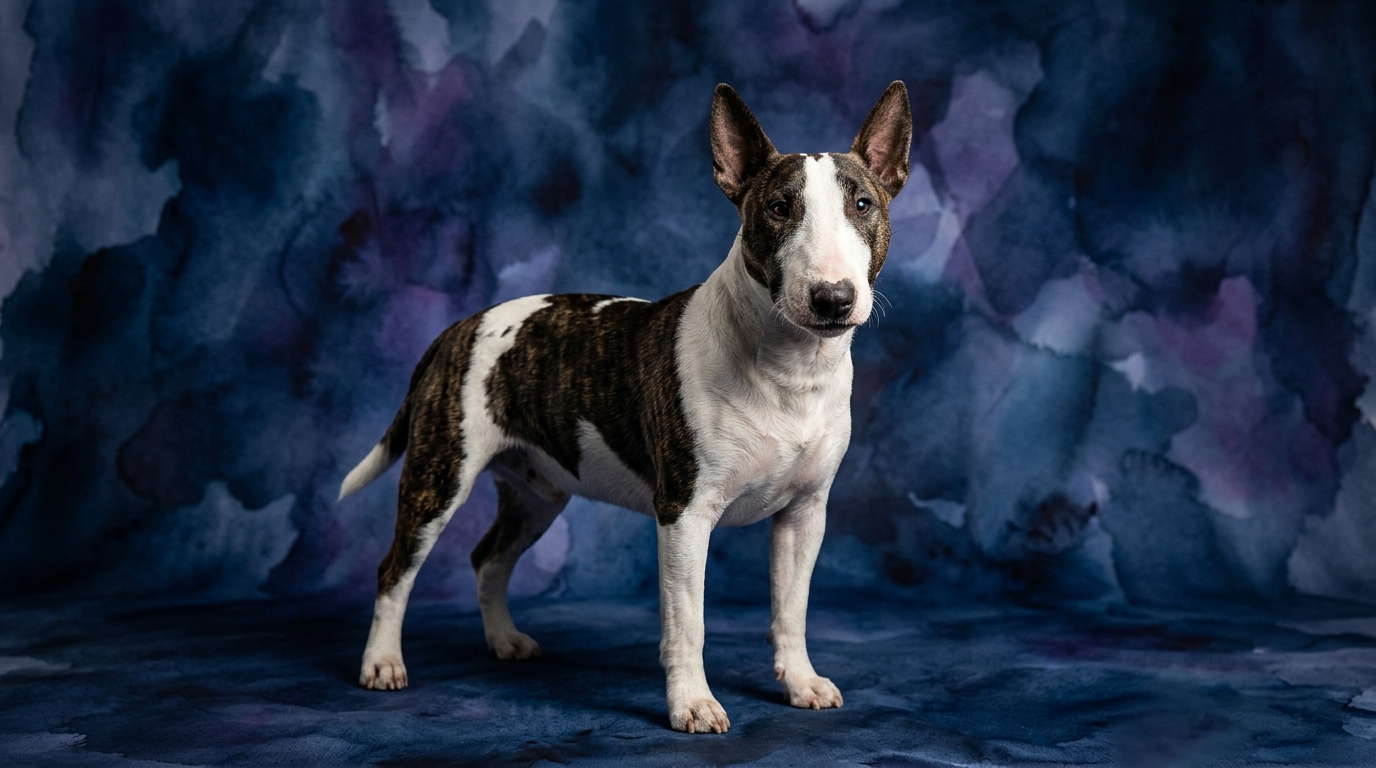
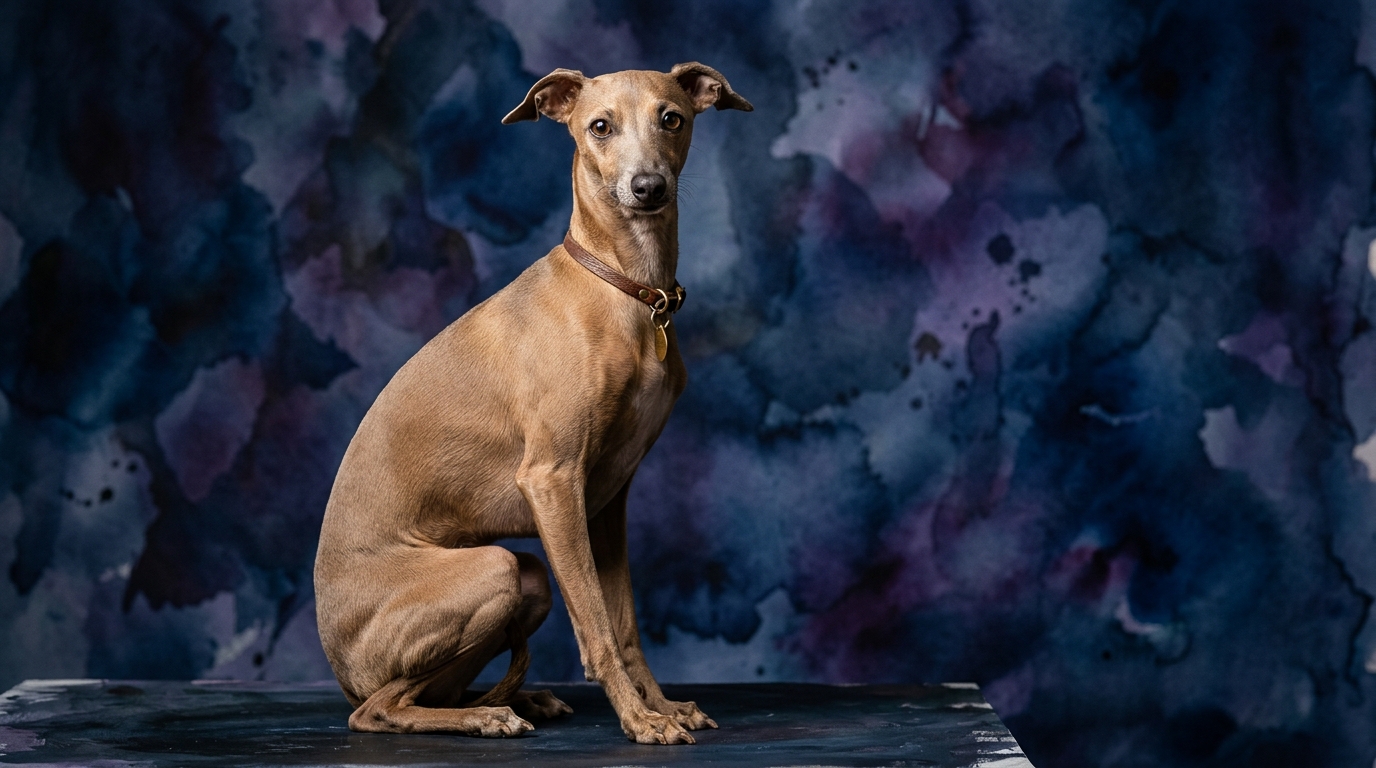
At first glance, the Miniature Bull Terrier and the Italian Greyhound present a curious case study, both scoring 3/5 across all five dimensions of The Cosmic Pet Pet IQ Lab. However, these identical numerical ratings mask distinct behavioral manifestations rooted in their breed histories and temperaments. Understanding how each breed expresses these scores provides a deeper appreciation for their cognitive styles.
For **Problem Solving (3/5)**, the Miniature Bull Terrier often approaches challenges with a tenacious, sometimes forceful, determination characteristic of its terrier lineage. They might persistently attempt various physical solutions to reach a desired object, demonstrating a robust, trial-and-error approach. The Italian Greyhound, with its sighthound heritage, tends to solve problems more through observation and spatial awareness, often finding the most efficient, elegant path to a goal, relying on quick assessment rather than brute force.
When it comes to **Training Speed (3/5)**, the Miniature Bull Terrier can be a spirited student, learning effectively with consistent, positive reinforcement, though their independent streak means they may require more motivational creativity to maintain focus. Once a command is learned, it tends to be well-retained. The Italian Greyhound, while equally capable of learning, is often more sensitive and prone to distraction, particularly by movement. Their training benefits from short, engaging sessions and gentle methods, as harsh corrections can easily deter them.
Their **Social Intelligence (3/5)** also diverges. Miniature Bull Terriers are typically boisterous and outgoing, often described as having a clownish demeanor. They are adept at reading human cues for play and interaction, thriving on being part of family activities and engaging robustly with their environment. Italian Greyhounds, conversely, tend to be more reserved and deeply bonded with their immediate family, showing a nuanced sensitivity to human emotions and subtle body language. They often prefer the quiet companionship of their chosen people over boisterous social gatherings, though they can be playful within their comfort zone.
The **Instinctive Drive (3/5)** of these breeds reflects their original purposes. The Miniature Bull Terrier retains the strong prey drive of its terrier ancestors, coupled with an inherent drive to dig and explore, often channeling this energy into playful mischief. The Italian Greyhound, a sighthound, possesses an intense visual prey drive, characterized by sudden bursts of speed and focus when spotting small, moving objects, making a secure leash or fenced area crucial for their safety.
Finally, their **Memory (3/5)**, while numerically equal, plays out differently. Miniature Bull Terriers possess a good memory for routines, commands, and the people they love, often remembering past training cues effectively. Italian Greyhounds also demonstrate excellent memory for their environment, routines, and family members, and their sensitivity can mean they vividly recall both positive and negative experiences, influencing future interactions.
Where the Miniature Bull Terrier Wins Cognitively
The Miniature Bull Terrier's cognitive strengths shine in scenarios demanding persistence and a certain robust independence. Their terrier tenacity means they excel at tasks requiring sustained effort and a willingness to try different approaches until a solution is found. This breed often demonstrates a fearless approach to novel situations, using their problem-solving skills to navigate unfamiliar environments or conquer challenging puzzles with a confident, can-do attitude.
Their social intelligence, while scoring the same as the Italian Greyhound, manifests as a more overtly engaging and resilient understanding of human interaction. They are often quick to initiate play and can be more forgiving of minor inconsistencies in human behavior, making them adaptable companions in bustling households. This blend of determined problem-solving and outgoing social engagement gives them an edge in environments where a dog needs to be both a clever individual and a robust family participant.
Where the Italian Greyhound Wins Cognitively
The Italian Greyhound's cognitive advantages are apparent in their refined observational skills and their deeply intuitive social connections. Their sighthound heritage grants them exceptional visual acuity and a rapid processing of spatial information, allowing them to navigate complex environments with grace and precision. Their problem-solving often involves quick assessment and finding the most efficient, less physical, path to a goal.
In terms of social intelligence, the Italian Greyhound's sensitivity translates into a profound attunement to their owner's emotional state. They often anticipate needs and react to subtle shifts in mood, offering quiet comfort or gentle solicitations for affection. This nuanced understanding of human emotion, combined with their strong memory for experiences, allows them to form incredibly deep and responsive bonds, making them particularly adept at being intuitive emotional support companions in a quiet setting.
Which is Easier to Train and Why
Despite both breeds scoring 3/5 in training speed, the actual training experience can differ significantly due to their behavioral predispositions. The Miniature Bull Terrier, while capable of learning quickly, often brings an independent and sometimes stubborn streak to the training process. Their strong will means that trainers need patience, consistency, and a variety of motivating rewards to keep them engaged. They respond best to positive reinforcement that makes training feel like a fun game, rather than a chore, and can be quite clever at finding loopholes if rules aren't clear.
The Italian Greyhound, on the other hand, is generally more eager to please but is also more sensitive and easily distracted. Their delicate nature means harsh corrections are counterproductive, often leading to shutdown or avoidance. Training sessions must be kept short, positive, and free from excessive distractions to maintain their focus. Their innate prey drive can also make off-leash reliability challenging without dedicated, consistent effort, as a squirrel or blowing leaf can quickly override learned commands. Therefore, while both require effort, the Miniature Bull Terrier often demands more persistence from the trainer, whereas the Italian Greyhound demands more gentleness and environmental control.
Which Suits Active Owners vs. Relaxed Owners
The Miniature Bull Terrier is an excellent fit for active owners who enjoy robust outdoor activities and can provide consistent mental and physical engagement. Their energetic nature means they thrive with regular walks, playtime, and opportunities for structured exercise or dog sports. Owners who appreciate a dog with a strong personality and a playful, sometimes mischievous, streak will find this breed a delightful companion. They need an owner who can match their enthusiasm and provide clear, consistent leadership.
The Italian Greyhound, while possessing bursts of incredible speed, is ultimately better suited for owners who appreciate a more relaxed lifestyle, punctuated by short, intense play sessions. They are not built for endurance and prefer the comfort of a warm lap or soft bed for much of the day. Owners who are home frequently, can offer a quiet, secure environment, and enjoy close, affectionate companionship will find the Italian Greyhound a perfect match. Their delicate physical structure also means they are better suited for homes without overly boisterous children or pets.
The Verdict: When to Choose Each Breed
The Verdict
Choose a Miniature Bull Terrier if you are an active, consistent owner who appreciates a robust, tenacious, and outgoing companion capable of independent thought and spirited play.
Opt for an Italian Greyhound if you seek a gentle, sensitive, and deeply affectionate companion who thrives in a calm home environment and enjoys close, quiet companionship.
🧠 Find Your Pet's IQ Score
Our Pet IQ Lab assessment covers 25+ tests across 5 cognitive dimensions — personalized to your breed.
Take the Full IQ Test →Frequently Asked Questions
Are Miniature Bull Terriers difficult to train?
Miniature Bull Terriers are not inherently difficult, but their independent and sometimes stubborn nature requires patience, consistency, and positive reinforcement. They respond well to engaging training methods that make learning fun, and clear boundaries are essential for success.
Do Italian Greyhounds need a lot of exercise?
Italian Greyhounds enjoy short bursts of intense activity, like sprinting in a secure yard, but they are not high-stamina dogs. They are content with moderate daily walks and enjoy lounging, making them suitable for owners who prefer a less demanding exercise routine.
How do these breeds interact with children?
Miniature Bull Terriers can be playful and robust with children, though supervision is always advised due to their spirited nature. Italian Greyhounds are more delicate and can be sensitive to rough handling, making them generally better suited for older, respectful children or quieter households.