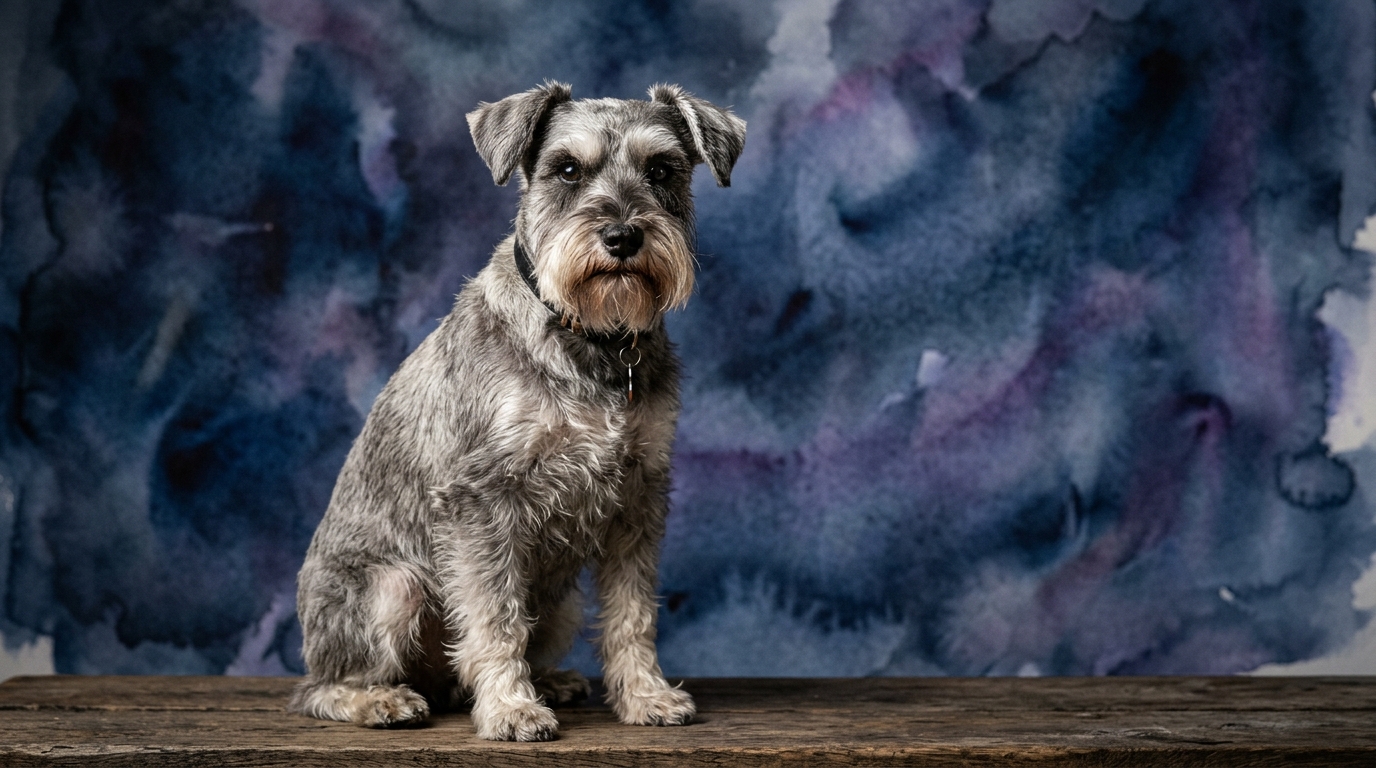
Side-by-Side IQ Profile: Miniature Schnauzer
**Problem Solving (4/5):** This breed often displays a resourceful approach to navigating obstacles, a trait honed from its history as a ratting dog requiring independent thought to outwit vermin. Their capacity to figure out puzzle toys or devise ways to reach desired objects speaks to a pragmatic, hands-on intelligence.
**Training Speed (5/5):** The Miniature Schnauzer's eagerness to learn and please, combined with their sharp focus, results in rapid command acquisition. They pick up new cues and routines with remarkable alacrity, often requiring fewer repetitions than many other breeds to solidify a behavior.
**Social Intelligence (4/5):** These dogs are adept at reading human emotions and intentions, often forming strong, perceptive bonds with their families. They can adjust their behavior based on household dynamics and are generally responsive to social cues from both people and other animals.
**Instinctive Drive (4/5):** While not a hunting hound, the Schnauzer retains a strong terrier instinct for chasing and "working," particularly when it comes to small, fast-moving objects. This drive fuels their engagement in tasks and can be channeled into activities like agility or earthdog trials.
**Memory (4/5):** Miniature Schnauzers exhibit a solid memory for commands, routines, and experiences, both positive and negative. They recall learned behaviors reliably over long periods, making reinforcement effective and training efforts lasting.
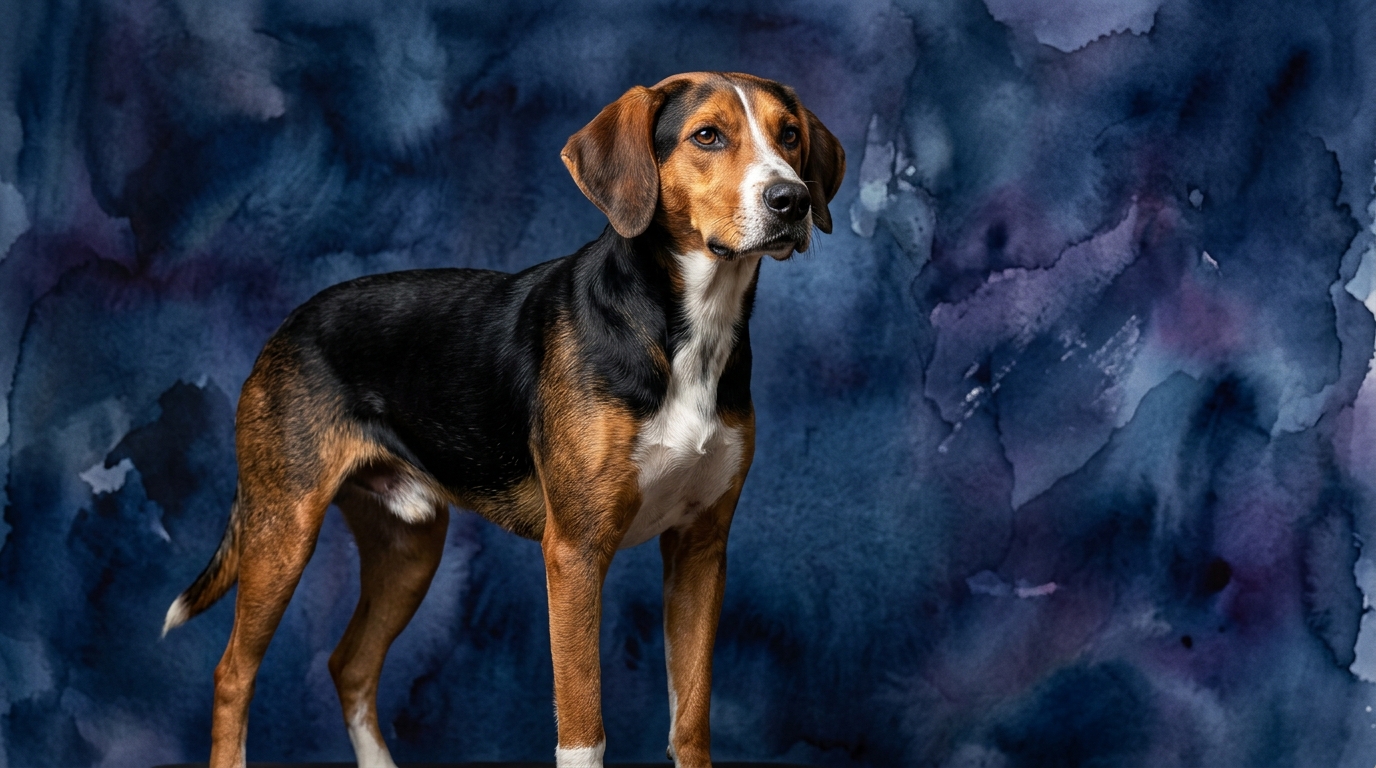
Side-by-Side IQ Profile: American Foxhound
**Problem Solving (3/5):** The American Foxhound typically approaches problems with persistence rather than immediate strategic brilliance. Their strength lies in sustained effort and following a scent trail, rather than devising novel solutions to complex, abstract challenges.
**Training Speed (3/5):** While capable of learning, the Foxhound's independent nature and strong olfactory focus can make training a more deliberate process. They require consistent, patient guidance, and their attention can be easily diverted by compelling scents.
**Social Intelligence (3/5):** Foxhounds are pack animals, thriving on group dynamics and forming strong bonds within their social unit. Their social intelligence is geared towards cooperative living and communication within a canine group, though they can be more reserved in interpreting complex human social cues compared to companion breeds.
**Instinctive Drive (3/5):** This breed possesses a profound, singular instinctive drive: the pursuit of scent. This powerful, innate motivation dictates much of their behavior and cognitive focus, leading them to follow a trail with relentless determination, often to the exclusion of other stimuli.
**Memory (3/5):** American Foxhounds possess a functional memory, particularly for established routines, their pack members, and successful hunting grounds. However, their memory for arbitrary commands might not be as sharp or consistently recalled as breeds with higher training speed scores, especially when their instinctive drive takes over.
Where the Miniature Schnauzer Shines Cognitively
The Miniature Schnauzer's cognitive profile reveals a breed built for adaptable, quick-witted interaction with its environment and human companions. Their superior Problem Solving (4/5) allows them to independently assess situations and find solutions, such as manipulating latches or navigating complex pathways, a direct lineage from their need to outsmart pests. This is coupled with an exceptional Training Speed (5/5), meaning they grasp new concepts and commands with minimal repetition, making them highly responsive partners in learning. Their higher Social Intelligence (4/5) enables them to interpret human moods and intentions with greater nuance, fostering a more finely tuned emotional connection and responsiveness to subtle cues. Furthermore, their robust Memory (4/5) ensures that once a behavior is learned, it tends to stick, contributing to their reputation as reliable and consistent companions.
Where the American Foxhound Demonstrates Unique Strengths
While not scoring as high in general problem-solving or training speed, the American Foxhound's cognitive strengths are deeply specialized and profoundly effective within its intended role. Its Instinctive Drive (3/5), though numerically lower than the Schnauzer's, represents a singularly potent cognitive focus: the unwavering ability to process and follow complex scent trails over vast distances and extended periods. This involves sophisticated olfactory discrimination and sustained attention, a cognitive feat distinct from a terrier's quick, reactive intelligence. Their Social Intelligence (3/5) is geared towards pack cohesion and cooperation, demonstrating a nuanced understanding of canine social hierarchies and communication vital for working in a group. This breed's "problem-solving" often manifests as persistent, methodical tracking, a specialized form of intelligence requiring endurance and singular dedication, rather than rapid, varied solutions.
Training Dynamics: Miniature Schnauzer vs. American Foxhound
Training a Miniature Schnauzer is generally a more straightforward and rewarding endeavor due to their high Training Speed (5/5) and eagerness to engage. They typically respond well to positive reinforcement, quickly associating commands with desired actions and enjoying the mental stimulation of learning. Their inherent desire to please their human companions means they often seek guidance and are attentive during training sessions. In contrast, the American Foxhound's training journey requires a different approach, largely due to their independent nature and powerful instinctive drive for scent. With a Training Speed of 3/5, they need more repetition and patience; a compelling scent can easily override their focus on human commands, making off-leash reliability a significant challenge. Their attention is often outward-focused, scanning for environmental cues, rather than consistently directed at their handler, necessitating a very consistent and highly motivating training regimen to keep them engaged.
Lifestyle Match: Active Owners vs. Relaxed Companions
For active owners seeking a dynamic companion for varied activities, the Miniature Schnauzer presents an excellent match. Their Problem Solving (4/5) and Instinctive Drive (4/5) make them enthusiastic participants in dog sports like agility, obedience, and even earthdog trials, thriving on mental and physical challenges. They possess good stamina for walks and hikes but are also content to relax indoors after adequate exercise. Their adaptability means they can integrate well into a range of households, from bustling families to individuals. The American Foxhound, however, is unequivocally suited for highly active owners who can accommodate their profound need for sustained physical exertion and intellectual engagement centered around their scent drive. These dogs require extensive daily exercise, often in secure, expansive areas where they can run and follow scents safely. A relaxed owner who cannot provide hours of outdoor activity, or who expects a dog content with minimal walks, would find the Foxhound's energy and vocalizations challenging, as their innate drive demands an outlet.
The Verdict
Opt for a Miniature Schnauzer if you desire a highly trainable, socially perceptive companion eager to engage in various activities and thrive on close human interaction, fitting well into diverse living situations.
Select an American Foxhound if you are an exceptionally active individual or family, passionate about providing extensive outdoor adventures where their remarkable stamina and scenting abilities can be fully utilized and appreciated.
🧠 Find Your Pet's IQ Score
Our Pet IQ Lab assessment covers 25+ tests across 5 cognitive dimensions — personalized to your breed.
Take the Full IQ Test →Frequently Asked Questions
Are Miniature Schnauzers good with children?
Miniature Schnauzers, with their 4/5 Social Intelligence, can be wonderful family dogs, often forming strong bonds with children when properly socialized and trained from a young age; their sturdy build and playful nature make them resilient companions.
Can American Foxhounds live in apartments?
Due to their immense exercise requirements and strong instinctive drive, American Foxhounds are generally not well-suited for apartment living unless their owners can commit to several hours of vigorous outdoor activity daily.
What kind of mental stimulation do these breeds need?
Miniature Schnauzers benefit from puzzle toys, training new tricks, and engaging in dog sports to satisfy their 4/5 Problem Solving and 4/5 Instinctive Drive; American Foxhounds thrive on scent work, long hikes, and opportunities to explore with their noses, fulfilling their specialized 3/5 Instinctive Drive.